2025-06-05
What everyday habits disrupt your metabolism?
Discover common daily habits that can slow down your metabolism, from late-night phone use to poor sleep, insufficient protein, prolonged low-carb diets, alcohol, and incorrect exercise routines.

What everyday habits disrupt your metabolism?

Did you know that seemingly insignificant daily actions can actually slow down your metabolism?
Today, we'll explore this topic, focusing on insights compiled by the American health information outlet ‘Eat This, Not That’.

● Late-night phone use:
The artificial blue light emitted from phone and computer screens can disrupt your circadian rhythm. Specifically, exposure late at night can increase insulin resistance and suppress the secretion of melatonin, a crucial hormone for deep sleep, leading to reduced sleep quality. All of these factors can contribute to a slower metabolism.
● Low sleep quality:
Even one night of poor sleep can negatively impact hunger-stimulating hormones and insulin sensitivity. To improve sleep quality, it's helpful to avoid artificial light late in the evening, keep your bedroom cool, and refrain from eating or engaging in strenuous exercise before bedtime.

● Insufficient protein intake:
Did you know that not consuming enough protein can also slow down your metabolism?
Protein plays a vital role in increasing satiety, aiding post-exercise recovery, and building and maintaining muscle. When consuming protein, it's generally better to choose animal protein over plant-based protein due to its higher absorption rate in the body.
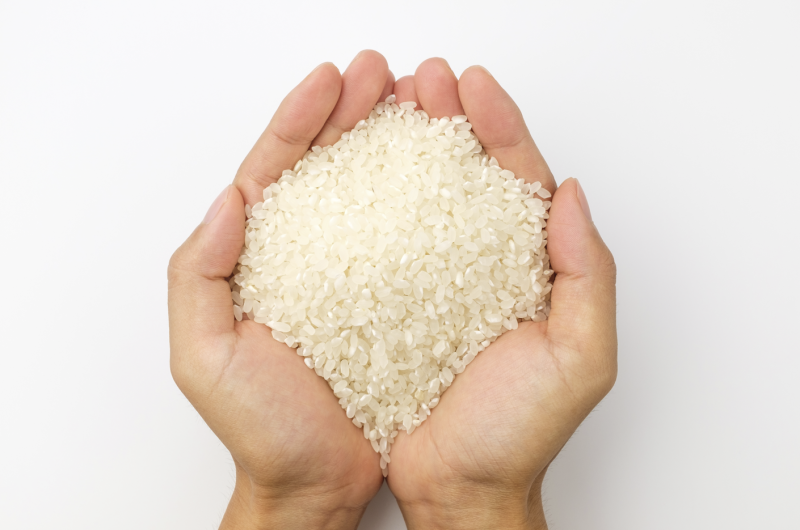
● Maintaining a low-carb diet for extended periods:
If you maintain a low-carbohydrate diet for too long, your thyroid hormone levels can decrease, which can lead to a slower metabolism.
Therefore, it's advisable to periodically consume sufficient carbohydrates, especially if you are highly active or are a woman. Regular carbohydrate replenishment can help keep your metabolism more active.

● Alcohol consumption:
Even small amounts of alcohol can slow down your metabolism.
When the liver is busy detoxifying alcohol, it cannot properly metabolize fats and sugars, which can lead to weight gain and conditions like fatty liver disease.

● Incorrect exercise habits:
Did you know that prolonged moderate-intensity cardio can actually deplete muscle tissue and chronically elevate cortisol levels, potentially leading to increased abdominal fat?
Instead of long durations of moderate-intensity cardio, it is recommended to do high-intensity interval training (HIIT) and strength training 2-3 times a week.
This approach is effective for maintaining muscle mass and boosting metabolism.
Source: Kormedi.com