2026-07-20
Seollal (Korean New Year) Foods in Advance? Easy Yakbap Recipe!
This article introduces traditional Korean New Year foods like yakbap, saengtteokguk, and seommandoo, with a focus on an easy yakbap recipe using a rice cooker. It also explains the cultural significance of these dishes for good fortune and health.
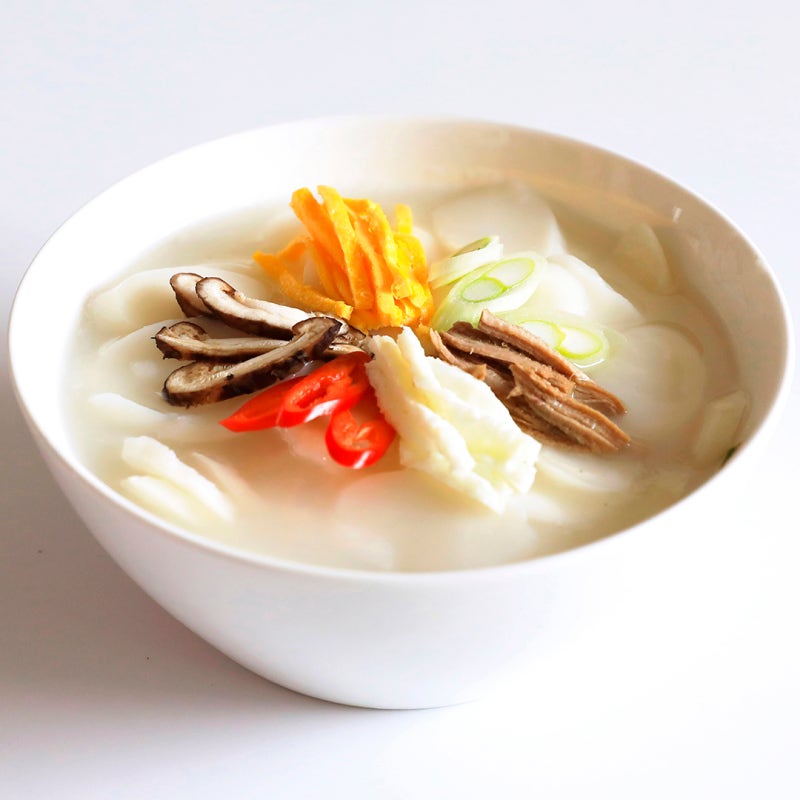
Seollal (Korean New Year) Foods in Advance? Easy Yakbap Recipe!
This Sunday, February 5th, is Jeongwol Daeboreum (the first full moon of the lunar new year).
I was so busy that I didn't even realize it,
but after receiving a KakaoTalk message asking, ‘Should we make yakbap for Jeongwol Daeboreum?’,
I truly realized that January was already over, haha.
Jeongwol Daeboreum, the first full moon of the year, when the full moon shines brightly,
refers to the 15th day of the first lunar month.
Although not many people nowadays strictly follow the seasonal customs to prepare and eat specific foods,
it seems many still enjoy yakbap or ogokbap (five-grain rice) for Jeongwol Daeboreum.
Looking at the foods commonly eaten on Jeongwol Daeboreum,
there were Gwi-balgi-sul (ear-clearing wine), saengtteokguk, seommandoo, yakbap, and ogokbap.
Saengtteokguk? Raw Tteokguk?
The term ‘saengtteokguk’ was unfamiliar to me too,
so I looked it up, wondering if it was different from regular tteokguk.
Saengtteokguk is a soup made with ‘saeng tteok’ (raw rice cakes) prepared by kneading rice flour with boiling water.
It's also known as a tteokguk that can be easily cooked and eaten even if you haven't prepared tteokguk rice cakes in advance.
Nowadays, tteokguk rice cakes are easily available for purchase,
so it felt even more unfamiliar, haha.
What kind of dumpling is Seommandoo?
Seommandoo involves making dumplings larger than usual,
filling them generously with ingredients.
We used to express quantities of rice as ‘han seom’ (one seom), ‘du seom’ (two seom), etc.
Seommandoo is said to be one of the foods eaten to wish for a full and prosperous year.
Depending on the region or household, some places make ‘bokmandoo’ (fortune dumplings) instead of seommandoo.
Bokmandoo is made by placing 3-4 small dumplings (saekki mandoo) inside a regular-sized dumpling.
On the first day of the lunar new year, one bokmandoo is put into the manduguk (dumpling soup),
and it was believed that whoever ate this bokmandoo would receive more blessings than others that year.
I wondered if I had ever eaten bokmandoo,
but I don't recall ever having eaten bokmandoo in the specific form described above.
With the hope that good things will happen this year,
even if it's a bit troublesome, I thought it might be nice to make it at least once,
and if everyone cooks just one serving at a time, perhaps good things will happen to all, haha.
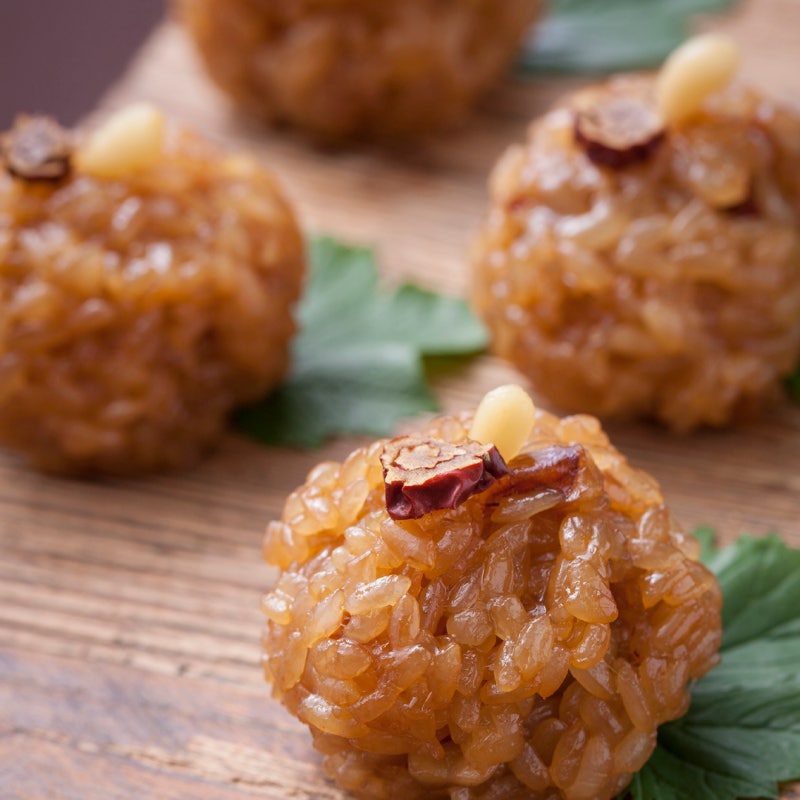
Yakbap is one of the foods that many people enjoy regardless of the season.
You don't necessarily have to make it yourself; it's also available in instant rice forms.
I remember making yakbap recently during the yakgwa (honey cookie) boom,
so among the Jeongwol Daeboreum foods we've looked at today,
I think it's the most familiar to me.
Yakbap is a dish made by steaming glutinous rice
and mixing it with various ingredients like jujubes, chestnuts, pine nuts,
and a sauce made with sesame oil, honey, and soy sauce, then steaming it again to cook.
Nowadays, many people make it into bite-sized pieces and cool them,
or put it into square molds to make uniform pieces.
How to Make Easy and Delicious Yakbap at Home
Ingredients: 3 cups glutinous rice (soaked for at least 2 hours)
10-20 chestnuts, 20-30 jujubes, about 1/2 cup of other ingredients like raisins, walnuts, pine nuts
Sauce: 3 T soy sauce, 1 cup brown sugar, 3 T sesame oil, 1/2 T cinnamon powder
How to make Yakbap:
1. Mix the sauce ingredients to make the seasoning.
2. Prepare other ingredients such as raisins, walnuts, and pine nuts.
3. Slice chestnuts into bite-sized pieces.
4. Remove seeds from jujubes and julienne or halve them.
5. Put the soaked glutinous rice into a rice cooker and mix well with the seasoning.
6. Add the ingredients prepared in steps 2, 3, and 4 to the rice cooker.
7. Press the 'white rice cooking' button.
8. Line a container with plastic wrap, then put the yakbap into it.
9. Press down firmly to flatten the yakbap.
10. Once the yakbap has cooled, cut it into bite-sized pieces.
* If you want spherical yakbap, press it with a pre-prepared mold
or put it into a mold and cool it! That's it!
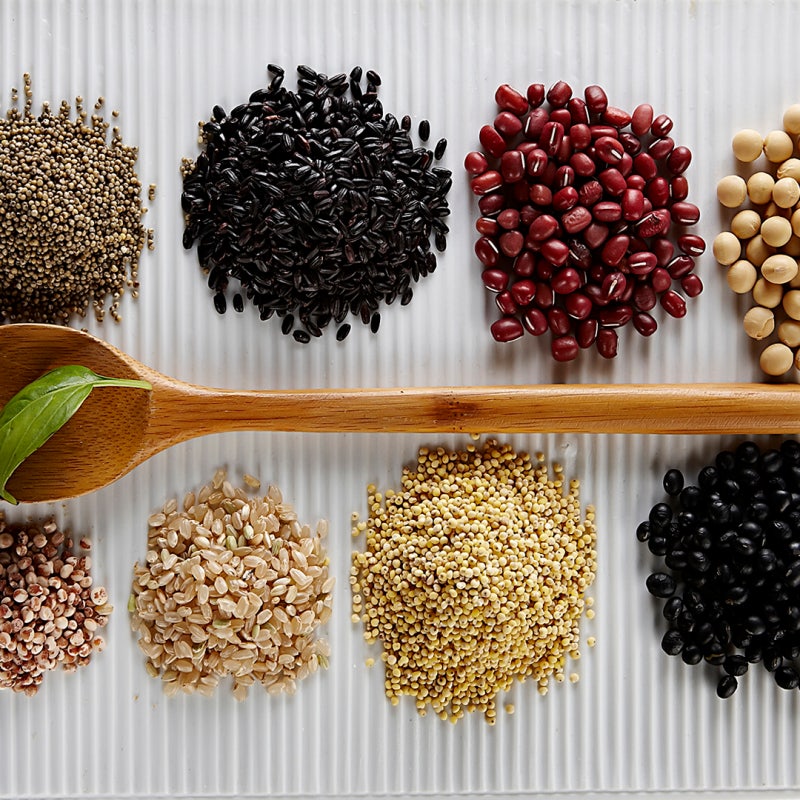
Nowadays, even if you make yakbap at home,
it's easy to do using an electric rice cooker~
I think it would be good to try it at least once.
And one food that cannot be left out for Jeongwol Daeboreum
is ogokbap (five-grain rice).
Ogokbap refers to rice cooked by mixing five kinds of grains: rice, millet, sorghum, red beans, and soybeans.
Many people enjoy it with various namul (seasoned vegetables).
Ogokbap on Jeongwol Daeboreum is eaten to pray for a bountiful harvest.
Recently, it's also often made and eaten with the wish for a healthy, peaceful, and prosperous year.
Although it's delicious when eaten, it requires a lot of effort to make at home,
so I haven't often made ogokbap and namul myself.
Despite being troublesome and labor-intensive,
Jeongwol Daeboreum foods are good for health and have various meanings!
I think it's a good idea to check them out in advance.
I wish all those who visited Gangnam Smile Eye Clinic today
happiness and good health~!
Frequently Asked Questions
What kind of day is Jeongwol Daeboreum?
Jeongwol Daeboreum is the 15th day of the lunar calendar, marking the first full moon of the year when the full moon shines brightly. It is a day when people traditionally make and eat various foods to pray for abundance and health.
Is Saengtteokguk different from regular Tteokguk?
Yes, it is different. Saengtteokguk is a soup made with fresh tteok (rice cakes) prepared by kneading rice flour with boiling water. It is known as a tteokguk that can be easily cooked and eaten even when tteokguk rice cakes haven't been prepared in advance.
Why are Seommangdu made large?
Seommangdu are made larger than usual and filled generously to wish for a full and prosperous year. The name 'seom' (섬) is a unit for counting rice, symbolizing abundance.
Can I easily make Yakbap at home?
Yes, you can easily make Yakbap at home using an electric rice cooker. Simply put soaked glutinous rice, ingredients like jujubes, chestnuts, and pine nuts, and a seasoning sauce made with soy sauce, brown sugar, sesame oil, and cinnamon powder into the rice cooker and press the white rice cooking button.
What is the meaning of Ogokbap?
Ogokbap is a rice dish made by mixing five grains: rice, millet, sorghum, red beans, and black beans. On Jeongwol Daeboreum, it is eaten to pray for a bountiful harvest, and more recently, with the wish for health, peace, and good fortune throughout the year.
How is Bokmandu made?
Bokmandu are made by placing 3-4 small 'baby' dumplings inside a regular-sized dumpling. It was believed that eating one Bokmandu in tteokguk on the first day of the lunar new year would bring much good fortune for the year.