2026-07-20
What is 'Telomere', the Core of the Latest Trend 'Slow Aging'? | Hyperbaric Oxygen Therapy for Cell Anti-Aging
Discover 'slow aging' and the crucial role of telomeres in cell longevity. Learn how diet, lifestyle, and hyperbaric oxygen therapy can help extend telomere length and combat aging.

Hello,
This is Gangnam Smile Eye Clinic😊
Did you know that anti-aging, now called ‘slow aging’, is trending not only among middle-aged and older adults but also among the 2030 generation?
‘Slow aging’ is an alternative to slow down accelerated aging in a society that makes individuals age and get sick faster. It was first introduced by Professor Jung Hee-won of Geriatric Internal Medicine at Asan Medical Center in Seoul.
Professor Jung Hee-won's YouTube channel gained algorithmic traction and was introduced to the MZ generation, quickly spreading by word of mouth.
In particular, the culture of authenticating ‘slow aging’ diets on social media platforms like Instagram and TikTok gained popularity, further spreading its viral reach.
The ‘slow aging’ diet involves consuming a base of ‘slow aging rice’ made with ingredients like lentils, oats, and brown rice. It also emphasizes increasing the intake of antioxidant foods such as vegetables and fruits, plant-based proteins, fiber, and vitamins, while avoiding simple sugars, refined grains, and excessive carbohydrates.
This diet not only addresses aging but also has the effect of improving brain fog, depression, reduced concentration, forgetfulness, and even swelling and inflammation, garnering significant interest from modern individuals.
However, for busy office workers, adhering to such a diet is not always easy. This led to a trend of posting high-carb, high-sugar foods like mala tang or cheesecake with captions such as ‘Sorry, Professor Slow Aging’ or ‘I ate accelerated aging food’.
So, what other anti-aging methods are there besides the ‘slow aging’ diet?
Preventing Cell Aging: Telomeres
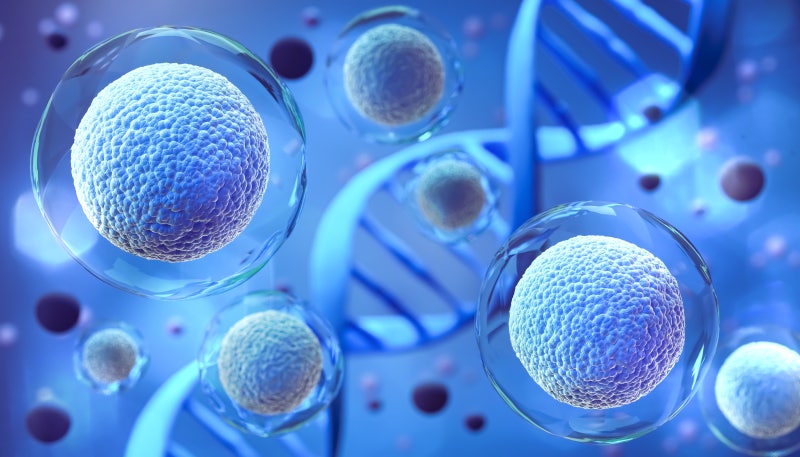
The key to anti-aging care is ‘preventing cell aging’.
The ‘telomeres’ of chromosomes are directly related to this cell aging.
Telomeres are nucleoprotein caps located at the ends of chromosomes within cells, consisting of DNA fragments that act as a cellular clock.
These telomeres gradually shorten with each cell division.
As the telomere length shortens, aging accelerates, and once they shorten below a certain level, cell division no longer occurs, leading to cell death.
Due to this characteristic, telomeres are considered a factor directly linked to cell lifespan and aging, earning them the nickname ‘aging clock’.
How to Lengthen Telomeres?
So, what methods can help extend telomere length and prevent their shortening?
As mentioned earlier, preventing cell aging requires improvements in diet and lifestyle.
Experimental results showed that when individuals followed a ‘slow aging’ diet and adopted environmental and lifestyle habits such as sufficient sleep, moderate exercise, and stress reduction, telomeres that were more than 10% longer were observed.
Therefore, improving lifestyle habits can be considered an essential factor for a healthy life.
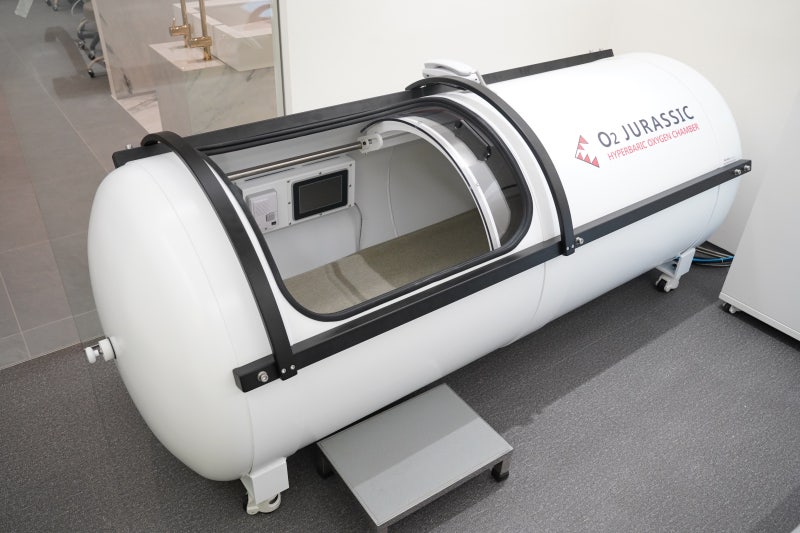
Furthermore, hyperbaric oxygen therapy is a cell anti-aging method that has recently gained global attention.
It has become a hot topic as famous CEOs, designers, Hollywood actors, and sports stars are utilizing it.
What is Hyperbaric Oxygen Therapy?
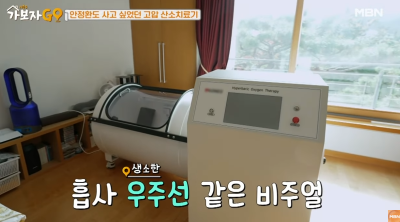

Hyperbaric oxygen therapy is a treatment method where patients inhale nearly 100% high-concentration oxygen inside a chamber that creates an environment with more than twice the normal atmospheric pressure.
During this process, the amount of oxygen in the body increases, and oxygen is supplied from cells to tiny peripheral blood vessels, leading to the creation of new blood vessels, enhanced healing and regenerative capabilities, and improved treatment effects for various diseases.

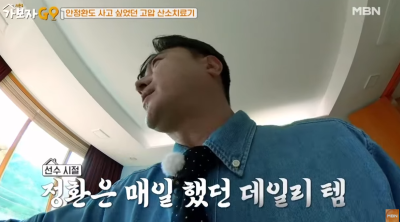
For this reason, it is particularly known to be used by many athletes.
Recently, famous operatic singer Kim Dong-kyu also made headlines by installing a hyperbaric oxygen therapy device in his mansion.
Moreover, recent research has revealed that hyperbaric oxygen therapy has the effect of extending telomere length again.
When telomere length increases, not only does cell division become more active, but aging can be slowed down or even reversed.
In addition, studies are continuously emerging suggesting that hyperbaric oxygen therapy can positively impact cancer prevention by increasing blood oxygen saturation.
It has been found that in a hypoxic state, cancer's treatment resistance and aggressiveness increase, survival rates decrease, and cancer metastasis is promoted. Therefore, there is growing anticipation that increasing blood oxygen saturation through hyperbaric oxygen therapy could reduce the likelihood of cancer metastasis.
Our Gangnam Smile Eye Clinic has introduced the O2 JURASSIC hyperbaric oxygen therapy device to provide higher quality medical services to our patients.
This can be expected to be effective not only for general dry eye syndrome but also for rapid recovery after LASIK/LASEK, quick treatment after cataract surgery, and anti-aging for the eyes.
In addition to the hyperbaric oxygen therapy device, we have established a specialized eye care center and introduced various systematic systems, such as ocular IPL, to focus on post-surgical aftercare.
Gangnam Smile Eye Clinic is equipped with the latest equipment and a systematic examination system, providing authentic 1:1 customized consultations and surgeries for each patient.
Furthermore, we always prioritize transparency and safety, with the patient at the center of our considerations.
💙🤍 𝖦𝖠𝖭𝖦𝖭𝖠𝖬 𝖲𝖬𝖨𝖫𝖤 𝖤𝖤 𝖢𝖫𝖨𝖭𝖨𝖢💙🤍
𝗧𝗛𝗘 𝗟𝗜𝗚𝗛𝗧 𝗔𝗡𝗗 𝗧𝗛𝗘 𝗢𝗖𝗘𝗔𝗡 𝗜𝗡 𝗬𝗢𝗨𝗥 𝗦𝗠𝗜𝗟𝗘




Related research papers:
https://pubmed.ncbi.nlm.nih.gov/27589328/
https://pmc.ncbi.nlm.nih.gov/articles/PMC7746357/
Frequently Asked Questions
What is 'Slow Aging'?
Slow aging is a concept first introduced by Professor Jung Hee-won of Seoul Asan Hospital as an alternative to slow down accelerated aging in a society that makes individuals age and get sick quickly. It mainly aims to slow down aging through dietary improvements, sufficient sleep, and moderate exercise.
How are telomeres related to cellular aging?
Telomeres are DNA fragments located at the ends of chromosomes within cells, acting as a cellular clock. Their length shortens with each cell division, and as they shorten, aging accelerates. If they shorten below a certain level, cells die, directly linking them to aging.
What are the ways to maintain or lengthen telomere length?
Maintaining or lengthening telomere length is crucial for improving diet and lifestyle. Following a slow-aging diet, getting enough sleep, moderate exercise, and reducing stress are all helpful. Recent research also indicates that hyperbaric oxygen therapy has an effect on extending telomere length.
What is hyperbaric oxygen therapy, and how does it help with anti-aging?
Hyperbaric oxygen therapy is a treatment method that involves inhaling nearly 100% high-concentration oxygen inside a chamber with an atmospheric pressure more than twice the normal. It increases oxygen levels in the body, supplying oxygen from cells to microvessels, and recent research shows it can extend telomere length, thereby slowing down aging or even offering anti-aging effects.
Is hyperbaric oxygen therapy effective for ophthalmic diseases?
Yes, Gangnam Smile Eye Clinic has introduced hyperbaric oxygen therapy equipment and expects it to be effective for various ophthalmic diseases and recovery, such as dry eyes, rapid recovery after LASIK/LASEK, faster healing after cataract surgery, and prevention of ocular aging.
What is Gangnam Smile Eye Clinic's post-operative care system?
Gangnam Smile Eye Clinic, in addition to hyperbaric oxygen therapy equipment, has established a specialized eye care center and introduced various systematic approaches, including ocular IPL, to focus on patients' post-operative care. They prioritize transparency and safety with the latest equipment and 1:1 customized consultations.