2025-08-26
Foods that help blood vessels
Discover foods that support vascular health, especially during hot weather when dehydration can increase the risk of blood clots. Learn about the benefits of onions, soybeans, sweet potatoes, apples, cabbage, oats, fatty fish, and seaweed for maintaining healthy blood vessels and preventing conditions like cerebral infarction.
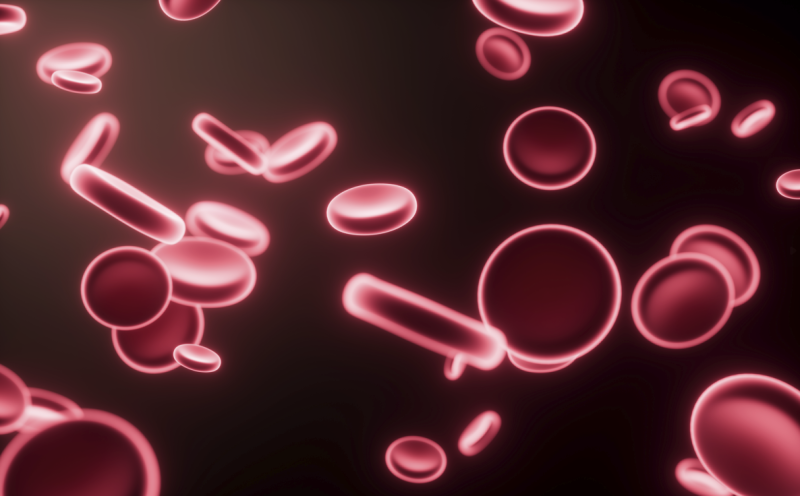
Foods that help blood vessels

The heat that just won't quit.
Sweltering heat also affects our blood vessels.
When you sweat a lot due to the heat, and your body's water content decreases,
the viscosity of your blood becomes stickier, increasing the likelihood of blood clots forming.
These blood clots can block cerebral blood vessels, leading to cerebral infarction,
and blood vessels tend to dilate to release heat from the body.
When blood vessels dilate, blood flow slows down, causing components in the blood to solidify, leading to blood clots and sometimes blocked blood vessels.
Lifestyle factors, such as sitting or standing for long periods, also negatively impact vascular health, so it's good to pay attention to preventing vascular diseases through activities like walking or leg raises.
Furthermore, smoking, alcohol, and fine dust are also risk factors for vascular diseases.
Older individuals have weaker blood vessels
and often lack sufficient hydration, making them more susceptible to summer cerebral infarctions caused by blood clots.
So, what are some foods that can help manage blood vessels more healthily and are good for our bodies?
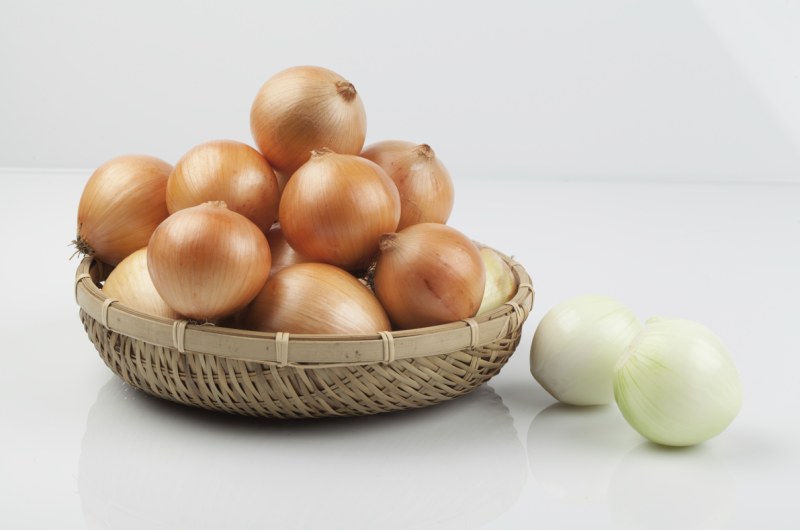
Onions: Quercetin, an antioxidant found in onions, has been shown in studies to prevent chronic inflammation that causes atherosclerosis.
Quercetin helps prevent fat and cholesterol from accumulating inside blood vessels, and flavonoids also reduce cholesterol levels,
which is beneficial for vascular health by preventing the thickening of arterial walls.
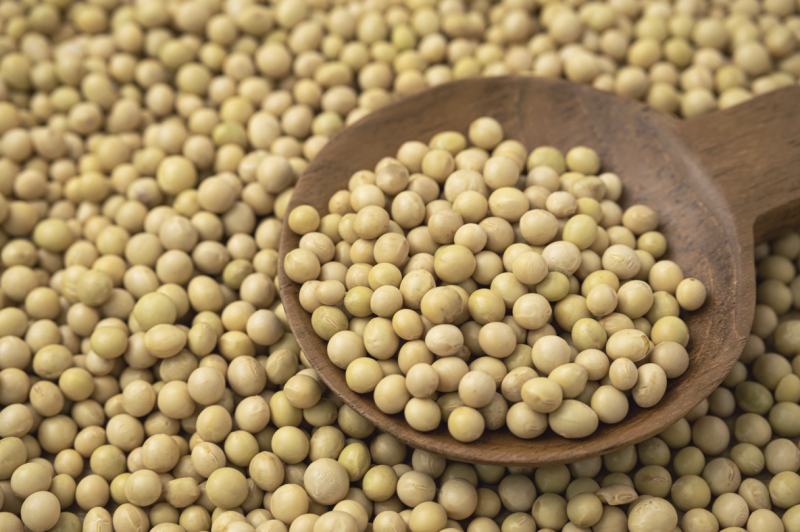
Soybeans: Research reports indicate that consuming soybeans daily reduces the risk of cardiovascular disease. Soybeans and soy products like tofu contain isoflavones and other
bioactive substances, unsaturated fatty acids, fiber, vitamins, and minerals
that improve lipid metabolism and provide antioxidant and anti-inflammatory effects, thereby supporting vascular health.
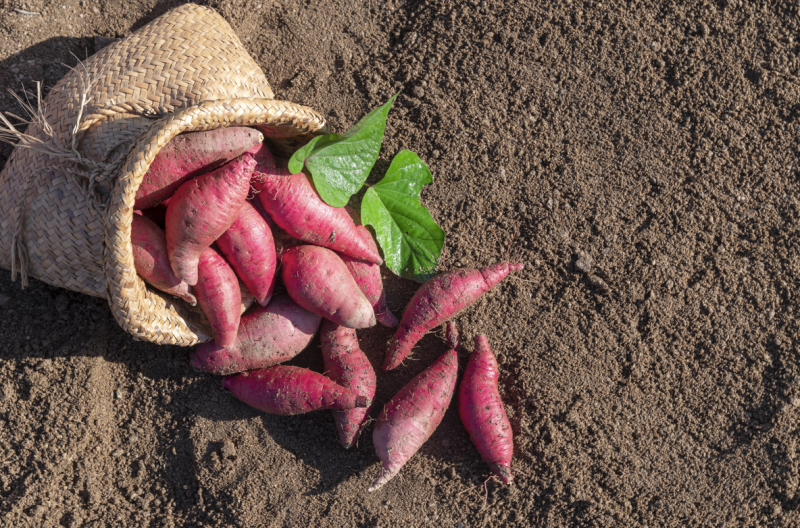
Sweet Potatoes: Sweet potatoes, rich in polyphenols,
are known to strengthen blood vessels and help prevent high blood pressure, atherosclerosis, and myocardial infarction.
The potassium in sweet potatoes aids in the excretion of sodium from the body,
reducing the risk of conditions like high blood pressure.
Additionally, the vitamin E they contain helps keep blood vessels young through its antioxidant action.

Apples: Apples contain pectin, a soluble fiber,
which blocks cholesterol absorption in the intestines.
Polyphenols, another antioxidant, also inhibit cell damage from harmful oxygen
and lower blood cholesterol levels, preventing vascular diseases.
Polyphenols also perform functions such as anti-aging and anti-cancer effects.
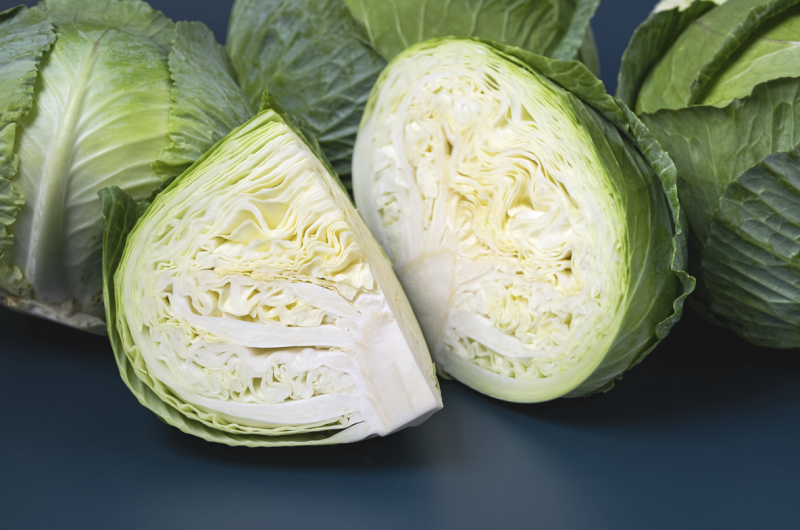
Cabbage: Cabbage contains a functional substance called sulforaphane, which contains sulfur compounds.
This compound activates proteins that inhibit blood clot formation in blood vessels.
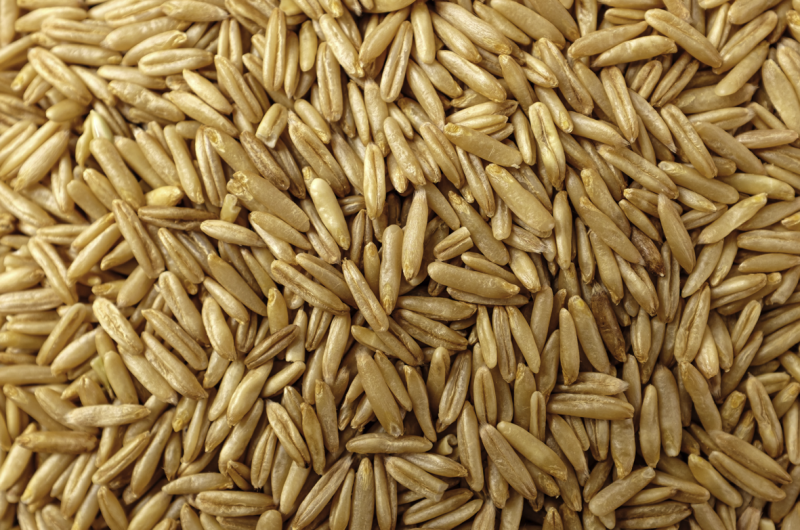
Oats: Oats and oatmeal contain beta-glucan,
which lowers blood cholesterol levels in the body, helping to prevent and treat vascular diseases.
75-80% of oat fatty acids are beneficial unsaturated fatty acids, playing a significant role in keeping blood and blood vessels healthy.
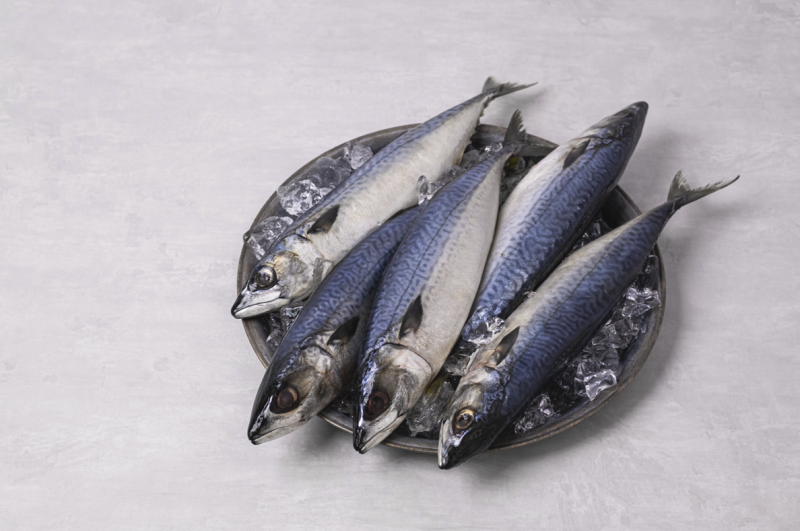
Fatty Fish: Fatty fish are indispensable foods for blood and vascular health, including mackerel, saury, tuna, and Spanish mackerel.
These fish are rich in omega-3 fatty acids,
which eliminate bad cholesterol and triglycerides and improve blood flow.
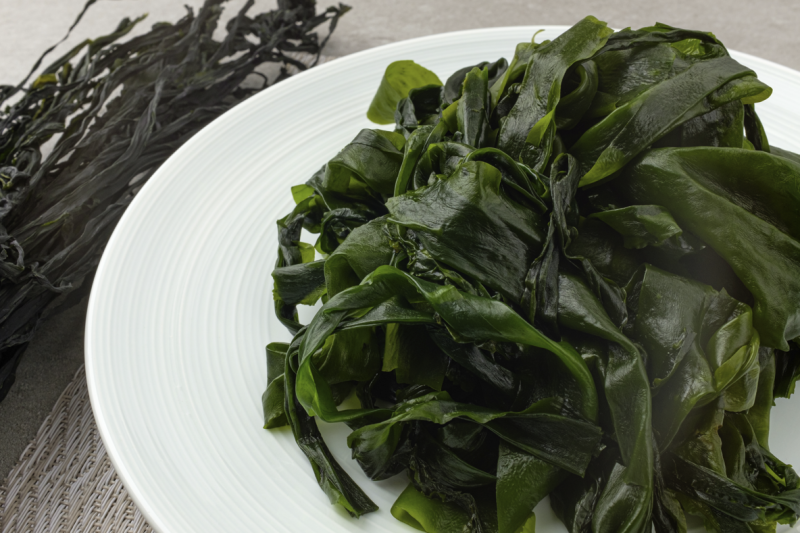
Seaweed: Iodine, abundant in seaweeds like kelp and wakame, aids blood circulation
and helps regulate blood pressure by expelling waste products from the body. Rich dietary fiber lowers serum cholesterol, which is beneficial for preventing vascular diseases.
Source: Kormedi.com