2023-06-15
3 Bad Habits That Weaken Your Immunity
Learn about three common bad habits that can weaken your immune system and increase your risk of illness. Discover how to improve your health through simple lifestyle changes.
As we age, healthy individuals become objects of envy.
If you are healthy in body and mind and free from illness, your happiness index will naturally rise, and your life satisfaction will increase.
To achieve this, managing lifestyle habits that boost immunity and prevent the risk of disease is paramount.
This includes outdoor activities with sun exposure and adequate sleep.
However, in a busy daily life, even basic lifestyle management can be challenging.
Let's explore bad habits that weaken immunity and increase the risk of disease, which you should improve immediately.

◆ You don't engage in outdoor activities with sun exposure.
While sunscreen has become an essential item,
avoiding outdoor activities with sun exposure means missing out on a very important nutrient for your health.
This is ‘Vitamin D’, often called the sunshine vitamin.
Just 10 minutes outdoors in the sun can increase vitamin D production in your body,
which enhances your body's ability to fight colds and flu.
Experts recommend consuming 2000-5000 IU of vitamin D daily to strengthen bones and support immune system health.
Vitamin D deficiency is linked to rheumatic diseases such as hypothyroidism and celiac disease.
On bright, sunny days, take advantage of lunchtime or other opportunities to take a light stroll outdoors for at least 10 minutes or relax on a bench.
◆ You don't actively relieve stress.
Numerous studies have shown that stress negatively impacts immune system function.
Stress can arise from various causes,
among which stress caused by loneliness or depression significantly damages immunity.
To overcome this state, you should spend time with close friends or family,
or find ways to socialize through hobby groups or sports clubs.
Furthermore, chronic depression caused by alienation or solitude weakens the T-cell response, which indicates how effectively the body reacts to viruses or bacteria.
◆ You maintain a state of sleep deprivation.
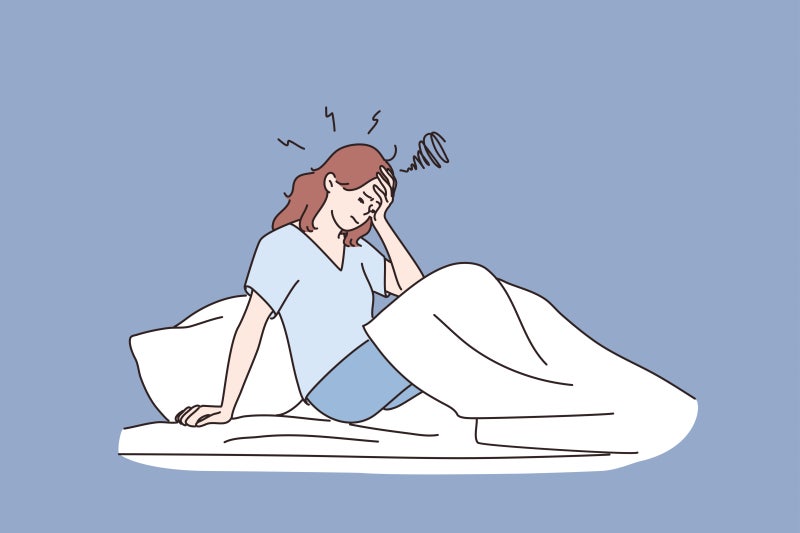
According to relevant research, you need to sleep 7-9 hours a night for your immune response to remain optimal.
However, most people do not maintain the average sleep duration.
Sleep deprivation reduces energy levels and the ability to regenerate cells, making you more susceptible to illness.
It is important to have good sleep hygiene habits.
Prioritizing your bedtime above all else is crucial.
Strictly adhering to consistent sleep and wake times is most important.
Source: Kormedi.com