2023-11-02
How to quickly reduce 'aching' muscle soreness after exercise?
Learn how to alleviate post-workout muscle soreness and aid recovery with hydration, self-myofascial release, timely nutrition, and avoiding painkillers.
Exercise is essential for losing weight, staying healthy, and having an energetic day. You might start with the best intentions, determined to do it right this time, but then, after just one day, your whole body aches. Is there a way to quickly get rid of this annoying and painful muscle soreness? Let's explore some methods to alleviate pain and aid muscle recovery with ‘Everyday Health’, an American health information media outlet.
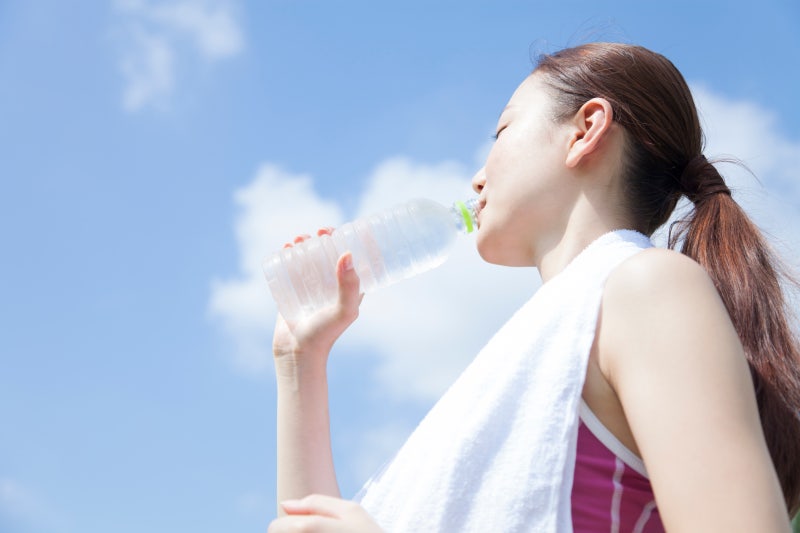
Drink enough water during or after exercise
According to the American College of Sports Medicine (ACSM), post-exercise muscle soreness is a sign of damage to muscle tissue. Fluid accumulates in the damaged area, increasing pressure, which leads to a strong pulling sensation and pain 12-24 hours after exercise. While some muscle damage can occur with any exercise, it can be more severe, leading to greater muscle soreness, if it's a new exercise, done suddenly, or if the intensity or number of movements is higher than usual.
While there's no immediate way to heal damaged muscles, staying well-hydrated during and after exercise can help speed up recovery. Water facilitates fluid circulation, which reduces inflammation, flushes out waste products, and delivers essential nutrients for muscle recovery. Related research suggests drinking about 370-570ml of water approximately 2 hours before starting exercise. Additionally, consuming about 140-280ml of water every 15-20 minutes helps maintain hydration. If exercising for more than 90 minutes, an electrolyte drink is more appropriate than plain water.
You can check your hydration level by observing your urine color. A medium or dark yellow color indicates dehydration, while a light yellow color means you are well-hydrated. Be aware that vitamins can make your urine darker than usual.
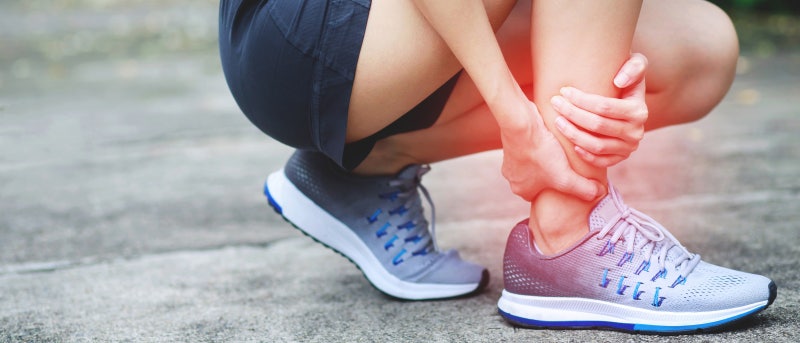
Release muscles immediately after exercise with a foam roller or massage gun
Using tools like foam rollers and massage guns for ‘Self-Myofascial Release (SMR)’ can also help alleviate muscle soreness. This involves releasing the fascia, which is located between the skin and muscles, enveloping muscles, nerves, and ligaments. When fascia contracts due to exercise, muscles can be compressed, leading to accumulated damage, so it's good to release them properly. Using a foam roller helps move fluids accumulated in the muscles after exercise and relieves tension in muscles and tissues. It also promotes blood circulation, delivering more nutrients and oxygen to the painful areas, thereby reducing swelling and pain.
A massage gun uses vibration therapy to also promote blood flow to the massaged area, reducing pain. Leda Malek, a certified sports specialist in San Francisco, suggests finding the knotted muscle area and gently stroking it with the massage gun. Apply tolerable pressure, massaging each area 3-5 times. Staying on one spot for too long can overstimulate the muscle and be counterproductive.

Eat within 30 minutes after intense exercise
If you've engaged in more intense exercise than usual, eating within 30 minutes afterward can help supply the nutrients needed for muscle recovery and growth. Consuming 20-40g of protein and 20-40g of carbohydrates within 30 minutes after exercising for more than 60 minutes can accelerate muscle recovery. A snack like Greek yogurt with a handful of berries and a spoonful of honey is also a good option. Protein provides the amino acids necessary for muscle rebuilding, while carbohydrates replenish the energy muscles expended during exercise.
Beyond immediate post-workout nutrition, it's crucial to have timely, nutritious, and satisfying meals. Skipping meals can slow down muscle recovery, leading to prolonged pain. Specifically, carefully monitor your protein intake to ensure a continuous supply of amino acids needed for muscle recovery. It's also beneficial to consume fruits, vegetables, and legumes rich in vitamin C and minerals like zinc, which aid healing and recovery.
Avoid painkillers if possible, despite the discomfort
When your body aches unbearably and you just want to get through the day more comfortably, you might be tempted to reach for painkillers.
However, taking painkillers, especially non-steroidal anti-inflammatory drugs (NSAIDs) like ibuprofen or naproxen,
might reduce pain, but it can hinder healthy muscle growth.
Everyday Health cited a small study that found when ibuprofen was taken at maximum dosage,
it slowed down the progress of an 8-week training program aimed at increasing muscle and strength in young adults.
Source: komedi.com