2023-11-29
Understanding Frozen Food Storage Periods
Learn optimal storage times for various frozen foods, including meats, seafood, and processed items, and discover which foods are best not frozen.

Understanding Frozen Food Storage Periods
Freezers are great for storing food you won't eat immediately for extended periods.
However, even the best food will degrade in quality if its storage period is not observed.
So today, let's learn about frozen food storage periods.
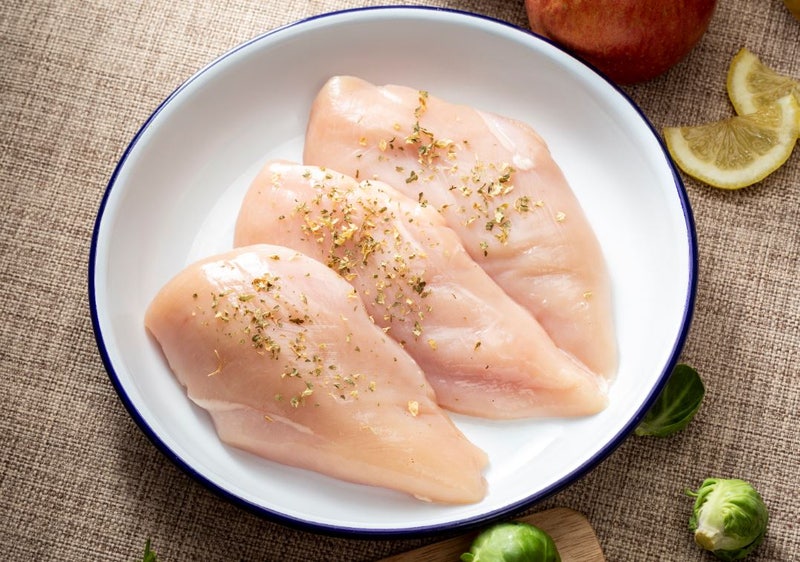
According to the Ministry of Food and Drug Safety:
Beef and chicken: 1 year
Fish and seafood: 3 months
Pork: 6 months
Cooked beef: 3 months
Cooked fish: 1 month of frozen storage is possible.
Processed foods like bacon and ham are best consumed within 2 months.
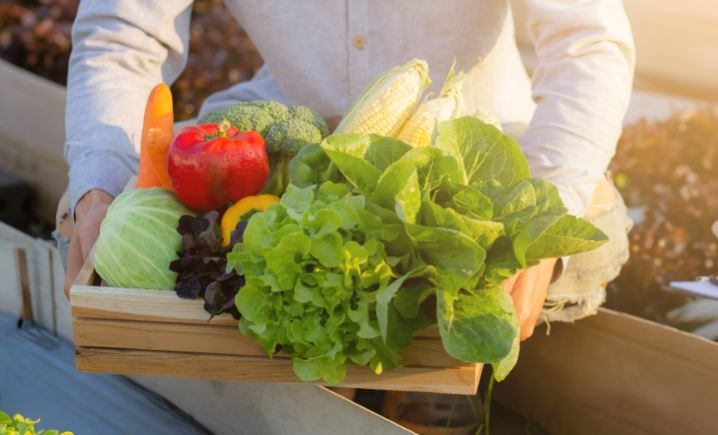
However, there are also foods that are best not frozen.
This applies to vegetables like cabbage and lettuce.
Freezing vegetables can cause moisture loss, altering their texture.
Similarly, with dairy products, freezing can cause proteins to solidify or layers to separate, reducing their original flavor.
Also, canned products stored in the refrigerator risk the container expanding and even bursting.
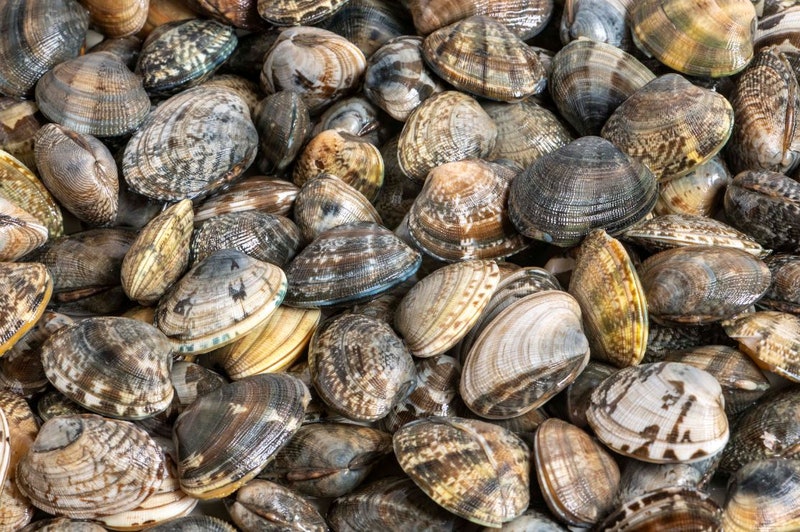
Conversely, for foods like clams, freezing can actually be better.
Clams are rich in amino acids, and research shows that slowly freezing them at refrigerator temperatures can increase amino acids by about 8 times.
Therefore, when freezing clams, it's best to put them in a zipper bag, wrap them in newspaper, and store them in the freezer.
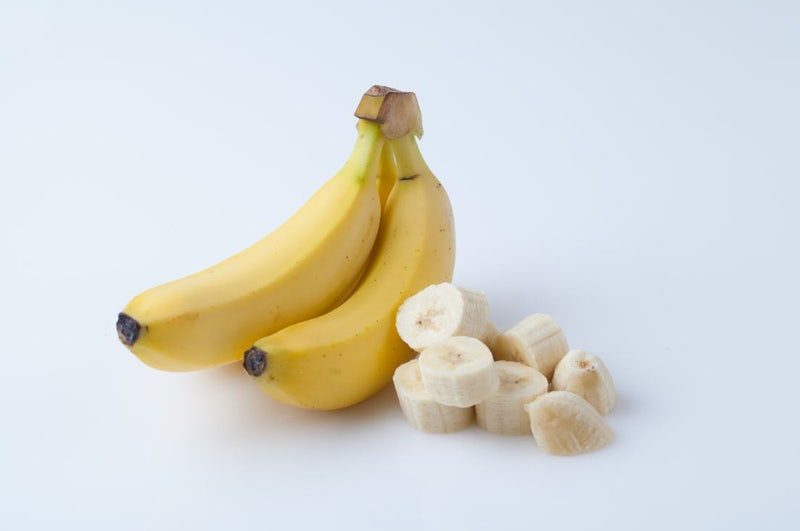
Bananas, which we eat frequently, can also retain their nutritional content when frozen.
Bananas that have developed black spots at room temperature can reduce nutrient loss by being frozen instead of stored at room temperature thereafter.
We recommend carefully checking which products can be refrigerated, storing them safely, and consuming them while preserving their nutritional value.
Separately, proper sealing is also crucial!
Even if refrigeration guidelines are followed, if the food is not properly sealed,
it can come into contact with oxygen in the freezer, leading to nutrient destruction or
the loss of the food's inherent moisture.
Therefore, make sure to seal properly!
Please follow these tips for safe consumption.
Source: Kormedi.com