2025-07-16
Diabetes: Fruits to Avoid
Learn which fruits to avoid if you have diabetes due to high sugar content, and how to safely incorporate some into your diet.

If you have diabetes, you should avoid fruits that are high in sugar.
Let's find out which fruits contain a lot of sugar and how you can eat them safely.

1. Mango
Mangoes are rich in vitamins A, C, E, and B6, making them good for immunity, skin, and eye health.
A ripe mango contains 14-15g of sugar per 100g.
You can eat about half a mango a day. Mangoes have a medium glycemic index, but their fiber content causes blood sugar to rise slowly.

2. Grapes
Grapes are rich in vitamins C, K, and antioxidants, which are beneficial for heart, skin, and immunity.
According to the U.S. Department of Agriculture, 100g of grapes contains 16.1g of sugar. If you need to manage your blood sugar levels, it is recommended to eat them in moderation.
Even though half a cup of green grapes is safe, their glycemic index is medium, and their glycemic load is relatively high.
3. Lychee
Lychees, which contain vitamin C, copper, and polyphenols, can enhance skin and immune health.
They contain 15.2g of sugar per 100g, and it's acceptable to eat about 5-6 lychees a day.
Lychees have a medium glycemic index but are relatively low in dietary fiber.

4. Banana
Bananas should be avoided or consumed in very small quantities if possible.
They are good for the heart due to their potassium, vitamin B6, fiber, and magnesium content.
A ripe banana contains 15.8g of sugar per 100g. One small, unripe banana is acceptable, but bananas have a medium glycemic index and a high glycemic load.
5. Fig
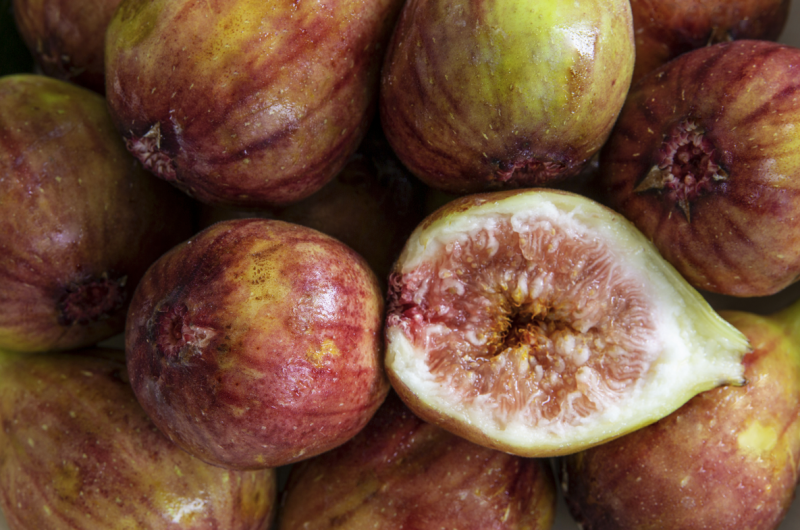
Fresh figs are rich in calcium, iron, magnesium, and fiber, making them good for digestion and bone health.
100g of figs contains 16.3g of sugar. One medium-sized fig is acceptable, but dried figs are very high in sugar and should preferably be avoided.

6. Pineapple
Pineapple, which contains vitamin C, bromelain, and manganese, is good for the skin and digestion.
It contains 10-12g of sugar per 100g and has a high glycemic index, so it's best to eat only one slice.
When eating these fruits, it's also advisable to pair them with protein and fat-rich foods like nuts or plain yogurt to prevent a rapid spike in blood sugar levels.
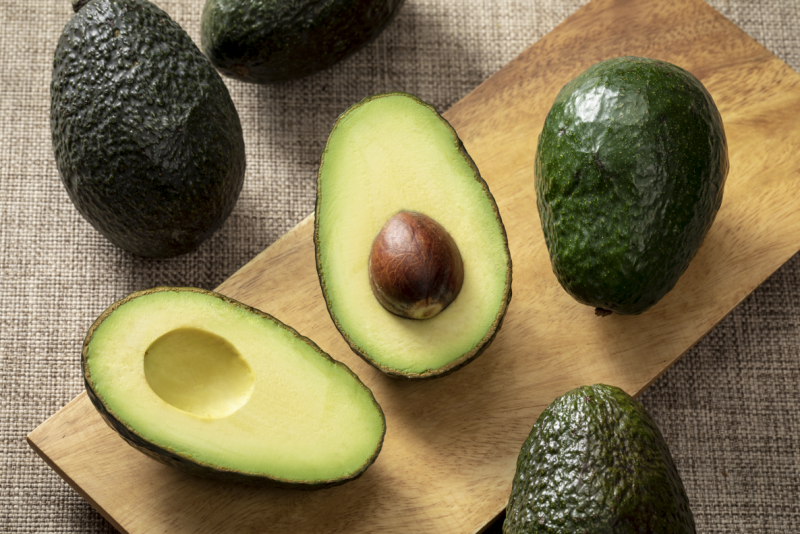
In contrast to the fruits mentioned above, fruits with a low glycemic index include avocado, strawberries, kiwi, blackberries, and raspberries.
Source: Kormedi.com