2023-11-06
Benefits of Pine Nuts, a Seasonal Delicacy in Autumn and Winter
Pine nuts, a seasonal nut in autumn and winter, are packed with nutrients. They contain unsaturated fatty acids beneficial for blood and blood vessels, help reduce cholesterol, and prevent various vascular diseases. Pine nuts also support memory, cognitive function, and hair health, but should be consumed in moderation due to their high calorie content.
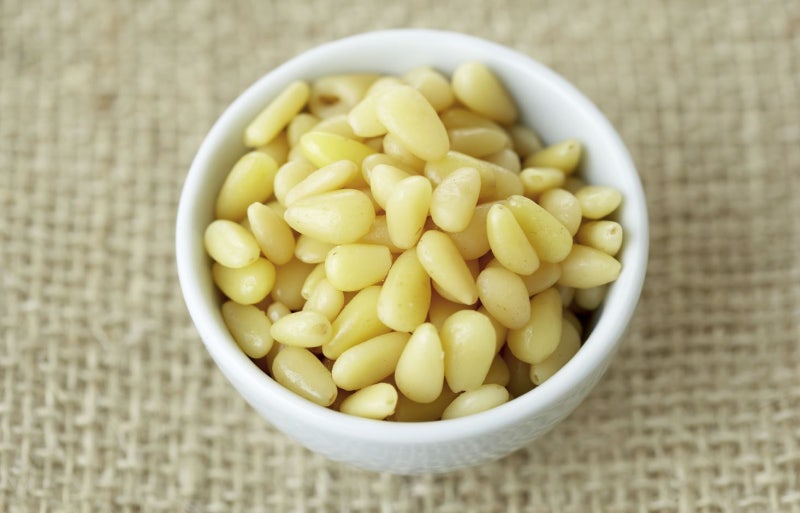
Benefits of Pine Nuts, a Seasonal Delicacy in Autumn and Winter
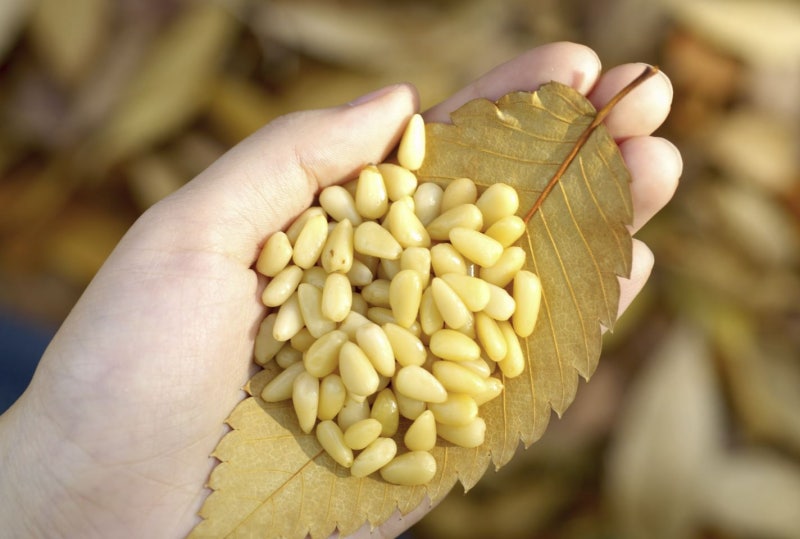
Pine nuts are a type of nut, the fruit of the pine tree, which belongs to the pine family.
In the past, they were even used as medicine, known as a highly nutritious health food.
Pine nuts contain unsaturated fatty acids that are good for blood and blood vessels.
They help reduce cholesterol levels and suppress triglycerides, thereby preventing hyperlipidemia, arteriosclerosis, and
vascular diseases such as heart disease and stroke.
They also contain iron, folic acid, and zinc, which contribute to blood health and help prevent and alleviate anemia.
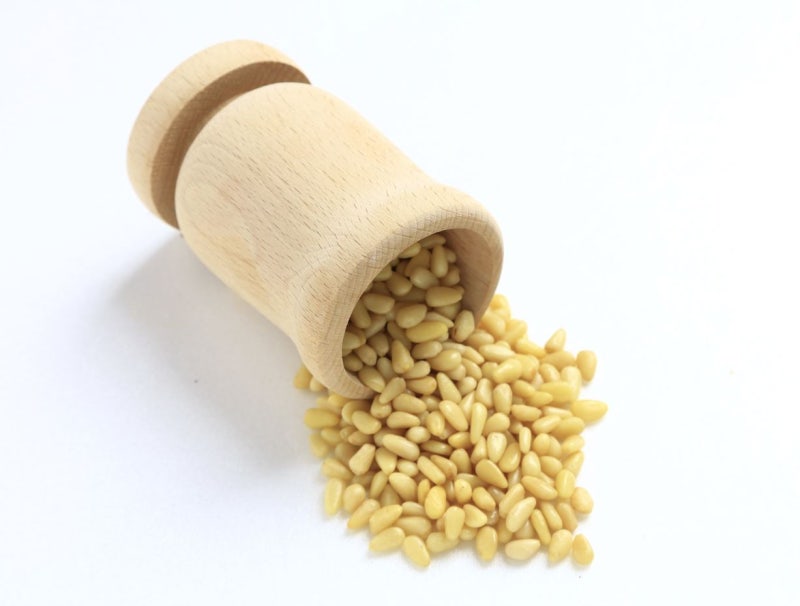
Furthermore, pine nuts contribute to memory and cognitive function, offering antioxidant effects that slow down aging.
Research has shown positive effects on inflammation prevention and immune system enhancement.
They are rich in lecithin, which contributes to brain cell activity, and also contain abundant vitamin E and various minerals,
which can help improve hair growth and prevent hair loss.
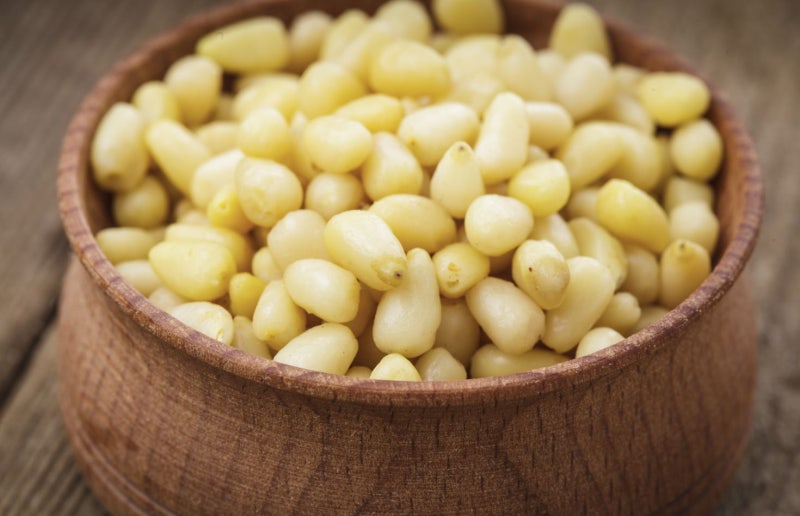
However, compared to other nuts, pine nuts are high in calories, so eating too many can lead to weight gain.
It is appropriate to consume only about 10-15 pine nuts per day.
Since they can easily go rancid, it is best to store them in a dark, cool place,
and for long-term storage, freezing is recommended.
Paying attention to storage methods is important.
Wait, how do you distinguish domestic Korean pine nuts?
Domestic Korean pine nuts do not have the germ attached, are uniform in size,
and have a pale yellow color. Additionally, they have a strong aroma,
less oil on the surface, and many individual nuts with damaged edges.
Conversely, easily found Chinese pine nuts often have the germ attached,
are irregular in size, and have a deep yellow color.
They have a weaker aroma, more oil on the surface, and fewer nuts with damaged edges.
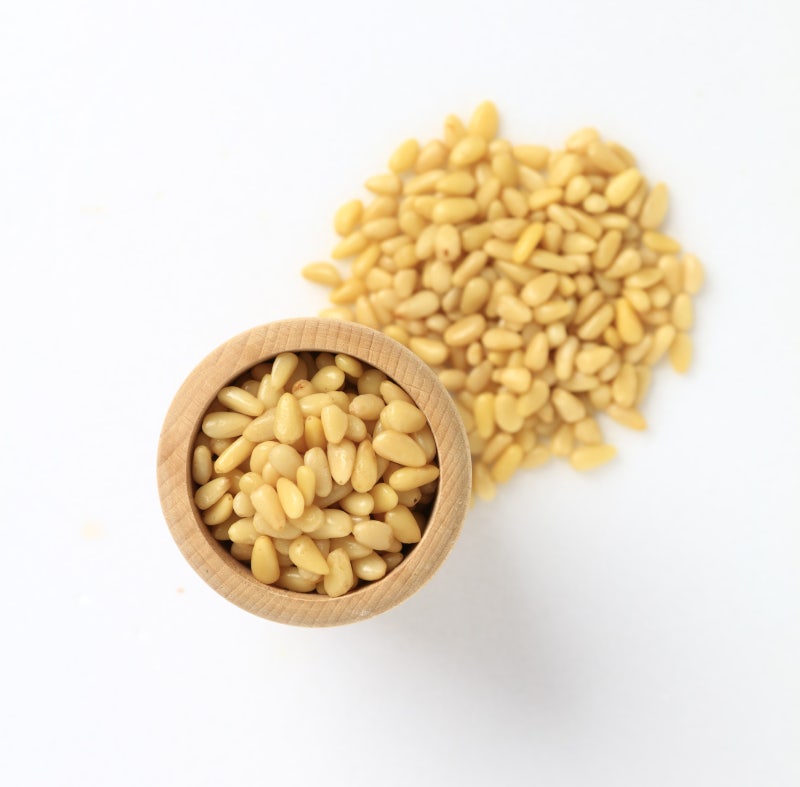
Our pine nuts at home!
Distinguish them well and eat them healthily.
Please put this into practice immediately.
Source: Kormedi.com