2026-09-07
Yaksu Station Dental Clinic: Implant Procedures with Alveolar Bone Grafting and Pain Management (Sinus Lift)
Learn about implant procedures with alveolar bone grafting, commonly known as bone grafting, at Yaksu Station Dental Clinic. This article focuses on sinus lift surgery, discussing its necessity, different approaches, and recovery for patients with insufficient bone density.
Hello.
I am Dr. Kim Tae-young from Yaksu Station Dental Clinic / Bareunyoung Dental Clinic^^
If you are considering implant surgery, you have probably heard that alveolar bone grafting (often referred to simply as bone grafting) may be necessary when getting implants.
Bone grafting is not just about thickening existing bone; the use of graft material varies depending on the location and situation.
Let's explore implant surgery, specifically focusing on a procedure called sinus lift (or sinus augmentation).
‘I've worn dentures for a long time and want implants now.’‘Other dental clinics said I couldn't get implants because my bone was not good.’
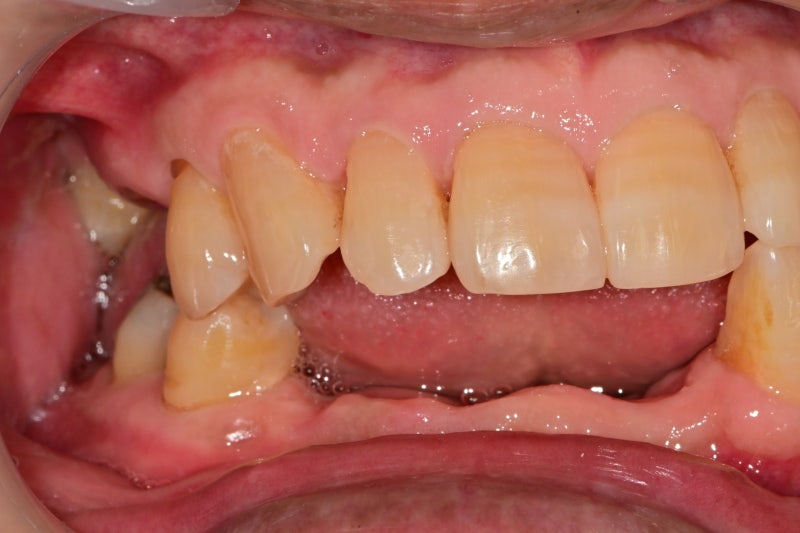
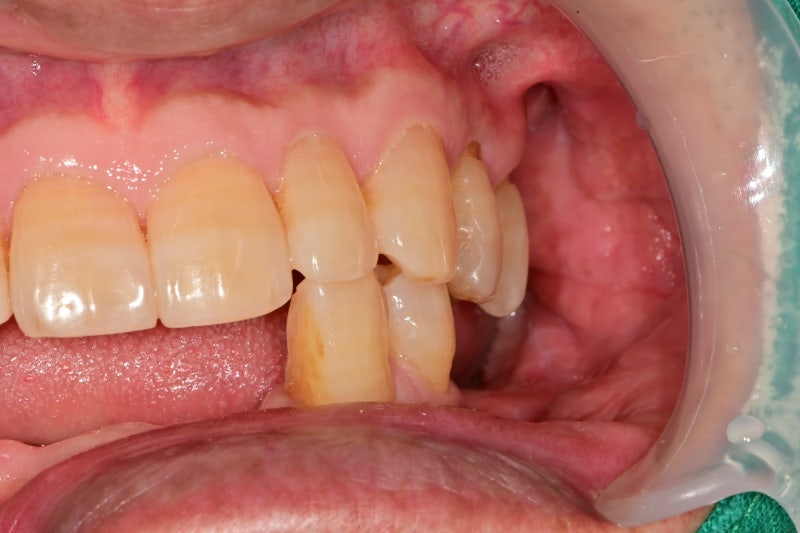
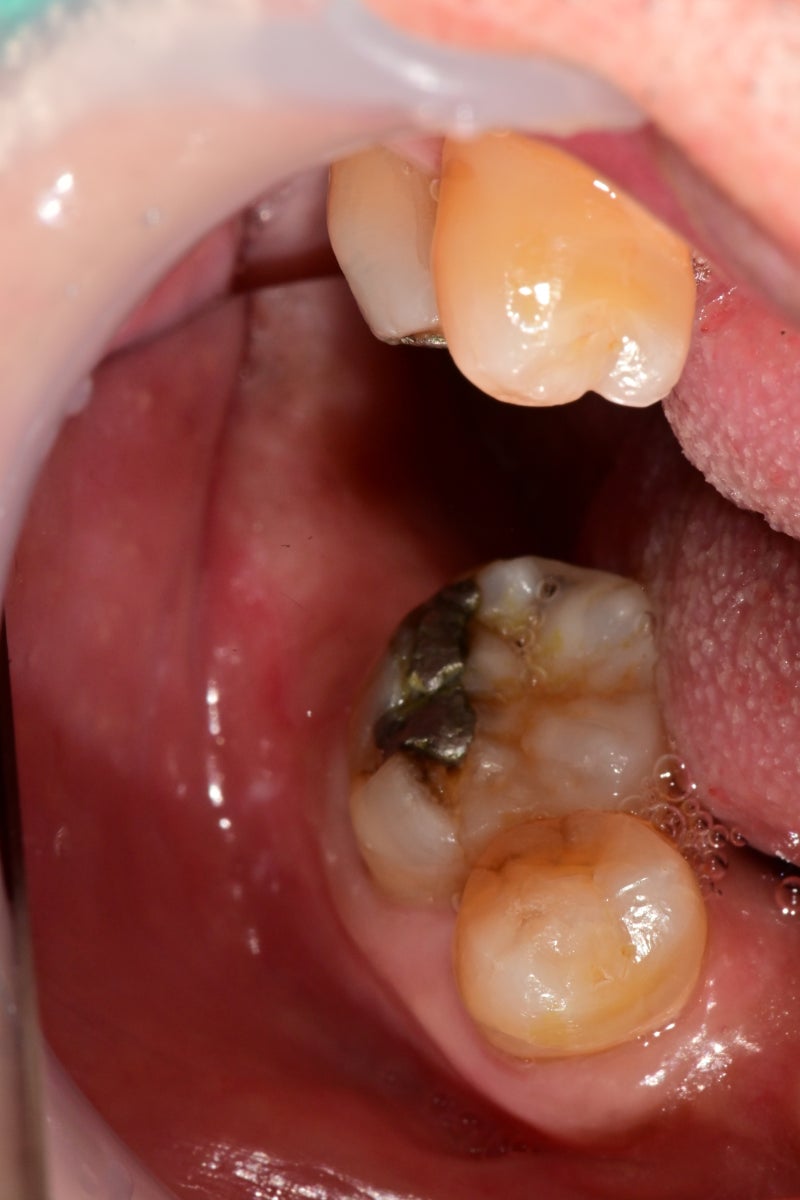
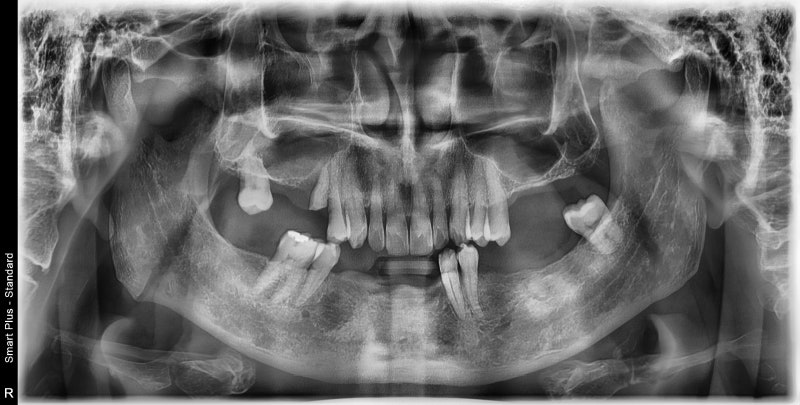
This patient bravely visited us, expressing a desire to stop using dentures, which they had worn since their youth.
Their dentures were old, and their occlusion was significantly misaligned, making it easy to imagine how uncomfortable eating must have been for them.
We first conducted an examination to restore the missing teeth in both the upper and lower jaws.
The patient had lived for a long time with extracted molars before getting dentures, resulting in a misaligned occlusal plane for the molars.
After a long time since the extractions, there was not much residual bone left. Looking at the residual bone in the upper jaw:
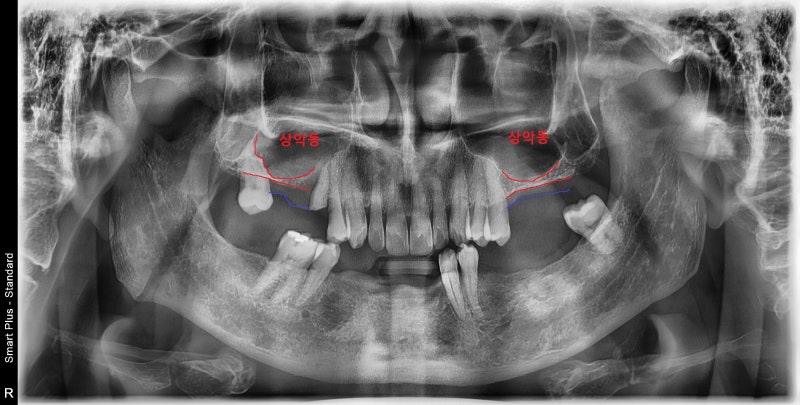
The area marked with a red line is the remaining residual bone. Above it is the empty space of the maxillary sinus (paranasal sinus).
The blue line indicates the gum thickness from the residual bone, and due to long-term denture use, the gums were also very thin.
Our clinic always takes 3D CT scans for accurate diagnosis, even for simple implant procedures.
Of course, for such complex surgeries, CT is essential.
To understand the positional relationship more accurately, referring to the CT images:
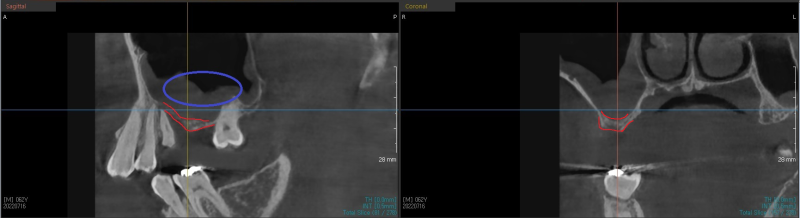
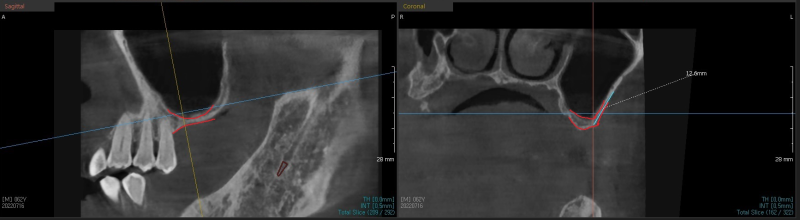
The residual bone on both the left and right sides was thin, measuring 2-3mm. On the right side, however, inflammation from a remaining root caused thickening of the sinus membrane (blue circle). We decided to calm the inflammation and then proceed with surgery, so we operated on the left side first.
There are two approaches to sinus lift surgery:
‘Vertical approach’‘Lateral approach’
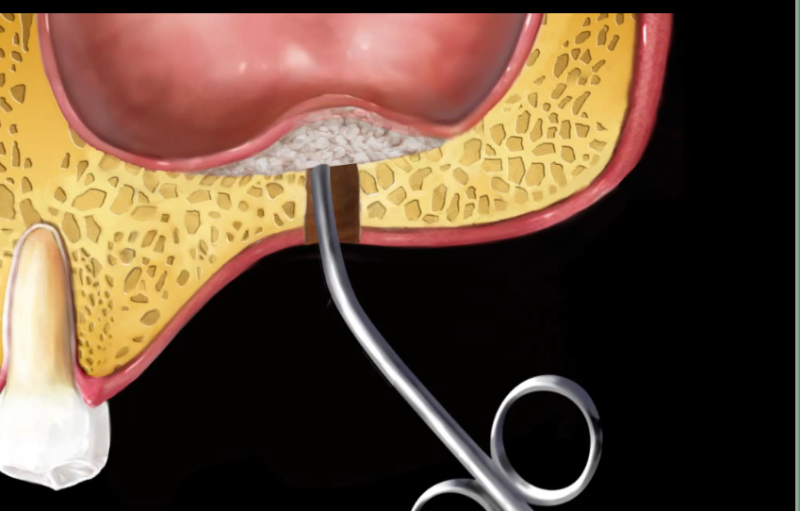
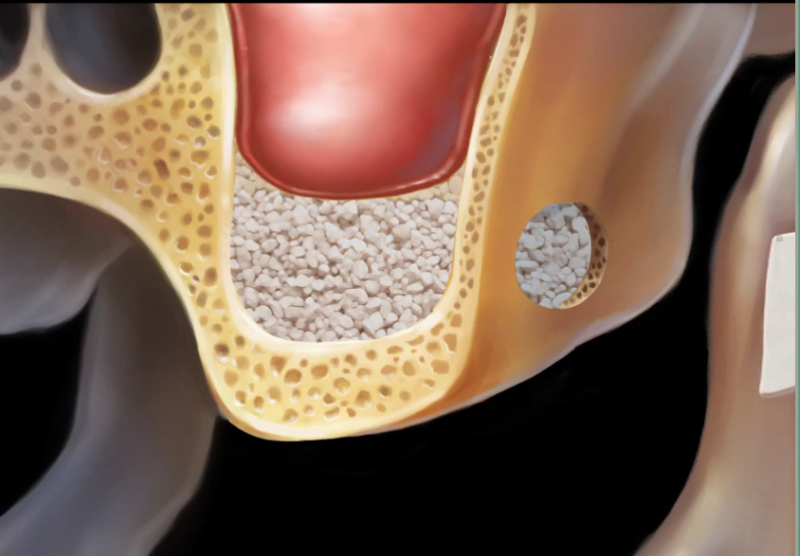
First, the vertical approach is used when there is sufficient residual bone or when the amount of alveolar bone grafting is not extensive.
It is performed simultaneously with implant placement in the same direction, so it relatively does not take a long time.
The lateral approach is used when there is very little residual bone, requiring extensive alveolar bone grafting, or when placing multiple implants.
This method involves a larger gum incision and bone removal, leading to longer surgery times and accompanying swelling and pain after the procedure.
In actual cases, the choice is made considering various situations.
In this case, we chose the lateral approach for both sides.
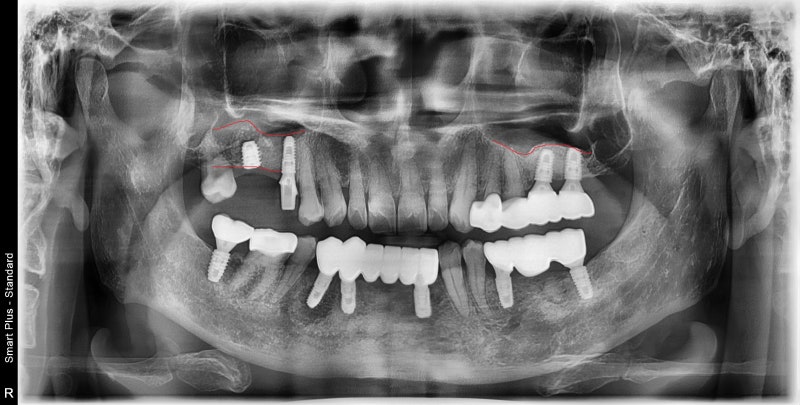
This is a post-operative photo.
Because we waited a long time for the right side, the rest of the implant treatment was completed during that waiting period.
When there is little residual bone, as in this case, the initial stability of the implant is weak, so a longer waiting period is required than in typical cases.
Although some of the graft material is absorbed over time, we can see a significant increase in bone compared to the initial examination photos.
Some areas are still maintaining temporary teeth, and we are waiting a bit longer for the right molars due to weak stability.
The patient is very satisfied, saying that eating is much, much more comfortable than when they used dentures.
And, seeing them gain a little weight each time they visit, I feel proud to myself, thinking, ‘Now they are eating well’^^
As with all treatments, this is not the end; we are conducting follow-ups for ongoing maintenance and care.
In addition to this, alveolar bone grafting (bone grafting) is used in various other situations.
Today, we briefly learned about sinus lift surgery.
I hope this information helps you understand a little more before undergoing surgery.
Thank you^^
Frequently Asked Questions
What is sinus lift surgery?
Sinus lift surgery is a procedure performed when there is insufficient residual bone in the upper jaw, making implant placement difficult. It involves grafting bone to create sufficient height for implant placement. It is primarily applied when there is a lack of bone in the upper molar area.
When is bone grafting necessary for implants?
Bone grafting for implants is necessary when there is insufficient residual bone due to a long time since extraction, or when the existing bone is too thin, making initial implant stability difficult. The use of graft material varies depending on the bone's location and condition.
What are the two approaches to sinus lift surgery?
There are two approaches to sinus lift surgery: the vertical approach and the lateral approach. The vertical approach is used when there is sufficient residual bone, while the lateral approach is used when there is very little residual bone, requiring extensive grafting.
Is there significant pain or swelling after sinus lift surgery?
With the lateral approach, a larger gum incision and bone removal are involved, which can lead to longer surgery times and accompanying swelling and pain after the procedure. The vertical approach may result in less pain.
How long is the recovery period after implant surgery with bone grafting?
When alveolar bone grafting is performed due to insufficient residual bone, the initial stability of the implant is weak, requiring a longer recovery period than in typical cases. Time is needed for the graft material to solidify into bone.
Why is 3D CT scanning important for implant surgery?
3D CT is essential for accurate diagnosis in complex implant surgeries. It allows for precise assessment of residual bone volume, sinus condition, presence of inflammation, and other positional relationships, enabling safe and successful surgical planning.