2026-07-14
Post-Double Eyelid Surgery Precautions and Swelling/Bruising Management
Learn how to manage swelling and bruising after double eyelid surgery with tips on cold/warm compresses, diet, posture, and avoiding certain supplements.

Double eyelid surgery is one of the most popular procedures sought after when the weather gets chilly and during vacation seasons. This surgery involves excising a portion of the eyelid tissue and suturing the skin and muscles to create a double eyelid line, thereby enlarging the eyes. Naturally, swelling occurs after double eyelid surgery, which involves creating an incision in the tissue. Many people are concerned about this post-operative swelling. While swelling varies depending on an individual's constitution, initial management can accelerate its reduction. Today, we will share methods to quickly reduce swelling and bruising.
1. Compresses (Cold and Warm)

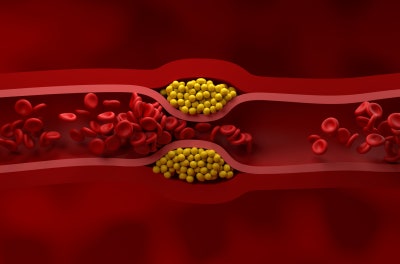
After double eyelid surgery, it is advisable to refrigerate the cold compress pack received from the hospital to lower its temperature, then place gauze or non-woven fabric over it and apply it to the tissue around the surgical site to cool it. When our body temperature drops, blood vessels constrict. These blood vessels can be seen as the pathway for swelling. When this pathway narrows, blood vessels constrict, which can help alleviate swelling.
Conversely, warm compresses can be effective for reducing bruising. Just as blood vessels constrict when the temperature drops, they expand when the temperature rises. Bruising is caused by pooled blood, and for the bruise to disappear, the pooled substance must drain. Therefore, increasing the temperature to expand blood vessels helps the substance to drain.
However, warm compresses can induce swelling. To achieve both swelling and bruising relief simultaneously, it is best to alternate between cold and warm compresses. For the first three days after surgery, cold compresses are recommended. After that, alternating between cold and warm compresses is considered the most desirable method.
2. Diet


The food you consume after double eyelid surgery can also affect swelling. If you eat salty or spicy foods high in sodium, the concentration of salt in your body will increase. To dilute this, your body will draw in water, which can lead to fluid accumulation at the surgical site, thereby increasing swelling. Therefore, it is best to avoid spicy or salty foods after surgery and instead consume foods that promote smooth oxygen supply within blood vessels, which can help alleviate swelling.
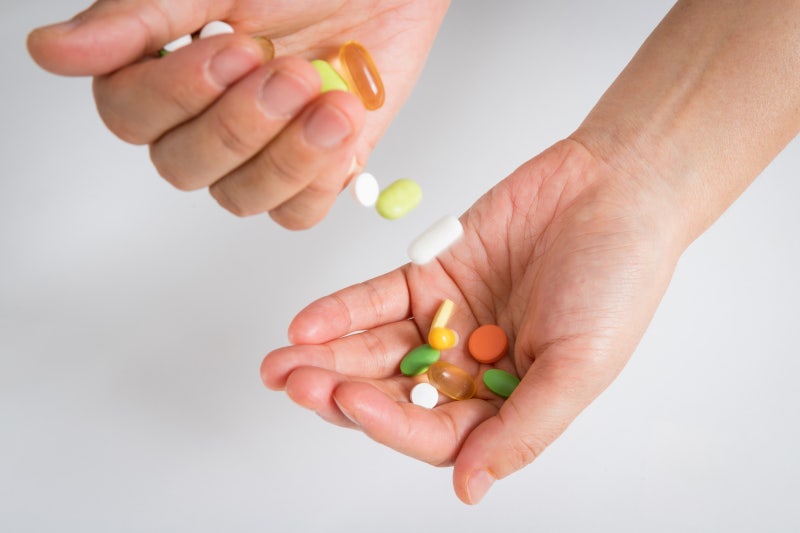
Additionally, supplements commonly known to be good for blood circulation, such as Omega-3, ginkgo leaf, nattokinase, and arginine, have blood-thinning properties that can hinder swelling reduction. Therefore, it is advisable to stop taking them at least one week before surgery to help alleviate swelling.
3. Posture


The posture you adopt while resting after double eyelid surgery also significantly affects swelling. Blood circulation in our body is driven by heart contractions. If the surgical site is kept lower than the heart, blood can pool more due to both the heart's pumping action and gravity. Therefore, after surgery, it is helpful to place 2-3 pillows behind your back to elevate the surgical site above your heart while resting, which aids blood circulation and thus reduces swelling.
Additionally, light walks can promote blood circulation and further help reduce swelling, but it is best to avoid strenuous exercise that causes sweating. During daytime walks, prolonged exposure to ultraviolet (UV) rays can cause hyperpigmentation or prevent scars from healing cleanly, so it is advisable to use items that block UV rays. However, directly applying sunscreen to the surgical site to block UV rays should be avoided as it can irritate the wound.
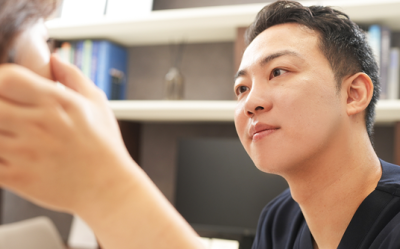

To achieve the best results from double eyelid surgery, consistent long-term care is crucial, not just during the initial recovery period. Continuous attention is needed for at least 3 months and up to 1 year after surgery, as subtle changes can occur in the stimulated eyelid tissue. Excessive rubbing or applying pressure to the eyes should be avoided. However, management methods and precautions may vary in detail depending on the hospital, individual constitution, or specific case, so it is accurate to follow the instructions of your surgeon. The best results can be achieved when these three elements are in place: thorough consultation with a specialist, precise surgery, and diligent post-operative care.



Frequently Asked Questions
How should I apply compresses after double eyelid surgery?
For the first 3 days after double eyelid surgery, it is best to apply cold compresses. After that, alternating between cold and warm compresses can help alleviate swelling and bruising.
What dietary habits help reduce swelling after surgery?
Yes, it is advisable to avoid salty or spicy foods after surgery. This helps prevent fluid retention in the body, aiding in swelling reduction. Consuming foods that promote good blood circulation is also beneficial.
Are there any supplements to avoid after double eyelid surgery?
Yes, supplements with blood-thinning properties, such as Omega-3, ginkgo leaf, nattokinase, and arginine, should be discontinued at least one week before surgery to help reduce swelling.
What is the best sleeping posture after surgery?
When resting after surgery, it is best to keep the surgical site elevated above your heart. Placing 2-3 pillows behind your back can prevent blood from pooling at the surgical site and help reduce swelling.
When can I start exercising or walking after double eyelid surgery?
Light walks can promote blood circulation and help reduce swelling. However, it is best to avoid strenuous exercise that causes sweating, and during daytime walks, pay attention to UV protection.
Can I rub my eyes after double eyelid surgery?
No, for at least 3 months and up to 1 year after surgery, you should avoid excessively rubbing or applying pressure to your eyes. This is because it can cause subtle changes in the eyelid tissue.