2026-07-20
[Eye Health] Lutein, a good nutrient for eyes: What's the daily intake?
Lutein is a pigment essential for macular function, acting as an antioxidant and blue light filter. It cannot be synthesized by the body, so it must be supplemented through diet or supplements. The recommended daily intake is 6-20mg.
![[Eye Health] Lutein, a good nutrient for eyes: What's the daily intake?](/uploads/smileeye2019/221732252851/afade3a7fb35361c.png)
Lutein: Unveiling the Secret to Vision Protection!
Hello. This is Gangnam Smile Eye Clinic, helping you rediscover the happy smile that comes from the joy of seeing!
You're all familiar with lutein, widely known for its benefits to eye health, aren't you?
But do you know exactly what aspects of lutein are good for your eyes?

Lutein is a pigment found in the macula lutea, which is crucial for vision, and it is also an essential nutrient for the entire body, including the brain, skin, and heart.
Just because lutein is abundant in the eyes doesn't necessarily mean it's good for them.
Lutein is important because it is essential for maintaining the function of the macula, where photoreceptor cells are densely packed. Let's explore how it helps macular function.
1. Antioxidant Action

Antioxidation means reducing harmful reactive oxygen species in the body.
Oxygen is essential for humans, so why should we reduce reactive oxygen species?
It's because reactive oxygen species attack normal cells, causing aging and disease.
Lutein prevents eye aging through its rich antioxidant action.
2. Blue Light Blocking
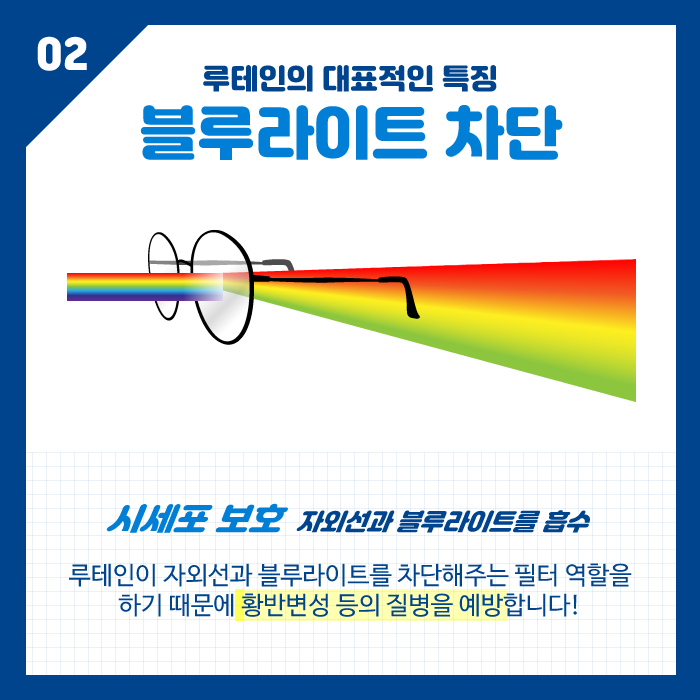
UV rays are harmful to the eyes and cause various diseases (such as cataracts and macular degeneration).
Blue light (blue visible light), which is close to UV rays, is also thought to have a negative impact on the eyes.
Lutein acts as a filter in the eye, blocking UV rays and blue light, which is why it's sometimes called ‘sunglasses in the eye’.
3. An Essential Nutrient That Must Be Supplemented
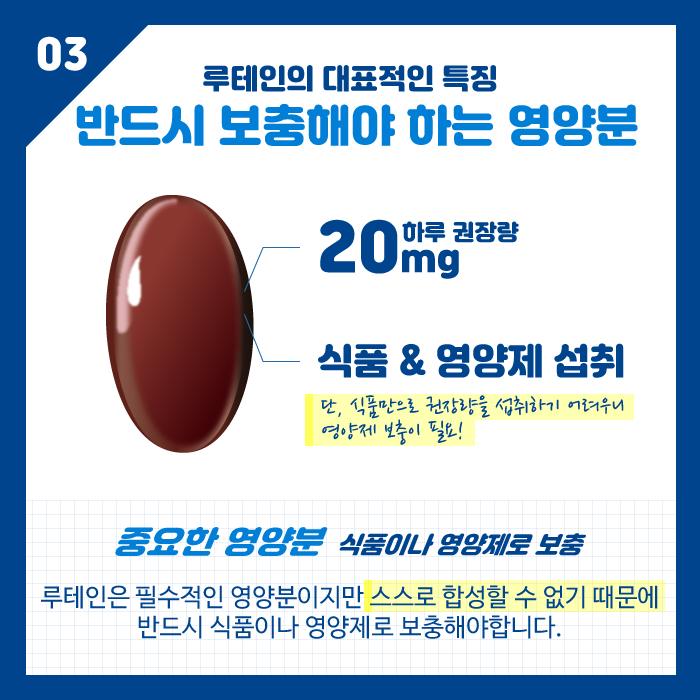
Lutein is an essential nutrient for various tissues, including the macula, but it cannot be synthesized by the body itself, so it must be supplemented through food or nutritional supplements.
It is difficult to consume the recommended amount (6-20mg) solely from lutein-rich foods (green leafy vegetables and egg yolks).
Prevent Eye Aging and Macular Degeneration with Lutein!
We've explored various facts about lutein that many have heard of but didn't fully understand.
To maintain our precious vision healthy for a long time, take sufficient lutein.
At Smile Eye Clinic, you can receive detailed consultations on macular degeneration and eye nutritional supplements.





Frequently Asked Questions
What kind of nutrient is lutein?
Lutein is a pigment found in the macula, which is most important for vision, and it is an essential nutrient for maintaining macular function. It is also an essential nutrient for the entire body, including the brain, skin, and heart.
How does lutein help eye health?
Lutein provides rich antioxidant action that prevents eye aging. It also acts as a filter in the eye, blocking UV rays and blue light, thereby contributing to eye health.
Why must lutein be supplemented?
Lutein is an essential nutrient for various tissues, including the macula, but our bodies cannot synthesize it on their own. Therefore, it must be supplemented through food or nutritional supplements.
What foods are rich in lutein?
Foods rich in lutein include green leafy vegetables and egg yolks. However, it can be difficult to consume the recommended amount (6-20mg) solely from these foods.
What is the recommended daily intake of lutein?
The recommended daily intake of lutein is typically 6-20mg. It can be challenging to meet this recommendation solely through foods like green leafy vegetables or egg yolks, so considering supplements may be beneficial.