2025-04-18
Postpartum Breast Augmentation: Concerned About Sagging After Breastfeeding?
Breast sagging is a common physical change, especially after childbirth and breastfeeding. This article explores its causes, non-surgical management, and medical options like postpartum breast augmentation.
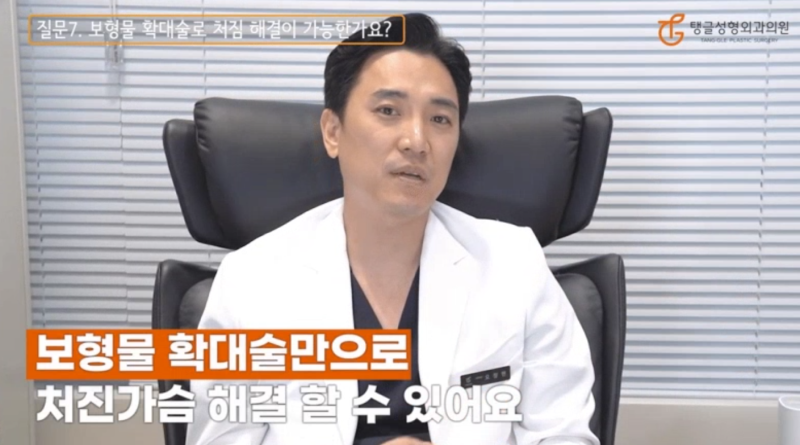
Breast sagging is
one of the common physical changes
women experience.
It is particularly noticeable
in women who have experienced
childbirth and breastfeeding.
In this article, we aim to provide objective information
on the various causes and management methods
of breast sagging.
1. Common Causes of Breast Sagging
Breast sagging is not simply a problem of aging;
it is a phenomenon influenced by multiple factors
acting in combination.
Key causes include
the following points:
First, if the breasts are large and heavy,
they are more susceptible to the effects of gravity,
leading to sagging.
Second, rapid weight changes also
affect breast sagging.
When weight significantly increases and then decreases,
skin elasticity can decline,
resulting in sagging.
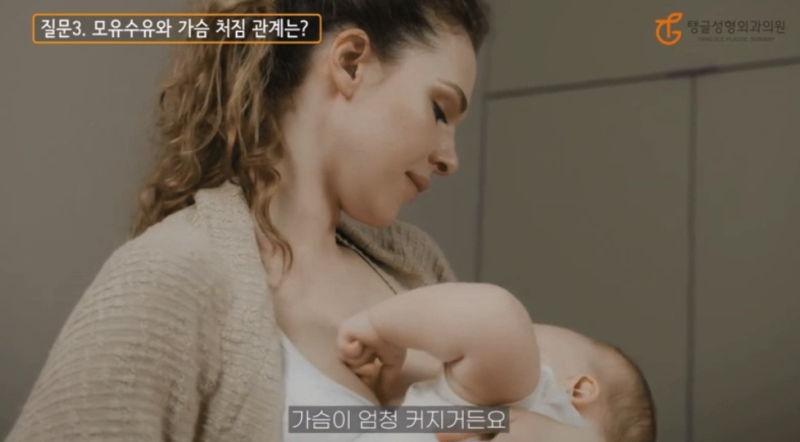
Third, the process of childbirth and breastfeeding
brings about changes in the breasts.
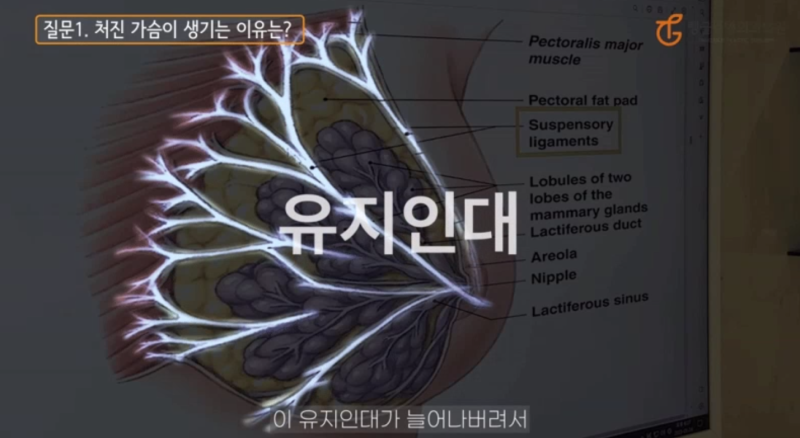
During pregnancy, hormonal influences cause
mammary gland tissue to develop and breasts to enlarge.
However, after childbirth and the completion of breastfeeding,
the mammary gland tissue shrinks again,
often leaving the skin and ligaments in a stretched state.
Experiencing breast sagging after
undergoing this process is a natural phenomenon.
Finally, as one ages,
components that maintain elasticity, such as collagen and elastin,
decrease, leading to a general reduction in skin elasticity.
Consequently, the breasts also
naturally sag.
2. Managing Breast Changes After Childbirth
Before considering postpartum breast augmentation,
there are also non-surgical methods
to manage these changes.
Exercises such as push-ups, chest presses,
and flies can be helpful.
However, it is important to recognize that exercise alone
may not fully restore already stretched
skin and ligaments.
Wearing a bra of the appropriate size
is also important.
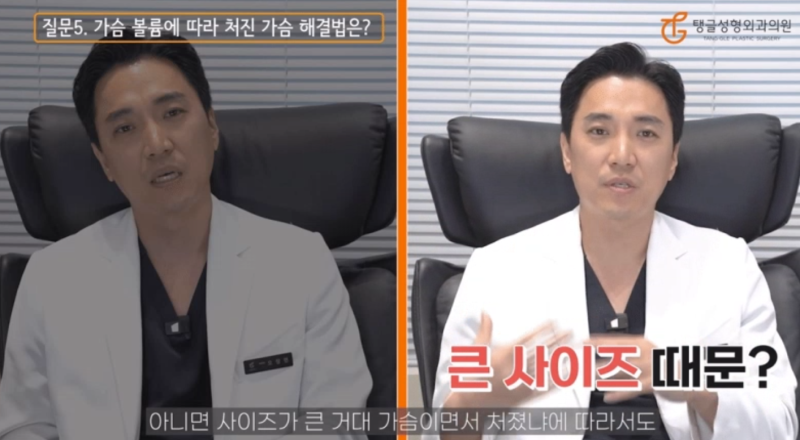
Especially after childbirth, breast size
can change, so it is essential to measure your size accurately
and wear a suitable bra.
Wearing a sports bra during exercise
to provide good breast support can be beneficial.
Skin care is also crucial; proper hydration,
adequate nutrition, and sufficient water intake
help maintain elasticity.
Consuming collagen-rich foods and foods containing
vitamins C and E is also recommended.
3. Medical Approaches to Breast Sagging
If breast sagging is severe and causes discomfort
in daily life, medical consultation may be considered.
Postpartum breast augmentation includes various methods
to improve the position and shape of the breasts.
The appropriate method may vary depending on the degree
of breast sagging and the individual's condition.
If there is a lack of breast tissue itself,
autologous fat grafting or implants may be considered.
In cases of severe sagging,
a breast lift (mastopexy) that elevates the breast tissue and skin
can be considered.
When considering postpartum breast augmentation,
it is important to allow sufficient recovery time.
It is generally recommended to wait at least 6 months
after completely finishing breastfeeding.
This is to ensure that hormone levels stabilize
and breast tissue is in a stable state before the procedure.
4. Considerations Related to Postpartum Breast Augmentation
When considering postpartum breast augmentation,
scars may remain depending on the incision site and method.
Incision locations vary, including around the areola,
the inframammary fold, and the armpit, and are determined
based on the individual's condition and needs.
During the recovery period, daily life and childcare activities
may be restricted, so it is important to create an environment
where you can receive sufficient help.
Typically, strenuous activities should be avoided for 2-3 weeks post-surgery,
and activities such as lifting heavy objects may need to be restricted
for up to about 6 weeks.
If you plan for future pregnancies,
you should consult with your doctor.
This is because if you become pregnant again after
postpartum breast augmentation, breast changes
may occur again.
Childbirth brings various changes to a woman's body,
and breast sagging is one of them.
Before considering postpartum breast augmentation,
it is advisable to allow sufficient recovery time
and try non-surgical methods first.
However, if you experience discomfort in daily life
or if it affects your self-confidence,
it is important to consult with a specialist
to find the management method that is right for you.
Remember that breast sagging is a natural phenomenon,
and it does not determine an individual's worth.
What is important is to manage your body
in a way that makes you feel comfortable.