2026-02-23
Nose that wanted alar reduction but shouldn't have! Why the nasal tip came first | SH Plastic Surgery
A case where a patient desired alar reduction, but nasal tip correction and nasolabial angle improvement were prioritized for a natural outcome.
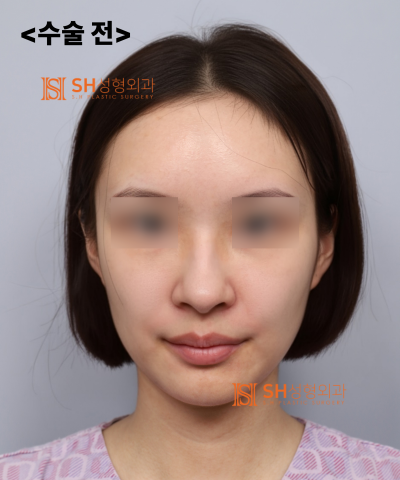
A patient visited us considering alar reduction, but in reality, the nasal tip structure was the priority over the alar base. If the nasal tip is large and the alar base is small, proceeding with alar reduction first can make the impression look unnatural. This article, based on actual consultations and before-and-after photo analysis, explains with anatomical and academic evidence why nasal tip correction and nasolabial angle improvement were necessary for this patient, rather than alar reduction.
Hello.
I am Dr. Kim Sung-hoon, director of SH Plastic Surgery, a facial designer.
‘I want to look prettier with a quick recovery of about two days. I came thinking about alar reduction.’
This is a common request I hear in the consultation room.
A short recovery period, a seemingly less burdensome surgery.
That's why many people consider alar reduction first.
However, this patient's nose was close to a structure where alar reduction should not be performed.
CASE
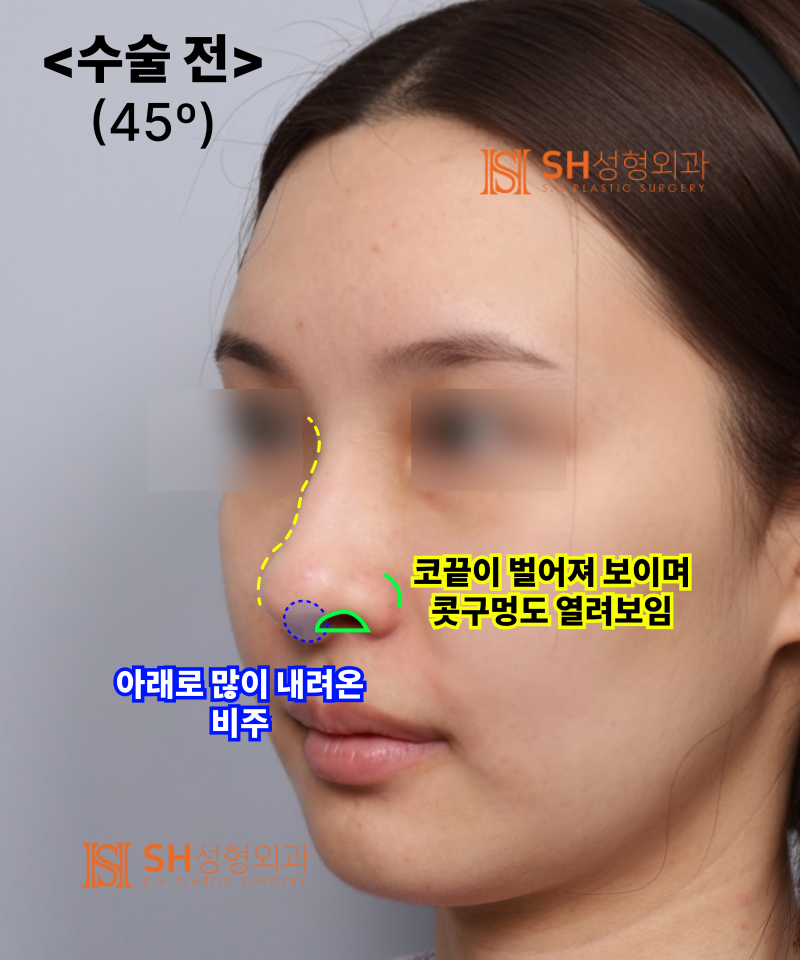
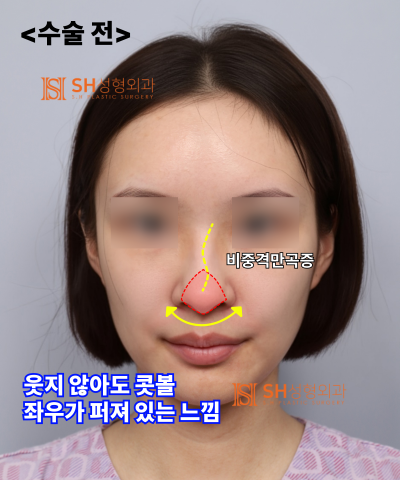
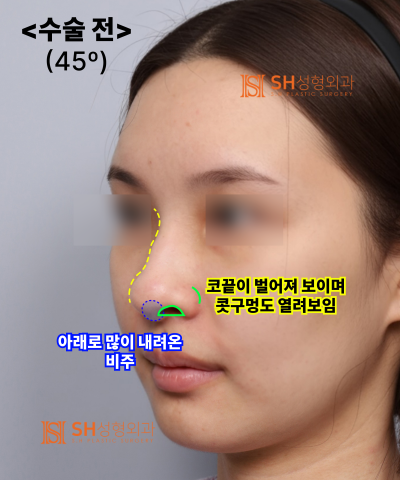
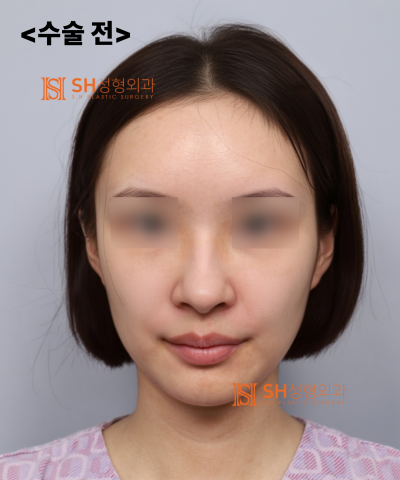
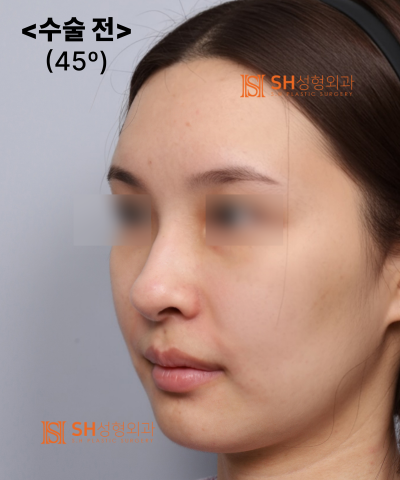
<Front View>
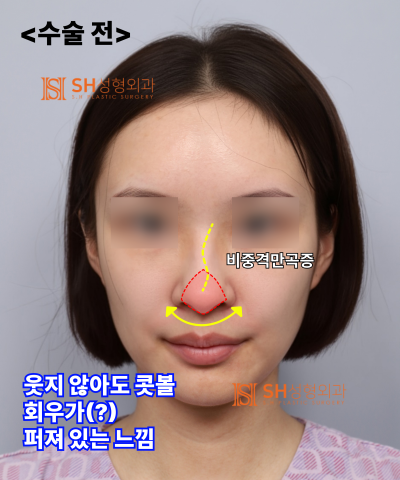
- Nasal tip appears round and wide (tip bulbosity)
- Nasal tip-to-alar base ratio is large or similar
- Columella appears almost invisible or short
- Alar base seems spread out horizontally even without smiling

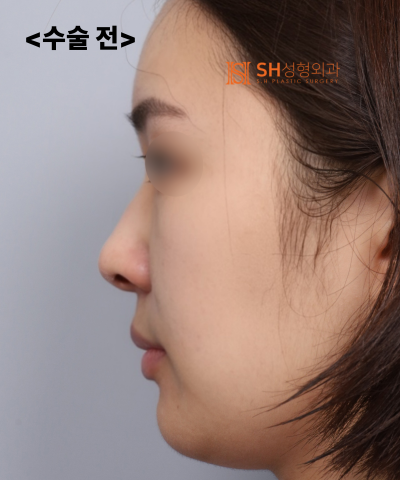
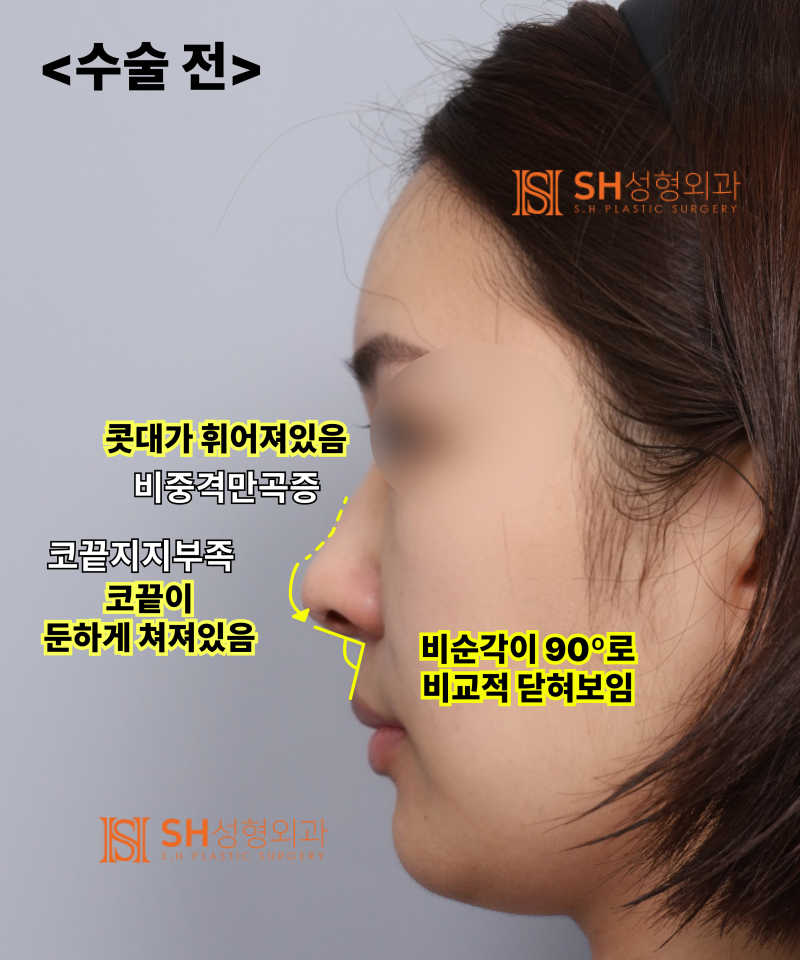
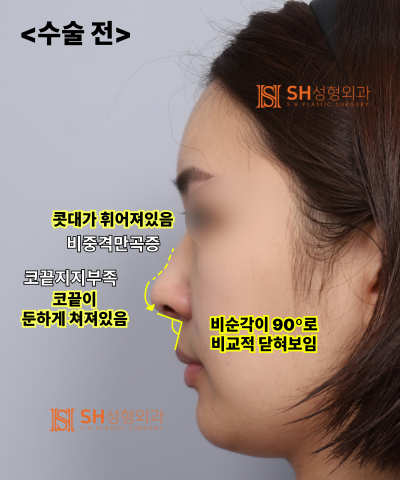
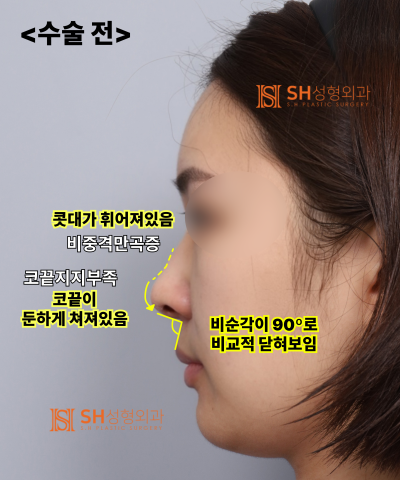
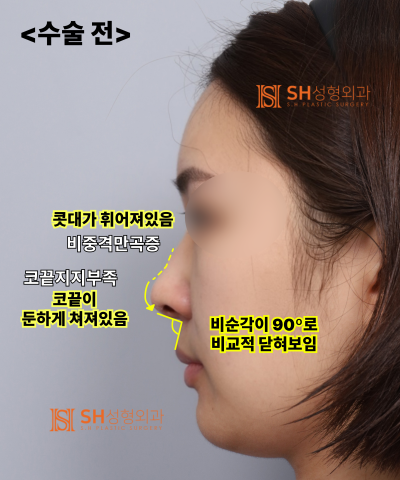
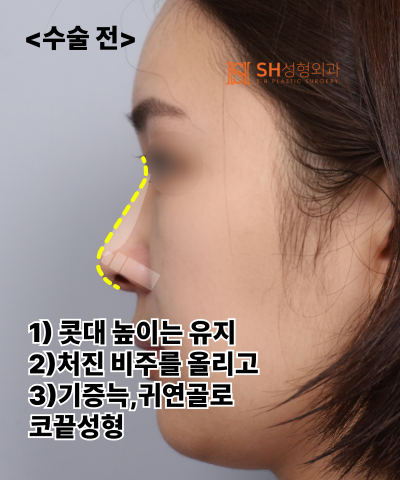
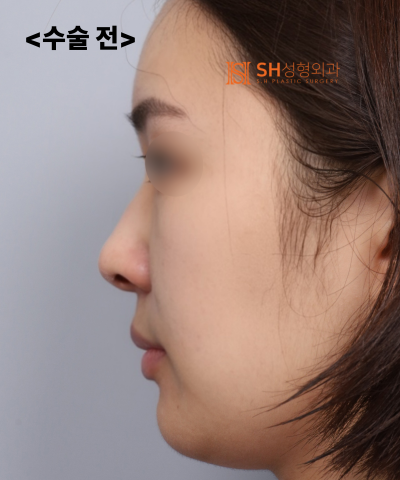
<Side View>
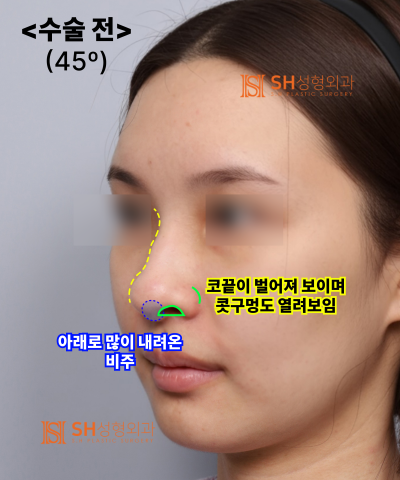
- Before surgery, the angle appears closed and the nasal tip seems to drop towards the mouth
- Nasal tip is dull and droopy
- Bridge of the nose seems present, but the tip feels like it's bending downwards
- Commonly referred to as a ‘nose that descends from the tip’
- Nasal bridge line is present, but it doesn't flow naturally into the tip and appears bent
Key Diagnostic Points During Consultation
‘The problem wasn't the alar base; the nasal tip was the focus.’
The structural characteristics identified through consultation and examination were as follows:
- Alar base itself is not large
- Instead, the nasal tip is large, and its center of gravity is shifted downwards
- Columella appears droopy, and the nasolabial angle appears closed
- From the side, the bridge of the nose is present, but the tip gives a drooping impression
- Accompanied by septal deviation
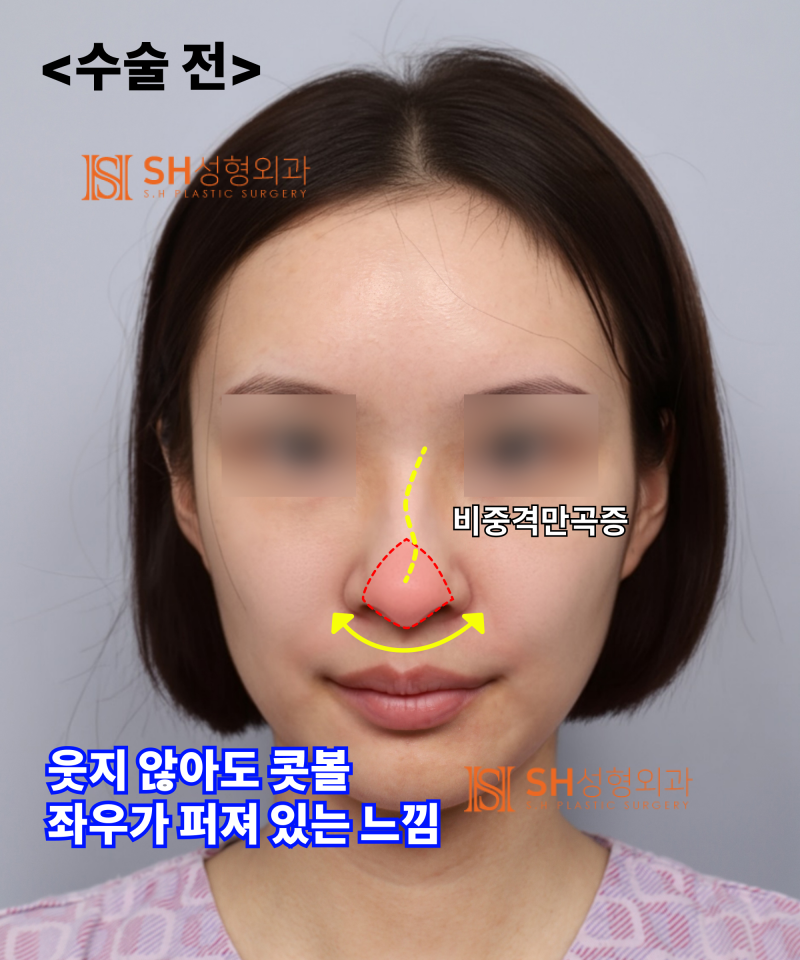
If alar reduction is performed first on this structure,
the alar base may appear smaller from the front,
but the dullness of the nasal tip will be further emphasized,
and there's a high probability that the overall facial proportions will become awkward.
This is a point commonly highlighted in rhinoplasty textbooks and numerous international papers.
Pre-operative Analysis
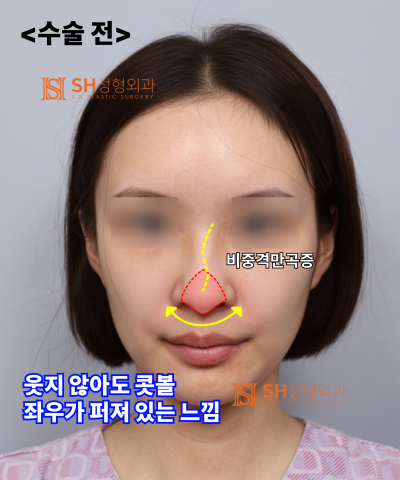
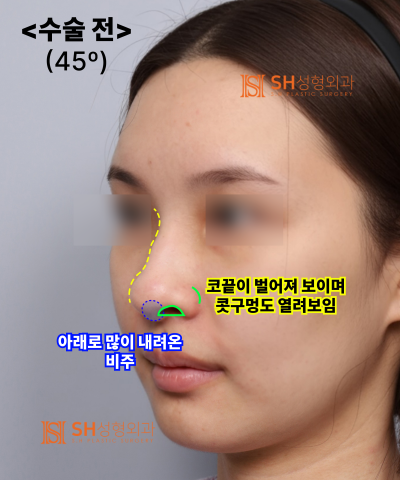
- Front: Nasal tip width is more emphasized than alar base
- Side: Reduced nasolabial angle, downward drooping of the nasal tip
- Nasal bridge – due to septal deviation, the nasal tip line appears interrupted in the middle
Key judgment at this stage:
‘A nose that should not undergo alar reduction’
Why was the nasal tip prioritized over alar reduction?
There are two reasons why the alar base might appear wide:
- The alar skin and cartilage are actually large.
- The nasal tip support is weak, causing the center to collapse.
This patient fell into category 2.
The structure supporting the nasal tip was weak,
causing the center of the nose to shift downwards,
and as a result, the alar base appeared relatively emphasized from the front.
In such cases,
instead of reducing the alar base,
👉the nasal tip must be corrected first
for the alar base proportions to naturally align as well.
Surgical Plan and Actual Surgical Details
Thorough pre-operative explanation
- Nasal tip cannot be excessively raised
- Structurally, surgery focused on improving proportions is needed rather than dramatic changes
- Recovery period, tape/nasal packing removal times all pre-informed
Actual Surgery (OP) Details
- Performed under sedation
- Nasal tip structure reorganized
- Central support secured using septal cartilage
- Nasal tip shape supplemented using ear cartilage
- Unnecessary tissue removed
- Correction aimed at alleviating the impression of a long nose
- Droopy columellar skin tidied upwards
- Alar reduction was intentionally not performed.
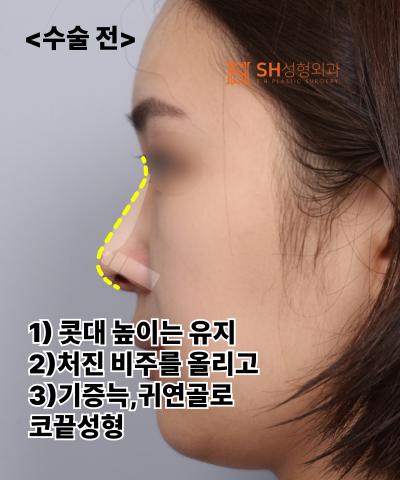

Image Points (Post-operative Changes)
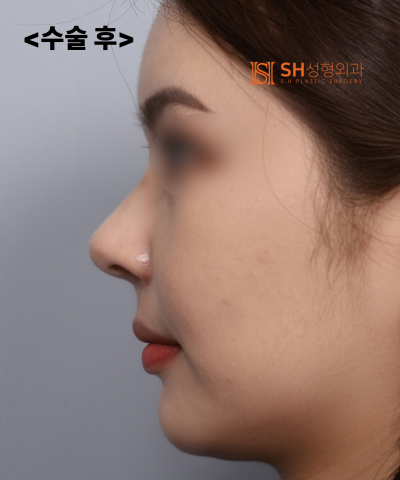
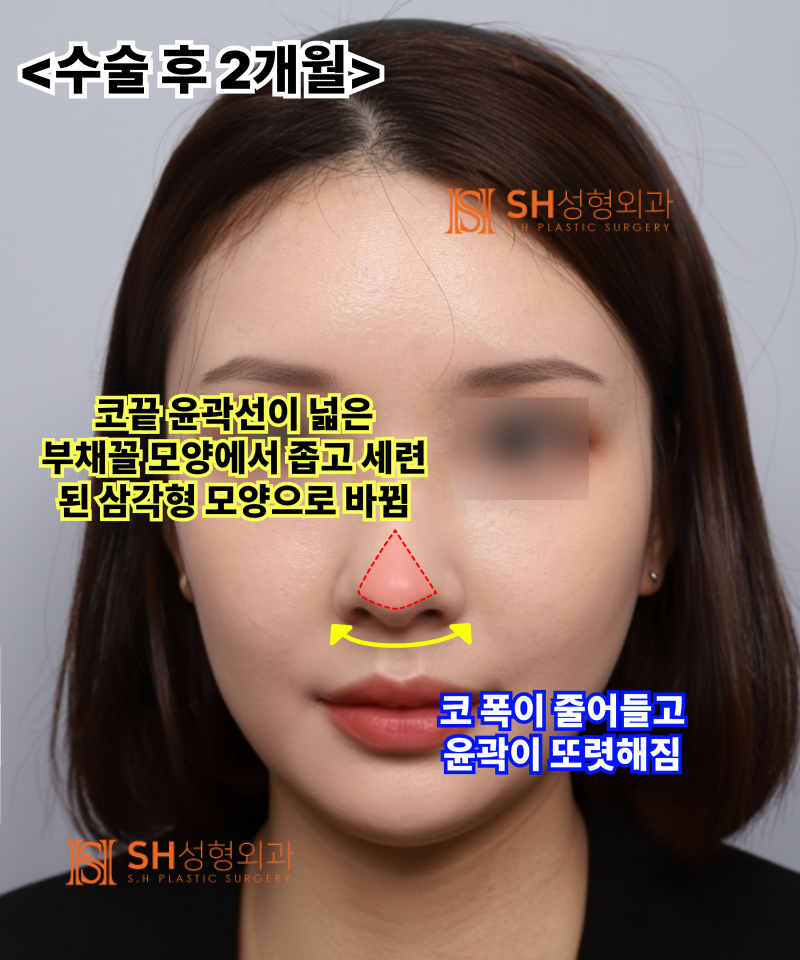
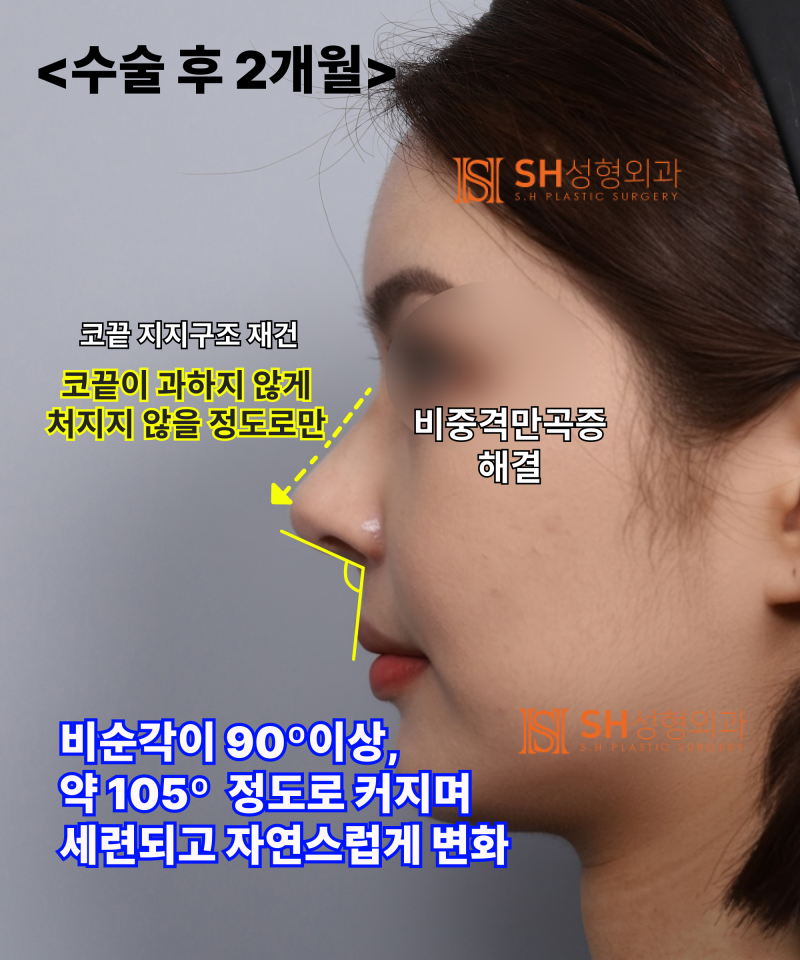
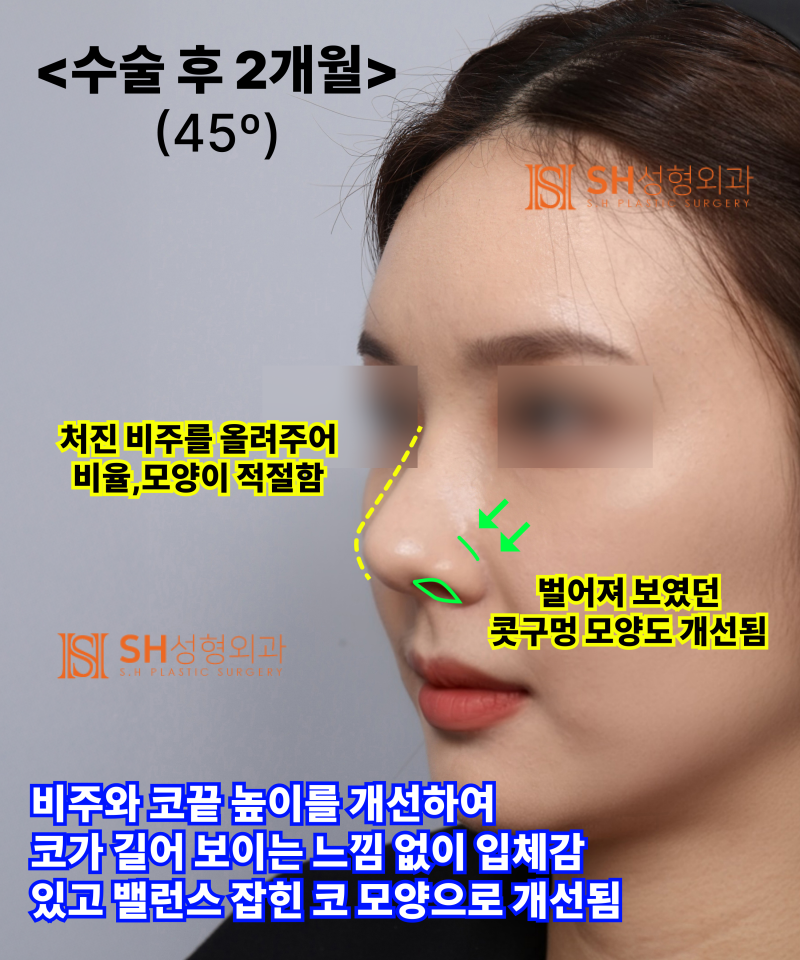
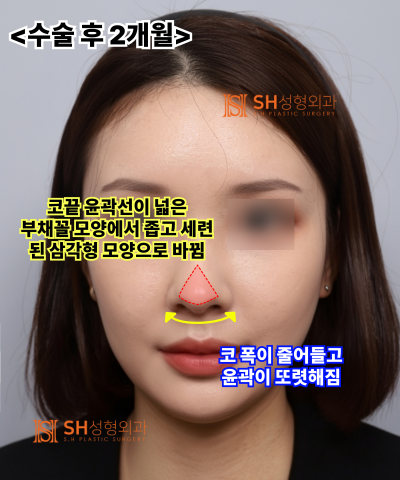
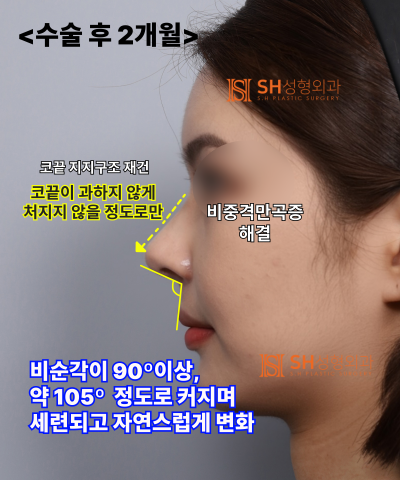
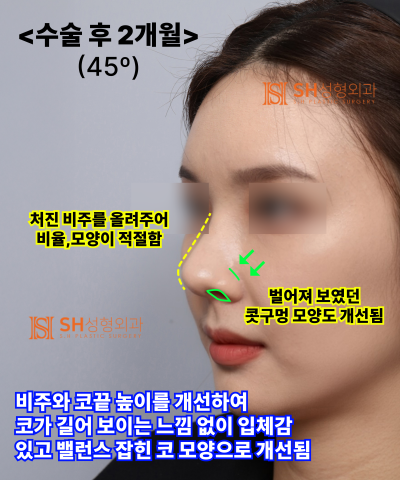
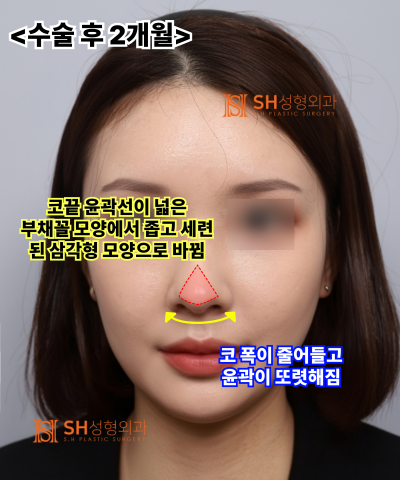
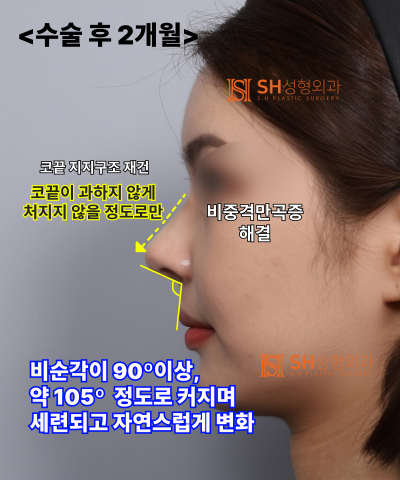
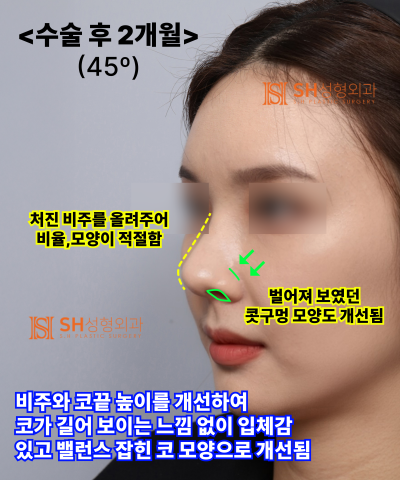
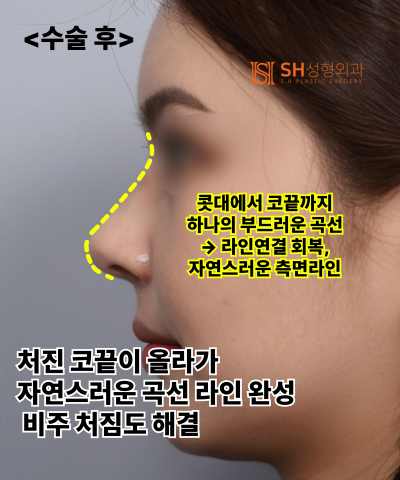
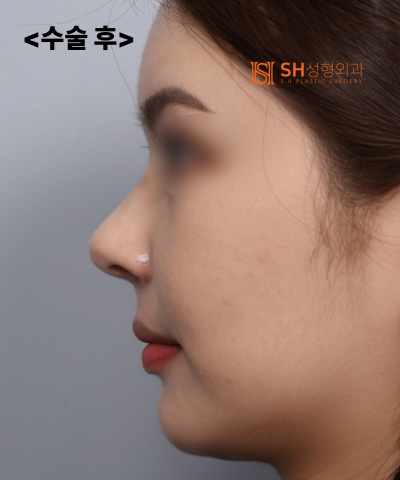
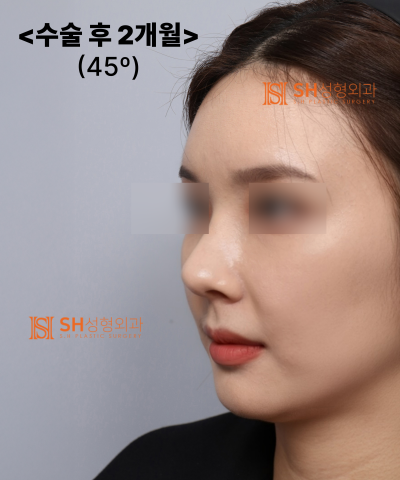
[1-2 months post-surgery front and side views]
- Nasal tip support restored, nasolabial angle naturally opened
- Completion of the curve from nasal bridge → nasal tip → philtrum
- Even without reducing the alar base, the frontal impression appears much more refined.
Dr. Kim Sung-hoon's Surgical Reflection
Alar reduction is by no means a minor surgery.
Especially if the nasal tip structure is compromised and only the alar base is reduced,
the overall proportions can become even more awkward.
In this patient's case, the alar base was not the problem;
nasal tip support and the nasolabial angle were key.
I prioritize surgeries that establish the center of the nose
over surgeries that simply make the nose smaller.
When the nasal tip is stable, the alar base appears sufficiently refined even without excessive manipulation.
This is the most natural and long-lasting method.
FAQ
Q1. I only wanted alar reduction, do I really need to do the nasal tip?
A. Depending on the nasal tip structure, alar reduction can actually be counterproductive.
Q2. How long is the recovery period?
A. External tape can be covered with a mask, and nasal packing/ear tape are removed the next day.
Q3. Will the nasal tip be raised a lot?
A. In this case, the goal was ‘support and proportion’ rather than ‘height’.
Q4. Why is the nasolabial angle important?
A. The nasolabial angle is a crucial angle that simultaneously determines the impression of the nose and mouth.
Q5. Can alar reduction be done later?
A. If necessary, it can be considered in stages.
Q6. How should I consult for this type of nose?
A. Structural analysis based on front and side photos should be done first.
Conclusion
At SH Plastic Surgery,
we first advise on ‘surgeries that should not be done’
rather than ‘surgeries that patients want to do’.
Like this patient,
who came considering alar reduction
but actually needed nasal tip correction first,
correcting that sequence
leads to the most natural and safest results.

SH Plastic Surgery Clinic
Is #alarreduction possible without surgery?