2026-09-03
Is Short Nose Revision Surgery Due to Contracted Nose Appearing as a Snub Nose? Cases Requiring Revision Surgery
This article discusses short nose revision surgery, focusing on causes like contracture and structural issues that make the nose appear short or upturned. It covers when revision surgery is needed and important considerations for a successful outcome.
※ This article was written for the purpose of providing medical information.
It is not subject to deliberation under Article 56, Paragraph 2 and Article 57 of the Medical Act,
and is not an advertisement unrelated to the content of the deliberation.
Can revision surgery for a snub nose, contracted nose, or short nose be successful?
Hello,
I am Dr. Park Jeong-geun,
Director of Faceplus Plastic Surgery Clinic.

Why the nose appears short when contracture occurs
There are cases where, over time after nose surgery,
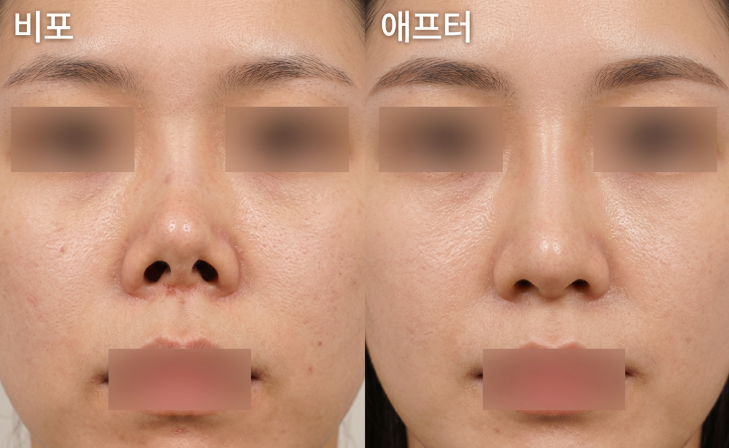
the nose gradually appears upturned
or shorter.
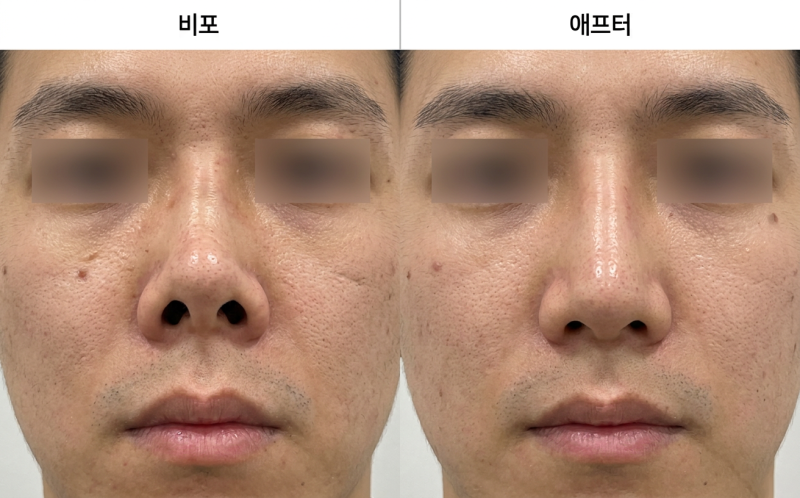
Especially when the nostrils are very visible from the front or the tip of the nose
feels strongly lifted upwards, it is often described as looking like a snub nose.
One of the causes of such a change is contracture.
Contracture refers to the phenomenon where scar tissue hardens and contracts after surgery,
pulling the skin and internal structures of the nose upwards.
As this process progresses, the tip of the nose may rise,
and the overall length may appear shorter.
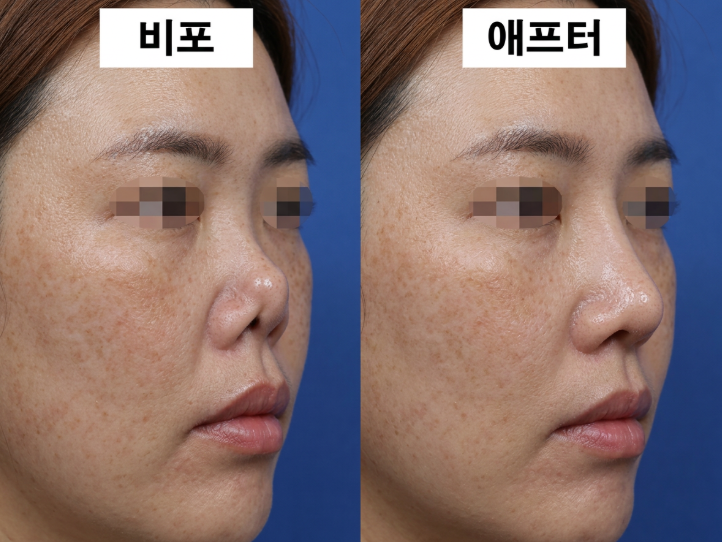
Similar appearances can also occur when implants or cartilage structures
are not sufficiently and stably supported.
Since the nose is located in the center of the face, even small
changes can significantly alter one's impression.
Another cause of a nose appearing like a snub nose
Not all cases of a nose appearing short are due to contracture.
If the tip support structure was not sufficiently created during the initial surgery,

or if the cartilage is weak, the tip of the nose may appear to rise over time.
In past nose surgery methods, there were many cases where only the bridge of the nose was raised
without sufficiently reinforcing the tip support structure,
so it is not uncommon for shape changes to appear over time.
Furthermore, in facial structures where the midface is relatively recessed,
the nose may appear even shorter.
Since the shape of the nose is determined in conjunction with the midface's support structure
in the center of the face, balance with surrounding structures is also an important factor.
Cases requiring revision surgery for a shortened nose
Revision surgery may be considered in the following situations:
1. When the tip of the nose is lifted upwards, and the nostrils are excessively visible. 2. When the length of the nose gradually shortens over time. 3. When there is a pulling sensation in the skin of the nasal tip or a hard contracture is palpable. 4. When the implant is visible or feels like it is moving. |
In revision surgery, creating a stable tip support structure
is more important than simply rebuilding the height.
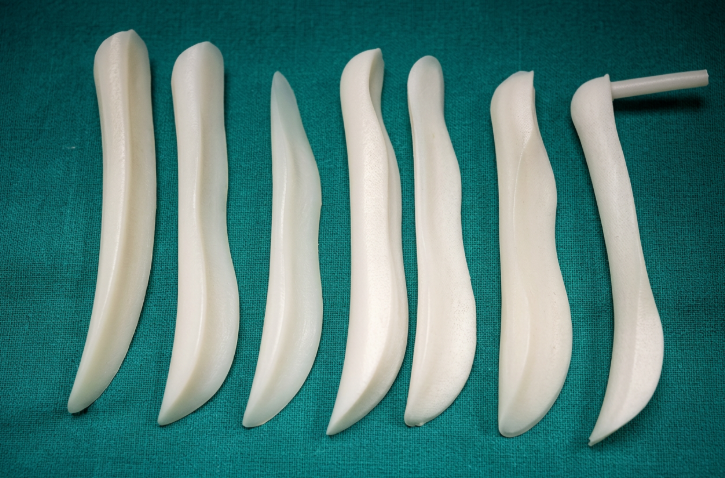
Depending on the case, autologous cartilage such as ear cartilage,
septal cartilage, or costal cartilage may be used
to support the nasal tip and secure its length.
Especially when support is insufficient, costal cartilage can be a helpful material.
Points to check when deciding on revision surgery
Nose revision surgery requires a more precise analysis of the structure than the first surgery.
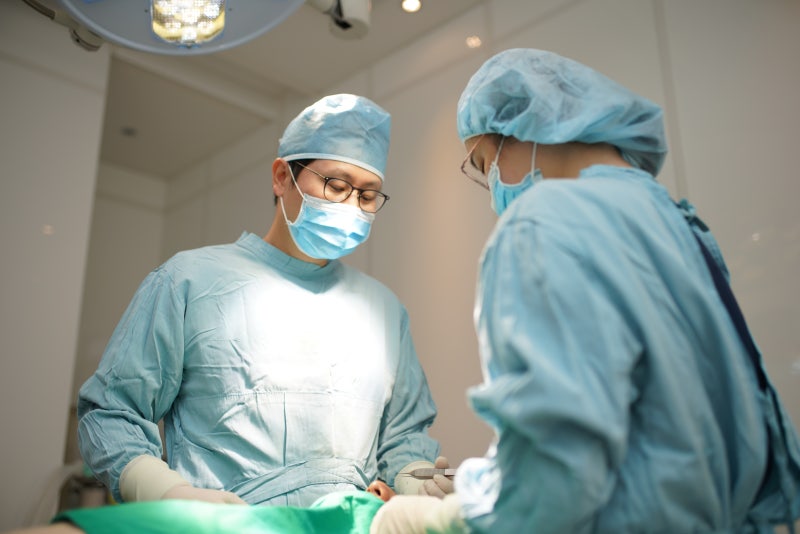
It is necessary to confirm the location of previously used implants, the condition of the cartilage,
skin thickness, and internal scar tissue.
For these reasons, CT scans are often performed during the consultation phase to check the internal structure.
Furthermore, in revision surgery, it's not just about rebuilding the nose height;
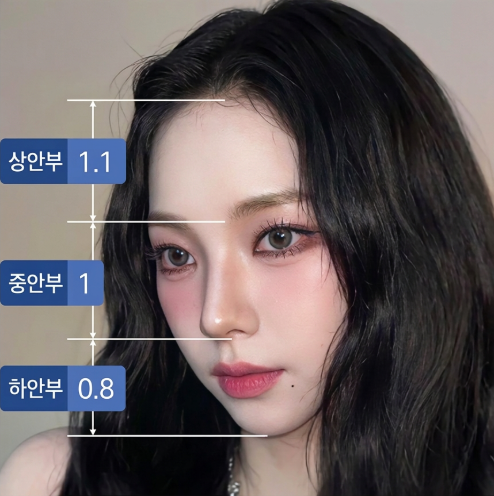
the overall facial balance and the tip support structure must be considered together
to expect natural results.
This is because the approach differs depending on whether the cause of the snub-nose appearance
is contracture or a structural problem.
Not all short-appearing noses are corrected in the same way.
It is important to accurately identify the cause and then plan for stable structural reconstruction.
-Operating Hours-
Weekdays 9:00 ~ 18:00 Saturdays 9:00 ~ 16:00 Holidays / Sundays Regular closure |
-Contact Us-
Faceplus Plastic Surgery Clinic | ||
Consultation Phone: 02-541-8500 Inquiries: KakaoTalk Inquiry |
-Directions-
Short nose revision surgery
Frequently Asked Questions
What are the main causes of a nose shortening after nose surgery?
One of the main causes of a nose shortening after nose surgery is contracture. Contracture is a phenomenon where scar tissue contracts after surgery, pulling the skin and internal structures of the nose upwards. Additionally, if the tip support structure was not sufficient during the initial surgery or if the cartilage was weak, the nose may appear short.
What is a contracted nose?
A contracted nose refers to a phenomenon where scar tissue hardens and contracts after nose surgery, pulling the skin and internal structures of the nose upwards, causing the nasal tip to rise and the overall length to appear shorter. This can make the nostrils appear excessively visible from the front or the nasal tip look like an upturned snub nose.
When is short nose revision surgery necessary?
Short nose revision surgery may be considered when the tip of the nose is lifted upwards, making the nostrils excessively visible, or when the length of the nose gradually shortens over time. Additionally, revision surgery may be necessary if there is a pulling sensation in the skin of the nasal tip or a hard contracture is palpable, or if the implant is visible or feels like it is moving.
What materials are used in short nose revision surgery?
In short nose revision surgery, autologous cartilage such as ear cartilage, septal cartilage, or costal cartilage may be used to create a stable tip support structure and secure its length. Costal cartilage can be a helpful material, especially when support is insufficient.
What important considerations should be checked before revision surgery?
Before revision surgery, it is necessary to precisely analyze the location of previously used implants, the condition of the cartilage, skin thickness, and internal scar tissue. For this reason, CT scans are often performed during the consultation phase to check the internal structure, and it is important to consider the overall facial balance and the tip support structure together.