2026-09-23
Is 1.0 (20/20) the Target for SMILE LASIK? How to Achieve Optimal Target Vision | Gangnam Eye Clinic
Discover why SMILE LASIK targets safe, personalized vision over arbitrary numbers, how pre-op testing defines outcomes, and tips for post-op care in Gangnam.
Hello.
We are Gangnam Smile Eye Clinic 😊💙
During SMILE LASIK consultations and post-operative follow-up visits, patients often ask common questions:
“What kind of vision can I achieve after SMILE LASIK?” “Can I see up to 1.5 (20/13)?” “If my vision is 1.0 (20/20) after surgery, is that considered a good result?”
In particular, when we inform patients during their post-operative vision test,
“Your current corrected vision is 1.0,”
some even ask back,
“Does it only reach 1.0?”
However, there is an important principle to understand here.
The goal of vision correction surgery is not simply to chase the highest possible number on the eye chart.
Today, we will explore the difference between
“target vision” and “corrected vision,” which many are curious about regarding SMILE LASIK,
and discuss what factors are essential to achieving optimal corrected vision after surgery.
What is “Target Vision” in SMILE LASIK?
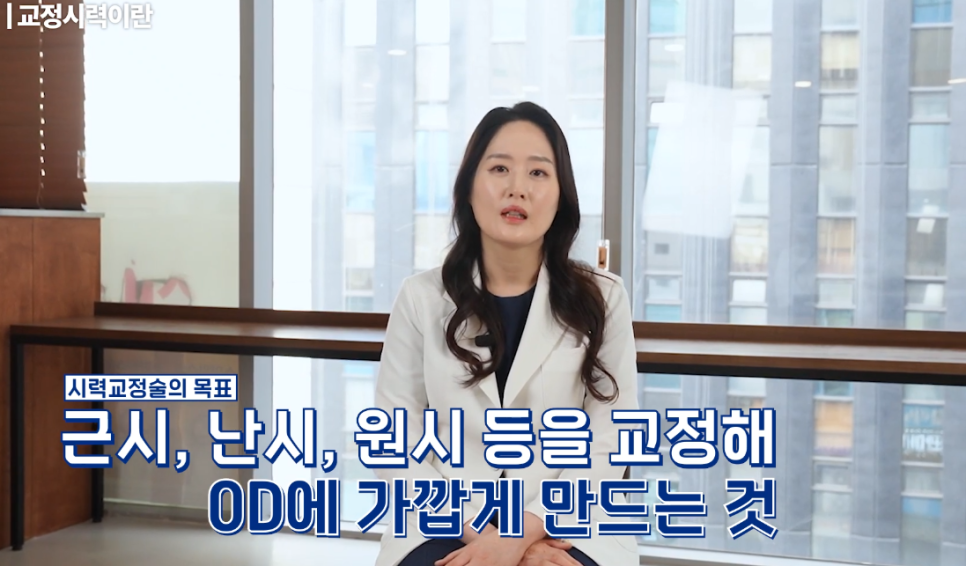
First, let us briefly look at how SMILE LASIK works.
When an eye has myopia (nearsightedness) or astigmatism,
incoming light fails to focus precisely on the retina, causing distant objects to appear blurry.
Refractive surgery aims to correct these refractive errors, such as myopia and astigmatism,
bringing the eye’s refractive status to emmetropia (normal vision) or as close to it as possible.
In other words,
“achieving 1.5 vision” itself is not the primary objective of surgery.
Based on comprehensive pre-operative evaluations—including
corneal condition, refractive error, and best-corrected visual acuity (BCVA)—
we set the realistic vision expectations and correction targets for each patient.
Why does post-operative vision vary from person to person?
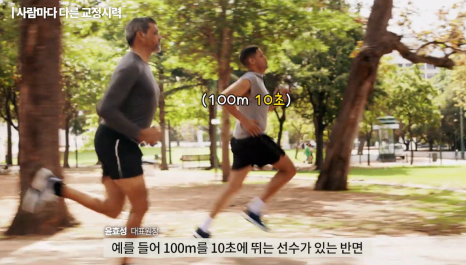
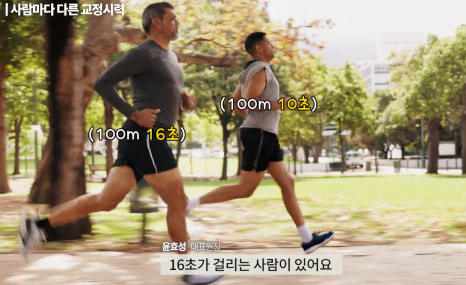
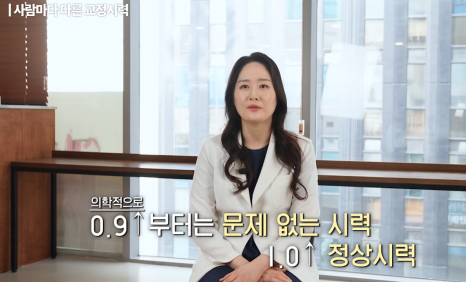
Even with the exact same prescription for myopia,
not everyone achieves the identical post-operative visual acuity.
For instance, even among patients with -4.00D of myopia,
corneal shape,
degree of astigmatism,
pupil size,
ocular structure,
tear film quality and dry eye status,
retina and optic nerve health, and
pre-operative best-corrected visual acuity
can all lead to variations in visual outcomes.
Therefore, you should not assume that “correcting more tissue always results in better vision.”
Excessive correction beyond what is needed can actually cause problems such as overcorrection,
which is why correcting precisely the necessary amount for your eyes is vital.
How to Achieve Optimal Corrected Vision with SMILE LASIK?

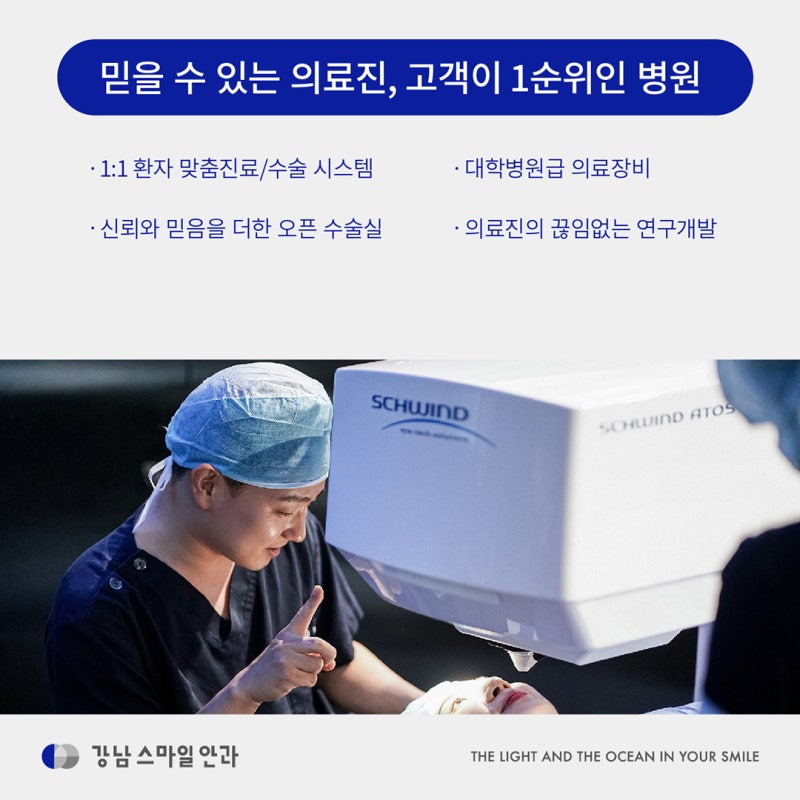
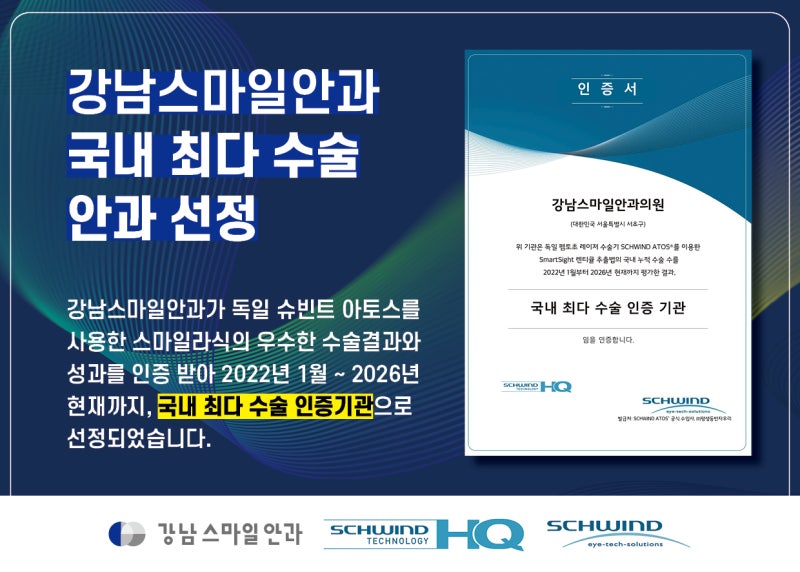
In practice, our clinic’s ATOS SMILE—also known as Smart LASIK—
achieves a 99.9% target vision success rate every year.
Achieving target corrected vision with virtually zero margin of error
across all surgeries is by no means common in every clinic.
How have we managed to achieve such consistently superior results?
It is not solely due to advanced laser equipment.
① Accurate pre-operative examinations
② Customized surgical planning tailored to eye conditions
③ Precise surgical execution
④ Consistent post-operative care
All four of these factors are crucial.
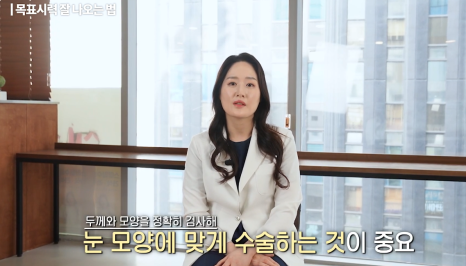
1. The first essential step is an “Accurate Pre-Operative Examination”
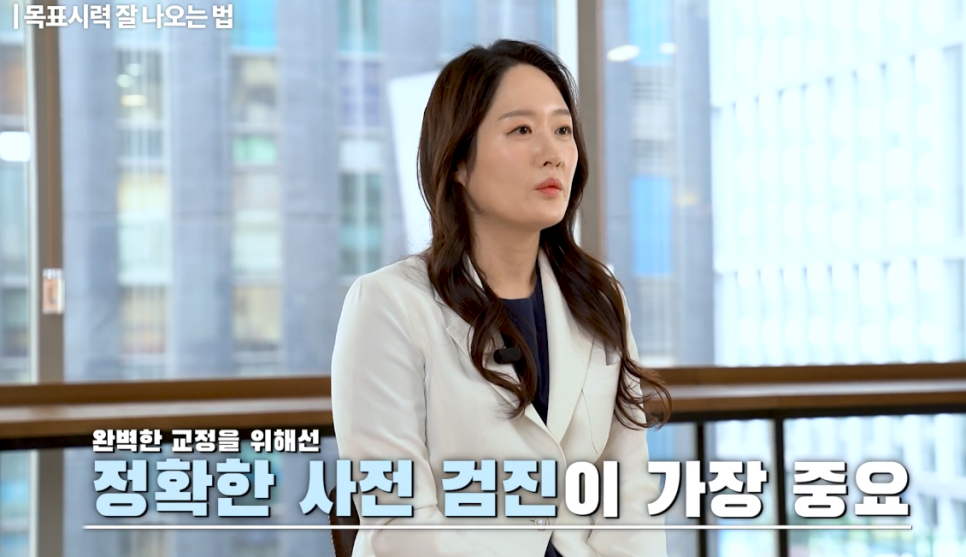
SMILE LASIK cannot be performed using a one-size-fits-all approach.
Prior to surgery, we must thoroughly evaluate each patient's ocular health
to determine surgery candidacy and determine which correction method is most suitable.
In particular, factors such as corneal thickness, corneal topography, degrees of myopia and astigmatism, corrected visual acuity, and general ocular health
must be comprehensively assessed.
Because every individual has unique eye conditions,
planning surgery based solely on an existing glasses prescription is never sufficient.
2. Why an Accurate “Visual Acuity Test” Matters
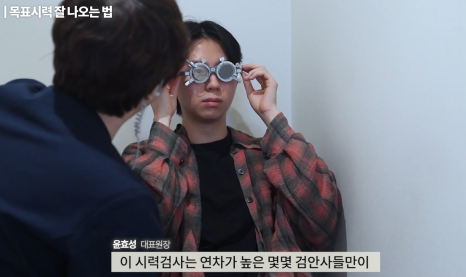
Among various pre-operative tests, patients often overlook the visual acuity test.
However, pre-operative visual acuity testing not only measures
the exact degree of myopia and astigmatism,
but also serves as an essential step to determine current best-corrected visual acuity (BCVA).
For example, if an eye can only reach a maximum corrected vision of 0.8 with glasses or contact lenses before surgery,
correcting refractive errors surgically
will not necessarily produce a higher vision level such as 1.5.
Therefore, before SMILE LASIK surgery,
it is crucial not just to check “what the diopter prescription is,”
but also to confirm
“what the maximum visual potential of this eye is when fully corrected.”
Based on these pre-operative findings,
we design an individualized surgical plan tailored to each patient’s ocular profile.
3. Precision of Surgical Equipment is Equally Crucial
Just as accurate testing is critical, ensuring the laser delivers pulses
precisely to the planned coordinates during surgery is equally vital.
ATOS SMILE LASIK (Smart LASIK) performed at our clinic utilizes an
eye-tracking system that monitors ocular movement and positioning in real time,
helping minimize errors that could arise during the procedure.
Especially for eyes with astigmatism,
it is not enough to simply correct the diopter power;
delicate correction factoring in the astigmatic axis and cyclotorsion is required.
The ATOS eye-tracking and cyclotorsion compensation system
factors in eye position and rotational shifts during surgery,
adjusting the laser delivery location with high precision.
In other words,
what matters most is not “how much tissue is removed,”
but “correcting precisely what your eyes require.”
4. Post-Operative Care Can Also Affect Corrected Vision
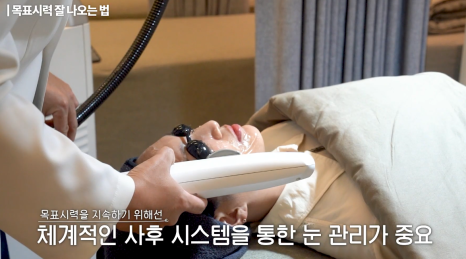
The journey does not end when surgery is completed.
Because the cornea needs time to heal immediately after the procedure,
consistent recovery care following medical guidance is imperative.
In particular, after surgery, you should:
✔ Administer prescribed eye drops exactly as directed
✔ Avoid rubbing your eyes
✔ Protect your eyes from forceful impacts or harsh irritation
✔ Attend regular follow-up appointments
✔ Manage dryness appropriately whenever felt
✔ Strictly follow all post-op instructions provided by your clinical team
Following these steps helps safeguard your visual outcome.
Since temporary blurriness,
dryness, or glare may occur after surgery,
continuous monitoring of your eye condition throughout recovery is vital.
SMILE LASIK: What Matters More Than “High Numbers”?
During SMILE consultations,
some patients say,
“I really want my vision to reach 1.5.”
Hoping for exceptional visual acuity after surgery is completely natural.
However, in vision correction surgery, rather than merely pushing for a higher number on the chart,
accurately understanding your eye’s intrinsic condition
and correcting only what is necessary in a safe manner
is far more crucial.
This is why an individualized surgical plan must be established
after thoroughly evaluating pre-operative best-corrected vision, refractive error, corneal topography, thickness, and overall ocular health.
Gangnam Station Eye Clinic: SMILE LASIK Begins with Thorough Examination
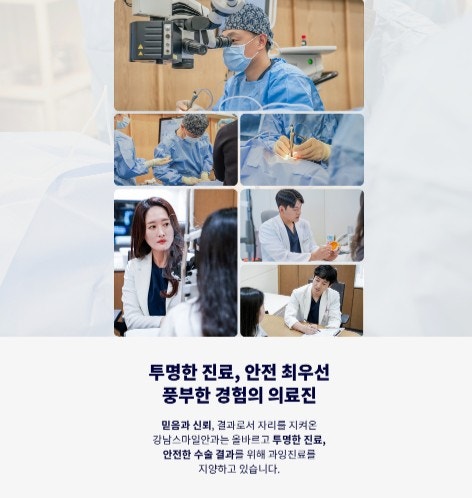
At Gangnam Smile Eye Clinic, we evaluate each patient's eye condition
through a comprehensive suite of precision diagnostic tests before SMILE LASIK,
and deliver 1:1 personalized consultations and surgical planning based on these findings.
Furthermore, through New SMILE LASIK (Smart LASIK),
we aim for refined vision correction tailored to individual eye profiles and refractive errors.
Rather than promising unrealistic high numbers unconditionally,
confirming how well your eyes can realistically see,
which surgical approach is most suitable,
and what outcomes can be safely anticipated
is the most vital first step in vision correction surgery.
Curious About SMILE LASIK?

✔ What vision level can I expect after SMILE LASIK?
✔ How is my personal target vision determined?
✔ Can I still have surgery with severe myopia or astigmatism?
✔ What is the difference between conventional SMILE and Smart LASIK?
✔ Which pre-operative examinations are required?
✔ What does the visual recovery timeline look like after surgery?
The answers depend on your individual eye conditions.
At Gangnam Smile Eye Clinic, we guide you to the vision correction method best suited to your eyes based on comprehensive precision testing.
If you have any questions regarding SMILE LASIK or vision correction surgery,
feel free to reach out to us at any time. 😊💙
※ This article is intended for general medical educational purposes. Surgical candidacy and appropriate treatment modalities vary depending on individual ocular status.
💙 For SMILE Surgery, It's Always Gangnam Smile Eye Clinic 💙
💙🤍 GANGNAM SMILE EYE CLINIC 💙🤍
THE LIGHT AND THE OCEAN IN YOUR SMILE













Frequently Asked Questions
Is 1.5 vision always the target for SMILE LASIK?
No, achieving 1.5 vision is not the sole objective of surgery. Vision correction surgery aims to correct myopia and astigmatism to bring the eye to emmetropia (normal vision) or as close to it as possible. A safe, customized target vision is determined by evaluating individual corneal parameters, refractive error, and pre-operative best-corrected visual acuity.
Can two people with the same degree of myopia achieve different post-operative vision?
Yes, variations in individual eye characteristics can lead to different visual outcomes. Even with identical myopia prescriptions, factors such as corneal topography, degree of astigmatism, pupil diameter, structural anatomy, ocular surface and dry eye status, retinal and optic nerve health, and pre-operative best-corrected visual acuity influence achievable vision.
If my pre-operative vision with glasses is only 0.8, can I see up to 1.5 after surgery?
It is unlikely. If your eye could only achieve a maximum corrected vision of 0.8 with glasses or contact lenses before surgery, correcting the refractive error surgically will generally not produce a higher acuity like 1.5. Pre-operative examinations are vital to determine your eye's maximum visual potential beforehand.
Why is the eye-tracking system so important in SMILE LASIK?
It minimizes surgical errors and enables precise astigmatism correction. Eye-tracking and cyclotorsion compensation systems monitor real-time eye motion and rotational shifts, adjusting the laser delivery position accordingly. For astigmatism, precise laser alignment that accounts for axis and rotation is critical for optimal visual quality.
What post-operative care is required to maintain good corrected vision after SMILE LASIK?
You should administer prescribed eye drops strictly as instructed and avoid rubbing your eyes. Protecting your eyes from irritation and managing dryness during the early recovery phase allows the cornea to heal stably. Attending scheduled follow-up visits and adhering to post-operative guidelines are equally essential.