2026-09-07
Yaksu Station Dental Clinic: Root Canal Treatment for a Cracked Tooth with Root Inflammation
This article discusses root canal treatment for a cracked tooth with root inflammation, emphasizing the importance of timely treatment and ongoing care for complex cases involving both nerve and periodontal issues.
Hello!
I am Dr. Kim Tae-young, director of Barunyoung Dental Clinic at Yaksu Station.^^
When patients first visit and describe their discomfort, they sometimes write:
‘I have a pus pocket on my gums.’
‘My gums smell bad.’
‘There’s a lot of bloody pus coming from my gums.’
In such cases, it usually means that inflammation of the tooth nerve has been neglected for a long time. This leads to nerve necrosis and inflammation at the root tip, which dissolves the surrounding bone and forms a pus pocket.
If the pus pocket is simply due to a problem with the tooth root, thorough root canal treatment can eliminate the pus pocket. Then, properly capping the tooth can extend its lifespan.
However, if the problem is not with the tooth root but rather a periodontal issue or a cracked tooth, the prognosis is often poor even with treatment.
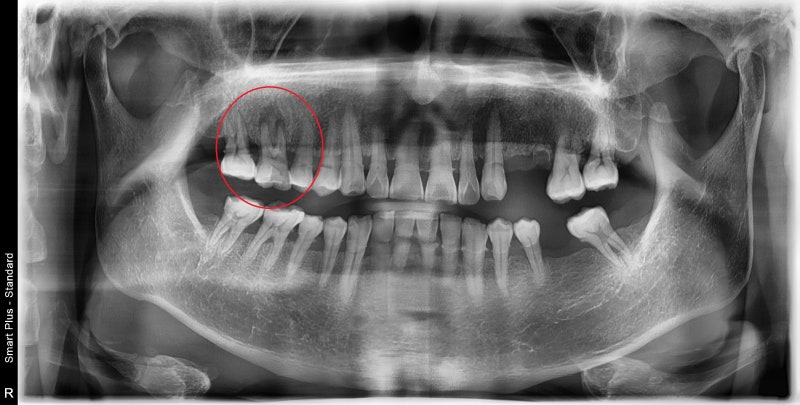
My right gum has been hurting for a long time.
When I first saw the patient's pre-examination photos, I noticed that several teeth on the left side were missing. As a result, the patient primarily chewed on the right side, causing the first molar, which bore the most load, to be damaged.
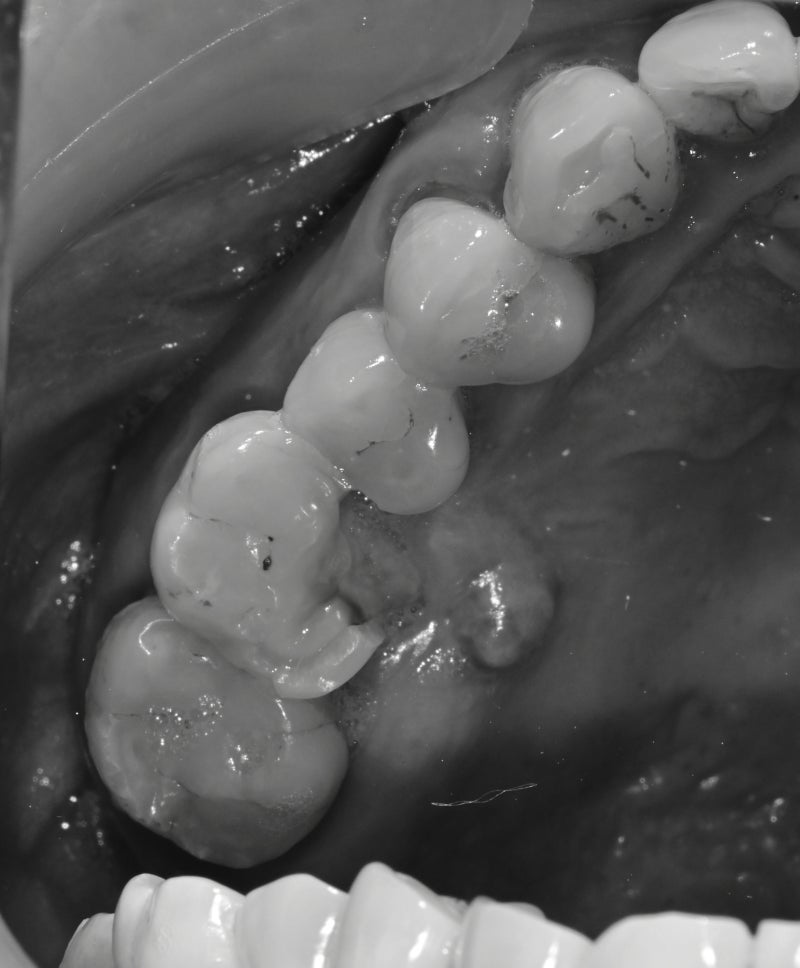
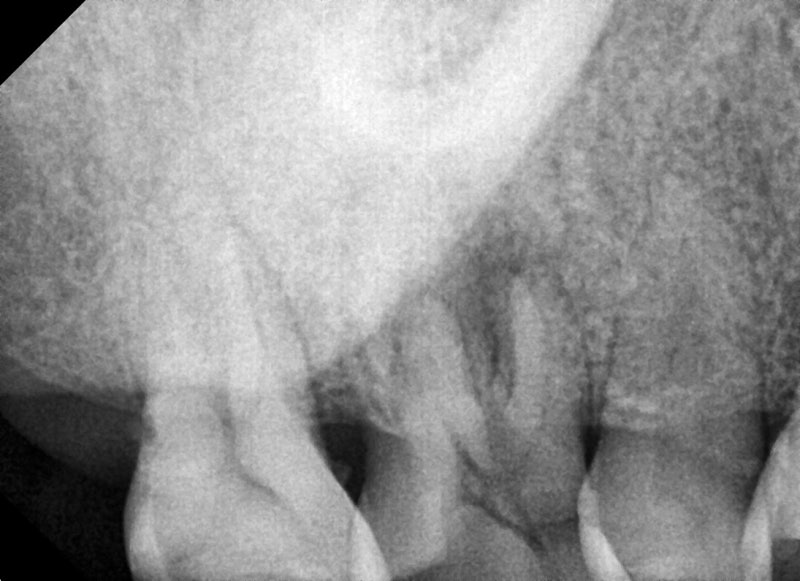
After taking intraoral photos and conducting an examination, I explained that the prognosis for this tooth was not good.
The tooth was likely fractured, transmitting irritation to the nerve canal, causing inflammation at the root, and leading to persistent pain.
Furthermore, considering the tooth's wear and signs of cracking, it was highly probable that the tooth had a crack due to very strong chewing forces.
The alveolar bone on the palatal side had also dissolved, indicating that this tooth had been overworked and its lifespan was limited.
However, since the patient still had no mobility and wished to use their natural tooth for as long as possible, we proceeded with treatment on the premise that if the root canal treatment was successful, a crown would be placed.
The patient also had a lot of calculus and poor periodontal health, so we decided to perform periodontal treatment, including gum treatment and brushing education, alongside the root canal treatment.
Once the decision to treat was made, the first step was to perform root canal treatment to locate all nerve canals, thoroughly disinfect them, and eliminate the pus pocket.
As mentioned earlier, if the problem is solely with the nerve, the dissolved bone can regenerate after root canal treatment. However, in complex cases involving both periodontal and nerve issues, the dissolved bone does not regenerate.
Fortunately, after multiple visits and extensive disinfection, the pus pocket was resolved.
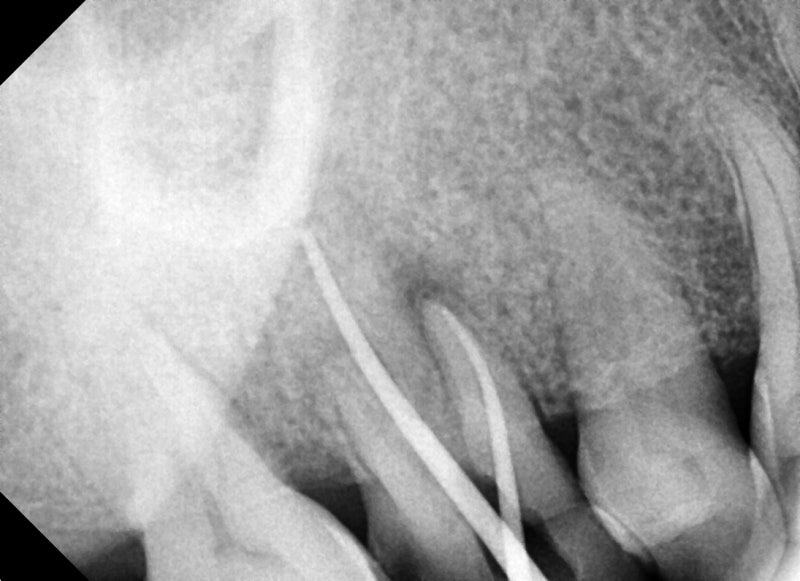
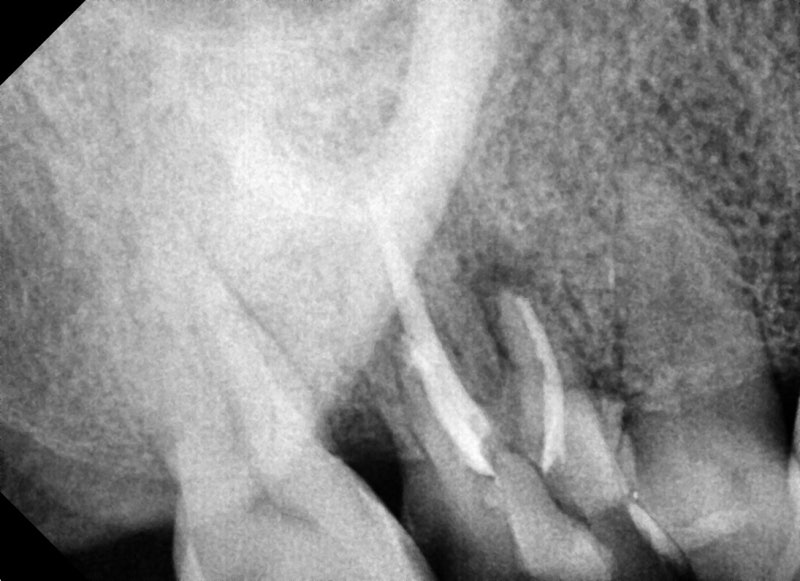
These photos show the completion of root canal treatment after confirming the length of the filling material within the nerve canals.
The tooth had three roots, and all three nerve canals were severely inflamed. We disinfected them as thoroughly as possible and completed the treatment once the symptoms subsided.
Next, when fabricating the crown and adjusting the occlusion, it's important to evenly distribute the occlusal forces due to the severe wear of the surrounding teeth. Regular occlusal checks will be necessary to maintain force balance.
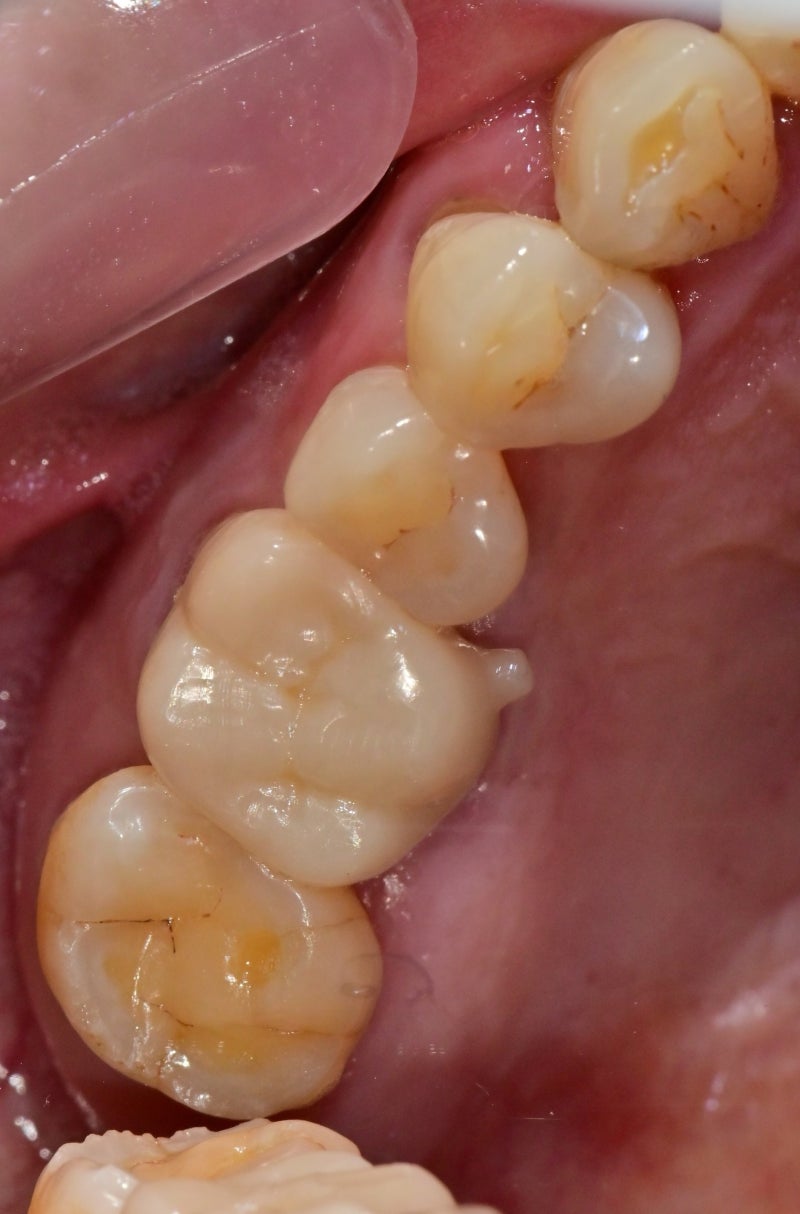
This is a photo from when the temporary crown was in use.
Fortunately, after several disinfections of the nerve canals, the pus pocket on the palatal side disappeared, and the pain decreased. However, I explained that if the source of inflammation recurs in the future, an inflammatory response could happen again.
While regular visits to maintain oral hygiene are crucial, restoring missing teeth is also an important task to protect other teeth.
It will be necessary to monitor the tooth with consistent regular check-ups.
I hope the patient can use it for a long time, but I wish them well in managing and using it as long as the situation allows.^^
Frequently Asked Questions
What causes pus pockets in the gums?
Pus pockets in the gums typically occur when inflammation of the tooth nerve is neglected for a long time, leading to nerve necrosis and inflammation at the root tip, which dissolves the bone. They can also arise from periodontal problems or cracked teeth.
Can a cracked tooth be saved with root canal treatment?
Yes, root canal treatment can allow a cracked tooth to be used as a natural tooth, at least temporarily. However, if the tooth crack is severe or accompanied by periodontal issues, the prognosis may not be good, and consistent management is required.
Can gum bone regenerate after root canal treatment?
No, gum bone does not always regenerate after root canal treatment. If bone loss is solely due to a nerve problem, it can recover through root canal treatment. However, if the bone loss is due to a complex periodontal-nerve issue, the dissolved bone will not regenerate.
What is the process of root canal treatment?
Root canal treatment begins by locating and disinfecting the nerve canals to eliminate any pus pockets. Afterward, the nerve canals are filled with a restorative material, and a crown is fabricated and placed. Adjustments are necessary to evenly distribute occlusal forces.
What precautions should be taken after root canal treatment?
After root canal treatment, it is important to visit regularly to maintain oral hygiene and to have occlusal checks to ensure force balance. Additionally, restoring any missing areas is crucial, and patients should be aware of the possibility of future inflammation recurrence.