2025-08-01
Postpartum Diet: Secrets to a Successful Meal Plan
Discover safe and effective postpartum diet strategies, including balanced nutrition, calorie intake for breastfeeding mothers, and practical tips for appetite control.

Recently, while consulting with someone about postpartum weight loss, I noticed a common sentiment.
Many people, driven by the urgency to ‘lose weight quickly,’ often compromise their health.
Especially for those who are breastfeeding, restrictive diets can negatively impact both the baby and themselves.
However, I've observed a common thread among those who have successfully lost weight in a healthy way.
They understand how to structure a proper diet.
Instead of rushing to starve themselves, those who approach it slowly, focusing on nutritional balance, ultimately experience more satisfying changes.
Many people hesitate to start because of these concerns.
Today, we will delve into the details of how to safely structure a postpartum diet.
1. Safe Diet Principles Even While Breastfeeding
Let me start with the most important point.
While breastfeeding, you should consume a minimum of 1800 calories per day.

Eating less than this can lead to problems with milk production.
A weight loss goal of about 0.5kg per week is appropriate.
Rapid weight loss can reduce milk supply and risk a deficiency in essential nutrients.
You should begin a full-fledged diet after six weeks postpartum.
Until then, focus on your body's recovery.
A body exhausted from childbirth needs to recover before you can embark on a healthy diet.
You also need to pay special attention to hydration.
Breastfeeding requires more water than usual.
Aim to drink at least 2 liters of water per day.
2. Daily Meal Plan for Balanced Nutrition
Ideally, protein intake should be around 1.2g per 1kg of body weight.
For example, if you weigh 60kg, you need about 72g of protein per day.
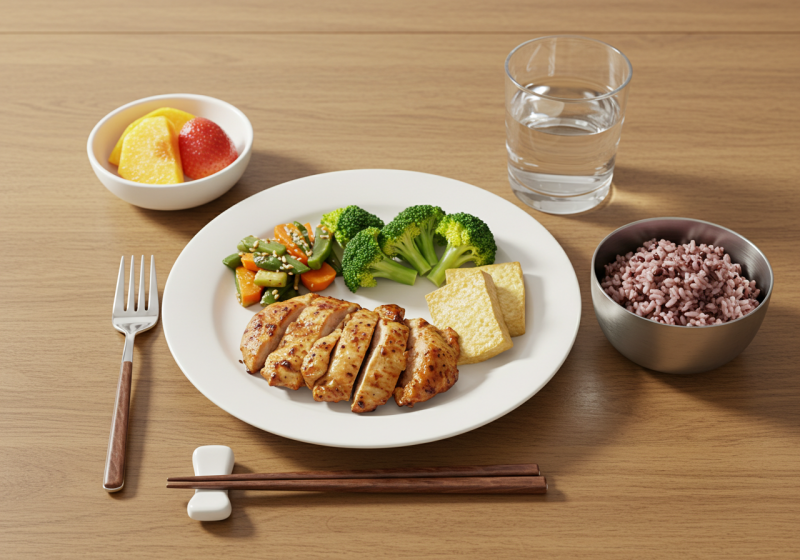
Eat a variety of foods like chicken breast, eggs, tofu, and fish.
Carbohydrates should account for 45-50% of your daily calories.
Choosing complex carbohydrates like brown rice, oats, and sweet potatoes helps you feel full longer and aids in blood sugar control.
Replenish vitamins and minerals with fresh vegetables and fruits.

Folate, iron, and calcium are particularly important nutrients during breastfeeding, so make sure to get enough of them.
Don't avoid fats entirely.
Good fats like avocados, nuts, and olive oil are essential for hormone production and vitamin absorption.
Around 25-30% of your daily calories from fat is appropriate.
3. Practical Tips for Appetite Control
Simply sticking to regular meal times can be a great help.
Irregular eating often leads to overeating.
I recommend dividing your meals into three main meals and two snacks per day.
Develop the habit of eating slowly.
If you take more than 20 minutes to eat a meal, you'll feel fuller.
Even if you're busy, try to eat as leisurely as possible.
Drinking a glass of water 30 minutes before a meal will naturally reduce your food intake.
Avoid drinking too much water during meals, as it can interfere with digestion.
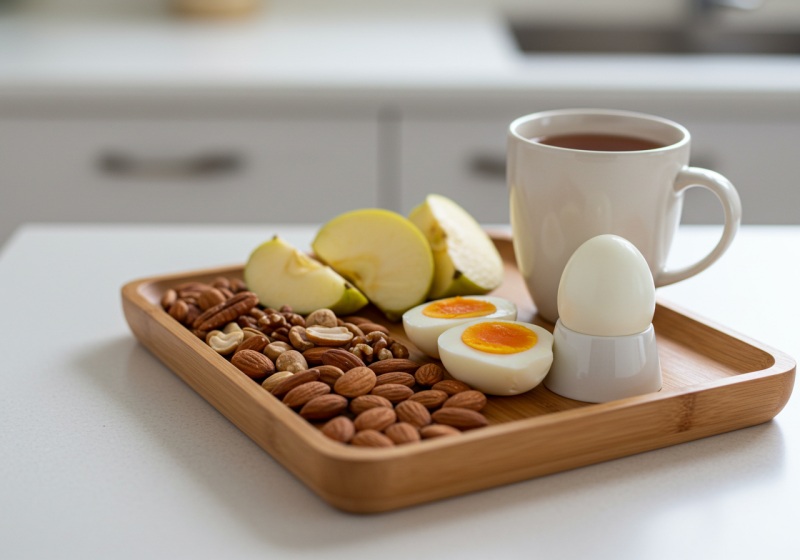
Prepare your snacks in advance.
Always having easily accessible nuts or fruits ready for when you suddenly feel hungry will prevent you from reaching for high-calorie foods like cookies or bread.
4. Small Changes Make a Big Difference
Postpartum dieting is like a marathon.
Instead of seeking drastic changes in a short period, it's important to consistently build healthy habits.
Observe your body's condition carefully.
If you feel excessive fatigue or notice a decrease in milk supply, it's a sign that you need to adjust your diet.
Remember that a healthy mother can raise a healthy baby.
I hope you'll gradually implement the methods I've discussed today.