2026-01-28
Winter's Best Tonic: Root Vegetables!
Root vegetables like sweet potatoes, potatoes, and lotus root are packed with nutrients, making them an excellent natural tonic for winter health.

Winter's Best Tonic: Root Vegetables!
Vegetables are broadly categorized into root vegetables, stem vegetables, leafy vegetables, fruit vegetables, and flower vegetables.
Among these, root vegetables are rich in various nutrients because they absorb energy from the soil as they grow.
Furthermore, root vegetables that grow in winter are often called ‘natural tonics’ because they store nutrients and moisture in their roots to survive the cold and harsh environment.

Sweet potatoes, potatoes, and lotus root are typical winter root vegetables.
Sweet potatoes are rich in carbohydrates and dietary fiber, providing a lasting feeling of fullness even with a small portion, and they promote bowel movements, aiding in defecation.
Sweet potatoes are also abundant in beta-carotene, which inhibits aging, and potassium, which helps excrete sodium. The phenolic acids in sweet potatoes are compounds that slow down bodily damage and aging, with effects such as inhibiting carcinogens.
Given these numerous health benefits, why not enjoy sweet potatoes steamed or baked, or incorporate them into various dishes like soups, salads, and lattes?

Potatoes are rich in vitamin C and magnesium. Eating them boiled or baked with the skin on, rather than fried, can aid in weight loss.
They also convert some of their starch into short-chain fatty acids, which helps maintain gut health and prevents obesity and colon cancer.
Furthermore, potatoes have anti-inflammatory effects.
According to one academic journal, ethanol extracts from potatoes showed excellent antioxidant activity in reducing inflammation.
Specifically, potato starch was noted for its effectiveness in alleviating gastritis caused by excessive gastric acid secretion.
Lotus root, the underground stem of the lotus flower, is also known as a ‘treasure in the mud’.
Lotus root contains a similar amount of vitamin C as lemon juice, making it excellent for relieving fatigue.
It is also rich in iron, preventing anemia, and the tannin component in lotus root has excellent hemostatic effects, preventing bleeding from conditions like stomach ulcers, tuberculosis, and nosebleeds.
Lotus root can be eaten raw or lightly blanched for a crisp texture, or stewed or fried for a chewy texture.
However, lotus root tends to brown easily when exposed to air, so it is recommended to lightly blanch or soak it in vinegar water immediately after peeling, then store it in the refrigerator.
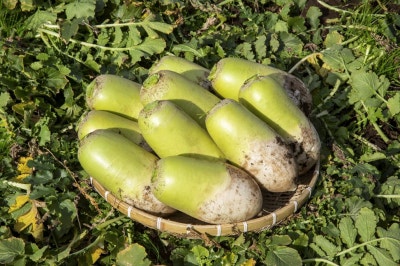
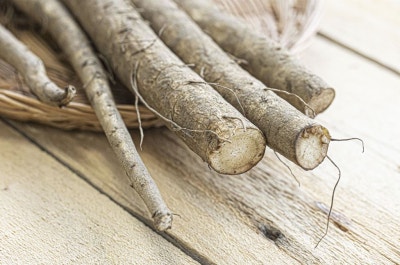
Other winter root vegetables include radish and burdock root.
Winter radishes are firm and substantial, tasting sweet even when eaten raw. Radishes are rich in diastase and amylase, which promote the digestion of carbohydrates and meat, thus aiding digestion.
Burdock root is rich in inulin, a type of soluble dietary fiber. Inulin provides a feeling of fullness and reduces appetite, making it beneficial for weight loss.
These are the winter root vegetables we've explored.
Make sure to take good care of your winter health with these root vegetables!
Source: Kormedi.com