2026-05-25
No-Implant Rhinoplasty (Hump & Long Nose Correction) + Functional Rhinoplasty
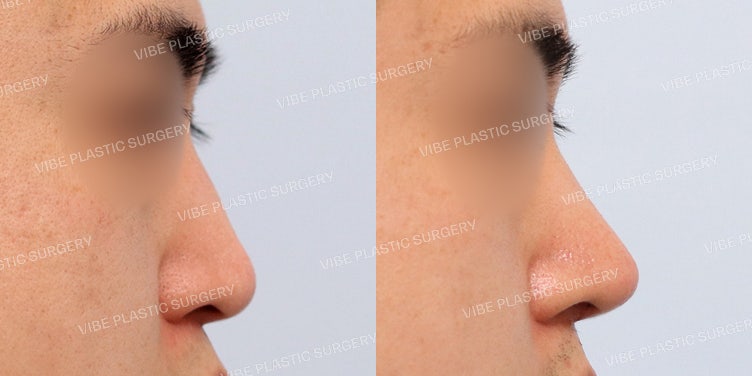
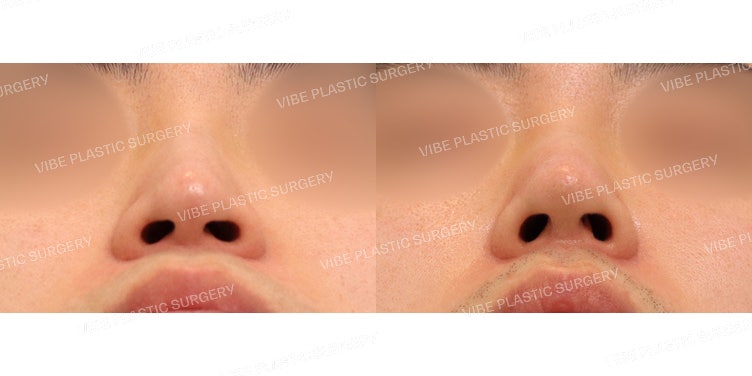
A case study of a male patient in his 30s who achieved a natural, sharp nose profile using no-implant rhinoplasty and functional correction for a deviated septum.
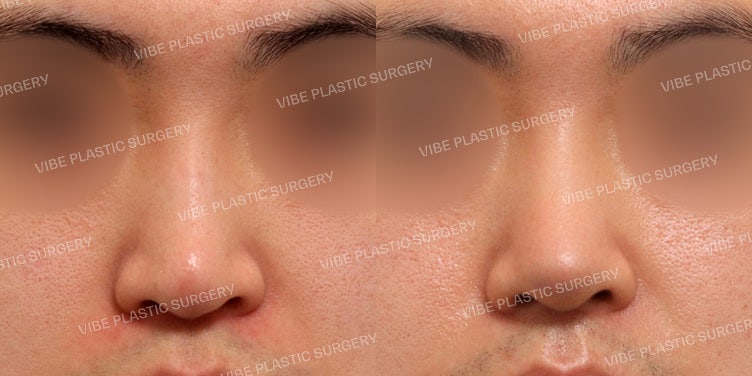
* Basic Information
# Male in his 30s
# Long and blunt nasal tip
# Uneven bridge due to a nasal hump
* Consultation
1. The patient’s primary concern was a blunt nasal tip that drooped rather than extending cleanly.
2. He also wanted to improve the uneven side profile caused by a nasal hump.
3. Since the bridge height was sufficient, a no-implant rhinoplasty was planned.
4. For the deviated septum, functional rhinoplasty was planned to improve breathing.
* Surgical Plan
1. Bridge Rhinoplasty
- Hump correction
- Osteotomy
- No-implant (Autologous tissue only)
2. Tip Rhinoplasty
- Septal cartilage: Septal extension graft
- Ear cartilage: Onlay graft
- Correction of bulbous tip, long nose, and nasolabial angle
3. Functional Rhinoplasty
- Septoplasty (Deviated septum correction)
- Inferior turbinate resection
- Internal valve reconstruction
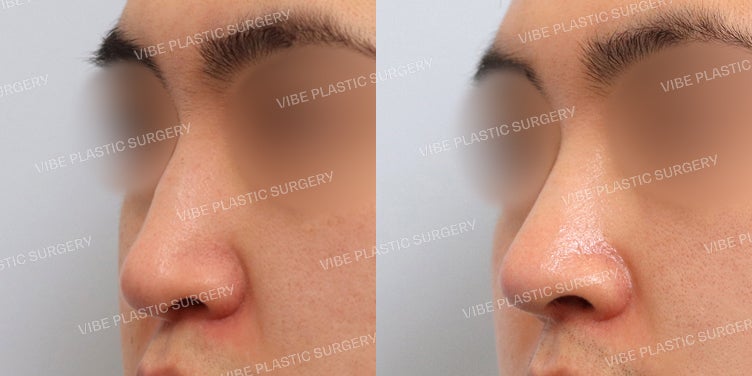
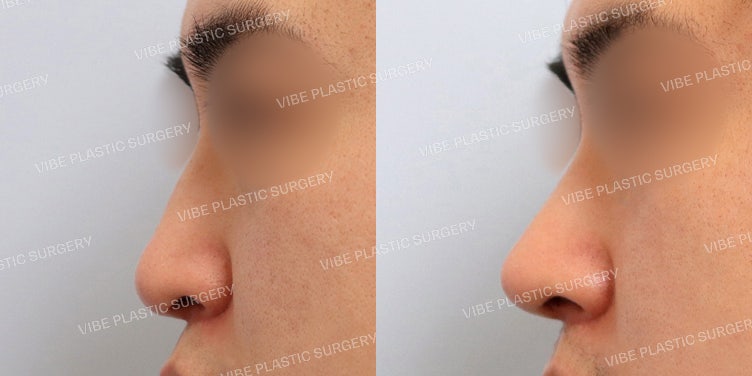
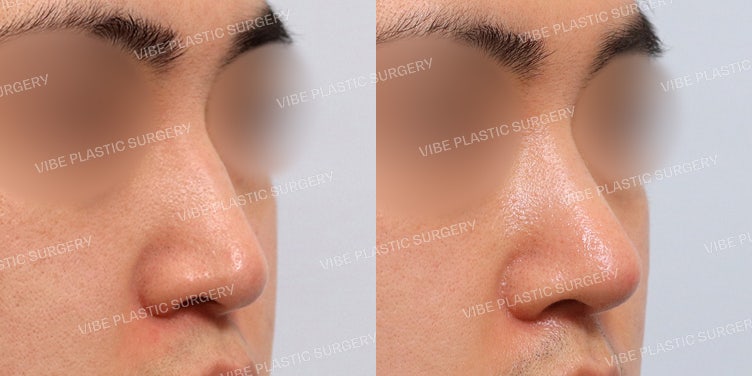
* Post-operative Progress
1. The post-operative results show a natural yet sharp and well-defined nasal tip.
2. If the bridge is already high enough, a natural nasal line can be achieved without using artificial implants. The process of creating a smooth line using only autologous cartilage is highly technical, so we recommend consulting with an experienced board-certified plastic surgeon.
3. In cases of severe septal deviation, functional rhinoplasty can correct breathing difficulties. You can achieve both aesthetic and functional improvements simultaneously!
Consultations and surgeries should be performed by a board-certified plastic surgeon!
The ‘VIBE’ that comes from extensive experience.
Dr. Yoo Young-moon, Chief Director of VIBE Plastic Surgery
Complications such as bleeding, inflammation, infection, and asymmetry may occur after surgery depending on the individual, and careful attention is required.