2026-09-07
Yaksu-dong Dental Clinic: Why You Shouldn't Postpone Cavity Treatment
Cavities are a common oral disease that affects over 90% of the population. Early detection and treatment are crucial to prevent severe pain, costly procedures, and potential tooth loss. Regular brushing and scaling are essential for prevention.

Yaksu-dong Dental Clinic: Why You Shouldn't Postpone Cavity Treatment
Oral diseases are conditions that almost everyone experiences at least once, regardless of gender or age. Among these, cavities are particularly prevalent, with over 90% of the Korean population reportedly having at least one active cavity or a history of cavity treatment.
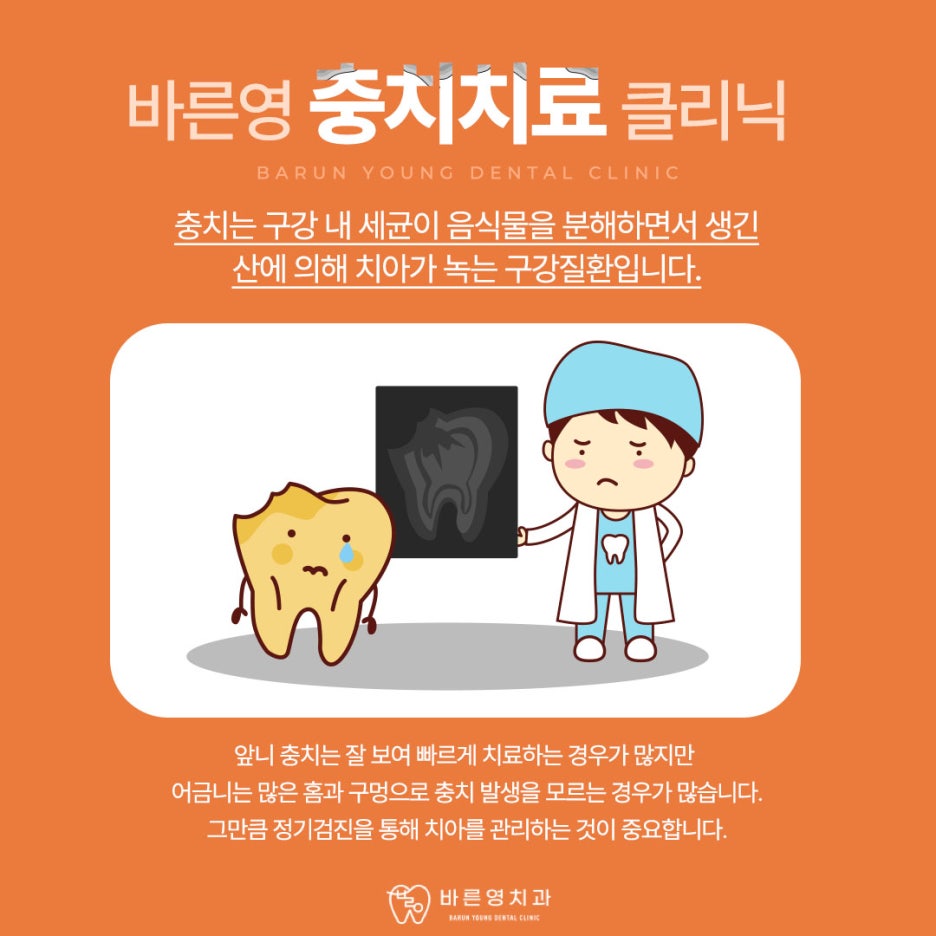
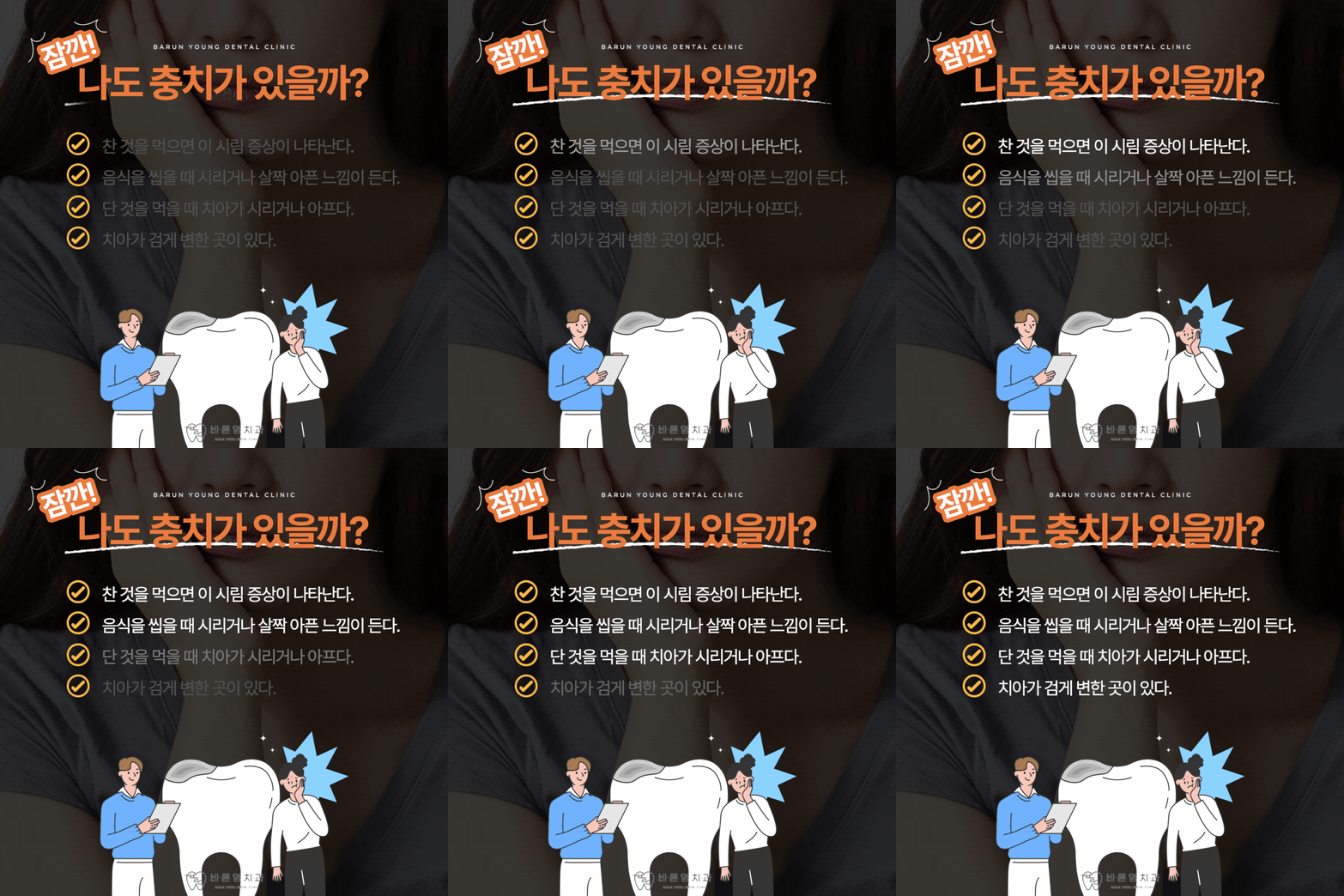
Cavities are an oral disease where teeth are corroded by acid produced when residual food particles and bacteria, not removed by brushing, meet in the mouth. In the early stages, there are no specific symptoms to suspect a cavity, so many people are unaware they have one until it progresses to the middle or late stages, when they experience toothaches or sensitivity and finally visit the dentist.

If detected early, cavities can be treated relatively quickly and at a lower cost. However, cavities are an oral disease that worsens over time, so if you visit the Yaksu-dong dental clinic late, the treatment difficulty may increase, and the cost, treatment period, and recovery time may be prolonged. Therefore, it is important not to take even minor symptoms lightly. If you feel something is wrong with your teeth, visit the dentist quickly for an examination and appropriate treatment.
The most basic way to prevent cavities is to brush your teeth thoroughly three times a day. While not brushing once won't immediately cause a cavity, if these poor oral hygiene habits persist, cavity-causing bacteria will settle in your mouth, and food debris will accumulate, creating an environment conducive to cavity formation. Therefore, it is always best to brush your teeth after eating.
However, brushing alone is not enough to prevent cavities, as toothbrush bristles cannot reach the tiny gaps between teeth. That's why it's crucial to regularly remove plaque and tartar, which are byproducts of food debris not removed by brushing, through scaling.
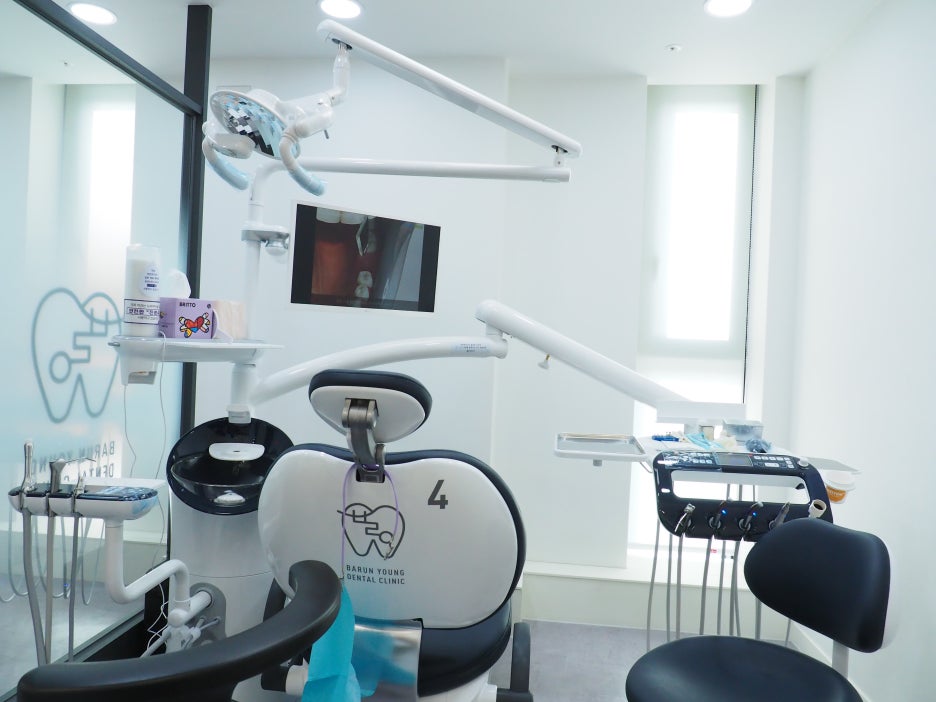
By following these two practices, cavity prevention is possible. If a cavity has already formed, it's best to treat it quickly and appropriately in the early stages to prevent it from getting worse. The reason scaling is recommended 1-2 times a year, or even 3-4 times for some individuals, is not only to remove plaque and tartar but also to detect and treat early-stage cavities that haven't yet shown symptoms during the scaling procedure.
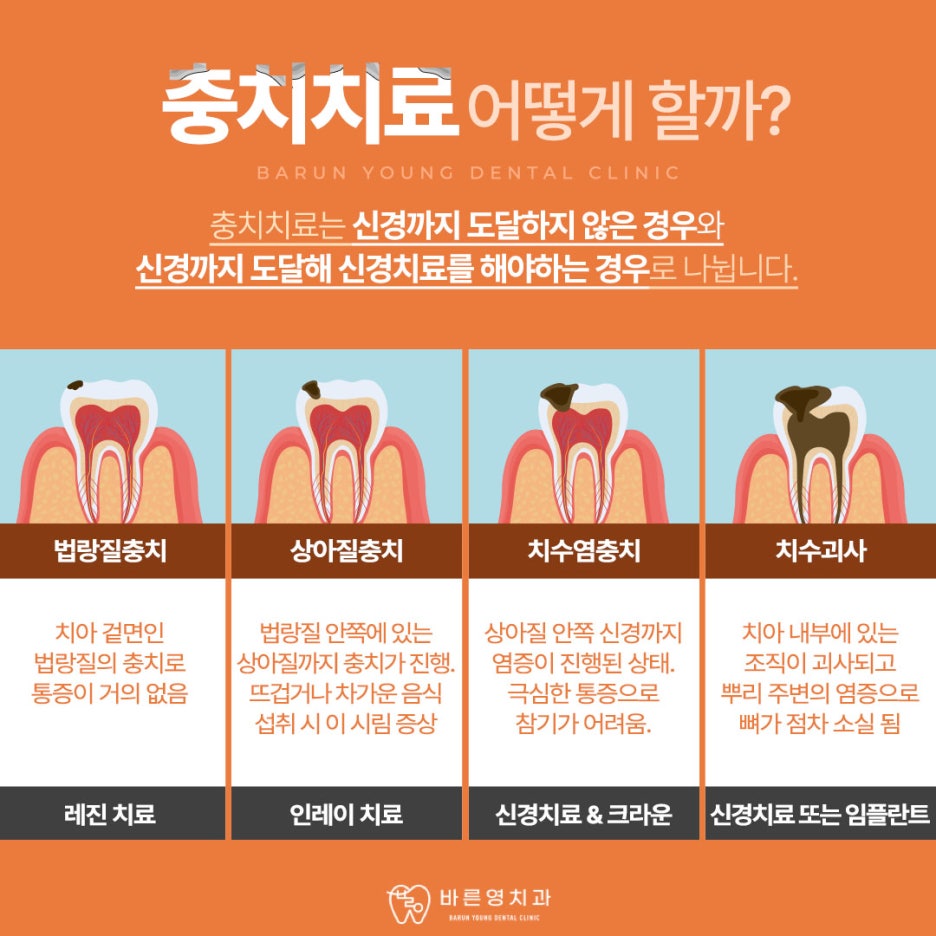
Cavities are broadly classified into four stages. Stage 1 occurs when a cavity forms only on the enamel, the outer surface of the tooth we see daily. There are usually no specific symptoms, so cavities are often discovered only during oral check-ups or scaling treatments. At this stage, resin treatment is possible with almost no pain and can be completed on the same day, making it a less burdensome treatment.
Stage 2 involves damage to the dentin, located just below the enamel. At this point, symptoms due to cavities begin to appear gradually, such as mild sensitivity or pain when consuming food or drinks with temperature differences. Once a cavity invades the dentin, it spreads quickly, so it is wise to remove the cavity immediately and receive inlay treatment.
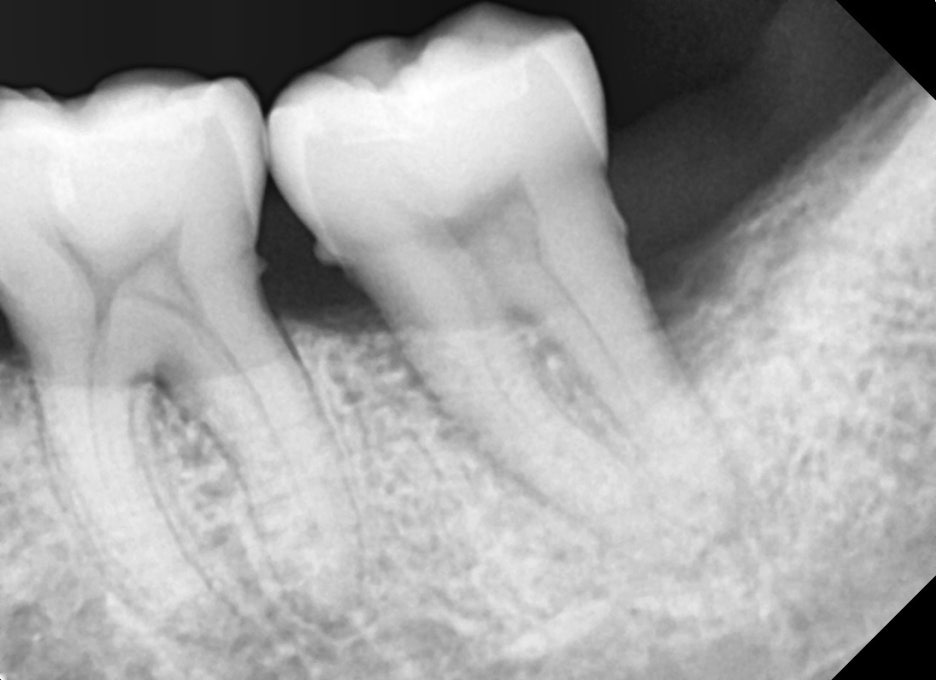
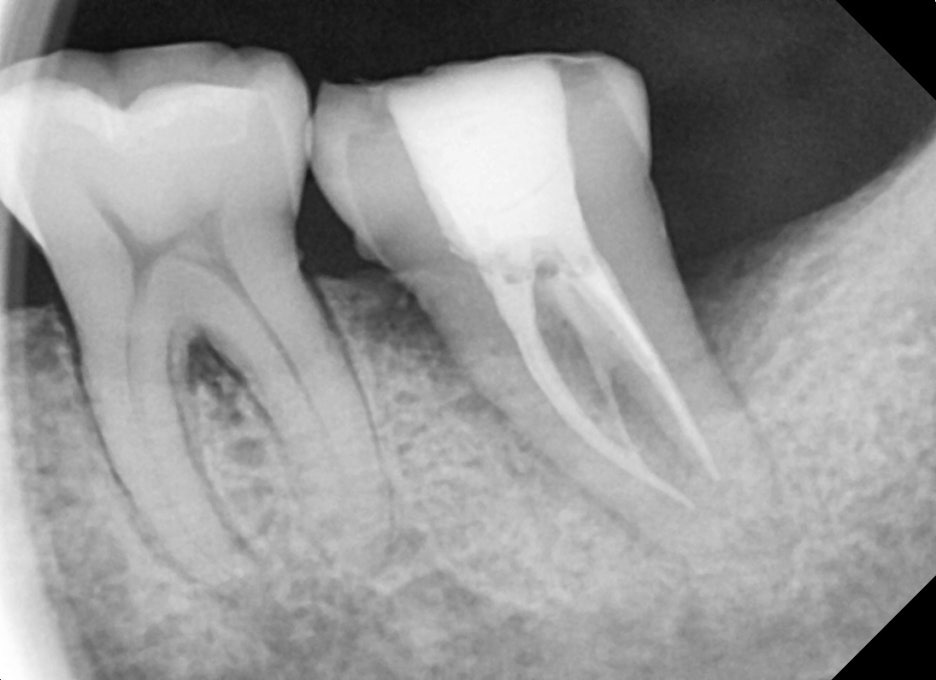
Stage 3 is when the cavity has invaded the nerve inside the dentin. At this point, toothache is felt even without specific stimulation, and sensitivity symptoms begin to interfere with daily life. At this stage, treatment with only resin or inlay is difficult. Instead, the infected pulp (nerve) is removed, filled with a restorative material, and then crowned. This is the last stage where the natural tooth can be saved.
Stage 4 is pulp necrosis, a state where the natural tooth (permanent tooth) can no longer be saved. If it reaches this stage, instead of cavity or root canal treatment, the tooth is extracted, and artificial teeth like implants are restored.
From Stage 3 of cavities, the cost is significant, and the number and duration of treatments increase. Therefore, it is best to save the natural tooth through cavity treatment at the Yaksu-dong dental clinic by Stage 2 at the latest. At the very least, extending the life of the natural tooth through Stage 3 root canal treatment should be prioritized.
Occasionally, some patients visiting the Yaksu-dong dental clinic do not consider cavity and root canal treatment important, feeling that even without one tooth, they don't experience much discomfort, or they wonder if it wouldn't be better to simply extract the tooth and place an implant.
However, no matter how excellent an artificial tooth is, it is difficult to match the chewing ability and aesthetics of a natural tooth. Even if you consider implant placement and endure the pain until the pulp necrosis stage, cavities can transfer to other teeth during that time, and severe gum disease can also be caused, so delaying treatment is strictly prohibited.
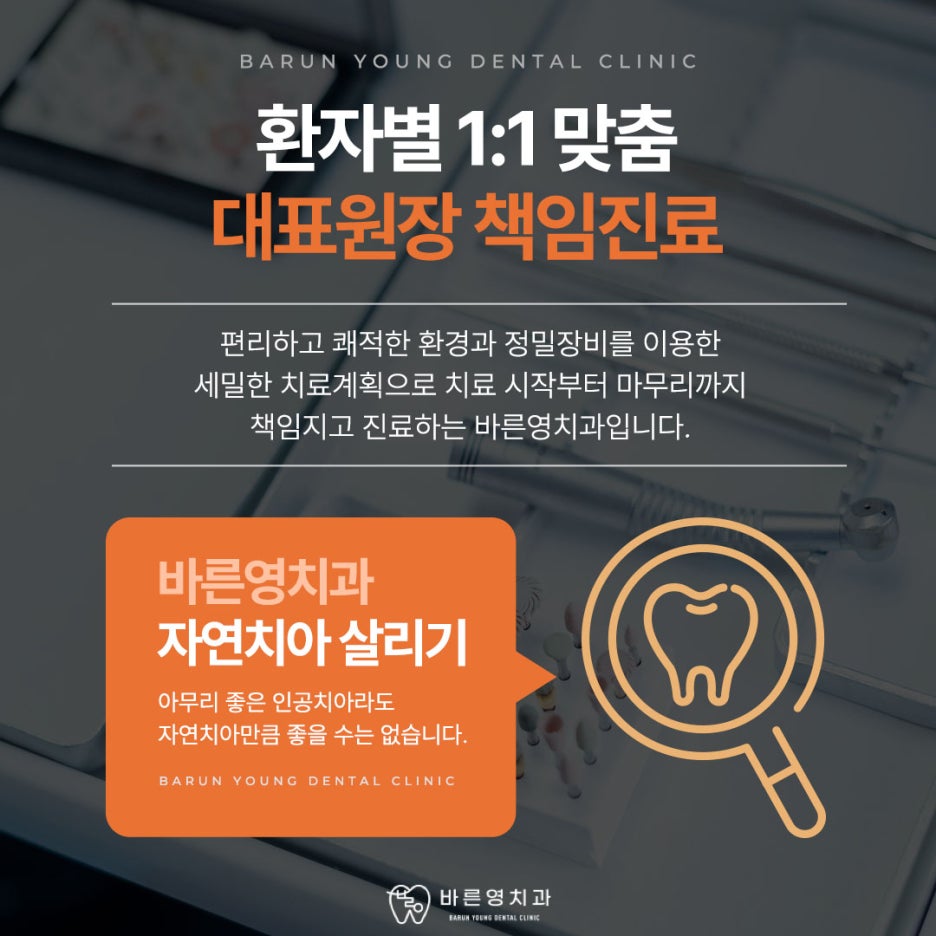
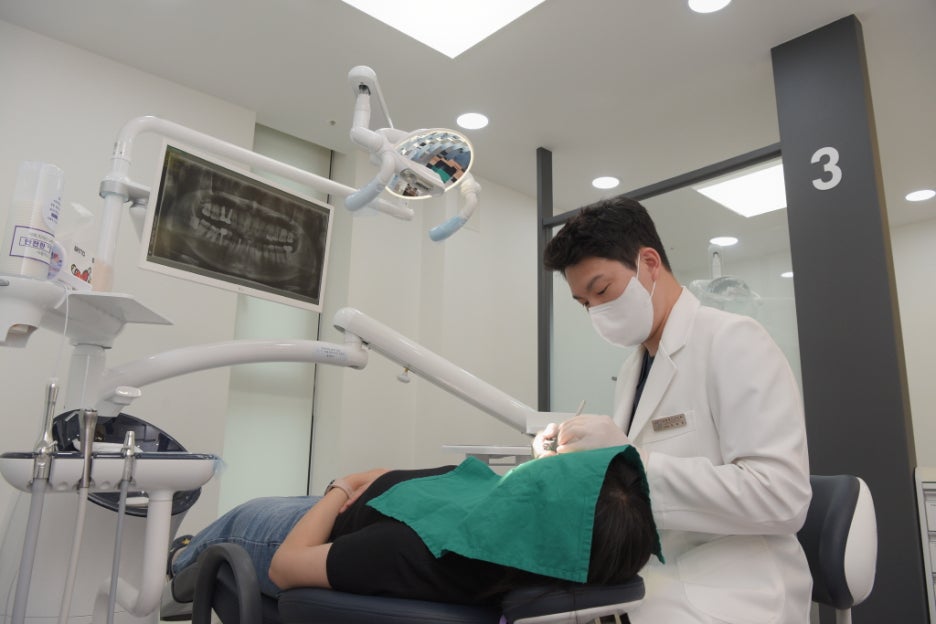
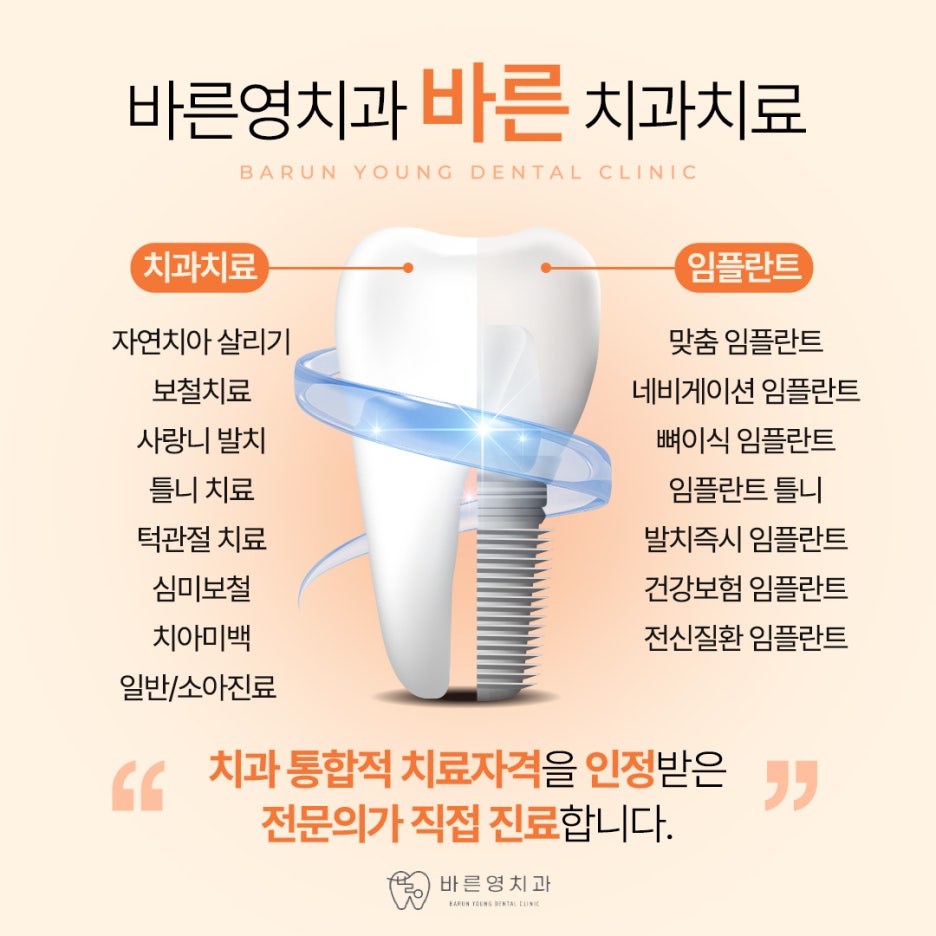
At Bareunyoung Dental Clinic in Yaksu-dong, we prioritize saving natural teeth in all dental treatments. Our director, a specialist in integrated dentistry with extensive knowledge and experience in all dental procedures, is always present, allowing you to receive various natural tooth-saving treatments such as cavity treatment, root canal treatment, and gum treatment in one stop.
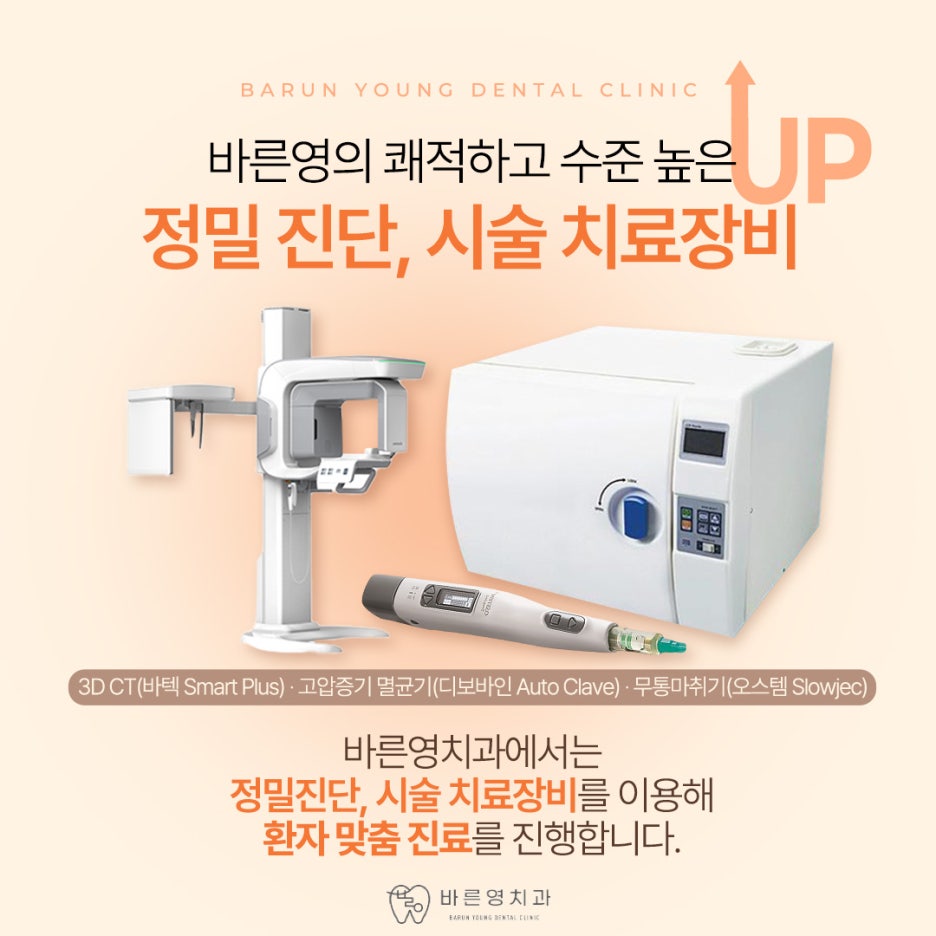
Even if the condition is already very severe and the appropriate treatment time has been missed, we prioritize methods to save natural teeth and strive to find solutions through another precise examination. All dental treatments are planned and carried out after closely observing the patient's current oral condition using precise diagnostic equipment like 3D-CT, tailored to each individual's oral health.
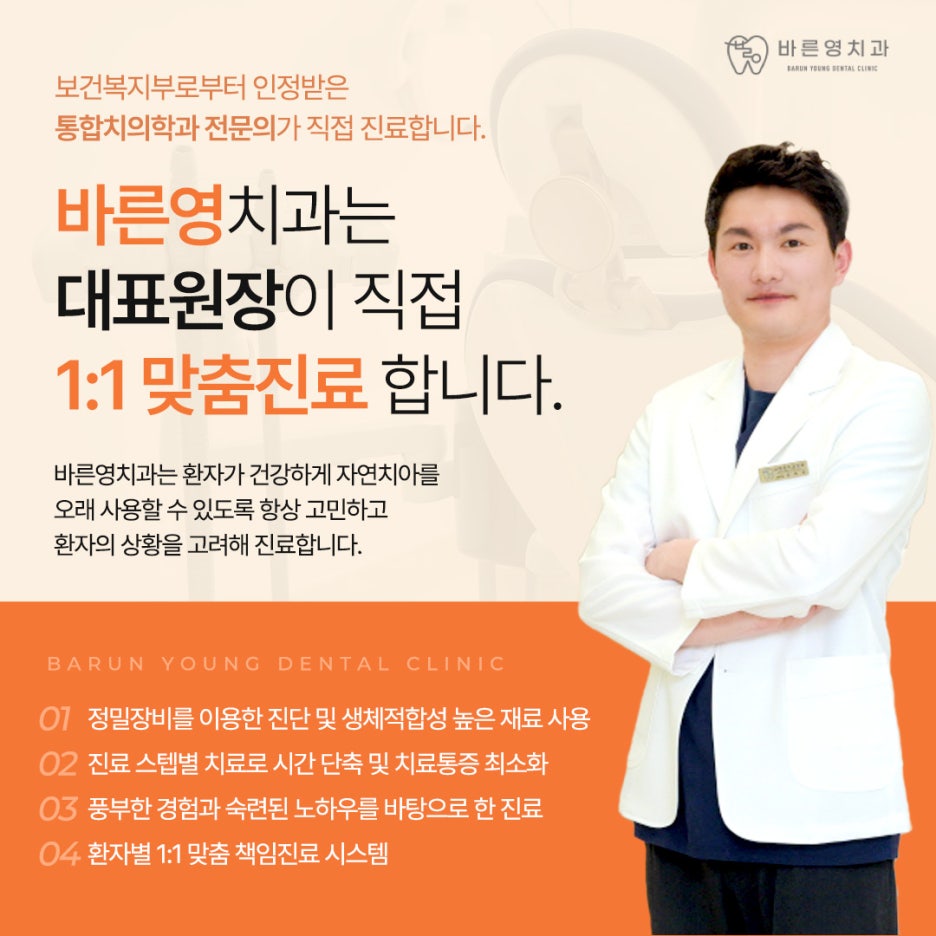
At Bareunyoung Dental Clinic in Yaksu-dong, to provide stable dental care services, the director personally handles consultations, treatments, and aftercare for cavities, root canals, and even implant treatments through a 1:1 responsible care system. For scaling, we assist with qualified dental hygienists.
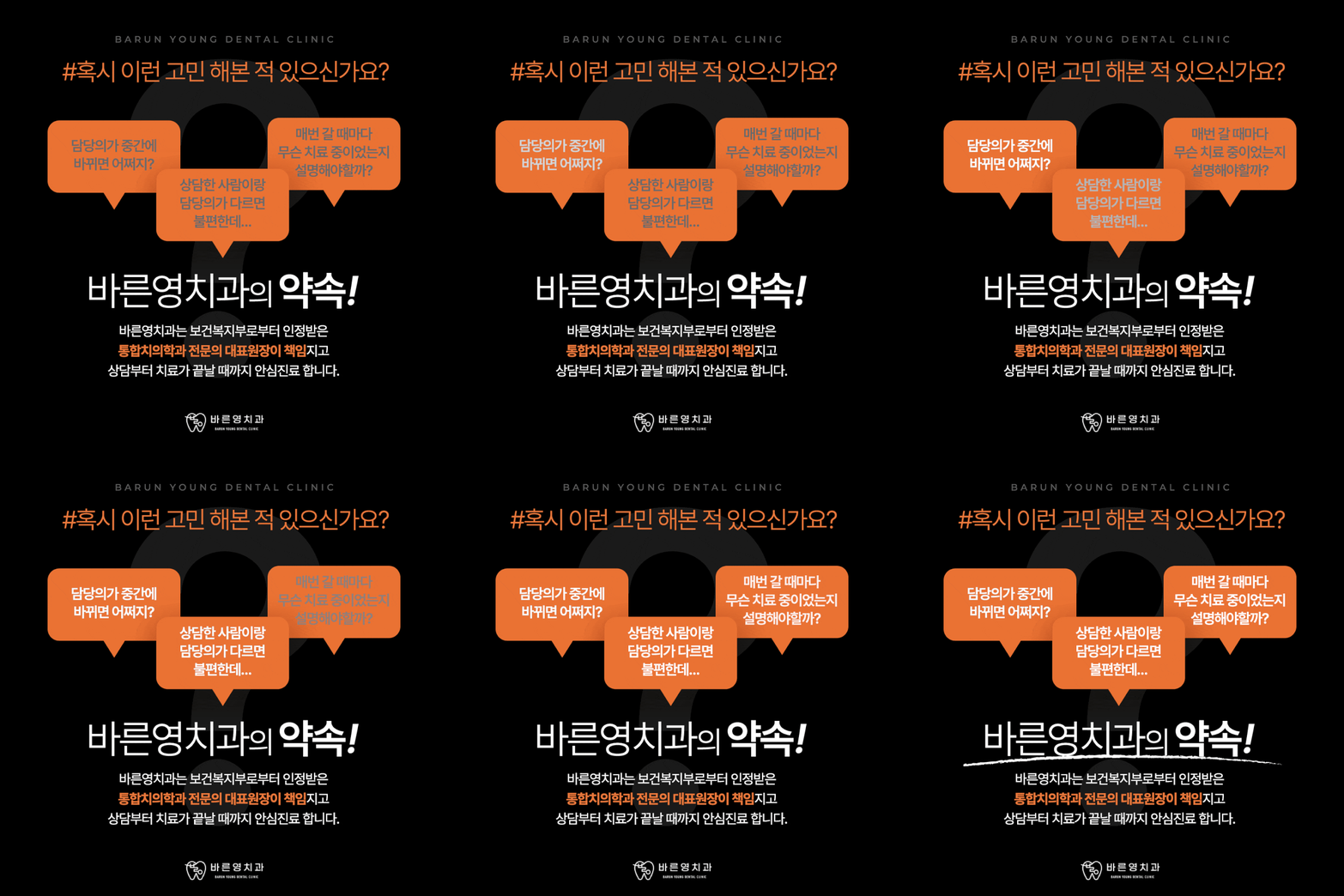
At Bareunyoung Dental Clinic in Yaksu-dong, for all treatments, we provide thorough explanations, even if it takes a long time, to ensure patients understand. To reduce the burden of pain during dental procedures, we offer a 3-step anesthesia system.
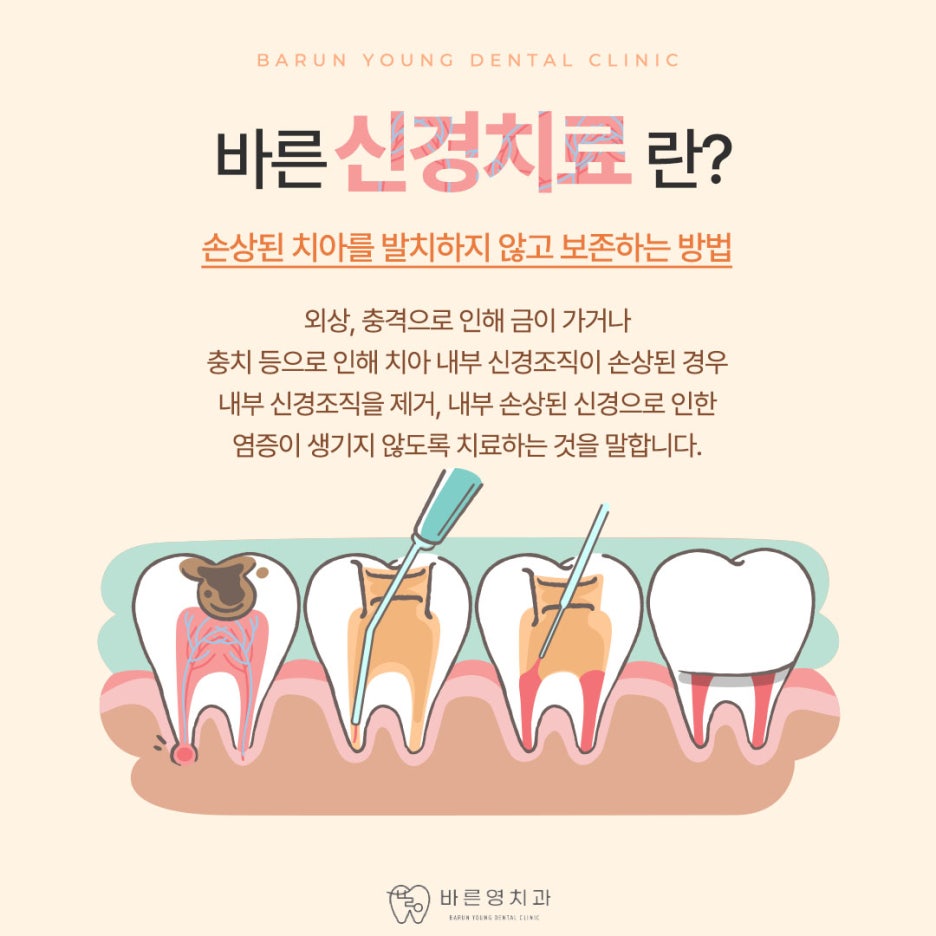
Furthermore, as all dental treatment tools enter the mouth, we use a 9-step sterilization system to ensure cleanliness and adhere to the principle of using one instrument per patient. In cases of severe cavities requiring root canal treatment, we utilize MTA root canal treatment, which promises excellent results for nerve and canal obturation, ensuring stable cavity and root canal treatment. Depending on the patient, we also assist with complex treatments such as apicoectomy and intentional replantation.
To use healthy natural teeth for a long time, it is important to have good lifestyle habits, but don't forget that it's also crucial to treat them through regular oral examinations before symptoms appear.
Bareunyoung Dental Clinic in Yaksu-dong is located on the 2nd floor, directly in front of Exit 6 of Yaksu Station. Parking is available when you visit, so please keep this in mind.





Frequently Asked Questions
Why shouldn't I postpone cavity treatment?
You shouldn't postpone cavity treatment because cavities are an oral disease that worsens over time. If detected early, treatment is possible within a relatively short period and at a lower cost. However, if you visit late, the treatment difficulty may increase, and the cost, as well as the treatment and recovery period, may be prolonged.
What are the basic methods for preventing cavities?
The most basic method for preventing cavities is to brush your teeth thoroughly three times a day. Additionally, it is very important to receive regular scaling to remove plaque and tartar between teeth that toothbrush bristles cannot reach.
How are cavities classified, and how do treatments differ for each stage?
Cavities are broadly classified into four stages. Stage 1 (enamel) is treated with resin, Stage 2 (dentin) with inlays, Stage 3 (nerve) with root canal treatment followed by a crown, and Stage 4 (pulp necrosis) involves extraction followed by artificial tooth restoration like implants.
What symptoms appear in Stage 3 cavities?
In Stage 3 cavities, toothache is felt even without specific stimulation, and sensitivity symptoms begin to interfere with daily life. At this stage, the cavity has invaded the nerve.
How does Bareunyoung Dental Clinic in Yaksu-dong treat cavities?
Bareunyoung Dental Clinic in Yaksu-dong prioritizes saving natural teeth, with the director of integrated dentistry providing 1:1 responsible care. After precise 3D-CT diagnosis, a personalized treatment plan is established, and safe and comfortable treatment is provided through a 3-step anesthesia system and a 9-step sterilization system.
How does scaling help prevent cavities?
Scaling helps prevent cavities by removing plaque and tartar that are difficult to remove with brushing, thereby reducing the environment conducive to cavity formation. Additionally, during scaling treatment, early-stage cavities that have not yet shown symptoms can be detected and treated promptly.