2026-09-03
Where to Get Midlife Eye Surgery: The Key to Naturally Younger-Looking Eyes Lies Elsewhere
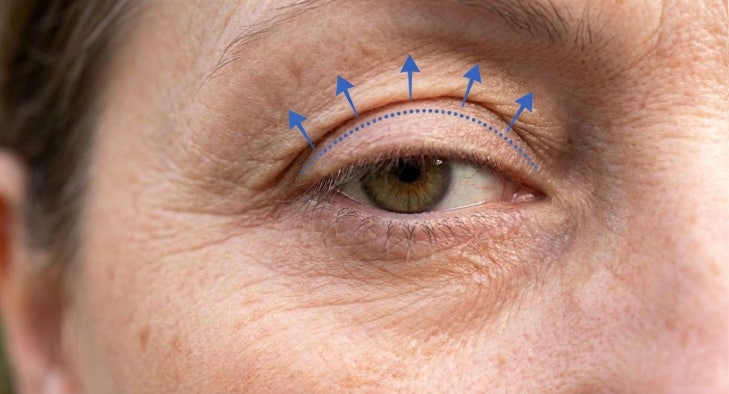
For midlife eye surgery, the key to a naturally younger look isn't just about removing excess skin. It involves a structural approach, distinguishing the cause of eyelid sagging, and prioritizing fat repositioning over simple removal for a balanced, harmonious result.
※ This article is intended to provide medical information.
It is not subject to deliberation under Article 56, Paragraph 2 and Article 57 of the Medical Act,
and is not an advertising post unrelated to the content of deliberation.
Hello,
I am Park Jeong-geun,
Director of Face Plus Plastic Surgery Clinic.
When consulting for midlife eye surgery,
I most often hear, ‘I want to look younger without it being obvious.’
The area around the eyes is where signs of aging first appear,
so even a slight overcorrection can immediately look unnatural.

In reality, even with the same surgery,
some people achieve a naturally refined look,
while others are left with a strong ‘operated look.’
This difference stems not from technique,
but from the criteria used in the surgical design.
Table of Contents | ||
1. Structural Approach, Not Simple Excision 2. Distinguishing the Cause of Eyelid Sagging 3. Criteria for Fat Removal vs. Repositioning 4. Why Overcorrection Looks Unnatural |
1. Structural Approach, Not Simple Excision
What’s important in midlife eye surgery
is not simply cutting away loose skin.
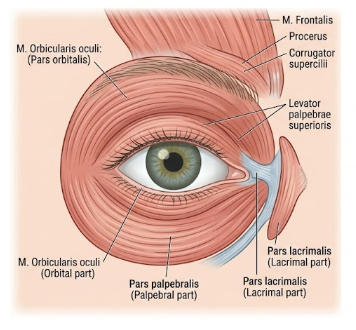
The area around the eyes is a structure where skin, muscle, and fat work together,
so adjusting only one part can easily disrupt the balance.
For example, if too much skin is removed,
the eyes might look more constricted rather than clearer.
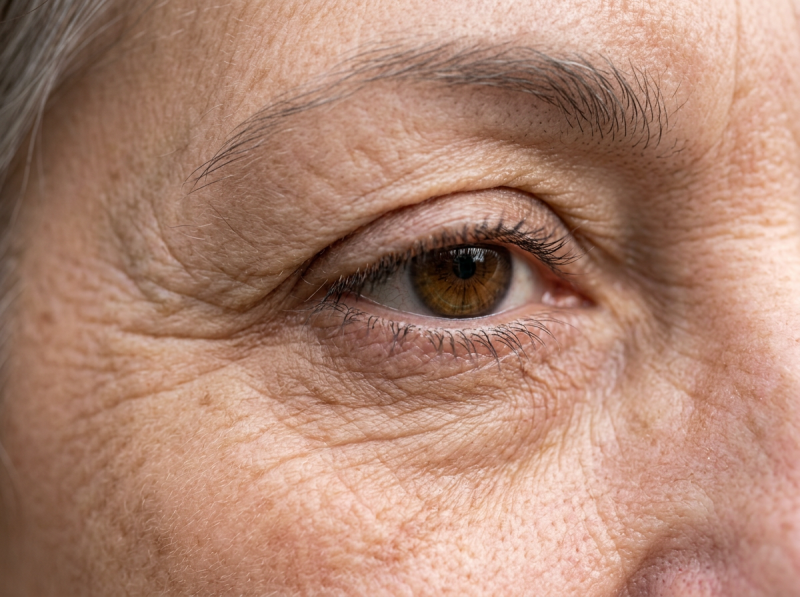
To achieve natural results,
an approach that considers the entire structure together
and adjusts only as much as needed is used.
2. Distinguishing the Cause of Eyelid Sagging
Sagging that appears in midlife eyes
does not have a single cause.
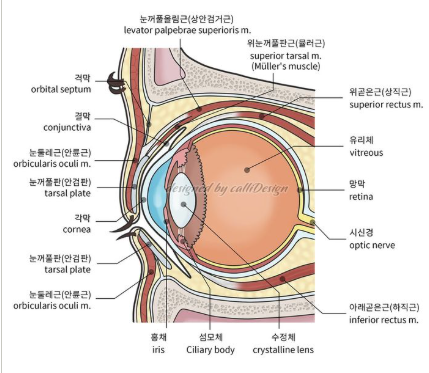
While skin laxity is one cause,
weakness in the muscles that open the eyes can also be a factor.
Additionally, drooping eyebrows
can make the eyelids appear more saggy.

If these three factors are not distinguished and a single approach is used,
the result can be unnatural or appear like a recurrence.
Therefore, pre-surgical cause analysis
is key to determining the direction of the outcome.
3. Criteria for Fat Removal vs. Repositioning
Unconditionally removing fat from under the eyes or eyelids
is not always the best choice.
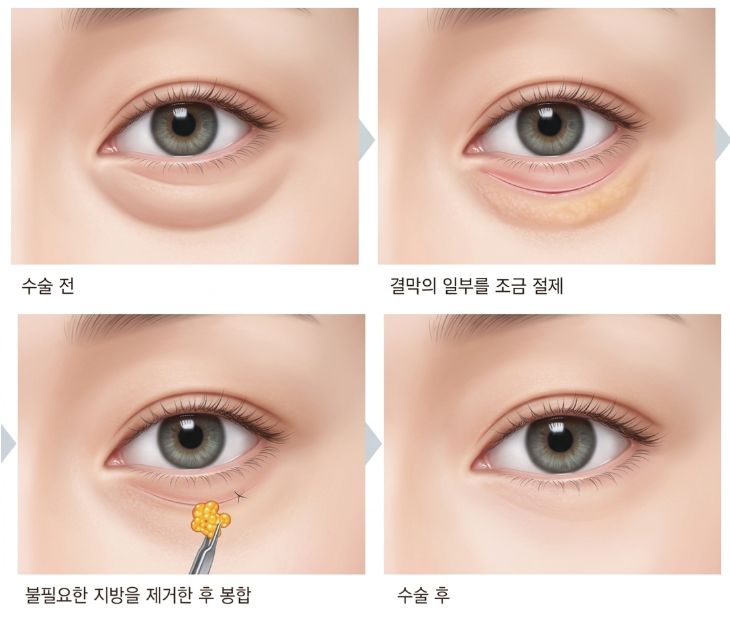
Excessive fat removal can emphasize a hollowed look,
making one appear older.
Conversely, when necessary, it’s important to move or
reposition fat to fill hollowed areas
and create a smooth line.
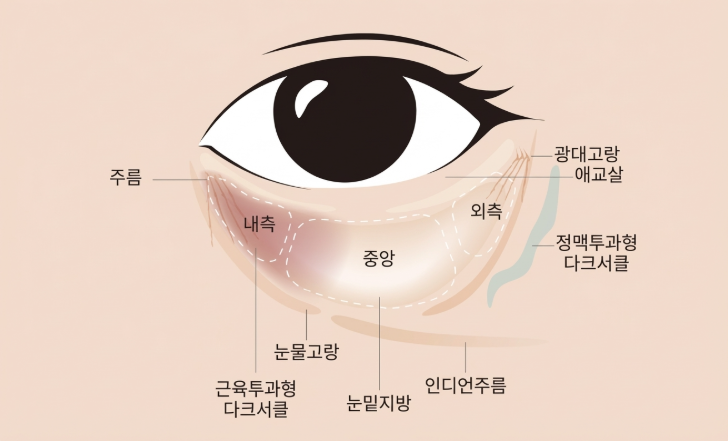
Recently, approaches that create natural results
often focus on ‘repositioning’ rather than removal.
4. Why Overcorrection Looks Unnatural
When there is an desire to make the eyes larger,
overcorrection can lead to sharp eye contours
or an unnatural expression.
Especially in midlife, rather than trying to replicate a youthful eye shape,
it’s important to find a balance that suits the current face.
Naturally younger-looking results
may not seem like a dramatic change,
but they lead to an overall refined impression.
Therefore, a ‘less-is-more’ design
often leads to better results.
Midlife eye surgery is not just about eliminating sagging;
it’s a process of refining one’s overall impression.
The key to achieving naturally younger-looking results
is not to change a lot, but to precisely adjust only the necessary parts.
Ultimately, the important criterion is not just looking at the eyes,
but how to balance them with the entire face.
-Operating Hours-
Weekdays 9:00 ~ 18:00 Saturdays 9:00 ~ 16:00 Public Holidays / Sundays Regular closure |
-Contact Us-
Face Plus Plastic Surgery Clinic | ||
Consultation Phone: 02-541-8500 Inquiries: KakaoTalk Inquiry |
-Directions-
Where to get midlife eye surgery
Frequently Asked Questions
What is the most important consideration for midlife eye surgery?
Yes, for midlife eye surgery, the most important thing is to look naturally younger without it being obvious. Beyond simply excising loose skin, the key is to comprehensively consider the skin, muscle, and fat structure around the eyes to achieve balance with the entire face.
Is there only one cause for eyelid sagging?
No, there are various causes for eyelid sagging. It can be due to loose skin, weakened muscles that open the eyes, or eyebrows that have descended, making the eyelids appear more saggy. Accurate analysis of the cause before surgery is crucial.
Should fat always be removed during midlife eye surgery?
No, unconditionally removing fat is not always the best choice. Excessive removal can emphasize a hollowed look, making one appear older. When necessary, it is important to move or reposition fat to create a smooth line by filling in hollowed areas.
Can excessive eye surgery lead to unnatural results?
Yes, overcorrection can make the eye contours sharp or expressions unnatural. In midlife eye surgery, rather than trying to replicate a youthful eye shape, finding a balance that suits the current face and precisely adjusting only the necessary parts leads to natural results.
How can one achieve natural results after midlife eye surgery?
For natural results, it is important to consider the balance with the entire face, not just the eyes. A ‘less-is-more’ design, precisely adjusting only the necessary parts, can often lead to better outcomes.