2026-09-03
Where is the difference in a good forehead reduction surgery? Naturalness, Scars, Design Standards
Considering forehead reduction surgery? This article outlines key criteria for a successful procedure: achieving natural harmony with facial proportions, minimizing scars through precise surgical techniques, and creating a balanced, aesthetic hairline design.
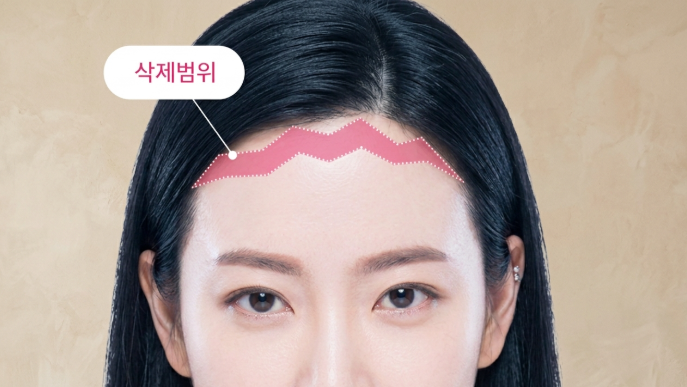
※ This article is written for the purpose of providing medical information.
It is not subject to deliberation under Article 56, Paragraph 2 and Article 57 of the Medical Act,
and is not an advertising post unrelated to the content of the deliberation.
Where is the difference in a good forehead reduction surgery?
Hello,
I am Park Jung-geun,
Director of Face Plus Plastic Surgery Clinic.

Many people consider forehead reduction surgery
because their forehead appears wide.
However, when they actually look into it, the criteria for ‘where does it well’
can feel ambiguous.

This surgery is not simply about reducing length;
it involves facial proportions, scars, and design,
leading to quite significant differences in results.
Therefore, it is important to know the exact criteria
when evaluating.
Table of Contents | ||
1. Criteria for Naturalness 2. Reasons for Scar Differences 3. Why Design Determines the Outcome |
1. Criteria for Naturalness
The most important aspect of forehead reduction surgery is not how many centimeters
were reduced, but how harmoniously it fits with the face.
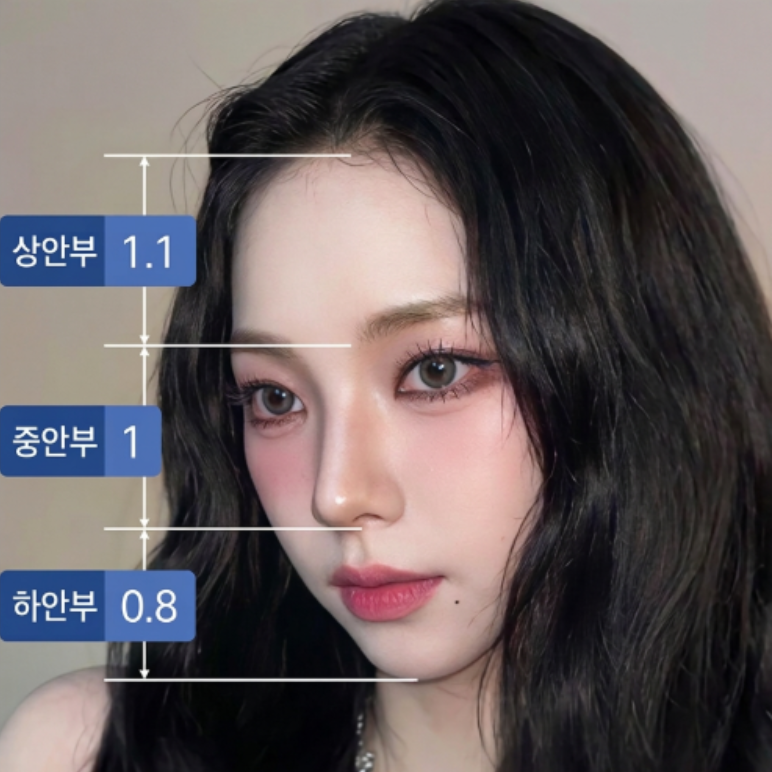
The forehead is connected to the eyebrows and eyes, so even a slight change in position
can alter one’s impression.
In fact, changes in forehead and eyebrow position alone often change the overall
atmosphere of the face.
A naturally well-done result creates a balanced proportion of the forehead, midface, and lower face,
giving a comfortable impression.
Conversely, if only the length is reduced, the forehead might appear constricted
or create an awkward feeling.
2. Reasons for Scar Differences
While an individual’s constitution influences scarring, differences are often more significant
due to the surgical method.
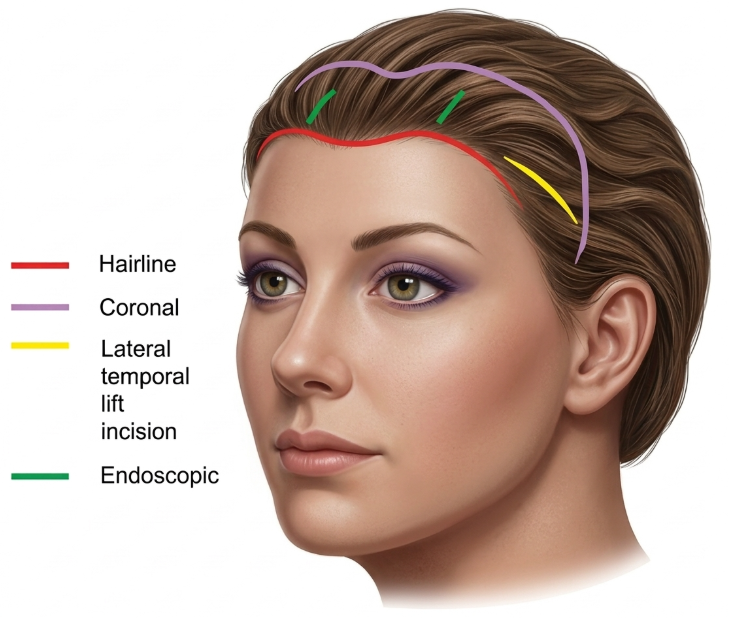
The key is where the incision is made and how the tension on the skin
is distributed.
If the incision is placed directly at the hairline border, the scar is more likely
to be visible.
A method that naturally hides the incision among the hair follicles is much
less noticeable.
Furthermore, if only the skin is strongly pulled and sutured,
the scar can widen over time.
Conversely, if the tissue is stably fixed and tension is
distributed, the scar will heal in a way that it gradually fades.
3. Why Design Determines the Outcome
The biggest factor determining the outcome of forehead reduction surgery
is not the length, but the shape of the hairline.
In naturally well-done cases, the forehead line
is round and smoothly connected, blending well with the face shape.
Especially, the balance between the central and side lines, and correction of left-right asymmetry
are important points.
Conversely, if the design is simple, it can create an awkward line that appears straight
or a feeling like wearing a wig.

Also, a hairline that does not match the eyebrow position can make the overall impression
unnatural.
Ultimately, forehead reduction surgery is not a simple reduction but
a design surgery that considers the entire face.
Ultimately, forehead reduction surgery is not a simple reduction but
a design surgery that considers the entire face.

When judging a good place for forehead reduction surgery, the criteria are
clearer than you might think.
Whether it is naturally designed based on facial proportions,
whether incisions are made considering scars and tension is distributed,
and how meticulously the hairline design is created – focusing on these three points
will make the direction much clearer.
Even knowing just these criteria, you can sufficiently
distinguish differences in results.
-Operating Hours-
Weekdays 9:00 ~ 18:00 Saturdays 9:00 ~ 16:00 Public Holidays / Sundays Regular closure |
-Contact Us-
Face Plus Plastic Surgery Clinic | ||
Consultation Phone: 02-541-8500 Inquiries: KakaoTalk Inquiry |
-Directions-
Good forehead reduction surgery
Frequently Asked Questions
What are the most important criteria in forehead reduction surgery?
Yes, the most important aspect of forehead reduction surgery is not how many centimeters are reduced, but how harmoniously it blends with the entire face. The forehead is connected to the eyebrows and eyes, so even a slight change in position can alter one’s impression. Therefore, achieving a balanced proportion of the forehead, midface, and lower face creates a natural result.
How are scars managed after forehead reduction surgery?
While an individual’s constitution influences scarring, it can vary significantly depending on the surgical method. By making incisions among the hair follicles rather than at the hairline border, and by stably fixing the tissue to distribute tension instead of strongly pulling and suturing the skin, scars can heal in a way that they gradually fade.
Why is design important in forehead reduction surgery?
Yes, the biggest factor determining the outcome of forehead reduction surgery is not the length, but the shape of the hairline. A round and soft forehead line that blends well with the face shape, along with a balanced central and side line and correction of left-right asymmetry, plays a crucial role in creating a natural impression.
How can one achieve natural results in forehead reduction surgery?
For natural results, a design that considers the entire facial proportion is important. It is necessary to balance the forehead, midface, and lower face, and design a hairline that harmonizes with the eyebrow position. The approach should be a design surgery that considers the entire face, not just a simple reduction in length.
Are there ways to reduce scars in forehead reduction surgery?
Yes, there are ways to reduce scars. By naturally hiding the incision among the hair follicles rather than at the hairline border, and by using a surgical method that stably fixes the tissue and distributes tension instead of strongly pulling and suturing the skin, scars can be less noticeable and gradually fade.