2026-09-03
What to Know Before a Facelift Recovery Consultation: Recovery Period and Aftercare
Understanding facelift recovery, including timelines for swelling, bruising, and return to daily life, is crucial. This guide covers the recovery process, aftercare methods, and key questions to ask during your consultation for a smoother experience.
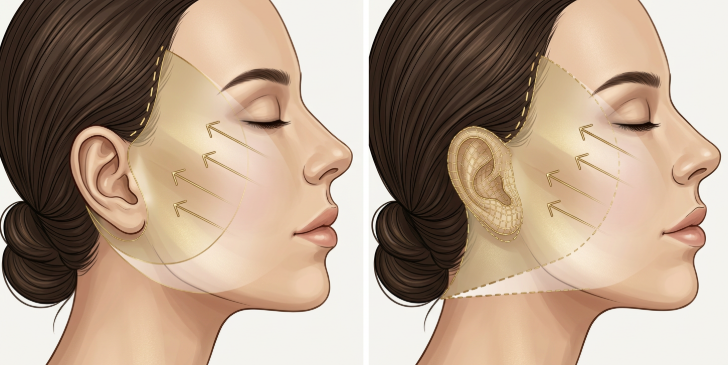
※ This article is for the purpose of providing medical information.
It is not subject to deliberation under Article 56, Paragraph 2 and Article 57 of the Medical Service Act,
and we inform you that it is not an advertising post unrelated to the content of the deliberation.
Hello,
I am Dr. Jung-Geun Park,
Director of Faceplus Plastic Surgery Clinic.
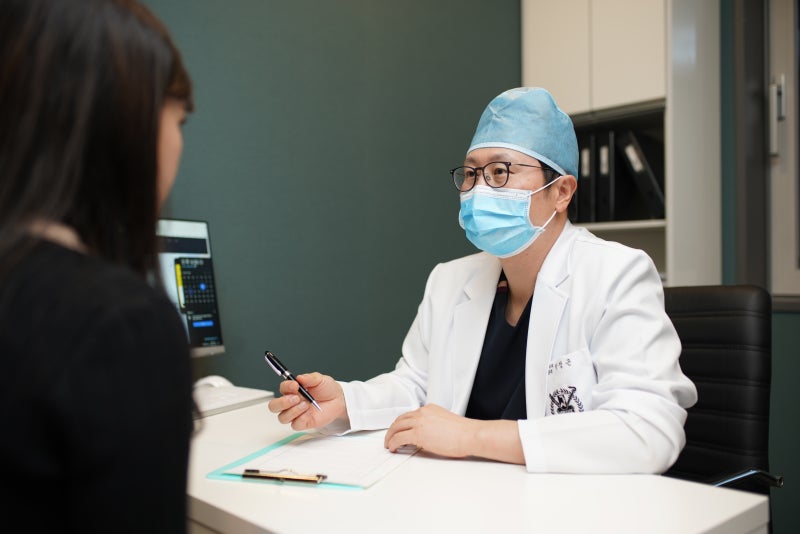
Many people consider a facelift because as they age, their jawline blurs and their face feels heavy.
However, there's something they're even more curious about than the surgery itself:
‘How long does recovery take?’
‘When can I return to daily life?’
These are common questions.

Since this aspect is as important as the result,
understanding and preparing for it in advance is much more helpful.
Today, I will summarize the facelift recovery process and aftercare methods,
based on what I explain in actual consultations.
Table of Contents | ||
1. How does facelift recovery proceed? 2. Recovery process and changes by period 3. Aftercare methods that influence recovery 4. Criteria you must know before a consultation |
1. How does facelift recovery proceed?
A facelift is not a simple procedure; it's a surgery that addresses the skin, SMAS layer,
and deep tissues together.
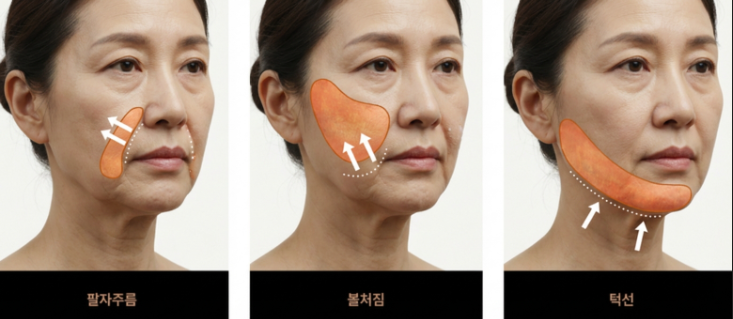
Therefore, it's best to understand recovery not just as the swelling subsiding,
but as a process where tissues resettle and stabilize.
In methods that address deep layers, such as a deep plane facelift,
the skin and muscles move together and settle as one, so while there is initial swelling,
it typically results in a natural appearance in the long term.
The important point is not ‘how quickly you recover’ but ‘how stably the tissues settle’.
2. Recovery process and changes by period
Immediately after surgery and for about 1 week, swelling and bruising are most noticeable.
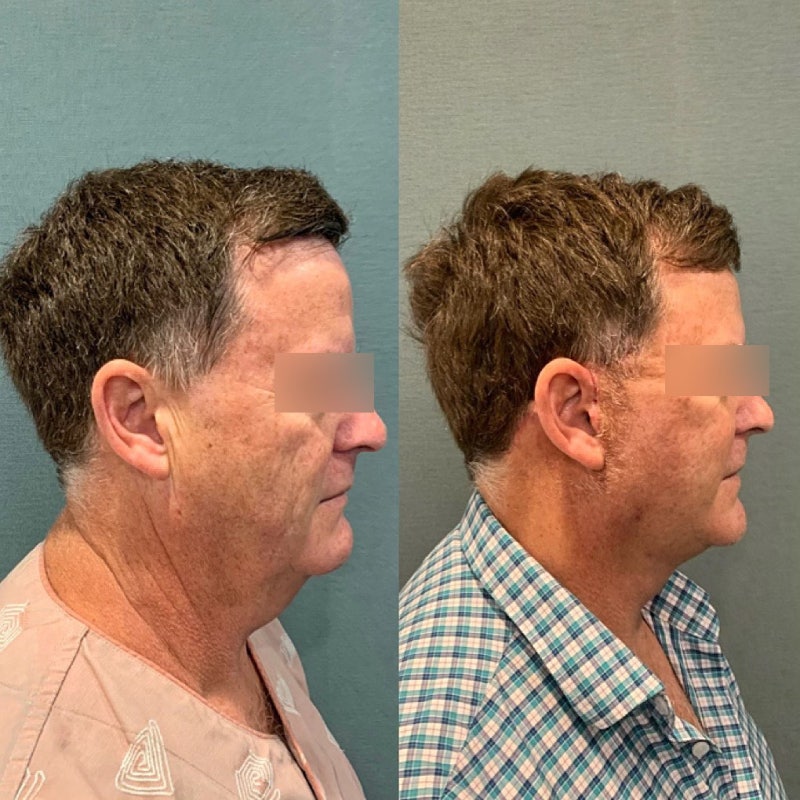
During this period, you may need to avoid going out or adjust your schedule.
After about 2 weeks, most of the major swelling subsides,
and the visible areas recover to a level where daily life is possible.
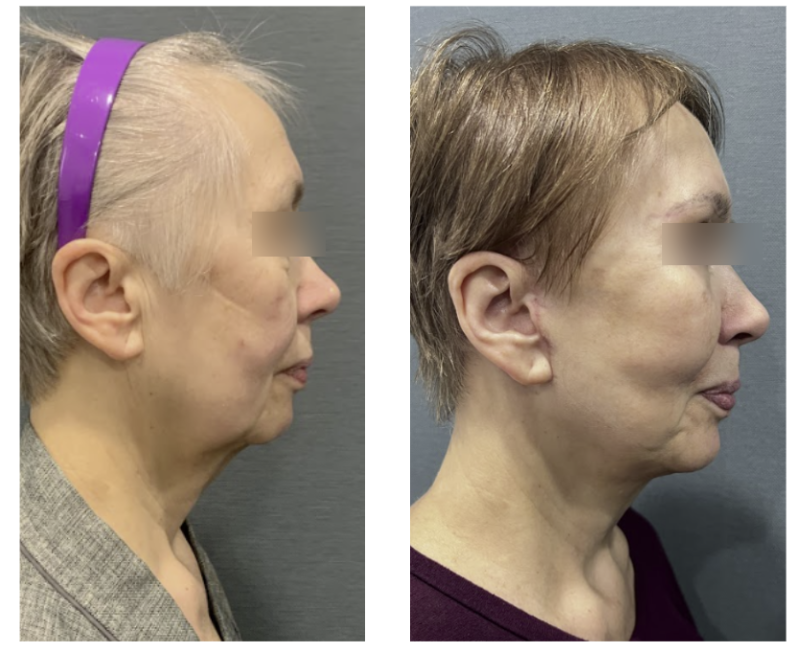
However, the internal tissues are not yet fully stable.
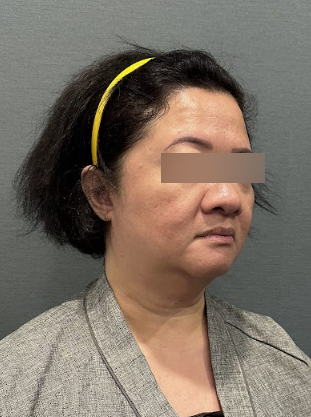
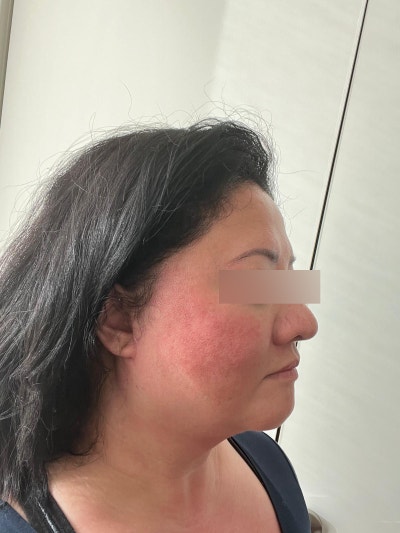
Between approximately 1 to 3 months, residual swelling and tightness gradually decrease,
and the facial contours become increasingly natural.
A facelift's final results are typically assessed around 6 months post-surgery.

This is because it's the point when scar tissue matures and internal structures stabilize.
3. Aftercare methods that influence recovery
The most important aspect of the recovery process is to avoid excessive stimulation
and maintain a stable state.

Initially, cold compresses help manage swelling, and after a certain period,
switching to warm compresses can aid circulation.
Additionally, maintaining a slightly elevated head position while sleeping helps reduce swelling.
It's best to avoid vigorously touching or massaging the face in the early stages,

and activities that drastically increase blood flow, such as exercise or saunas,
also need to be restricted for a certain period.
A facelift is not just about tightening the surface; it involves the internal tissues as well.
Therefore, minimizing external stimulation until the tissues stabilize aids recovery.
4. Criteria you must know before a consultation
When you have a consultation, it's not just about
‘How much will it lift?’
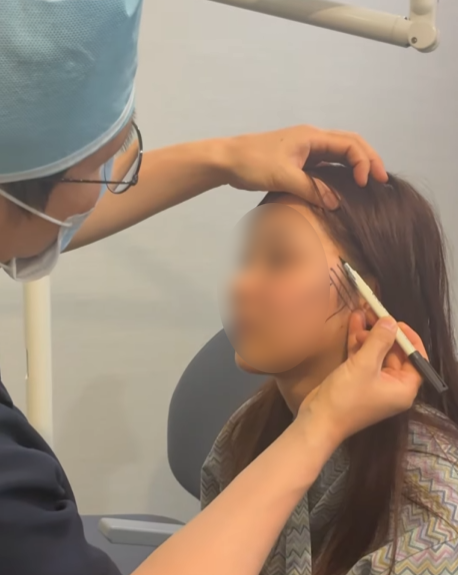
It's crucial to also confirm ‘how the recovery process will proceed’.
Specifically, you should check if they explain when daily life is possible, how much swelling and bruising to expect,
and when the final results will be judged.
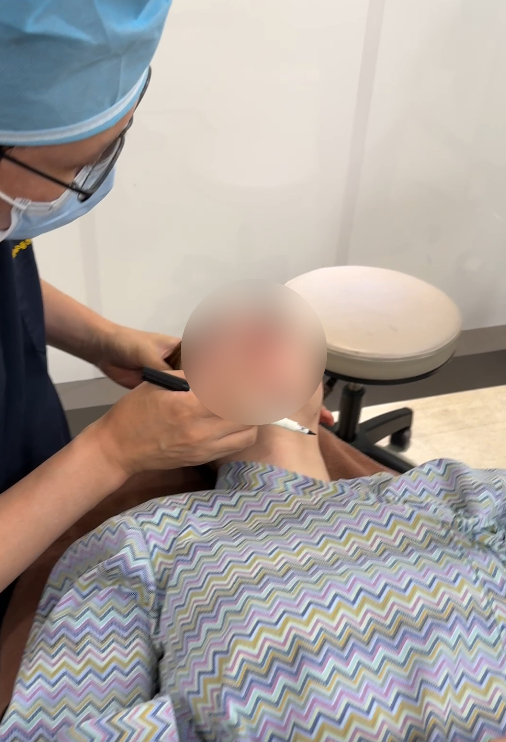
Also, since the recovery pattern can vary depending on the surgical method,
an explanation of whether it's a skin-only approach or a deep-layer approach is important.
For a facelift, the outcome is important, but understanding and preparing for the entire process
significantly impacts satisfaction.
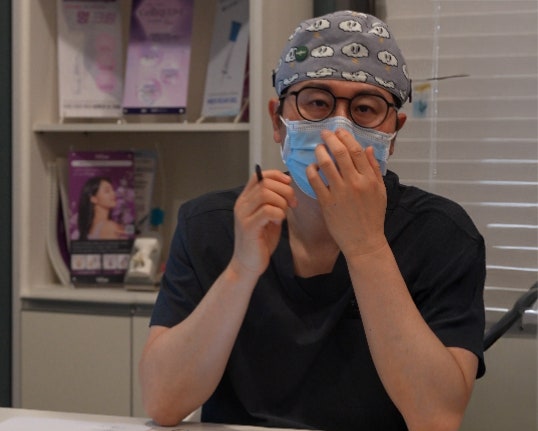
Knowing and preparing in advance can make the recovery process itself feel much more comfortable.
-Operating Hours-
Weekdays 9:00 ~ 18:00 Saturdays 9:00 ~ 16:00 Public Holidays / Sundays Regular closure |
-Contact Us-
Faceplus Plastic Surgery Clinic | ||
Consultation Phone: 02-541-8500 Inquiries: KakaoTalk Inquiry |
-Directions-
Facelift Aftercare
Facelift Aftercare
Frequently Asked Questions
How long does the recovery period take after a facelift?
The final recovery from a facelift is usually assessed around 6 months post-surgery. Swelling and bruising are most severe during the first week after surgery, and after about 2 weeks, most major swelling subsides, allowing for a return to daily life in terms of visible appearance. Complete stabilization of internal tissues requires more time.
When do swelling and bruising disappear after a facelift?
Swelling and bruising are most noticeable immediately after surgery and for about 1 week. After about 2 weeks, most major swelling subsides, and between approximately 1 to 3 months, residual swelling and tightness gradually decrease, leading to a natural refinement of the facial contours.
When can I resume daily activities after a facelift?
Typically, after about 2 weeks post-surgery, most major swelling subsides, and the visible areas recover to a level where daily life is possible. However, internal tissues are not yet fully stable, so it's best to avoid excessive activities.
What aftercare methods help with recovery after a facelift?
The most important aspect of the recovery process is to avoid excessive stimulation and maintain a stable state. Initially, cold compresses help manage swelling, then switch to warm compresses. Maintaining a slightly elevated head position while sleeping is also beneficial. Facial massages, strenuous exercise, and saunas should be avoided for a certain period.
What should I confirm during a facelift consultation?
During a consultation, it's best to specifically confirm not just the degree of lift, but also how the recovery process will proceed, when daily life is possible, how much swelling and bruising to expect, and when the final results will be judged. An explanation of the surgical method is also important.
Can I exercise or go to a sauna after a facelift?
No, for a certain period after surgery, it's necessary to restrict activities that drastically increase blood flow, such as exercise or saunas. A facelift involves internal tissues, so minimizing external stimulation until the tissues stabilize aids recovery.