2026-07-20
What is Blepharitis? Causes, Symptoms, and Treatment Methods
Blepharitis is an inflammation of the eyelids, often caused by blocked meibomian glands due to bacteria, viruses, or debris. Symptoms include redness, swelling, and crusting, which can worsen if left untreated. Prevention involves good hygiene and omega-3 intake, while treatment ranges from eyelid cleansers to IPL therapy, depending on severity.

What is Blepharitis? Causes, Symptoms, and Treatment Methods
Clear up your blurry vision.
This is Gangnam Smile Eye Clinic.
Have you ever experienced something like a pimple on your eye,
or felt something unusual in your eyes?
If you've had such symptoms but dismissed them as minor,
you should visit a hospital now.
It's highly likely you have ‘blepharitis’.
If you're hearing about this condition for the first time or are unsure about its symptoms,
please read this post to the end.

What is Blepharitis (眼瞼炎)?
As the name suggests, it is an inflammation that occurs in the eye or eyelid.
The most common case is when the meibomian glands become blocked
due to bacteria, viruses, waste products, or dust,
leading to dysfunction, and typically appearing as acne-like bumps around the eyes.

Causes of Blepharitis
Causes include allergies that can trigger inflammation, infections like Demodex mites,
and seborrheic dermatitis.

From a general perspective,
it is a common condition that can occur if you don't wash your face properly,
don't remove makeup,
or touch your eyes with dirty, contaminated hands.

Symptoms of Blepharitis
Initial symptoms include
swelling or redness of the eyelids,
severe conjunctival hyperemia, increased viscosity of tears,
and an increase in eye discharge like crusts.
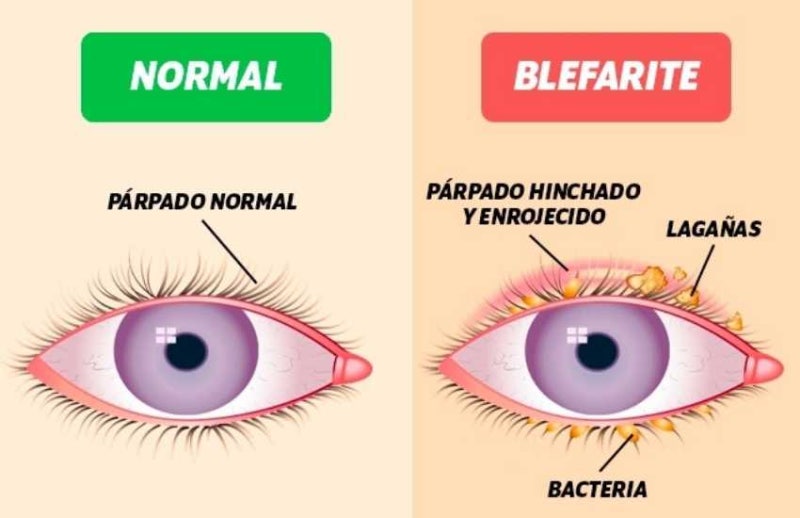
At this stage, problems such as frequent tearing
or a foreign body sensation in the eye may occur.
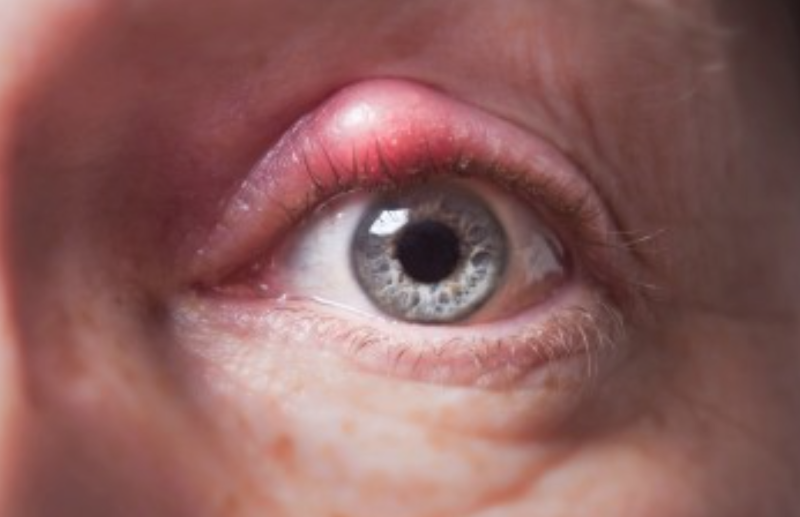
If symptoms worsen, changes such as redness, scabs, and acne-like lesions
may appear on the eyelids and their margins.
If the problem becomes severe, it can spread to sebaceous gland carcinoma,
causing significant swelling around the eye.
Preventing Blepharitis
More than 80% of this condition is due to problems with the function of the meibomian glands (oil glands in the eyes),
so managing this aspect is key.
The easiest method is to consume foods rich in omega-3 fatty acids,
which helps form clean fats and improve meibomian gland function.
Typical foods include mackerel, salmon, oysters, chia seeds,
walnuts, soybeans, and anchovies.

Washing your face with warm water to open the pores is also a good method.
Applying a warm towel compress to the eyes,
or using a warm eye mask or eye massager to stimulate the eyes can also be helpful.
Alternatively, visiting an ophthalmologist for professional meibomian gland expression using specialized equipment can also help.
Blepharitis Treatment Methods
Regarding this, we can discuss it after examining each individual's symptoms and progress.
For example, if there is a mild decrease in meibomian gland function,
we may prescribe an eyelid cleanser and combine it with additional treatments.
However, if the symptoms are severe and meibomian gland function is significantly reduced,
IPL treatment using specialized ophthalmological equipment may be necessary.

Furthermore, since the condition itself
is a disease that occurs because the eyes are vulnerable to bacterial/viral infections,
it is necessary to check for other diseases besides blepharitis through a precise examination,
and depending on the results, additional prescriptions and treatments,
or even surgery in severe cases, may be required.

‘Conclusion’
If you have read this far,
blepharitis is not a severe disease,
and you can sufficiently prevent it by paying attention to hygiene and cleanliness.
However, if you experience symptoms of blepharitis,
you should visit a nearby ophthalmologist as soon as possible.
The eyes are very sensitive organs,
but pain or symptoms do not appear quickly in this area,
so it may not end with just one disease,
and other complications or unexpected problems
may arise.
If you look in the mirror now and have a lot of eye discharge,
or have eyelid acne,
or any part of your eye looks different from normal,
do not ignore it and I recommend visiting an ophthalmologist for an examination and consultation.
▼ Phone Consultation ▼
☎ 02) 553-0210
▼ Go to KakaoTalk Consultation ▼
▼ Directions ▼
Frequently Asked Questions
What is blepharitis?
Blepharitis is, as the name suggests, an inflammation of the eyes or eyelids. It commonly appears like acne around the eyes, mainly when the meibomian glands become blocked due to bacteria, viruses, waste products, or dust, leading to dysfunction.
What are the main causes of blepharitis?
The main causes of blepharitis are diverse. They include allergies that cause inflammation, demodex mite infection, and seborrheic dermatitis. From a general perspective, common causes also include not washing the face properly, not removing makeup, and habitually touching the eyes with contaminated hands.
What symptoms appear if one gets blepharitis?
Initially, the eyelids may swell or become red, severe conjunctival hyperemia may occur, and the viscosity of tears may increase, leading to more eye discharge. If symptoms worsen, redness, crusts, and acne-like changes may appear on the eyelid margins, and in severe cases, it can even spread to sebaceous gland carcinoma.
How can blepharitis be prevented?
To prevent blepharitis, managing meibomian gland function is important. Consuming foods rich in omega-3 fatty acids, washing the face with warm water to open pores, and using warm towel compresses or heated eye masks can also help. Professional sebum expression at an ophthalmologist's office is also a good method.
How is blepharitis treated?
Blepharitis treatment varies depending on the individual's symptoms and progression. In mild cases, eyelid cleanser prescriptions are combined with additional treatments, while severe symptoms may require treatment using specialized equipment such as IPL therapy. As it is susceptible to bacterial infection, additional prescriptions or surgery may be necessary after a precise examination.
Is blepharitis a serious disease?
Blepharitis itself is not a serious disease and can be sufficiently prevented by focusing on hygiene and cleanliness. However, the eyes are sensitive organs, so if symptoms appear, complications or other problems may arise, making it important to visit an ophthalmologist as soon as possible for examination and consultation.