2026-09-03
Upper Blepharoplasty Recovery Period: How Many Days Until You Can Return to Work? The Director Explains the Criteria for Returning to Daily Life.
Learn about upper blepharoplasty recovery, including typical swelling timelines, when you can return to work, and how to manage the healing process for a natural look.

※ This article is intended to provide medical information.
It is not subject to deliberation under Article 56, Paragraph 2 and Article 57 of the Medical Service Act,
and is not an advertisement unrelated to the content of deliberation.
Hello,
I am Park Jeong-geun,
Director of Faceplus Plastic Surgery Clinic.
Upper blepharoplasty is a method of removing excess skin and fat from the upper eyelids
to secure vision and create a clearer eye shape.
Outwardly, it may seem like simply excising skin,
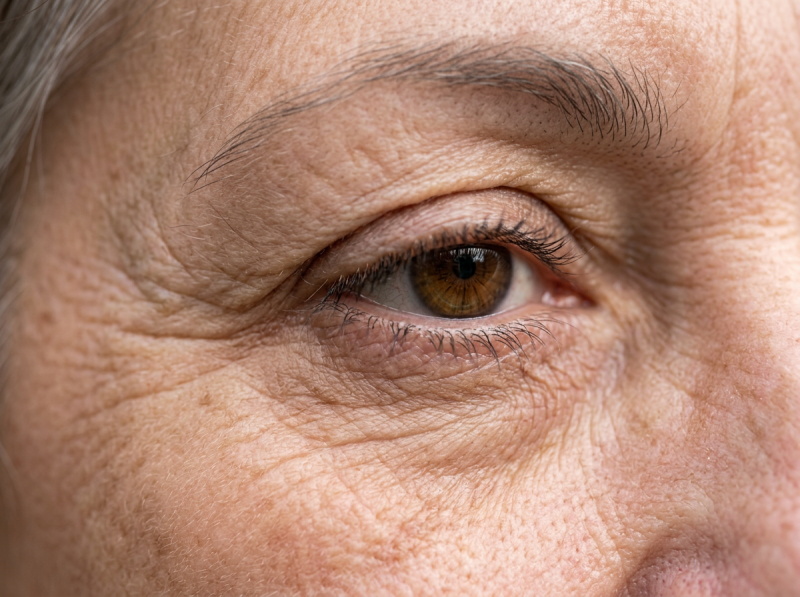
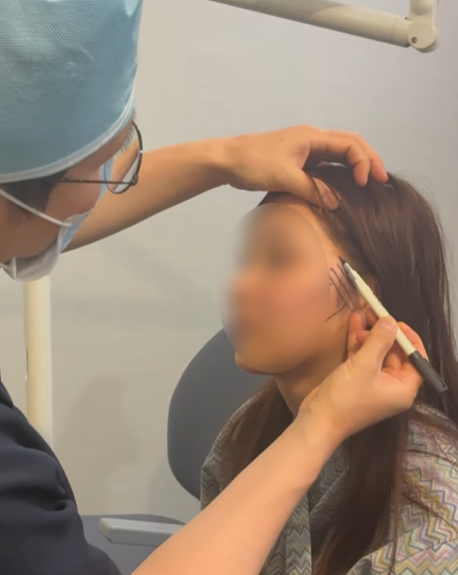
but in actual surgery, the position of muscles and fat, the degree of sagging,
and the strength of eye opening are all considered together.
Therefore, the recovery speed also varies depending on an individual's skin thickness,
tendency to bleed, and existing eye condition.
Generally, the most prominent swelling appears within 2-3 days
and then gradually subsides.
After about a week, most of the major swelling will have gone down, but
residual swelling may persist for several weeks.
This is why it is difficult to definitively state the exact number of days for the upper blepharoplasty recovery period.
However, you should distinguish between when you can return to work and when your eyes look natural.
How many days until I can return to work?
The most common question among working professionals is about
when they can return to work.
Stitches are usually removed around 5-7 days after surgery.
By this time, significant swelling and bruising have largely
subsided and can be covered with light makeup.
Therefore, if you don't have many face-to-face meetings, many people plan to return to work
after about a week.
However, if your job involves important meetings or meeting many people,
it is psychologically more comfortable to allow about 10 days.
Pain is most uncomfortable for 2-3 days immediately after surgery,
and then it subsides to a dull ache.
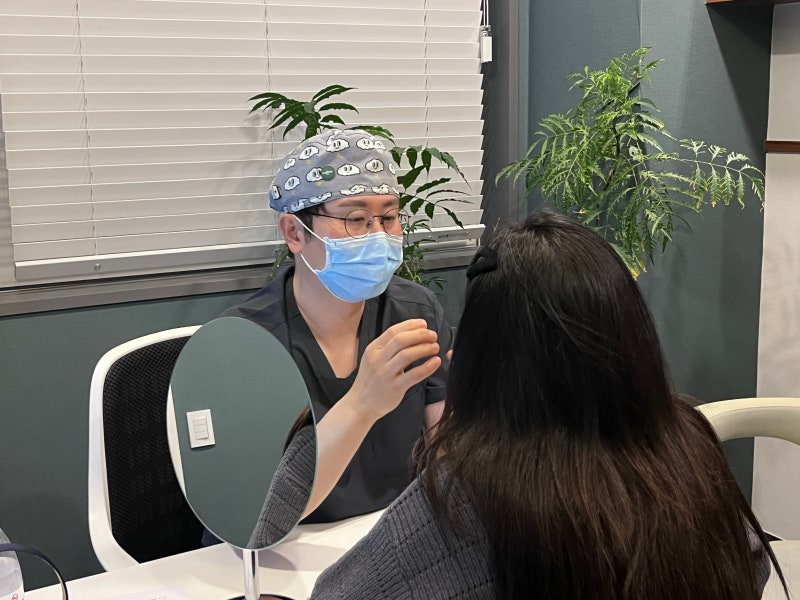
While daily activities are possible relatively quickly,
strenuous exercise or saunas should be avoided for at least 3-4 weeks.
Overexertion during the recovery phase can prolong swelling.
The most common changes experienced during recovery
In the early stages after surgery, your eyes may appear overly defined
or slightly unnatural.
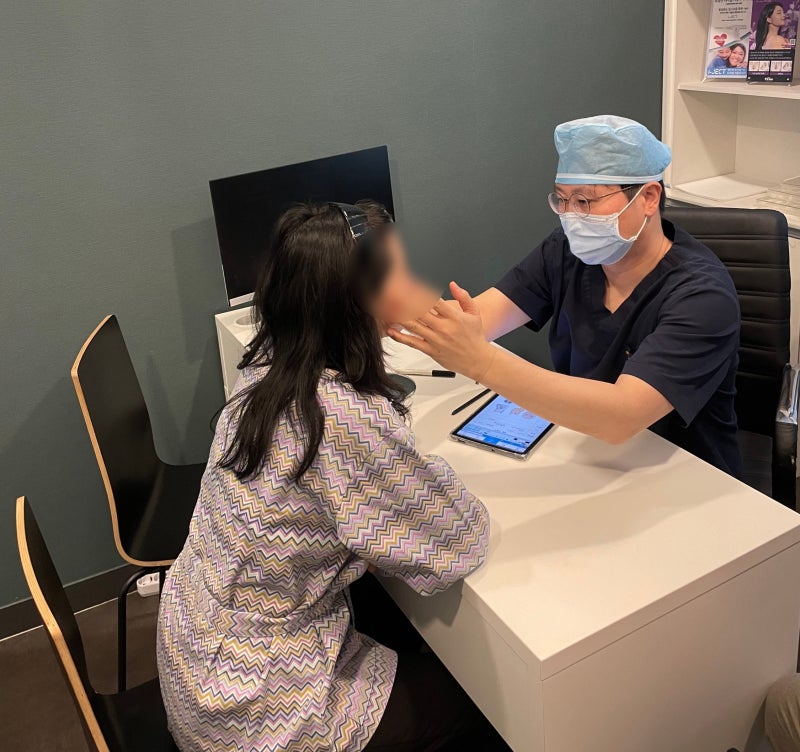
This is due to the tightened skin and swelling, and
it gradually settles into a softer appearance over time.
Bruising varies greatly from person to person but usually fades within 1-2 weeks.
You may feel a pulling sensation when opening your eyes upwards, but
this is part of the tissue stabilization process.
Cold compresses should be applied intensively for the first 2-3 days,
and then switching to warm compresses can help with absorption.
We do not recommend excessively practicing opening your eyes frequently
or performing strong massages to speed up recovery.
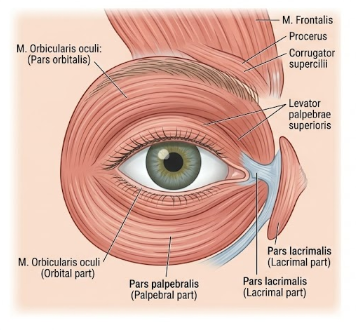
Upper blepharoplasty is a surgery that adjusts not only the skin but also the internal structures,
so a stabilization period is required.
What are the criteria for a natural return to daily life?
The criteria for returning to daily life are not simply the timing of stitch removal.
The naturalness where people around you barely notice that you've had surgery usually
appears from the 2-3 week mark.
Of course, individual differences exist.
If you are a working professional, it is realistic to plan your vacation to allow for at least a week,
or preferably 10 days or more.
Ways to shorten the upper blepharoplasty recovery period include
reducing strenuous activities, taking prescribed medications regularly,
and basic care such as not rubbing your eyes.
Since pain and swelling largely resolve with time,
it is important to let go of impatience.
Upper blepharoplasty is not just a cosmetic procedure but
a surgery that involves functional improvement.

If you receive sufficient explanation and plan according to your lifestyle,
you can return to your daily life stably.
-Operating Hours-
Weekdays 9:00 ~ 18:00 Saturdays 9:00 ~ 16:00 Public Holidays / Sundays Regular closure |
-Contact Us-
Faceplus Plastic Surgery Clinic | ||
Consultation Phone: 02-541-8500 Inquiries: KakaoTalk Inquiry |
-Directions-
Upper Blepharoplasty Recovery Period
Frequently Asked Questions
When is swelling most severe after upper blepharoplasty and when does it subside?
Swelling is most prominent 2-3 days after surgery. Most major swelling subsides after about a week, but residual swelling can persist for several weeks. Apply cold compresses intensively for the first 2-3 days, then switch to warm compresses to help with swelling absorption.
When can I return to work after upper blepharoplasty?
Typically, around 5-7 days after stitch removal, major swelling and bruising have resolved enough to be covered with light makeup. Therefore, if you don't have many face-to-face meetings, you can plan to return to work after about a week. If your job involves frequent important meetings, it's advisable to allow about 10 days.
How severe is the pain after surgery?
Pain may be most uncomfortable for 2-3 days immediately after surgery. After that, it subsides to a dull ache. It's important to take prescribed medication regularly for pain management, and the pain will gradually improve over time.
When can I exercise or use a sauna after upper blepharoplasty?
Strenuous exercise or saunas should be avoided for at least 3-4 weeks. While daily activities are possible relatively quickly, caution is needed as overexertion during the recovery phase can prolong swelling.
When will the results look natural and not obviously surgical?
The naturalness where people around you barely notice that you've had surgery usually appears from the 2-3 week mark. In the early stages after surgery, your eyes may appear overly defined or slightly unnatural, but they will gradually settle into a softer appearance over time.
Are there ways to speed up recovery after upper blepharoplasty?
Yes, to speed up recovery, it's important to reduce strenuous activities, take prescribed medications regularly, and follow basic care such as not rubbing your eyes. Combining cold and warm compresses appropriately and allowing for a stable recovery period without impatience is recommended.