2026-09-03
Thread Lift Pain: Is It Bearable? What to Know Before the Procedure
Considering a thread lift? This article addresses common concerns about thread lift pain, from what to expect during and after the procedure to how long the discomfort might last. Learn about factors influencing pain levels and crucial points to discuss with your doctor before undergoing the treatment.
※ This article is intended to provide medical information.
It is not subject to review under Article 56, Paragraph 2 and Article 57 of the Medical Service Act,
and is not an advertisement unrelated to the content of the review.
Hello,
I am Dr. Jung-Keun Park,
Director of Faceplus Plastic Surgery Clinic.

If you notice your cheeks or jawline
looking more saggy than before every time you look in the mirror,
you might consider a lifting procedure.
However, once you start researching,
a concern as significant as the desired effect is
thread lift pain.
Since threads are inserted into the face,
you might worry about how painful it will be, and if the pain will persist
even after the procedure is over.
The actual level of discomfort can vary depending on the anesthesia method,
the treated area, the type and number of threads used,
and an individual's pain sensitivity.
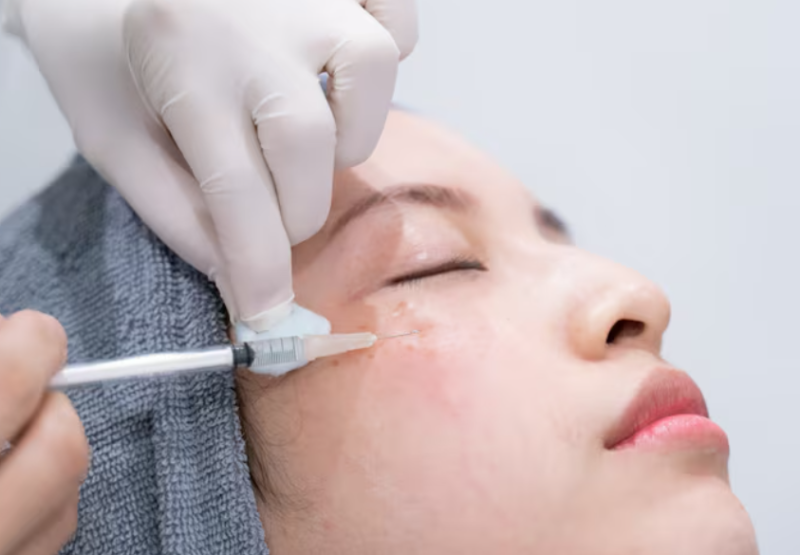
Today, we will systematically examine everything from
the degree of thread lift pain to
important points to know before the procedure.
Table of Contents | ||
1. Will it hurt much during the procedure? 2. What will it feel like after the procedure? 3. How long will the pain last? 4. What should be checked before the procedure? |
1. Will it hurt much during the procedure?
Thread lifts are generally performed
after administering anesthesia to the treatment area.
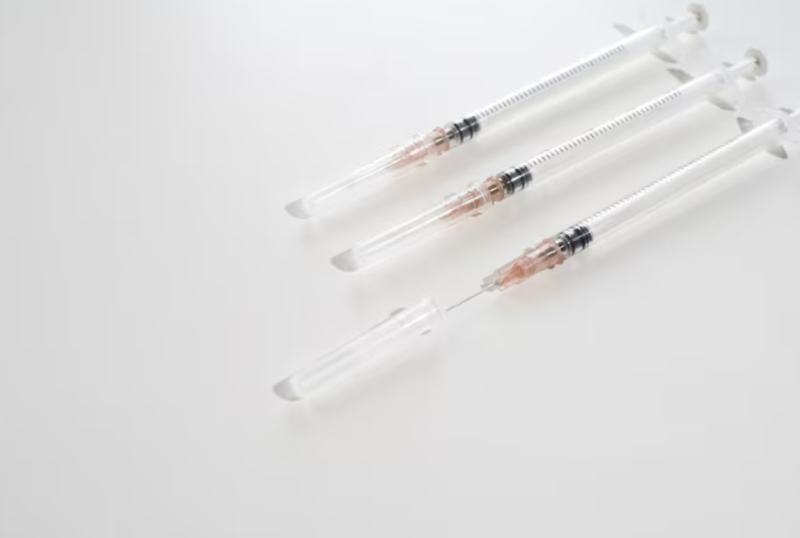
Therefore, it's difficult to conclude that you will
experience only intense pain throughout the procedure.
However, you might feel a stinging sensation during the anesthesia process
or a feeling of pressure or pulling
as the threads are inserted.
Specifically, the perceived thread lift pain can also differ
depending on the insertion location and depth of the threads,
and the lifting direction.

If you are sensitive to pain, it's advisable to
inform the medical staff during the consultation
and discuss the anesthesia method together.
2. What will it feel like after the procedure?
Many people are more curious about the thread lift pain
that occurs after the procedure
than during the procedure itself.

After the anesthesia wears off, you might experience
a dull or pulling sensation when moving your face, or a sensitive feeling
when pressed.
Especially when laughing loudly, yawning,
or chewing hard foods, which involve significant facial muscle movement,
you might feel a pulling sensation.
This is one of the discomforts that can occur
as the threads settle beneath the skin
and the surrounding tissues adapt.

Swelling, bruising, or tenderness may also accompany this, and
the degree and duration vary among individuals.
3. How long will the pain last?
Thread lift pain does not manifest with the same intensity
and duration for everyone.

If the treatment area is wide or a large number of threads were used,
the pulling sensation or foreign body sensation may feel
relatively more pronounced.
Initially, you might feel a sensitive sensation
even when pressing your face during washing or applying makeup.
Therefore, immediately after the procedure, it's best to avoid actions that stimulate the treated area,
such as vigorously rubbing your face, excessive massage, or strenuous exercise.

Conversely, if the thread lift pain does not subside over time
and instead worsens, or if severe swelling or heat sensation
accompanies it, you should consult the medical staff
rather than enduring it arbitrarily.
4. What should be checked before the procedure?
When choosing a thread lift, you should not simply
ask ‘Is this a less painful procedure?’ but rather
evaluate if it's an appropriate plan for your face.
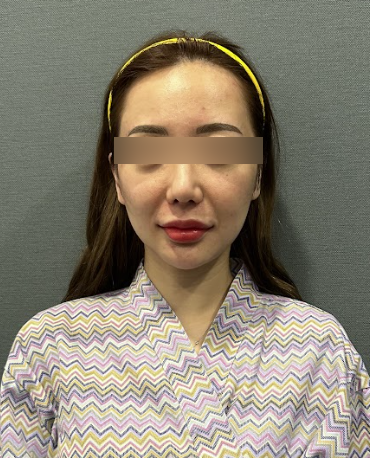

This is because the type of threads needed, their insertion direction, and number
can vary depending on your facial skin thickness, fat volume, sagging location,
and desired changes.
Using more threads than necessary does not always
lead to better results.
Therefore, if you are concerned about thread lift pain,
it's advisable to thoroughly discuss the anesthesia method, expected discomfort, and recovery process before the procedure.
Additionally, it's helpful to confirm in advance
post-procedure precautions and how to respond
if abnormal symptoms appear.
Ultimately, thread lift pain varies
from person to person,
making it difficult to simply categorize as ‘painful’ or ‘not painful’.
Rather than deciding on the procedure based solely on pain,
first assess if it's the right method for your current facial condition
and plan after a thorough consultation.
-Operating Hours-
Weekdays 9:00 ~ 18:00 Saturdays 9:00 ~ 16:00 Public Holidays / Sundays Regular Closure |
-Contact Us-
Faceplus Plastic Surgery Clinic | ||
Consultation Phone: 02-541-8500 Inquiries: KakaoTalk Inquiry |
-Directions-
Frequently Asked Questions
How much pain is experienced during a thread lift procedure?
During the procedure, anesthesia is administered, so you won't continuously experience intense pain. However, you might feel a stinging sensation during anesthesia or a feeling of pressure and pulling as the threads are inserted. The perceived pain can vary depending on the threads' position and depth.
What does it feel like after a thread lift procedure?
After the anesthesia wears off, you might experience a dull or pulling sensation when moving your face, or a sensitive feeling when pressed. This is discomfort that arises as the threads and surrounding tissues adapt, and it may be accompanied by swelling, bruising, or tenderness.
How long does thread lift pain last?
The intensity and duration of thread lift pain vary among individuals. If the treatment area is large or many threads were used, the pulling sensation or foreign body sensation might feel more pronounced. Initially, you might also feel sensitive even when washing your face.
What should I do if thread lift pain worsens after the procedure?
If the pain does not subside over time and instead worsens, or if severe swelling or heat sensation accompanies it, you must consult the medical staff rather than enduring it arbitrarily. These could be important abnormal symptoms.
What should I check before the procedure for pain management?
If you are sensitive to pain, it's advisable to inform the medical staff during the consultation and discuss the anesthesia method together. Additionally, it's helpful to thoroughly discuss the expected discomfort, recovery process, post-procedure precautions, and how to respond to abnormal symptoms before the procedure.
What should I consider besides pain when deciding on a thread lift procedure?
Rather than simply asking if it's a less painful procedure, you should assess if the treatment plan is appropriate for your facial skin thickness, fat volume, sagging location, and desired changes. Using more threads than necessary does not always lead to better results.