2026-09-03
Thread Lift Bruising: How Long Does Recovery Take? Swelling and Natural Results Explained by a Gangnam Plastic Surgeon
Learn about thread lift bruising, swelling, and recovery time from a Gangnam plastic surgeon. Understand how individual factors and technique influence results and naturalness.

※ This article is for the purpose of providing medical information.
It is not subject to deliberation under Article 56, Paragraph 2 and Article 57 of the Medical Service Act,
and is not an advertising post unrelated to the deliberation content.
Hello,
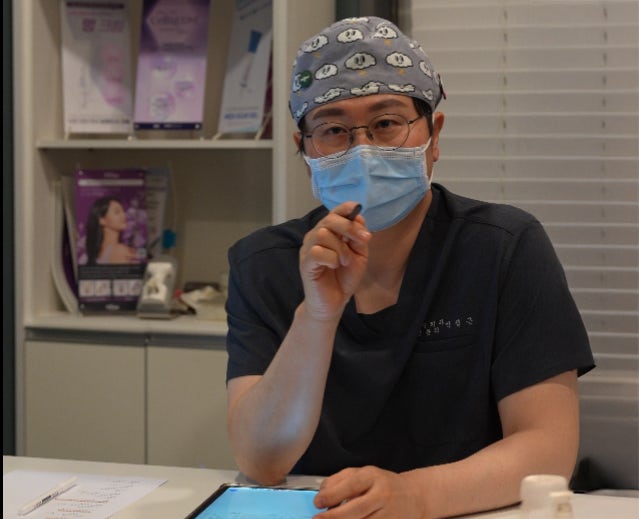
I am Dr. Park Jeong-geun,
Director of Faceplus Plastic Surgery Clinic.
One of the most frequent questions I receive from those considering a thread lift
is about bruising and recovery time.
Since it’s a procedure that directly changes the face,
it’s natural to first think about
whether it will be noticeable
or interfere with daily life
before considering the effects.
This concern can be even greater if you frequently meet people or have a tight schedule.
Bruising is one of the possible reactions during the procedure, but it doesn’t appear the same in all cases,
and its pattern varies greatly from person to person.
The perceived extent of bruising changes significantly depending on the facial blood vessel distribution, skin thickness, and the depth and direction of application.
How do swelling and recovery time differ?
Swelling is also a common question asked alongside thread lifts.
The procedure is relatively quick,
and if designed to minimize tissue damage,
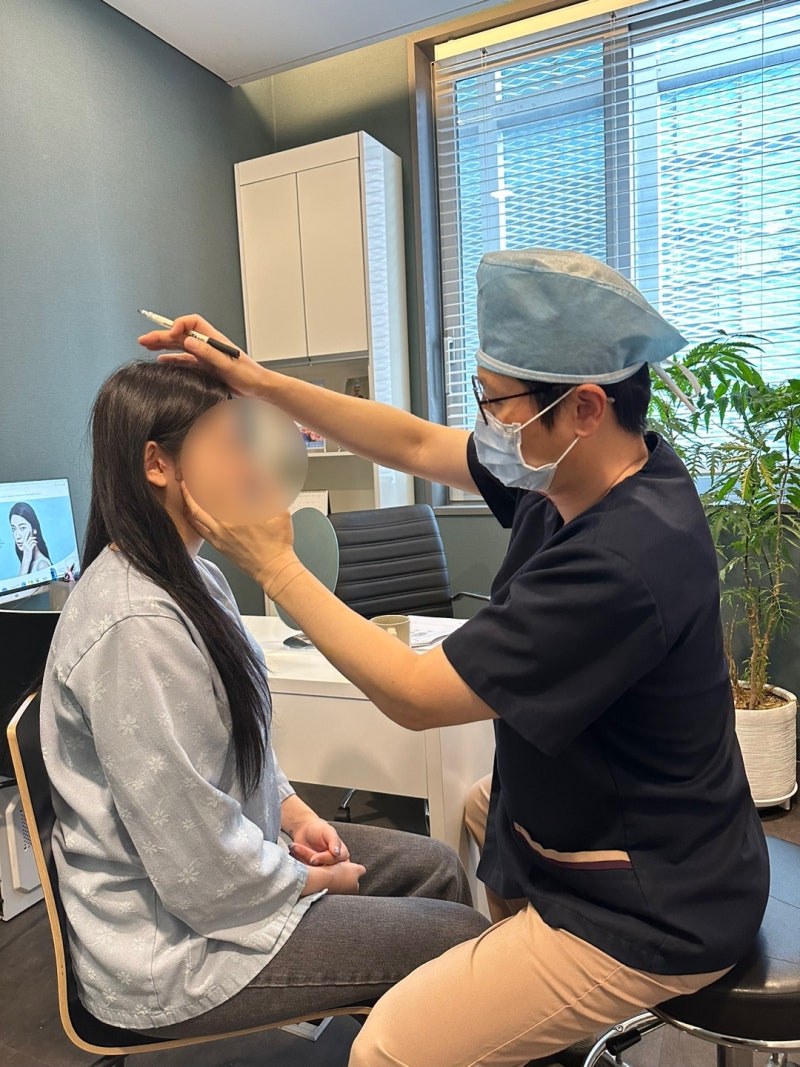
the recovery process often
passes without much discomfort.
However, if approached with the same method without analyzing the facial condition, unnecessary irritation can occur,
and swelling or bruising may persist for a longer time.
Conversely, if applied minimally only to the necessary areas,
and designed so that the force is not concentrated at one point,
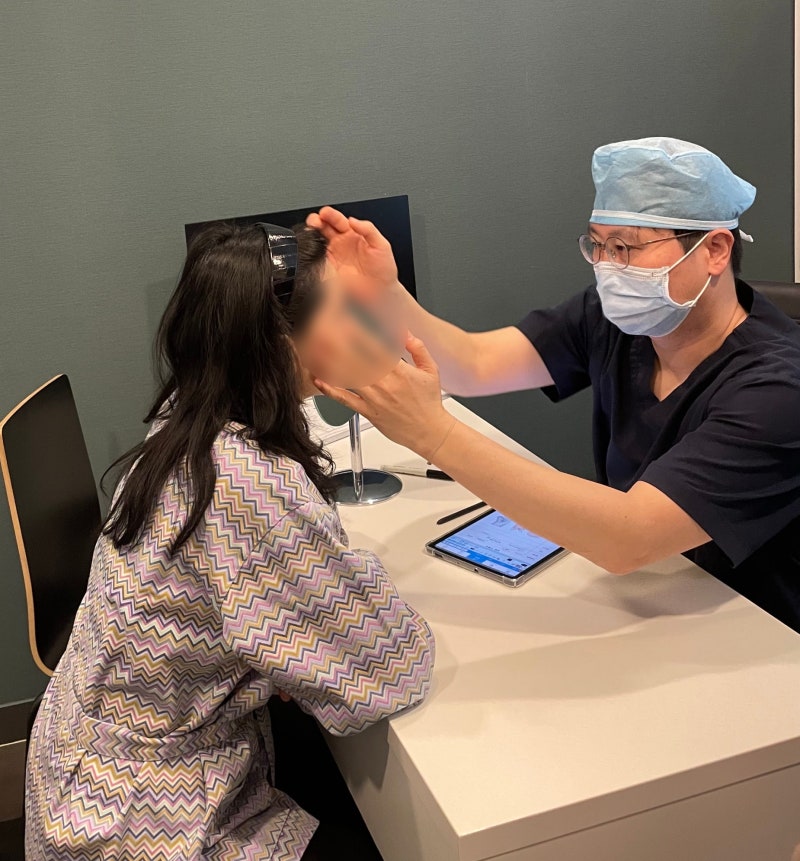
the recovery process tends to be relatively stable.
Rather than giving a precise number of days for recovery,
it’s more realistic to understand it as the period until the initial reactions subside
and it no longer significantly bothers you in daily life.
Naturalness is determined by the direction, not the strength of the pull.
Whether the result of a thread lift looks natural
or artificial depends on
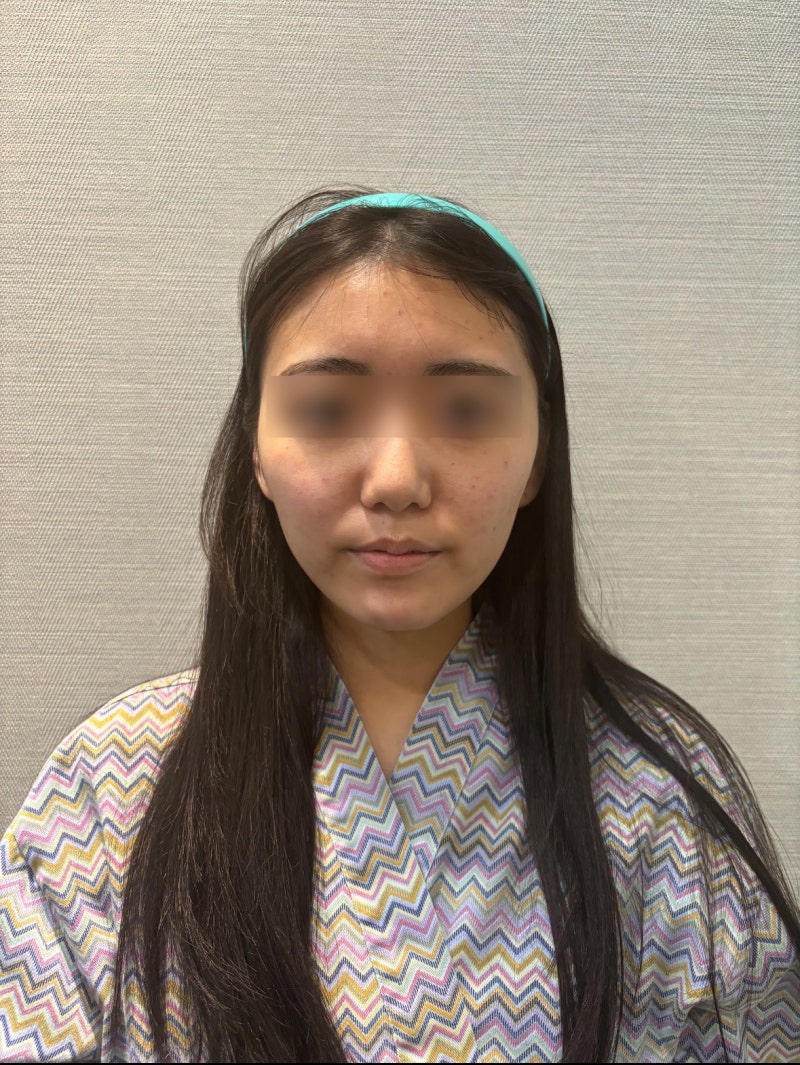
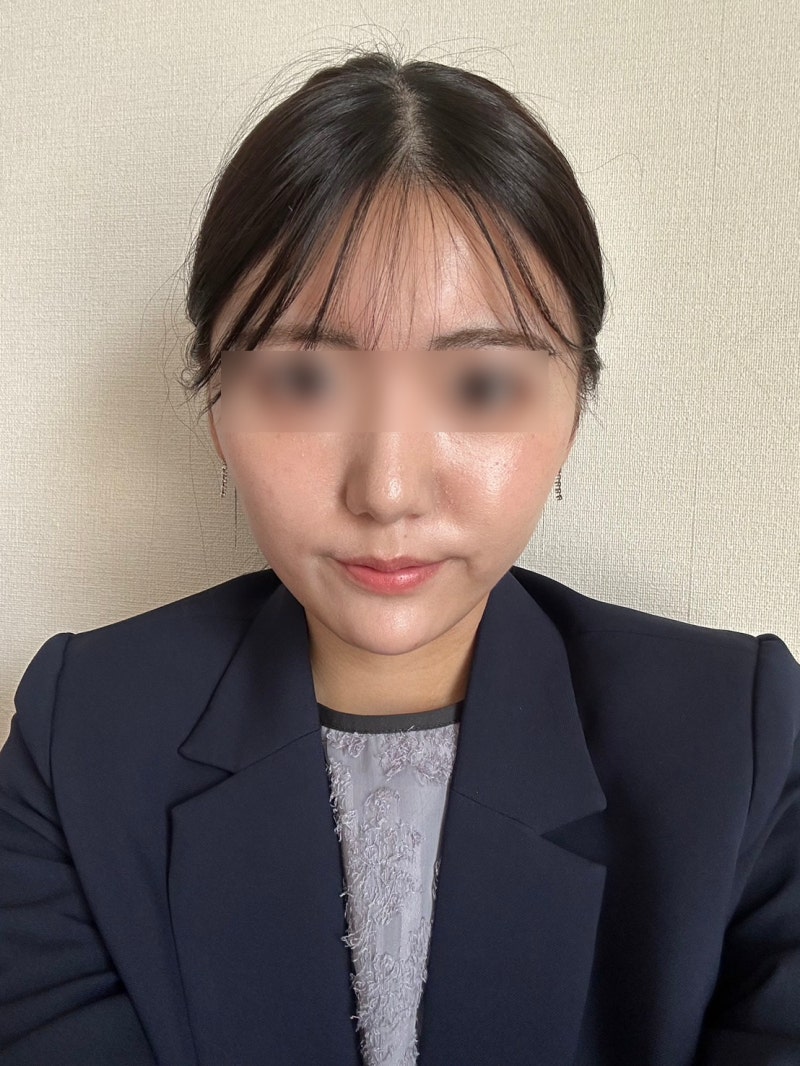
the direction and dispersion of the pull, rather than its strength.
If one point is pulled up strongly, the change may feel significant in the short term,
but awkwardness may appear during facial expressions, or bruising may be more prominent.
On the other hand, an approach that considers the overall balance of the face and distributes the force
often results in a smooth transition of changes.
Naturalness does not mean ‘doing less,’ but rather
a result created when applied appropriately to the facial structure.

This is why the same lift can be perceived by some as a comfortable impression,
and by others as an excessive feeling.
Difference between cases where bruising lasts long and where it doesn’t.
When examining cases where bruising appears to last long after a thread lift,
it’s often because the threads were applied at a depth or
direction that didn’t suit the facial condition.
The bruising itself is less of a problem than understanding why it appears that way.
If excessive force is applied to areas with a lot of facial movement,
the discoloration may seem to linger longer during the recovery process.
Conversely, in an approach that fully considers the facial structure,
even if there is bruising,
it often passes at a level that doesn’t significantly bother daily life.
A thread lift is not simply a procedure to pull up the skin,
but rather a process of how to manage the forces of the face.
If you understand this flow, you will be able to view concerns about bruising, swelling,
and recovery time more realistically.
Thank you for reading until the end.
-Operating Hours-
Weekdays 9:00 ~ 18:00 Saturdays 9:00 ~ 16:00 Public Holidays / Sundays Regular closure |
-Contact Us-
Faceplus Plastic Surgery Clinic | ||
Consultation Phone: 02-541-8500 Inquiries: KakaoTalk Inquiry |
-Directions-
Frequently Asked Questions
Is bruising inevitable after a thread lift?
No, it doesn’t appear the same in all cases. Bruising is one of the possible reactions during the procedure, but its pattern and extent can vary greatly depending on the individual's blood vessel distribution, skin thickness, and the depth and direction of the procedure.
How long does swelling last after a thread lift?
Swelling also varies greatly from person to person. If the procedure is relatively quick and designed to minimize tissue damage, the recovery process often passes without much discomfort. However, if approached with the same method without analyzing the facial condition, swelling may persist for a longer time.
What is the recovery period for a thread lift?
Rather than giving a precise number of days for thread lift recovery, it’s more realistic to understand it as the period until the initial reactions subside and it no longer significantly bothers you in daily life. If applied minimally to the necessary areas and designed to disperse the force, recovery is relatively stable.
How can natural results be achieved after a thread lift?
The naturalness of a thread lift is determined by the direction and dispersion of force, rather than the strength of the pull. An approach that considers the overall balance of the face and distributes the force creates smooth changes, and natural results appear when applied appropriately to the facial structure.
Why does bruising sometimes last longer after a thread lift?
When bruising appears to last long after a thread lift, it’s mostly because the threads were applied at a depth or direction that didn’t suit the facial condition. If excessive force is applied to areas with a lot of facial movement, the bruise discoloration may seem to linger longer during the recovery process.