2026-09-03
Should Upper and Lower Blepharoplasty Be Done Together? Price, Recovery, Swelling, Side Effects, and Insurance Coverage Explained
This article discusses whether upper and lower blepharoplasty should be performed simultaneously, covering aspects like cost, recovery time, swelling, potential side effects, and the possibility of insurance coverage.

※ This article is intended to provide medical information.
It is not subject to review under Articles 56(2) and 57 of the Medical Act,
and is not an advertisement unrelated to review content.
Should upper and lower blepharoplasty be done together?
Hello,
I am Dr. Park Jung-geun,
Director of Faceplus Plastic Surgery Clinic,
specializing in upper and lower blepharoplasty.

If your upper eyelids are sagging and the area below your eyes appears puffy,
many people consider upper and lower blepharoplasty simultaneously.
However, not everyone needs to have both procedures done together.
Upper blepharoplasty involves removing excess skin and some muscle from the upper eyelid,
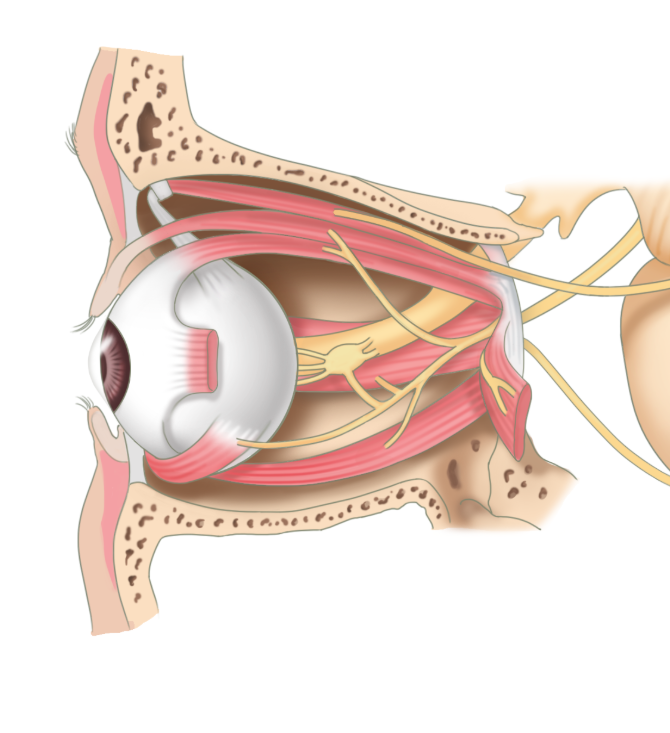
while lower blepharoplasty addresses the skin and fat below the eyes.
It is important to first identify where the main problem lies.
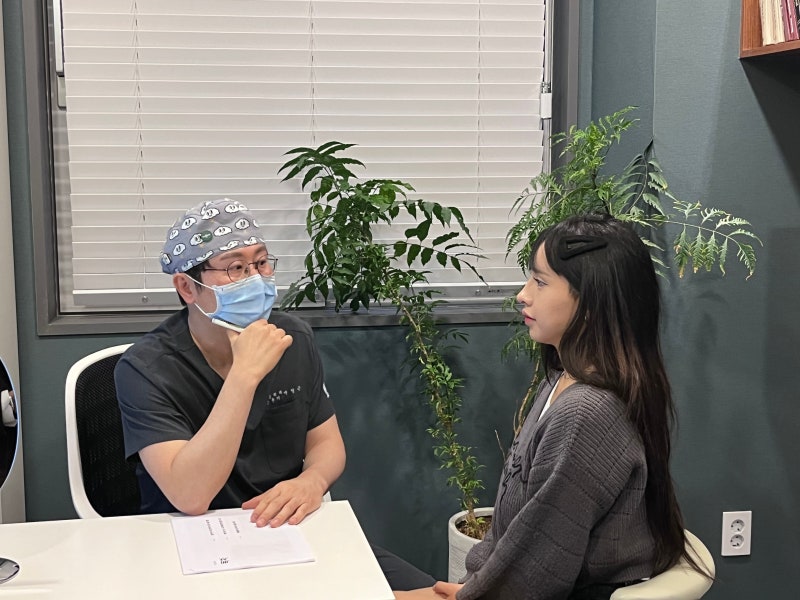
If your upper eyelids obstruct your vision, upper blepharoplasty is the priority.
Conversely, if puffiness and shadows under the eyes are your primary concern,
the plan will focus on lower blepharoplasty.
If both areas show changes, performing both procedures simultaneously can be advantageous for overall balance.
However, the overall facial proportions, age, and skin elasticity must also be considered.
Why do prices vary?
The price is not simply determined by the length of the incision.
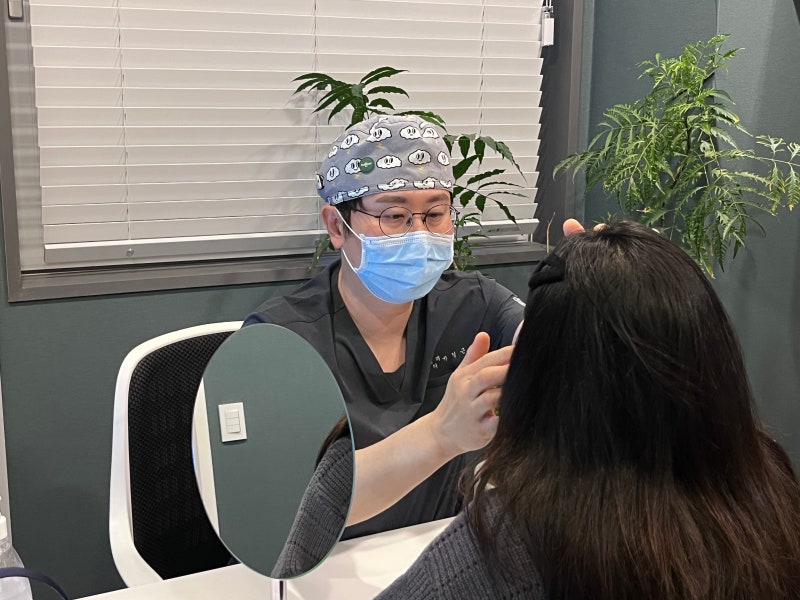
Upper blepharoplasty costs vary depending on the extent of skin removal and whether muscle adjustment is needed.
Lower blepharoplasty differs based on whether fat repositioning is performed and the incision method used.
Performing both surgeries together may increase costs due to longer anesthesia and operating times.
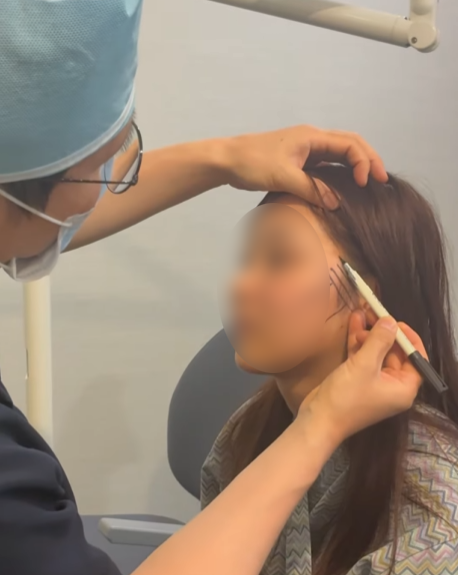
However, it can sometimes be more efficient than undergoing two separate procedures.
It is crucial to check what is included in the price.
Differences arise depending on the suturing method, type of anesthesia, and whether post-operative care is included.
Rather than a simple comparison, decisions should be made based on the scope of the planned procedure.
Recovery period and swelling patterns
Recovery time varies among individuals, but significant swelling typically subsides within 1 to 2 weeks.

Upper blepharoplasty tends to stabilize relatively quickly.
Lower blepharoplasty may involve bruising and swelling that lasts longer.
If both areas are treated simultaneously, initial swelling might feel more pronounced.
However, it naturally resolves after a certain period.
Cold compresses and rest are helpful for initial management.
The area around the eyes has many blood vessels, so bruising can occur, but it usually fades over time.
Recovery speed depends on an individual's skin condition and constitution.
Especially with lower blepharoplasty, as it is an area affected by gravity,
swelling may initially accumulate downwards.
Side effects and insurance coverage
Side effects are rare but can include discomfort closing the eyes due to excessive skin removal, and asymmetry.

Temporary conjunctival swelling can occur with lower blepharoplasty. Therefore, precise design is crucial.
Insurance coverage depends on whether there is a functional purpose.
In the case of upper blepharoplasty that obstructs vision, partial coverage may be possible if functional improvement is recognized.
Conversely, lower blepharoplasty for cosmetic purposes is often not covered.
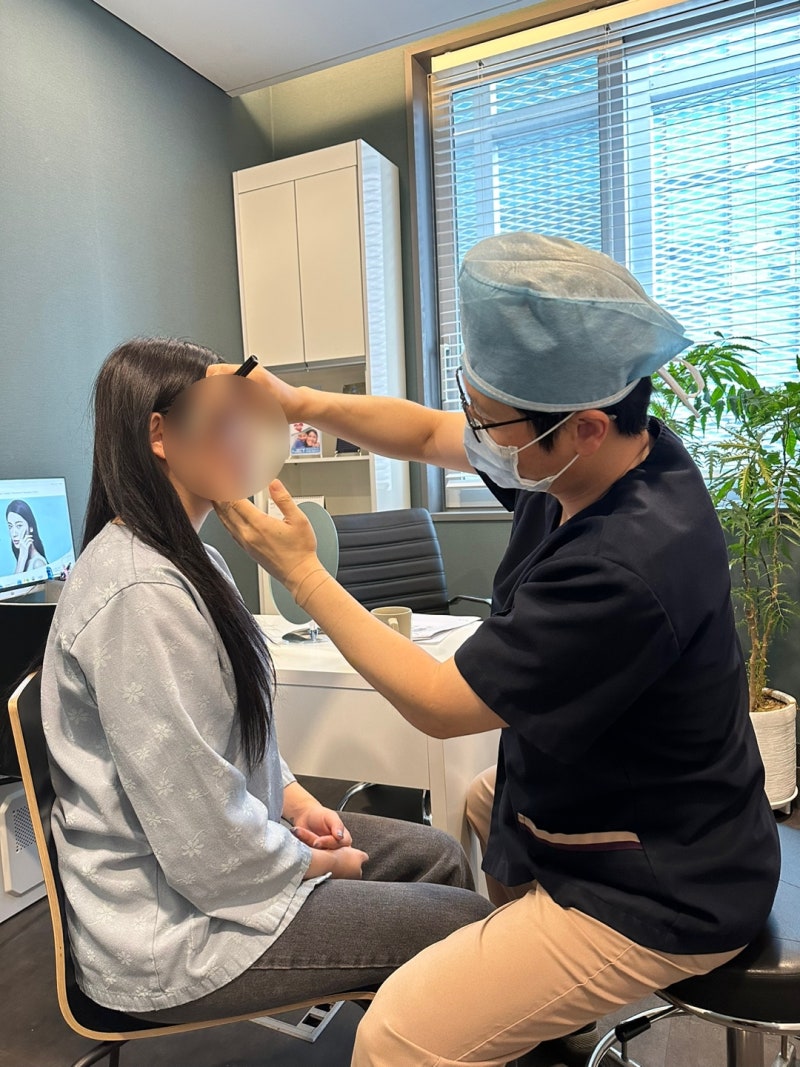
The 'before and after' standard is not simply ‘does it look clearer?’.
It is important that the eye's opening and closing function is natural and the overall impression is not exaggerated.
Deciding whether to proceed with both procedures simultaneously is safest when based on the current eye condition and functional issues. Thank you for reading.
-Operating Hours-
Weekdays 9:00 ~ 18:00 Saturdays 9:00 ~ 16:00 Public Holidays / Sundays Regular closure |
-Contact Us-
Faceplus Plastic Surgery Clinic | ||
Consultation Phone: 02-541-8500 Inquiries: KakaoTalk Inquiry |
-Directions-
Upper and Lower Blepharoplasty
Frequently Asked Questions
Should I have upper and lower blepharoplasty together?
Not everyone needs to have both procedures simultaneously. If you are concerned about both upper eyelid sagging and lower eye puffiness, performing them together can be advantageous for overall balance, but the decision should be based on your individual eye condition and functional issues.
How is the price of upper and lower blepharoplasty determined?
Upper blepharoplasty costs vary depending on the extent of skin removal and whether muscle adjustment is needed, while lower blepharoplasty differs based on whether fat repositioning is performed and the incision method. Performing both surgeries together may increase costs due to longer anesthesia and operating times.
How long do recovery and swelling last after surgery?
Significant swelling typically subsides within 1 to 2 weeks. Upper blepharoplasty tends to stabilize relatively quickly, but lower blepharoplasty may involve bruising and swelling that lasts longer. Cold compresses and rest are helpful for initial management.
What are the side effects of upper and lower blepharoplasty?
Although rare, side effects can include discomfort closing the eyes due to excessive skin removal, and asymmetry. Temporary conjunctival swelling can occur with lower blepharoplasty, so precise design is crucial.
Is upper and lower blepharoplasty covered by private insurance?
This depends on whether there is a functional purpose. In the case of upper blepharoplasty that obstructs vision, partial coverage may be possible if functional improvement is recognized, but lower blepharoplasty for cosmetic purposes is often not covered.
Which surgery should I consider first: upper eyelid sagging or lower eye puffiness?
If your upper eyelids obstruct your vision, upper blepharoplasty is the priority. Conversely, if puffiness and shadows under the eyes are your primary concern, it is best to plan around lower blepharoplasty.