2026-09-03
Seoul Thread Lift Reviews: Does It Really Work? Checking for Sagging, Wrinkles, and Contour Improvement
Seoul thread lift reviews vary widely. The key to understanding their effectiveness lies in identifying the root cause of facial sagging. This article explains which types of sagging, wrinkles, and contour issues respond best to thread lifts, what to expect during recovery, and how to interpret reviews.
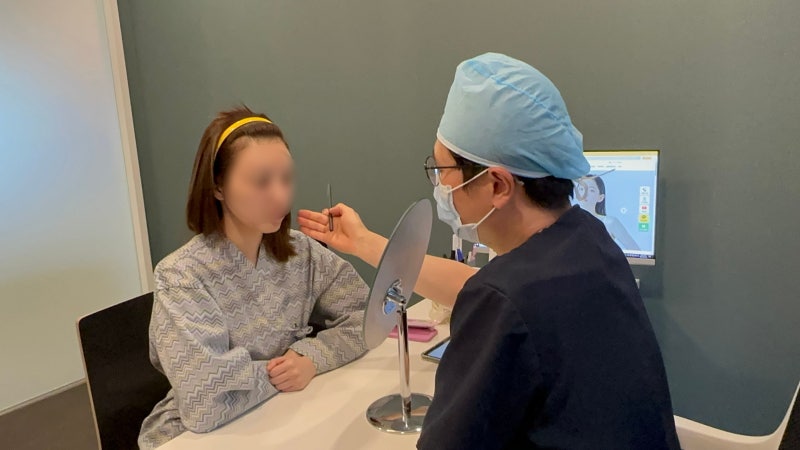
※ This article is intended to provide medical information.
It is not subject to deliberation under Article 56, Paragraph 2 and Article 57 of the Medical Act,
and we inform you that it is not an advertisement unrelated to the content of the deliberation.
Hello,
I am Dr. Park Jeong-geun,
Director of Face Plus Plastic Surgery Clinic.

When you search, you'll notice that reactions to Seoul thread lift reviews
are often extremely divided.
Some say their facial contour improved, while others say
there was less change than expected.
This difference isn't about ‘whether threads were inserted or not’,
but rather,
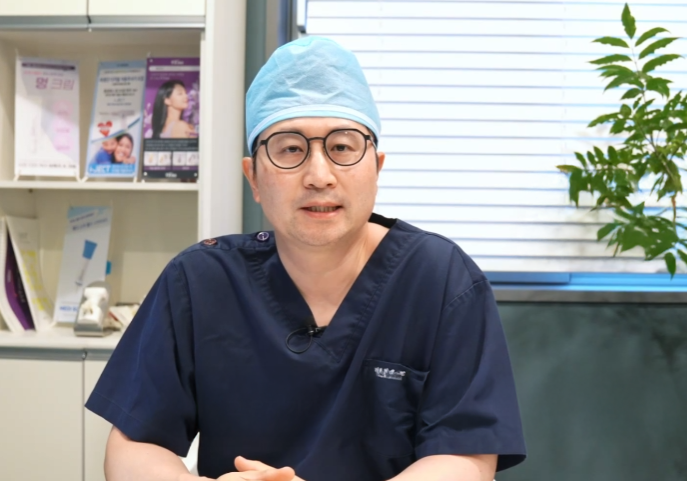
it begins with understanding the original cause of facial sagging.
Approaches must differ for those whose cheeks have sagged, making their nasolabial folds and mouth area heavy, those with blurred jawlines,
and conversely, those who still have skin elasticity but whose main concern is fine wrinkles.
To properly interpret reviews,
it's crucial to first check if the person had the same facial type as you.
Types that show good results for sagging, wrinkles, and contour improvement
The strength of a thread lift is not simply smoothing the skin surface,

but in ‘supporting’ the sagging tissue to refine the overall impression.
Therefore, satisfaction is high when sagging is evident but not excessively widespread.

For example,
if your mouth area appears heavy even when not smiling,
if your mid-face has shifted downwards, making your face look longer,
or if your jawline is blurred and indistinct,
changes are felt relatively quickly.

Conversely, if you only have many fine wrinkles and volume loss is the main cause, the expected range of improvement with a standalone approach may be limited.
For contour improvement, it is realistic to understand it as achieving a clearer jawline and a more refined profile.
Swelling, Pain, and Recovery: Distinguishing Normal Reactions from Concerns
The most common concerns are swelling and pain, which are most prominent in the initial 2-3 days, and the external appearance stabilizes around 1 week.
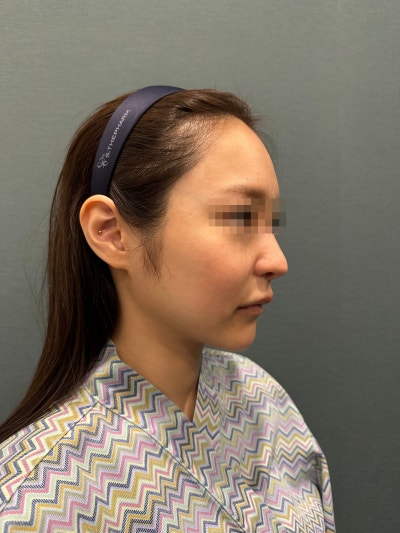
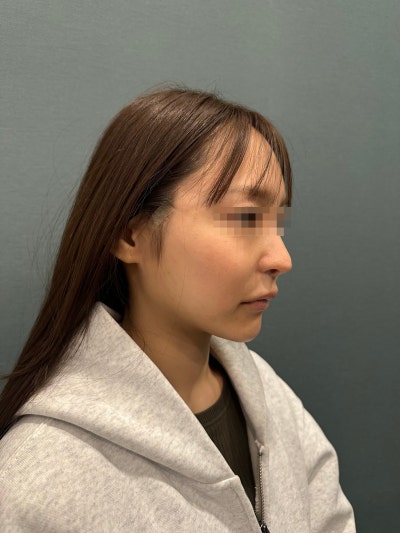
However, the visible changes and the dull ache felt when touched may have different durations.
Initially, sensations like pulling or tightness when pressed may occur,
but if they gradually alleviate over time, it is often considered within the normal range.
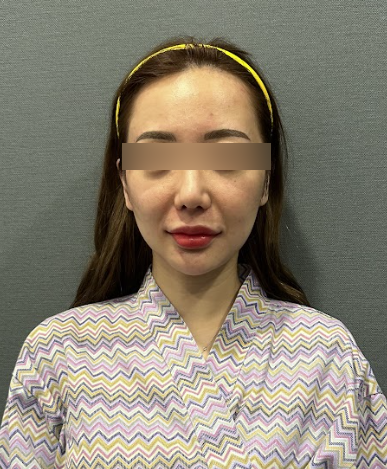
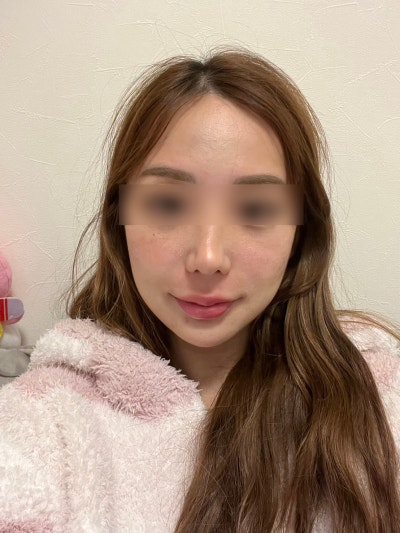
Conversely, if pain progressively worsens, if only one side swells excessively with noticeable heat,
or if discharge or fever accompanies these symptoms, a check-up is necessary.
Recovery is safer to be explained in stages rather than a definitive ‘it's over in a few days’:
Week 1 (external stabilization),
Weeks 2-4 (tissue settling period).
‘Criteria that determine effectiveness’ often overlooked in reviews
The most common misconception when reading reviews is understanding thread lifting as ‘the tighter, the better’.
In reality, excessive tension can lead to an unnatural facial expression or discomfort,
so a design that provides just the necessary support for natural refinement is crucial.
Also, even with the same number of threads, the perceived improvement in sagging and contour refinement
differs depending on the direction of support.
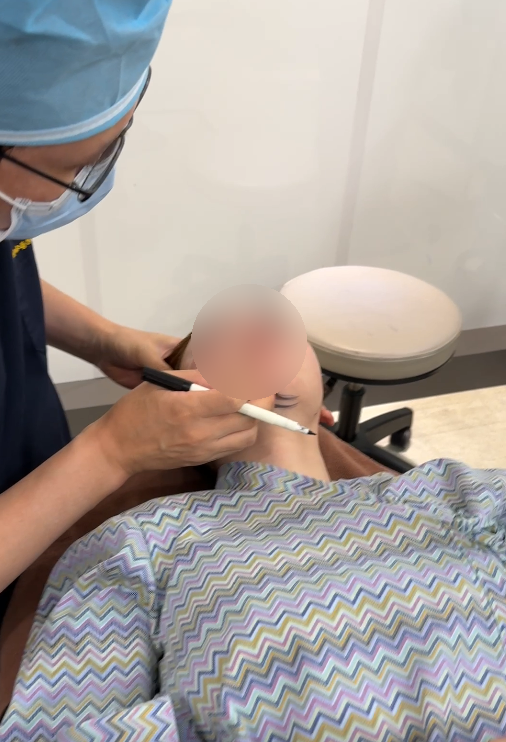
Similarly, since wrinkles are divided into those that can be resolved with threads alone and those that cannot,
you should confirm whether the limitations of a standalone approach are clearly explained.
Ultimately, the ‘real effect’ that thread lift reviews speak of
is not an exaggerated change,
but rather whether the support design was tailored to the facial type.
-Operating Hours-
Weekdays 9:00 ~ 18:00 Saturdays 9:00 ~ 16:00 Public Holidays / Sundays Regular Day Off |
-Contact Us-
Face Plus Plastic Surgery Clinic | ||
Consultation Phone: 02-541-8500 Inquiries: KakaoTalk Inquiry |
-Directions-
Frequently Asked Questions
Why do thread lift results vary from person to person?
Yes, thread lift results depend on the individual's facial sagging cause. High satisfaction is achieved by tailoring the approach to the main concern, such as sagging cheeks, blurred jawline, or fine wrinkles.
What types of concerns are best suited for thread lifts?
Thread lifts excel at supporting sagging tissue to refine the overall facial impression. Satisfaction is generally high if your mouth area appears heavy even when not smiling, your mid-face looks elongated, or your jawline is indistinct.
How long do swelling and pain last after a thread lift?
Typically, the initial 2-3 days are the most prominent, and the external appearance stabilizes around 1 week. A dull ache when touched may persist for about 2 weeks, but if it gradually alleviates over time, it is considered within the normal range.
What symptoms after a thread lift warrant a visit to the clinic?
If pain progressively worsens, if only one side swells excessively with noticeable heat, or if discharge or fever accompanies these symptoms, a check-up is necessary.
Is a thread lift more effective if pulled tighter?
No. Excessive tension can lead to an unnatural facial expression or discomfort. A customized design that provides just the necessary support for natural refinement is crucial.
What should I look for when reading thread lift reviews?
To properly interpret reviews, it's crucial to first check if the person had the same facial type as you, and whether the support design was tailored to their facial type rather than promising exaggerated changes.