2026-09-07
Seoul Jung-gu Dental Clinic: Don't Ignore Bleeding Gums, It's Dangerous
Bleeding gums can be a sign of gum disease. Learn why it's crucial to address this common symptom and how regular dental check-ups and scaling at Seoul Jung-gu Dental Clinic can protect your oral health.
Seoul Jung-gu Dental Clinic: Don't Ignore Bleeding Gums, It's Dangerous
Sometimes, when you brush your teeth, your gums might bleed. This is a common symptom that almost everyone experiences at some point. Most people tend to think they brushed too hard and that it will get better soon.
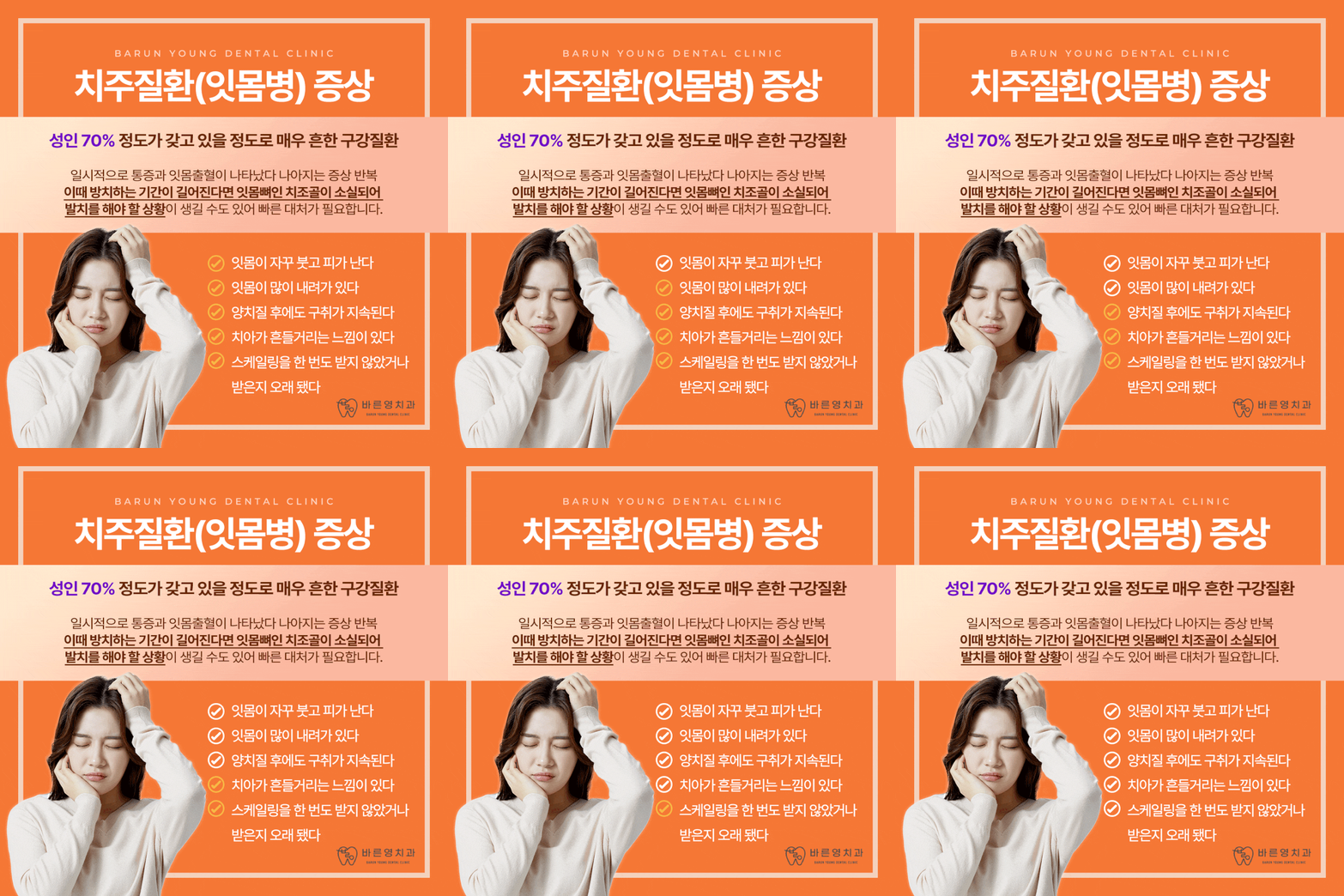
However, did you know that healthy gums don't bleed, swell, or feel pain? Of course, sometimes temporary gum weakening and bleeding can occur due to fatigue and reduced physical ability, but if bleeding gums happen frequently and are accompanied by swelling or pain, it should never be taken lightly.
Many people are well aware of the importance of preserving natural teeth for a long time, but surprisingly, they often overlook gum health. If you want to maintain good oral health, you need to pay attention not only to your teeth but also to the health of your gums, which hold your teeth firmly in place.
If gum health is neglected and gums weaken, the force holding the teeth becomes weaker, causing teeth to become loose or even fall out. Furthermore, bacteria that penetrate through the gums or inflammation in the gums can affect other teeth.
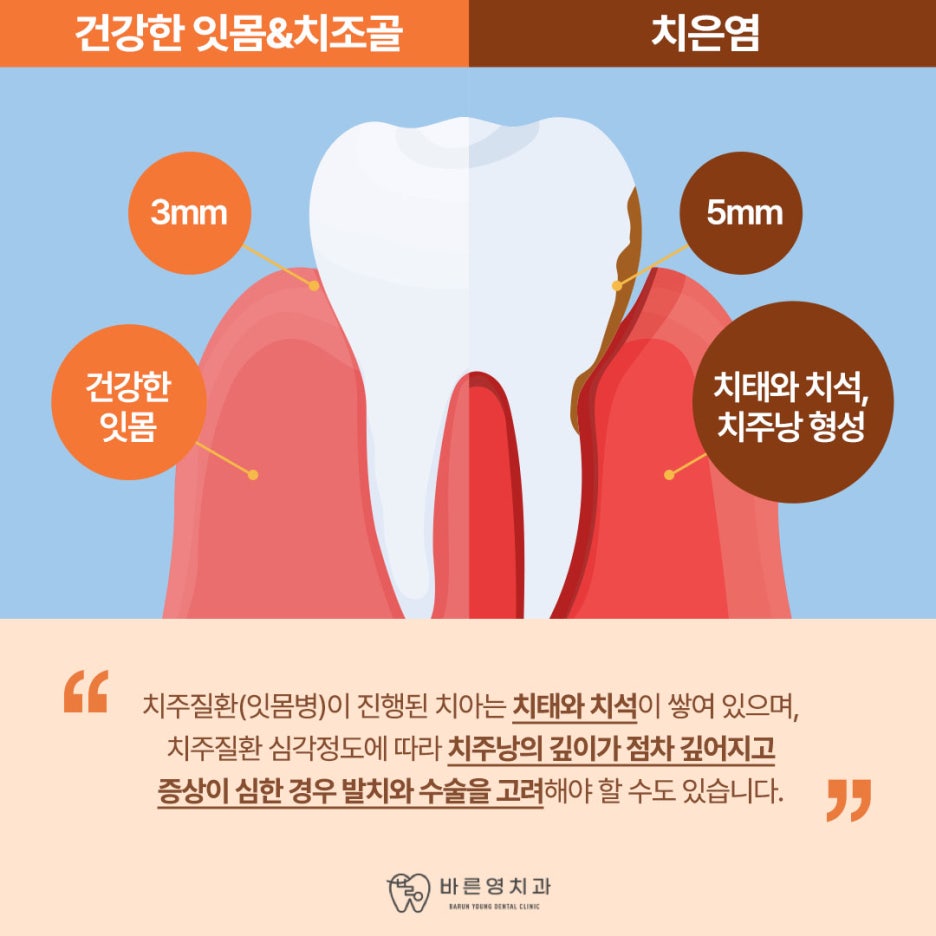
There are several reasons why gums bleed, but the most common cause is plaque and tartar that accumulate between the gums and teeth. Plaque and tartar are hardened food debris from the food and drinks we consume that are not completely removed by brushing and get stuck between the teeth and gums. This plaque and tartar cause a gap to form between the gums and teeth.
Gum disease occurs when bacteria, which feed on plaque and tartar, penetrate through these widened gaps and cause inflammation in the gums. The most common symptom of this gum disease is bleeding gums.
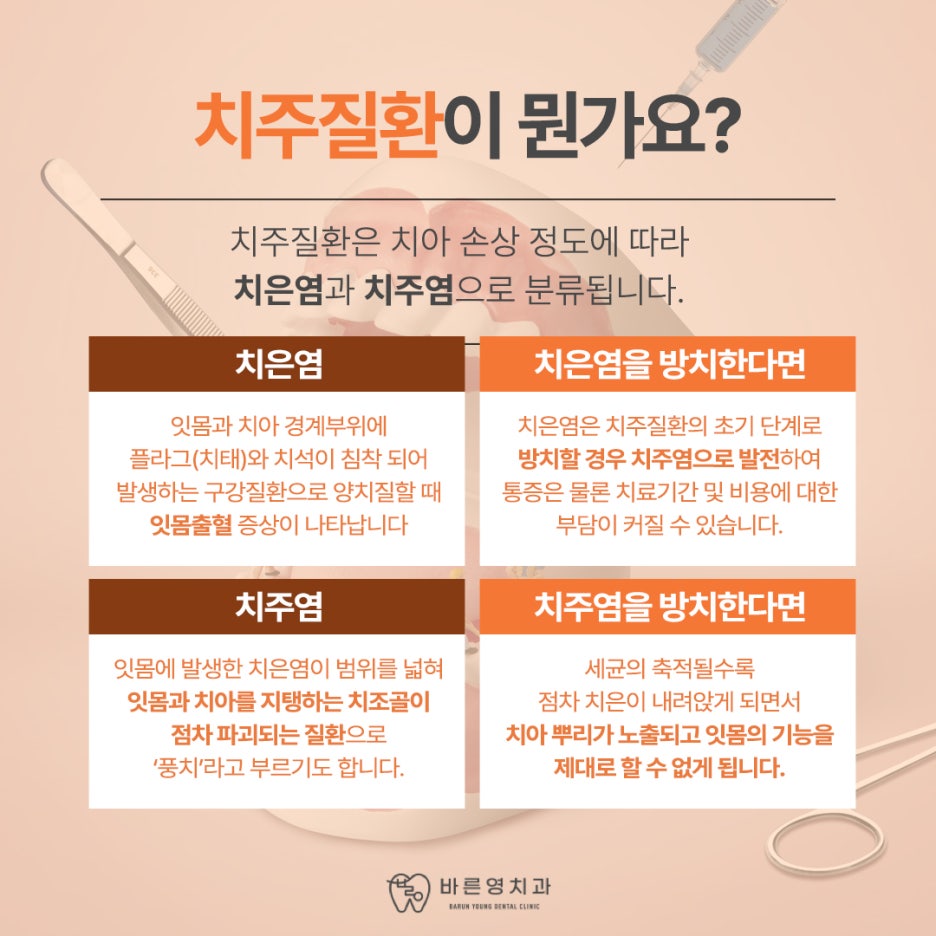
The problem is that if gum disease is not corrected early, the inflammation can spread to the bone around the gums, damaging the gum bone. At this point, you may experience severe gum pain that is difficult to bear, bad breath even with diligent brushing, and loose teeth.
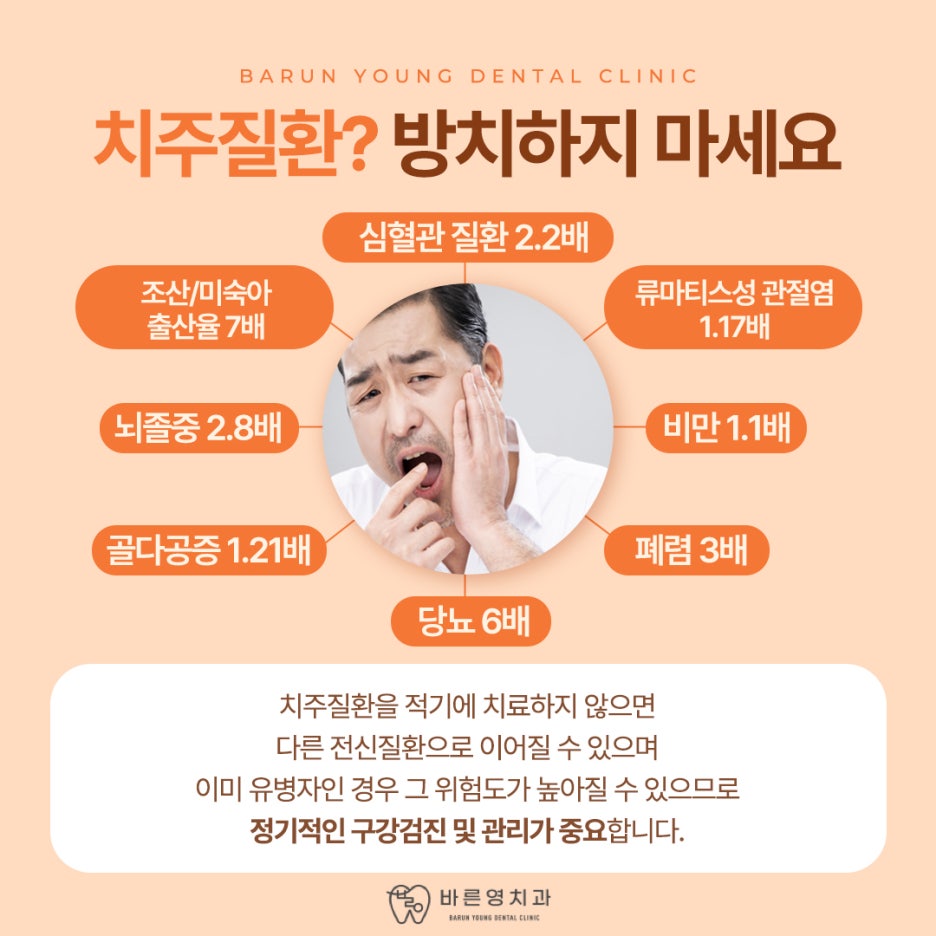
To prevent periodontal disease, or gum disease, it is important to regularly remove plaque and tartar that cannot be completely removed by daily brushing through regular scaling treatments and oral check-ups at Seoul Jung-gu Dental Clinic.
Furthermore, if symptoms of gum bleeding are recurring, it's crucial not to ignore them. Prompt scaling treatment at Seoul Jung-gu Dental Clinic or appropriate treatment tailored to the stage of gum disease is necessary to eliminate gum inflammation.
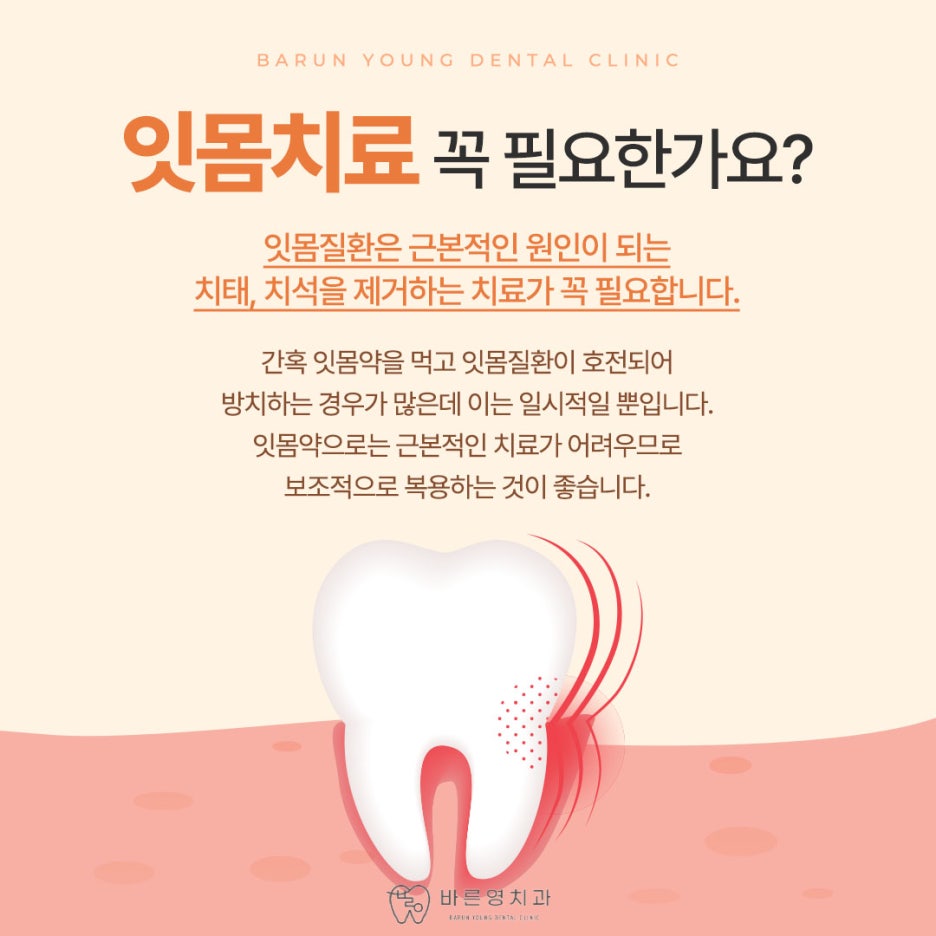
Scaling treatment, which removes plaque and tartar, is best performed at least once a year. However, since the rate at which plaque and tartar accumulate varies from person to person, it is wise to visit Seoul Jung-gu Dental Clinic for a consultation on your appropriate scaling treatment cycle (e.g., every 3, 6, or 12 months) and proceed with regular treatment accordingly.
Notably, scaling treatment is currently covered by national health insurance once a year, allowing you to receive treatment for a small fee of 10,000 to 20,000 won. This is a good benefit to keep in mind.
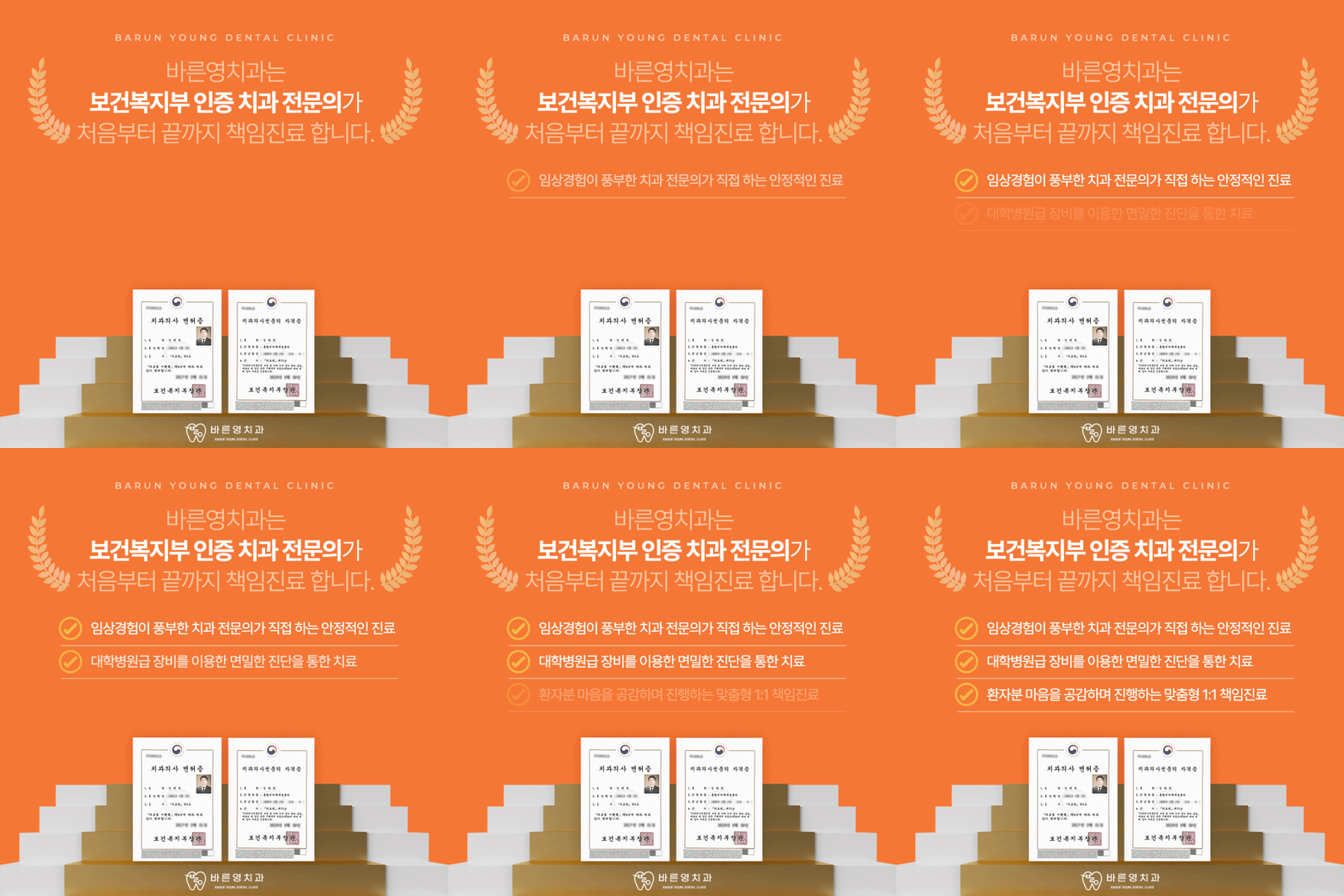
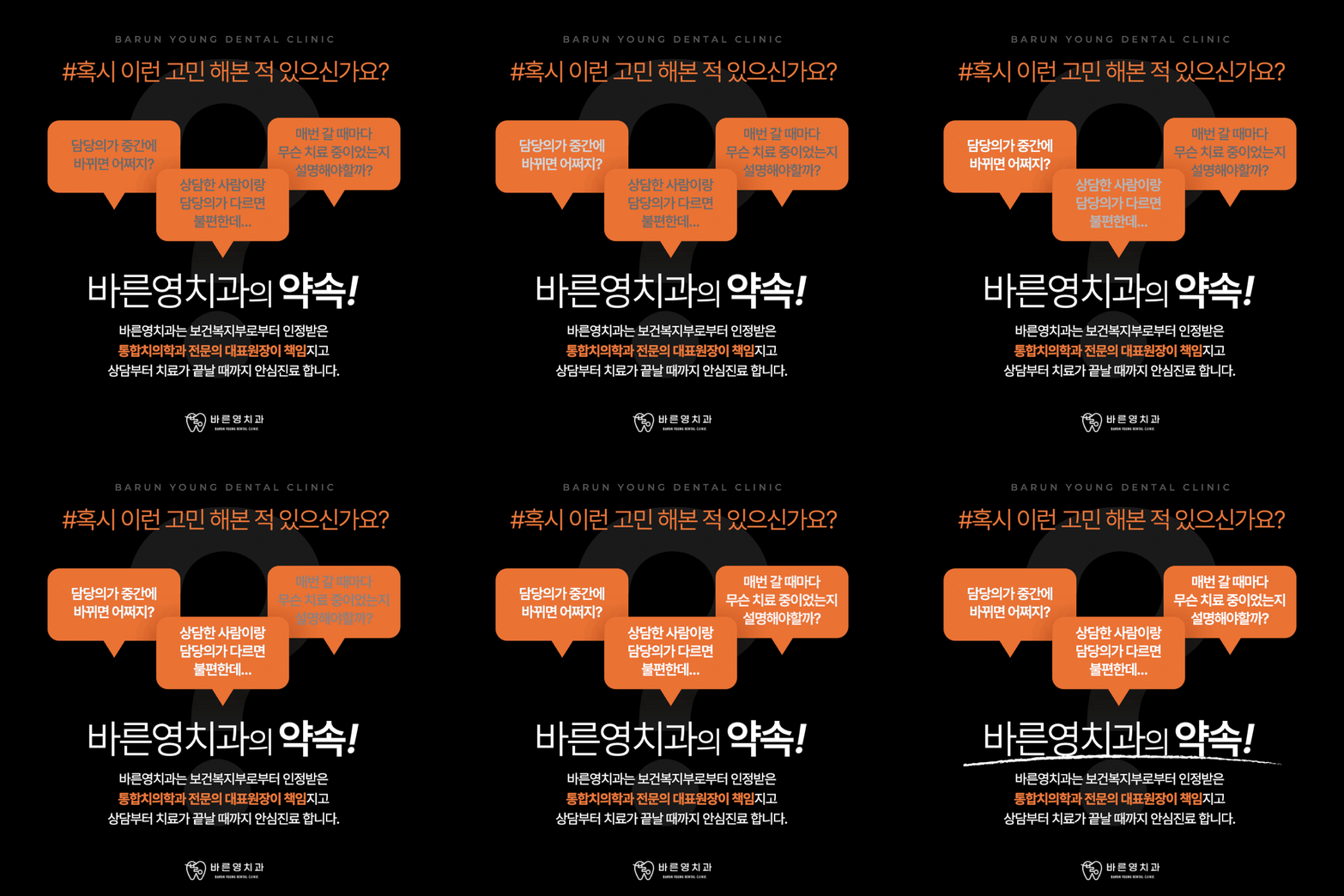
Barunyoung Dental Clinic in Seoul Jung-gu is a nationally designated oral examination institution that provides comprehensive one-stop dental care, including scaling treatment, to help patients maintain healthy oral hygiene. The chief director is a skilled medical professional with qualifications as an integrated dentistry specialist, capable of providing comprehensive dental diagnosis and treatment from cavity treatment to implant treatment.
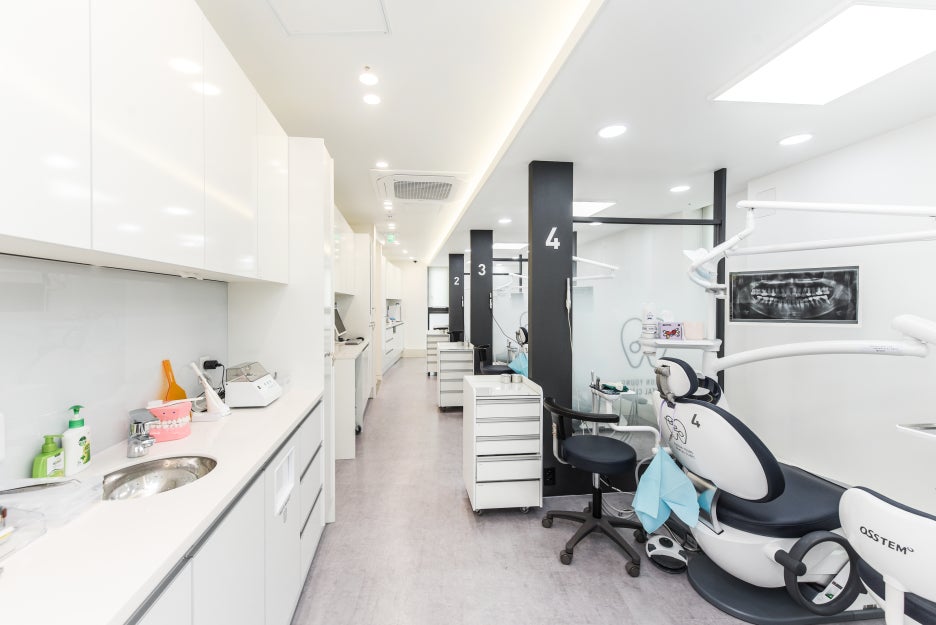
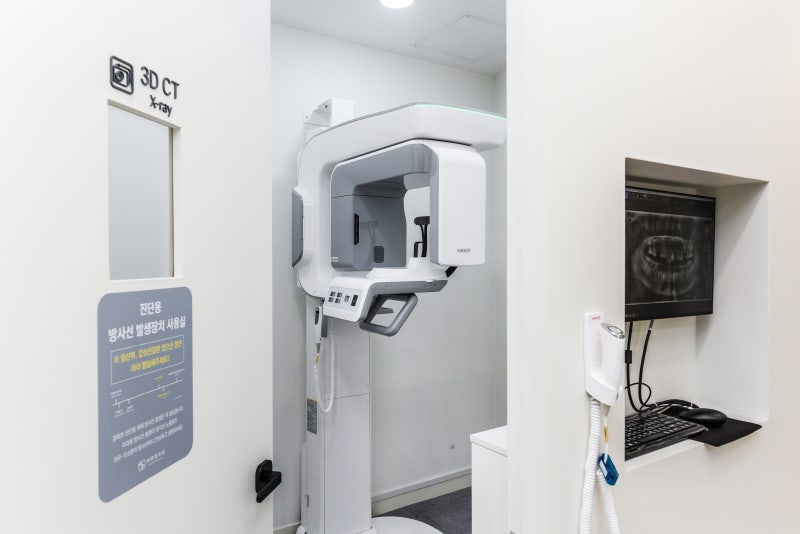
At Barunyoung Dental Clinic in Seoul Jung-gu, we use precise diagnostic equipment like 3D-CT to meticulously examine the patient's oral condition and provide appropriate gum treatment tailored to their gum health. From gum treatment consultations to the treatment process and aftercare, all are personally handled by the chief director of Barunyoung Dental Clinic in Seoul Jung-gu through 1:1 responsible care.
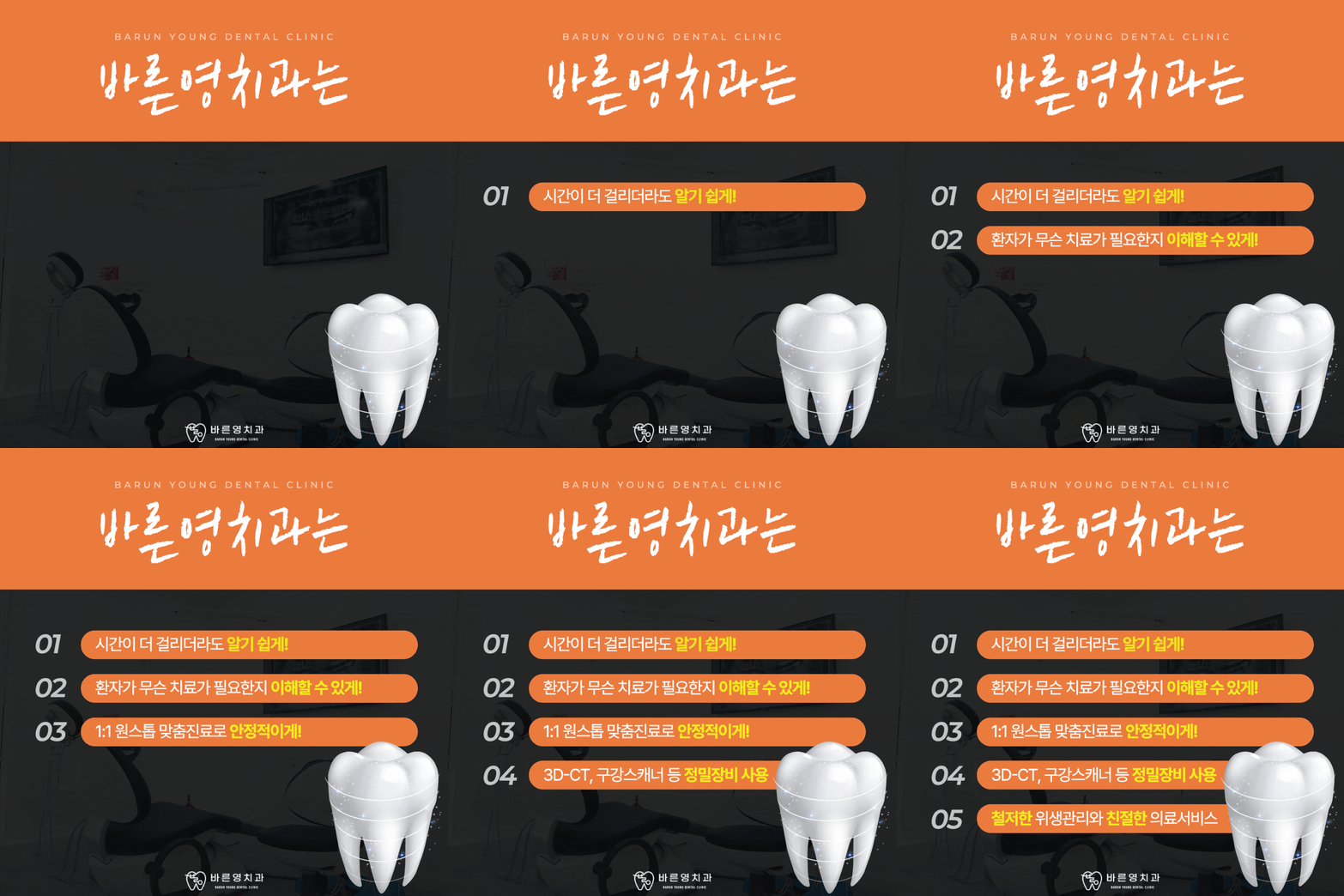
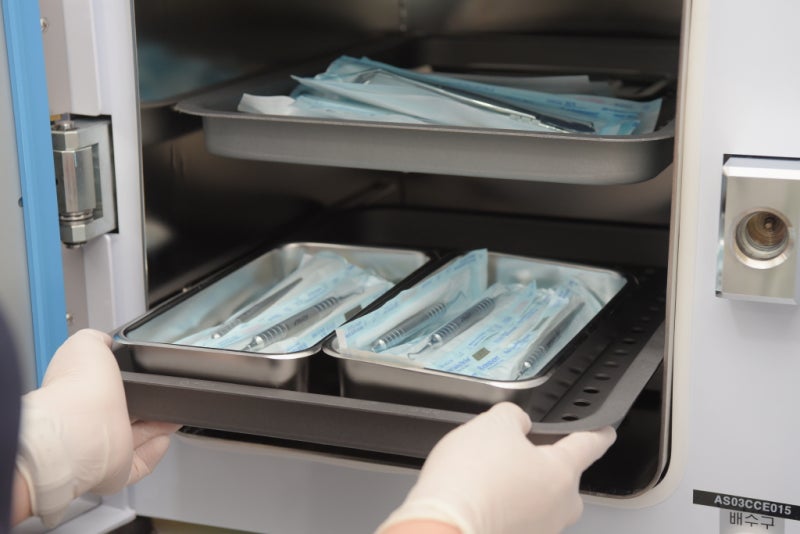
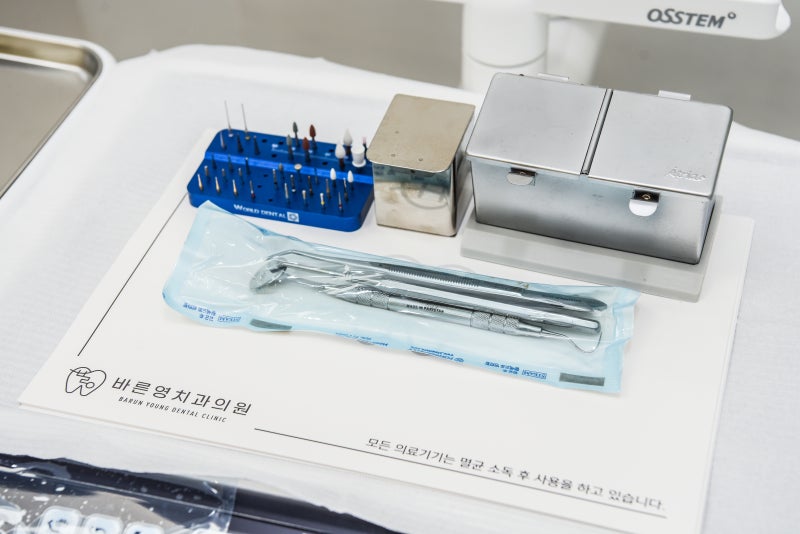
Furthermore, to prevent overtreatment, Barunyoung Dental Clinic in Seoul Jung-gu takes ample time to explain the patient's current oral condition and treatment plan in an easy-to-understand manner before proceeding with any treatment. All medical tools are managed with a thorough sterilization system, adhering to the principle of one tool per patient.
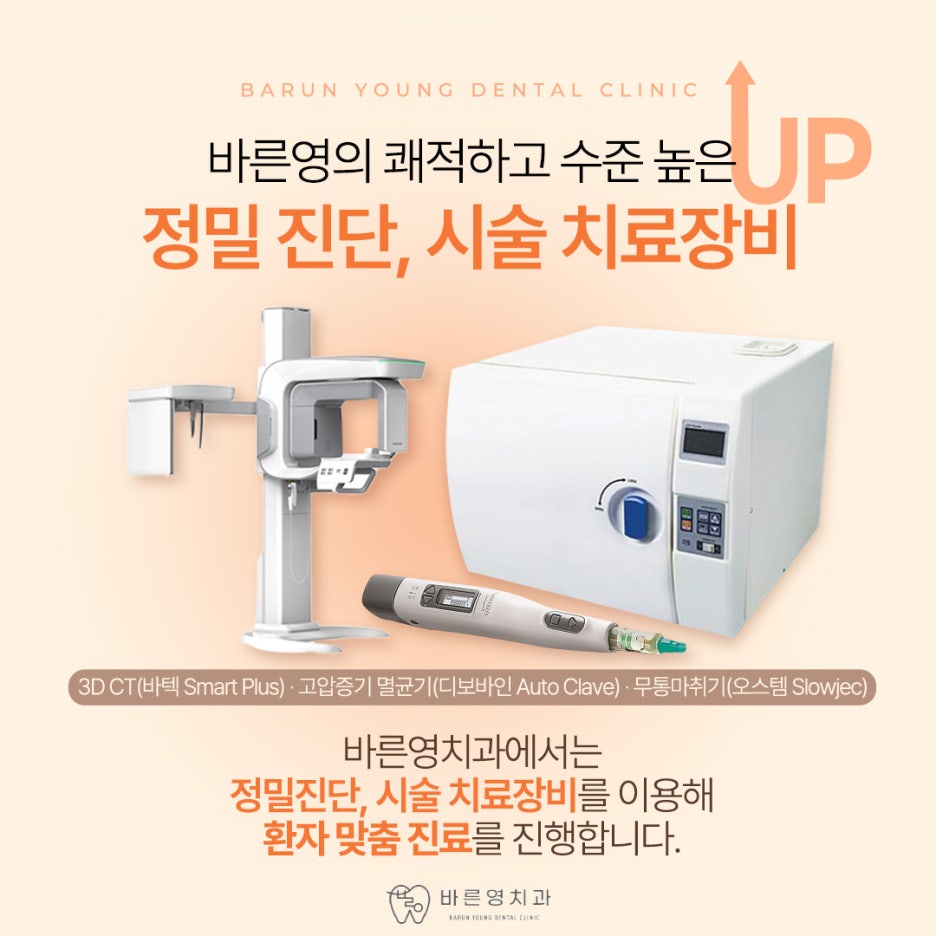
Occasionally, patients postpone dental treatment due to fear of pain during dental procedures, only visiting Seoul Jung-gu Dental Clinic after their symptoms have severely worsened. Barunyoung Dental Clinic has implemented a pain-free anesthesia system for those who fear dental treatment pain, helping to reduce the burden of discomfort.
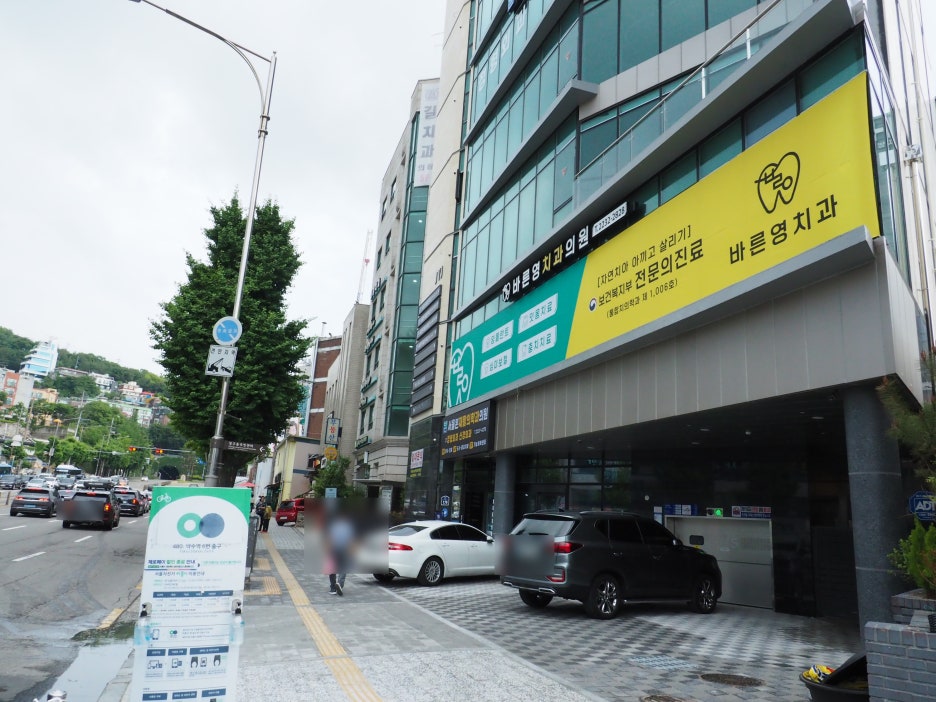
Barunyoung Dental Clinic, located a 1-minute walk from Yaksu Station Exit 6, also offers evening appointments until 8:30 PM every Tuesday and Thursday for patients who postpone dental treatment due to busy schedules. Please keep this in mind.





Frequently Asked Questions
What is the main cause of bleeding gums?
The most common cause of bleeding gums is plaque and tartar that accumulate between the teeth and gums. Food debris that we consume is not completely removed by brushing and hardens, creating a gap between the teeth and gums, allowing bacteria to penetrate and cause inflammation.
Does bleeding gums always mean gum disease?
Temporary gum weakening and bleeding can occur due to fatigue and reduced physical ability. However, if bleeding gums happen frequently and are accompanied by swelling or pain, it is highly likely to be gum disease, and a dental examination is necessary.
What problems can arise if gum disease is left untreated?
If gum disease is left untreated in its early stages, inflammation can spread to the bone around the gums, damaging the gum bone. This can lead to severe gum pain that is difficult to bear, bad breath, and loose teeth, and in severe cases, teeth may even fall out.
How often should I get scaling?
It is generally recommended to get scaling at least once a year. However, since the rate at which plaque and tartar accumulate varies from person to person, it is wise to visit a dental clinic for a consultation on your appropriate scaling treatment cycle (e.g., every 3, 6, or 12 months).
Is scaling treatment covered by health insurance?
Yes, scaling treatment is currently covered by national health insurance once a year. You can receive scaling treatment for a small fee of 10,000 to 20,000 won, which is a good benefit to keep in mind.
What kind of treatments can I receive at Seoul Jung-gu Dental Clinic?
Barunyoung Dental Clinic in Seoul Jung-gu is a nationally designated oral examination institution that provides comprehensive one-stop dental care, including scaling treatment, cavity treatment, and implant treatment. We utilize precise diagnostic equipment like 3D-CT to provide customized patient treatment, and the chief director provides 1:1 responsible care.