2025-04-15
Sagging Skin Surgery: Worried About Side Effects?
Learn about abdominoplasty (sagging skin surgery), including the procedure, recovery, and important considerations to help you make an informed decision.

If you have sagging abdominal skin,
many people are curious about
surgical methods to improve it.
In this article, we will explain
the typical process, recovery period,
and precautions for abdominoplasty,
focusing on medical information.
1. Understanding Abdominoplasty and Sagging Skin Surgery
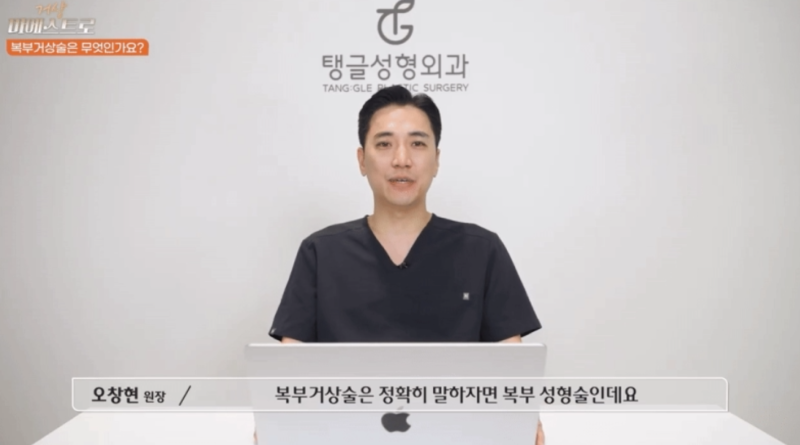
Abdominoplasty is a procedure that
removes sagging skin and fat from the abdomen
due to weight changes,
childbirth, or aging,
and improves the abdominal contour.
Medically, it is called
‘Abdominoplasty’, and sometimes also ‘sagging skin surgery’.
This procedure is not simply about removing fat;
it involves tightening the abdominal muscles
and removing excess skin to make the abdomen
flat and firm.
The scope of abdominoplasty can vary
depending on the individual's condition,
and it is performed in various ways
according to the patient's condition and goals.
2. The Process and Recovery of Sagging Skin Surgery
Sagging skin surgery is
usually performed under general anesthesia,
and the procedure time varies from
2 to 5 hours depending on the individual's condition.
During the process, an incision is made
in the lower abdomen, the skin is lifted,
the abdominal muscles are tightened,
excess skin is removed, and then
the incision is sutured.
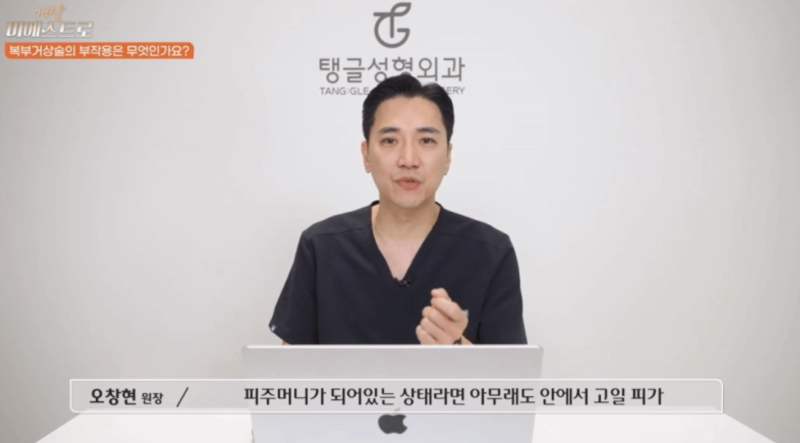
After surgery, a drain is inserted
to prevent fluid accumulation, and it is usually
removed after 1 to 2 weeks.
Complete recovery takes
approximately 6 weeks, and during this period,
it is recommended to avoid strenuous activities
and wear a compression garment.
3. Key Post-Sagging Skin Surgery Care Instructions
After sagging skin surgery,
consistent care according to medical staff's
instructions is important.
Keep the wound area clean,
take medications as directed,
and wear a compression garment.
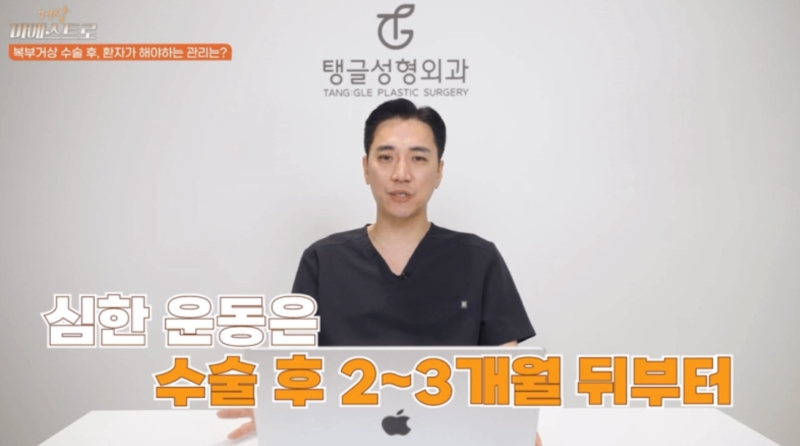
For 4 to 6 weeks after surgery,
avoid lifting heavy objects or
strenuous exercise.
Regular follow-up visits with medical staff
to check the recovery process are also
important.
If you experience abnormal pain, fever, swelling,
redness, or other symptoms, you should immediately
contact your medical team.
Appropriate care can reduce the risk
of complications and achieve
the desired results.
4. Precautions Related to Sagging Skin Surgery
Sagging skin surgery is not
suitable for everyone.
In the following cases,
careful consideration is required:
- If you have serious health problems
- If you have plans for weight loss
- If you plan to become pregnant in the future
- If you are a smoker (smoking cessation is recommended before surgery)
It is important to understand that sagging skin surgery
is not a weight loss procedure.
For ideal results,
maintaining a stable weight before surgery
is crucial.
5. Possible Reactions After Sagging Skin Surgery
After sagging skin surgery,
pain, swelling, and bruising
may occur for a certain period.
These are part of the normal recovery process
and gradually decrease over time.
Temporary numbness in the area
may occur, and it often recovers
after several months.
Surgical scars are initially red and
prominent, but they gradually fade
over time.
Complete maturation of the scar can
take more than a year, and it varies
from person to person.
Sagging skin surgery is an excellent procedure
for improving abdominal appearance,
but like all procedures,
it has pros and cons.
It is important to gather sufficient information
and consult with medical staff to determine
if it is suitable for you.
If you are considering abdominoplasty, please
consult with a qualified specialist to find
the method that is appropriate for your
condition and goals.
With the help of medical staff with extensive
medical knowledge and experience, you can achieve
safe and satisfactory results.