2026-09-03
Sagging Cheeks and Nasolabial Folds: Why You Should Address Cheek Sagging First, Not Just the Folds
This article explains why treating sagging cheeks is crucial for effective nasolabial fold improvement with thread lifts, rather than focusing solely on the folds.
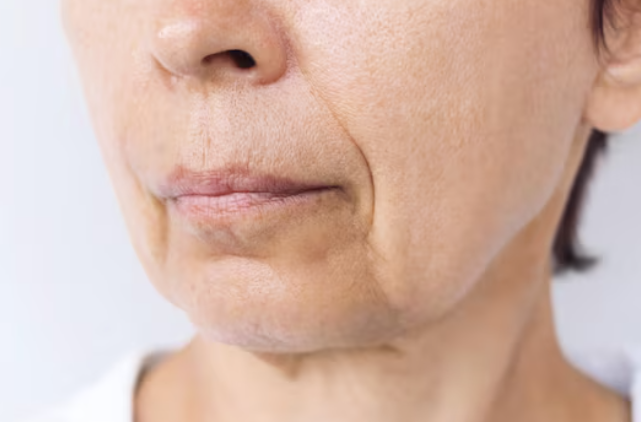
※ This article is intended to provide medical information.
It is not subject to deliberation under Article 56, Paragraph 2 and Article 57 of the Medical Act,
and is not an advertisement unrelated to the content of deliberation.
Thread Lift for Sagging Cheeks and Nasolabial Folds: Will it be effective?
Hello,
I am Dr. Jung-Keun Park,
Director of Face Plus Plastic Surgery Clinic.
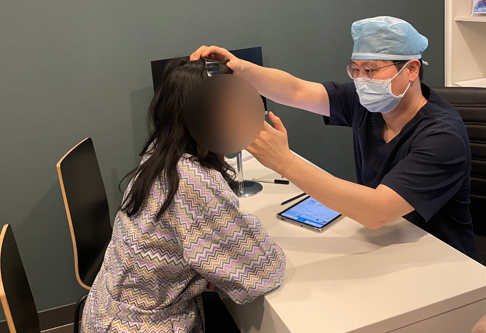
When nasolabial folds deepen, it might seem like
filling or pulling only that area will solve the problem,
but in reality, it's not that simple.
During consultations, we often find that sagging cheeks above the nasolabial folds
are the primary issue, occurring much more frequently
than the folds themselves.

In this situation, if only the nasolabial folds are treated,
it might appear temporarily alleviated,
but the overall impression may not change significantly or could even look
awkward.
Table of Contents | ||
1. The Real Cause of Deepening Nasolabial Folds 2. How Cheek Sagging Creates Nasolabial Folds 3. Limitations of Correcting Only Nasolabial Folds 4. Design Criteria for Natural Improvement |
1. The Real Cause of Deepening Nasolabial Folds
Nasolabial folds are not merely wrinkles on the skin;
they often appear as a result of changes in facial structure.
Specifically, when the midface loses volume and tissues shift downwards,
the fold line next to the nose deepens.
At this point, it's not just the nasolabial area that's problematic, but also
a change in the position of the cheeks above it.
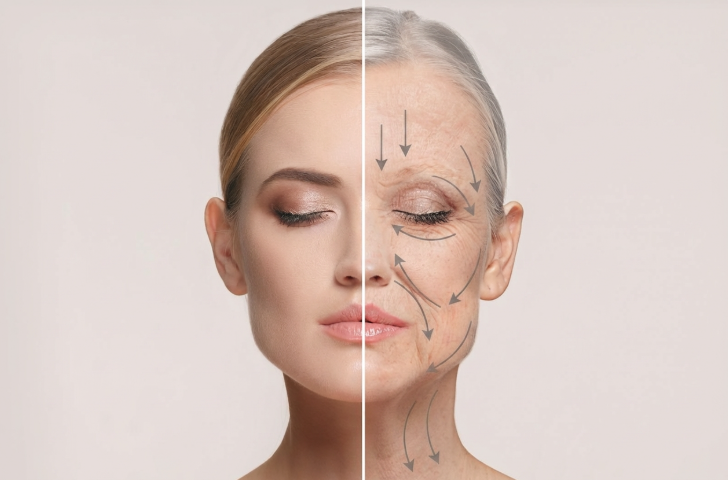
As we age, the face typically shows a reduction in upper volume
and a downward shift of tissues.
During this process, nasolabial folds become increasingly prominent.
In other words, nasolabial folds are not an isolated problem but a phenomenon
that arises from changes in overall facial balance.
2. How Cheek Sagging Creates Nasolabial Folds
When cheeks sag, their weight pulls downwards, creating a fold
in the area next to the nose.
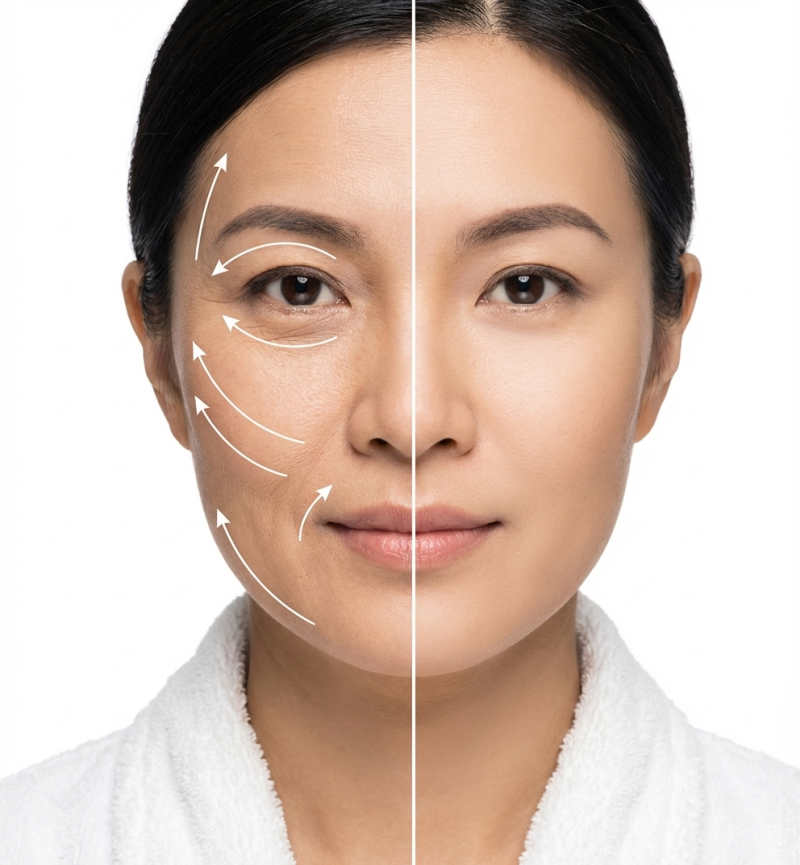
At this point, nasolabial folds are not simply hollowed out but are formed as
a ‘structure pressed down from above’.
Therefore, even if filled with fillers, they might be pressed down again, or
if pulled with a thread lift, the effect might be limited if the direction is incorrect.

Especially when the midface has descended, pulling only the lower part of the nasolabial folds
can actually make the upper part appear more emphasized.
3. Limitations of Correcting Only Nasolabial Folds
Focusing solely on treating nasolabial folds presents several
limitations.
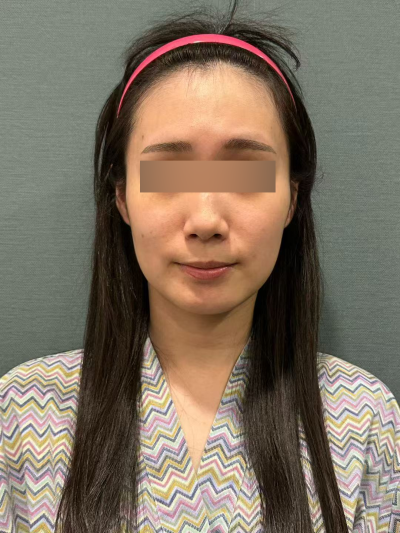
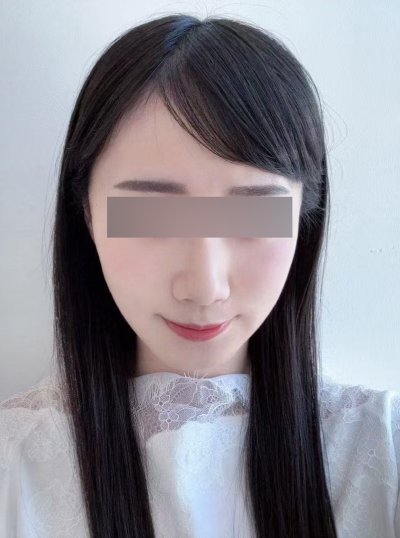
While superficial wrinkles may be alleviated, the overall impression of a heavy-looking face
often remains.
Furthermore, if only the nasolabial folds are filled while cheek sagging persists,
the volume can become excessively concentrated, creating an unnatural
appearance.
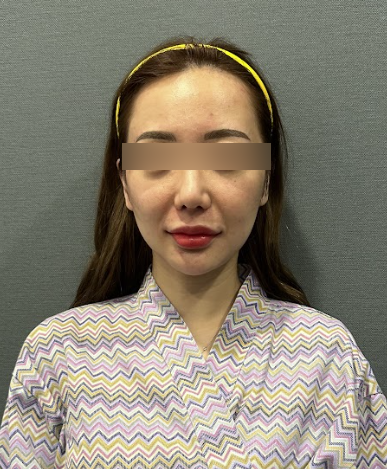

In fact, since thread lifting involves moving tissues along the SMAS layer,
the outcome depends on which area is used as the anchor point for pulling.
4. Design Criteria for Natural Improvement
To naturally improve nasolabial folds,
it's first necessary to design the lift to raise the midface, specifically the cheeks.

Lifting should be performed in a direction that starts below the cheekbones and extends upwards,
allowing volume to be naturally restored, and consequently,
nasolabial folds to be alleviated.
Fixation should occur in the temporal region, where movement is minimal,
to ensure stable maintenance.
By placing threads along the gliding plane of the face, tissues move smoothly,
and the pull is transmitted without being excessive.
Ultimately, nasolabial folds are not ‘just a problem of the folds’ but
a structural change originating from cheek sagging.
-Operating Hours-
Weekdays 9:00 ~ 18:00 Saturdays 9:00 ~ 16:00 Public Holidays / Sundays Regular Closure |
-Contact Us-
Face Plus Plastic Surgery Clinic | ||
Consultation Phone: 02-541-8500 Inquiries: KakaoTalk Inquiry |
-Directions-
Sagging Cheeks and Nasolabial Folds Thread Lift
Frequently Asked Questions
What is the real cause of deepening nasolabial folds?
Nasolabial folds are often not just skin wrinkles but a result of changes in facial structure. Specifically, reduced midface volume and downward tissue migration deepen the lines next to the nose, often accompanied by cheek sagging.
What are the limitations of treating only nasolabial folds?
Treating only nasolabial folds may alleviate superficial wrinkles, but the overall impression of a heavy-looking face can remain. Additionally, if only the folds are filled while cheek sagging persists, excessive volume concentration can create an unnatural appearance.
How does cheek sagging affect nasolabial folds?
When cheeks sag, their weight pulls downwards, creating a fold in the area next to the nose. In this case, nasolabial folds are not merely hollowed out but are formed as a structure pressed down from above, meaning that pulling only the lower part of the folds can make the upper part appear more emphasized.
What are the design criteria for a natural thread lift to improve nasolabial folds?
For natural improvement, it's first necessary to design the lift to raise the midface, specifically the cheeks. Lifting should be performed in a direction that starts below the cheekbones and extends upwards to naturally restore volume.
Where should threads be fixed during a thread lift for stable results?
For stable maintenance during a thread lift, fixation should occur in the temporal region, where movement is minimal. By placing threads along the gliding plane of the face, tissues move smoothly, and the pull is transmitted without being excessive.