2026-07-14
Regain a More Perfect Eye Line with Eye Revision Surgery
Considering eye revision surgery? This article from Baba Plastic Surgery explains common reasons for revision, surgical methods based on type, optimal timing, the revision process, and key considerations for a successful outcome.

Hello, this is Baba Plastic Surgery.
If the results of your first double eyelid surgery differ from your expectations or if changes occur over time, you might consider revision surgery.
When considering revision surgery, it is crucial to accurately identify the cause first and then find the appropriate surgical method to proceed with precision. This ensures that not only functional aspects but also aesthetic aspects can be improved.
Therefore, today we will be posting about double eyelid revision surgery.
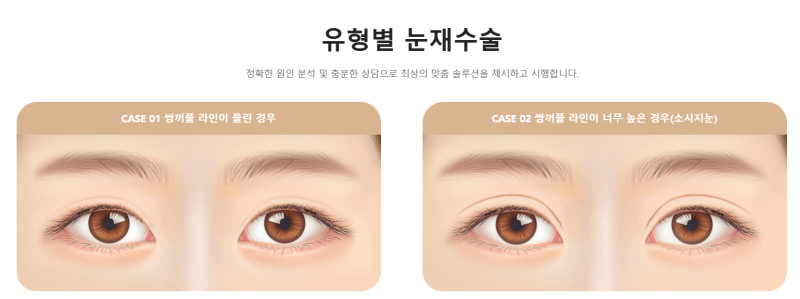
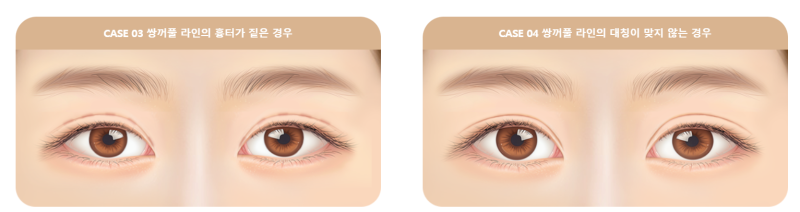
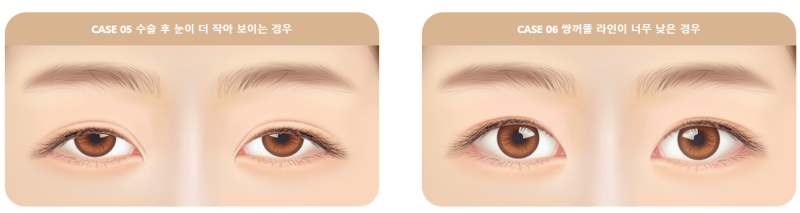
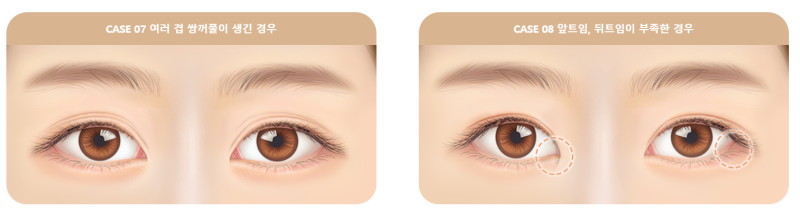
Cases for considering eye revision surgery and surgical methods by type
1. Drooping double eyelid: When the double eyelid becomes faint or the line disappears over time
> Removal of factors causing the double eyelid to droop through fat repositioning or fat removal
2. Sausage eye: When the double eyelid thickness is too thick
> Customized surgery performed after checking eyelid skin laxity and orbicularis oculi muscle preservation
3. Double eyelid line scar: When the scar on the double eyelid line is prominent
> Customized surgery to minimize scars, analyzing previous surgical methods and scar types
4. Line asymmetry: When the double eyelid lines on both sides are asymmetrical
> Double eyelid line correction or ptosis surgery performed depending on the cause of asymmetry
5. Weak eye-opening strength (ptosis): When eye-opening strength weakens after double eyelid surgery
> Additional eye shape correction or epicanthoplasty/canthoplasty performed depending on individual condition
6. Low line: When the double eyelid line has loosened or the skin has sagged, causing the line to be low
> If skin covers the line, surgery to excise the sagging skin is performed
7. Multiple folds: When the double eyelid line overlaps in multiple folds, creating multiple creases
> Adhesion removal for multiple folds or eye shape correction surgery performed depending on individual condition
8. Insufficient canthoplasty: When canthoplasty is insufficient after surgery or the eyes have re-closed
> Repositioning of the epicanthic fold for the inner corner of the eye, revision surgery for the outer corner of the eye
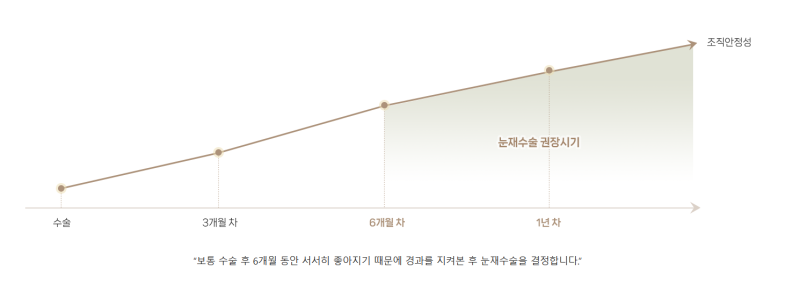
Optimal timing for eye revision surgery
It is important to undergo eye revision surgery after a sufficient recovery period following the first surgery. Generally, tissues stabilize 6 months to 1 year after the first surgery, allowing for safe revision surgery. However, in cases of severe inflammation or functional problems, it may be performed sooner depending on the situation.

The process for successful eye revision surgery
1. Determine the cause of revision
Through systematic analysis of the reasons for previous surgical failure, a 1:1 customized design and surgical plan are established.
2. Remove adhesions and scar tissue
Careful dissection of adhered tissue minimizes tissue damage and scar formation, leading to faster recovery and satisfactory results.
3. Functional and aesthetic reconstruction
Naturally restore structural problems of the skin caused by previous surgery and improve to a refined line.


Eye Revision Surgery Methods (Incisional and Non-incisional)
Incisional Eye Surgery
The existing double eyelid line is released, the eyelid is minimally incised, unnecessary tissue is removed, and a new double eyelid line is formed.
Incisional eye revision surgery requires suture removal after incision and suturing, which is performed 7 days after the surgery.
Non-incisional Eye Surgery
The existing double eyelid line is released, and without incision, customized holes (small punctures) are designed to form the double eyelid line using sutures and adhesions.
Non-incisional eye revision surgery leaves almost no scars, has a fast recovery, and does not require suture removal.
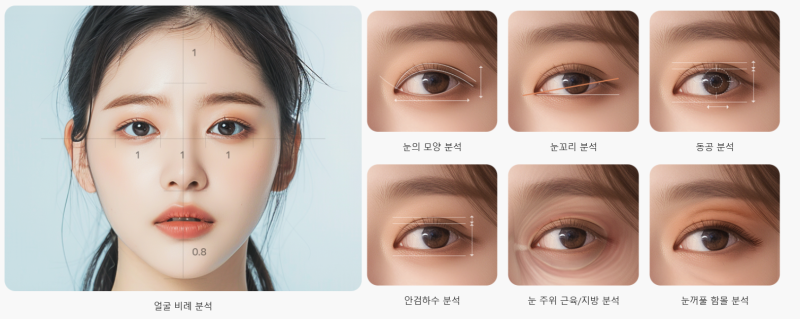
Checklist for Successful Eye Revision Surgery
1. Choose an experienced medical team: Revision surgery is a highly complex procedure, so it is crucial to find a skilled specialist.
2. Thorough consultation: Through sufficient consultation with the medical team, clarify your desired results and confirm realistic possibilities.
3. Consider recovery period: The recovery period may be longer than the first surgery, so allow ample time in your schedule.
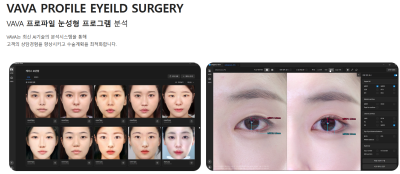

At Baba Plastic Surgery, we provide customized double eyelid revision surgery based on extensive experience. We strive to achieve natural and satisfactory results by considering not only simple aesthetic improvements but also functional aspects. Through precise diagnosis, meticulous design, and systematic post-operative care, we enhance the beauty of your precious eyes.
If you feel that double eyelid revision surgery is necessary, we recommend consulting with an expert to find the most suitable method.


