2026-07-14
Ptosis Recovery Period Varies by Individual
Aging naturally brings changes like droopy eyelids. Upper blepharoplasty, a common procedure, can correct this. Recovery varies by method (non-incisional vs. incisional) and individual, typically 1-2 weeks for non-incisional and longer for incisional.

Ptosis Recovery Period Varies by Individual
As time passes, aging naturally occurs. The primary cause of aging is ultraviolet (UV) rays, which drastically reduce moisture content and alter collagen. Among the typical symptoms, a loss of elasticity leads to deep wrinkles, and the eye area, being the thinnest skin, is particularly vulnerable to aging.
Aging around the eyes often involves drooping upper eyelids, which can make one look sleepy or partially obstruct vision, affecting not only aesthetics but also functional eyesight. To address this, one of the most common surgeries middle-aged individuals undergo is upper blepharoplasty.
To compensate for this, one of the most popular surgeries among middle-aged individuals is upper blepharoplasty. The procedure is performed using either a non-incisional or incisional method, depending on the degree of eyelid sagging.
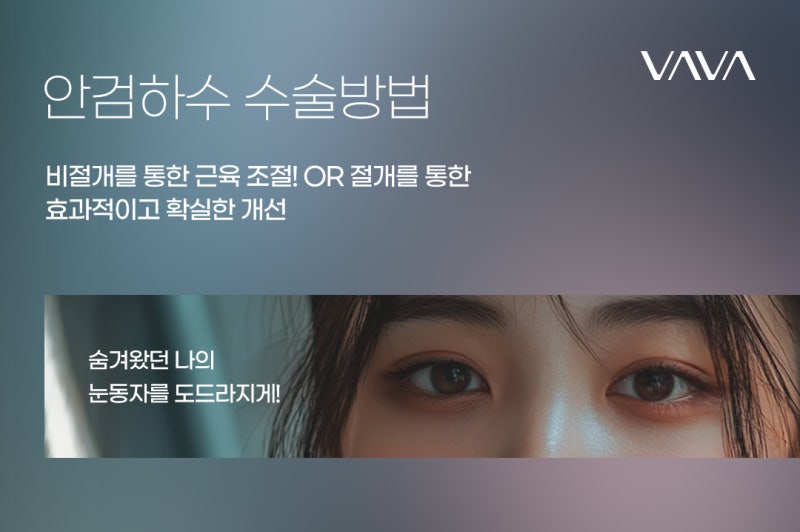
In the case of the non-incisional method, tiny holes are made below the double eyelid line to tie the eyelid skin and form a crease, while adjusting the muscles. The incisional method involves a meticulous check of the degree of eyelid sagging and skin condition, careful analysis and design of the amount of tissue to be removed, and then the removal of some eyelid skin, fat, and muscle tissue to improve sagging eyelids and expose the previously hidden pupils.
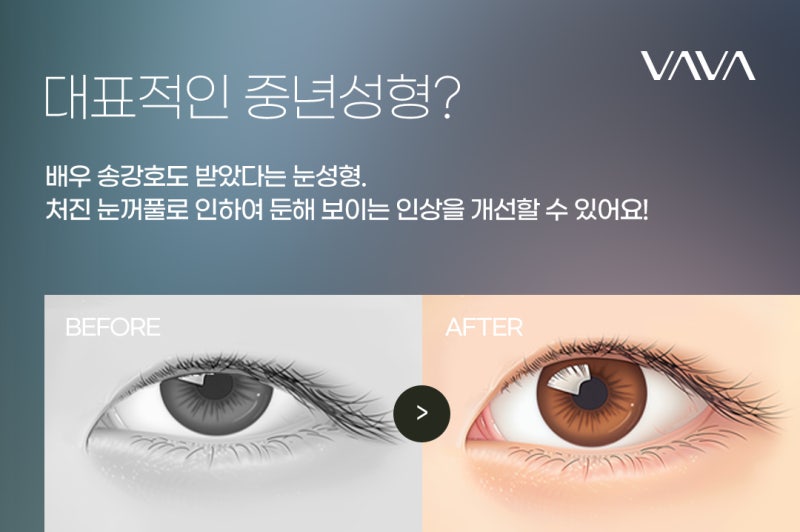
Recently, actor Song Kang-ho appeared before the public with a more defined eye shape after undergoing upper blepharoplasty, as mentioned earlier. While celebrities have tight schedules that can be significantly impacted by surgery, upper blepharoplasty is a procedure that allows for a faster recovery.
So, today, let's learn about the recovery period for upper blepharoplasty. The recovery period generally varies depending on the individual's skin condition and surgical method, so it's recommended to refer to management methods suitable for you.
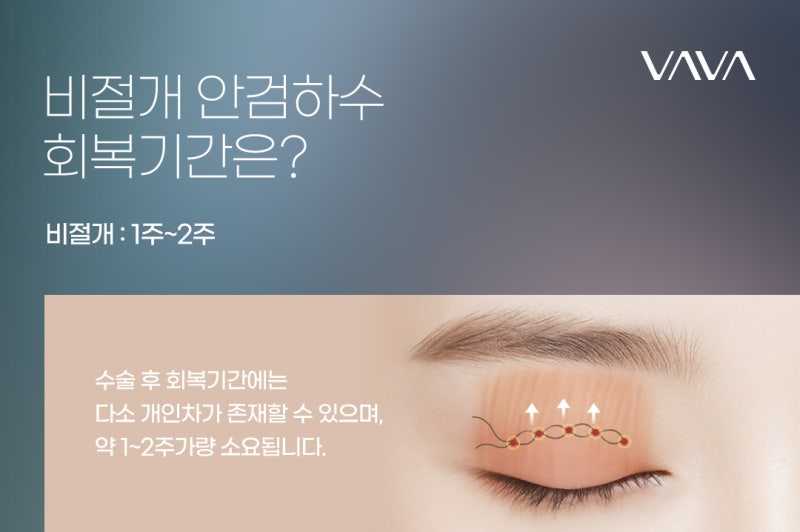
First, for the non-incisional method, it's a procedure that pulls the muscles using sutures without skin incision, so stitch removal is unnecessary. Since there are no major skin incisions, swelling and bruising are minimal, allowing for recovery within approximately 1 to 2 weeks. After surgery, apply cold compresses for 3 days, then switch to warm compresses, and get plenty of rest, which can help reduce swelling.
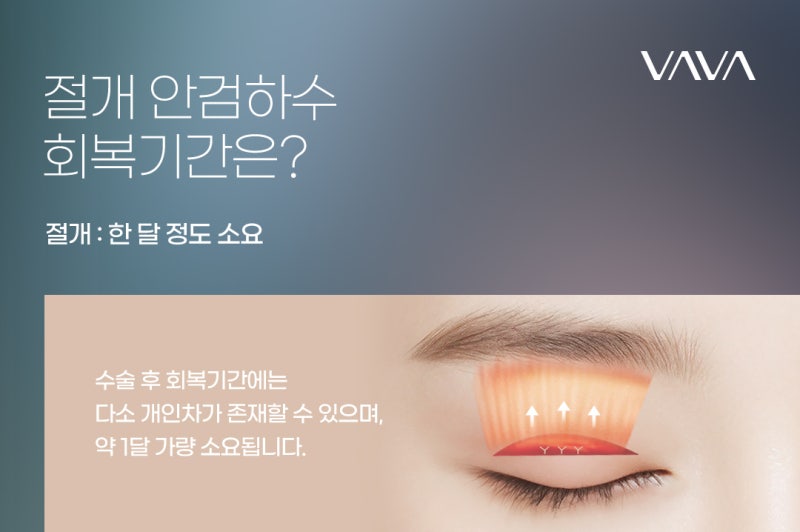
For the incisional method, stitch removal typically takes 7 to 10 days from the day of surgery, and during this time, you must be careful not to let water get into the surgical site to prevent complications. Due to tissue removal, swelling can be significant for at least 3 days, so it's best to apply cold ice packs to prevent further swelling and get plenty of rest. However, if the weather is cold, making cold compresses difficult, you can apply ice packs in short intervals of 5-10 minutes repeatedly instead of for extended periods.
After a certain period and stitch removal, simple face washing and showering are possible. However, strenuous exercise, saunas, jjimjilbangs, and other places with excessive heat should be avoided for at least 3 months to aid the recovery process. After stitch removal, the wound site is exposed, so it's recommended to consistently apply the prescribed eye drops and ointment for the instructed period and frequency to aid recovery and prevent the wound from opening. The prescribed eye drops and ointment can greatly help prevent secondary infection of the surgical site and reduce swelling.
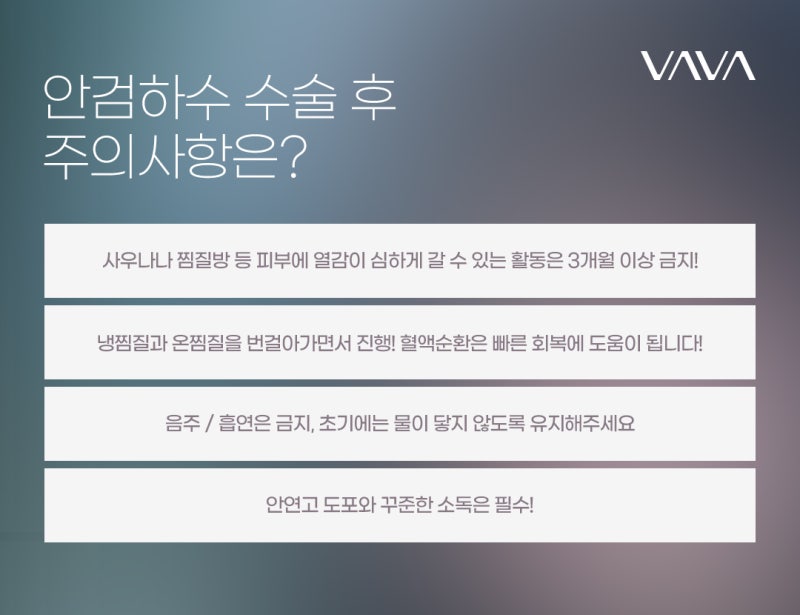
Furthermore, even after stitch removal, compresses should be continued. For one week after stitch removal, it's good to alternate between cold and warm compresses, and after that, only warm compresses can help with blood circulation and swelling reduction.
For both non-incisional and incisional methods, it's best to refrain from alcohol and smoking for at least one month and avoid touching the surgical site. Also, when sleeping, it's recommended to keep your face higher than your heart and chest, and avoid sleeping on your stomach. Additionally, if the surgical site swells rapidly, causes severe pain, or bleeding occurs, contact the hospital promptly, or in urgent situations, we advise visiting the emergency room.
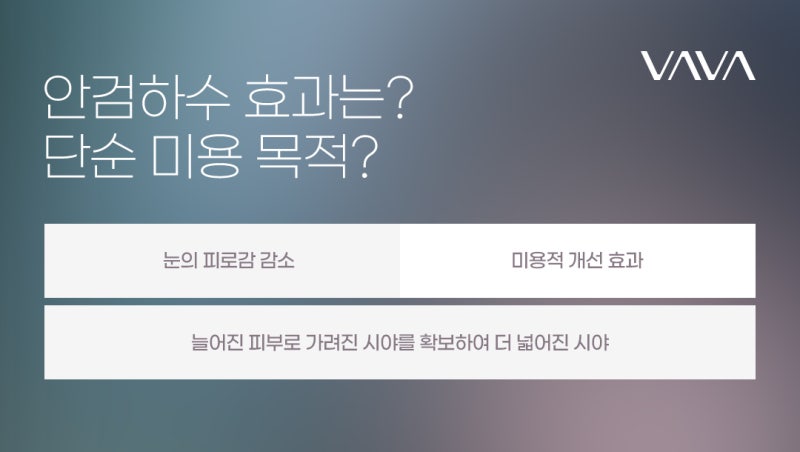
Ptosis surgery not only offers aesthetic benefits but is mostly a therapeutic procedure that can improve the quality of life by reducing eye fatigue and improving vision. However, explanations about side effects, proper management methods, and accurate information must be provided to ensure long-term maintenance without major issues. Recovery periods can vary depending on eye shape, skin thickness, constitution, recovery ability, and post-operative care, so it's recommended to have a precise consultation, surgical method, and design discussed with a skilled specialist.

#BabaPlasticSurgery #Ptosis #MiddleAgedEyeSurgery #UpperBlepharoplasty #EyeSurgery
Frequently Asked Questions
How long does the recovery period take after upper blepharoplasty?
The recovery period for upper blepharoplasty varies depending on the surgical method and individual differences. Non-incisional methods typically allow for recovery within about 1-2 weeks, while incisional methods require 7-10 days for stitch removal, followed by swelling management.
What are the characteristics of non-incisional upper blepharoplasty?
Non-incisional upper blepharoplasty creates a crease by pulling the muscles with sutures without skin incision. It has the advantage of not requiring stitch removal, causing less skin trauma, resulting in less swelling and bruising, and a faster recovery within approximately 1-2 weeks.
When are stitches removed after incisional upper blepharoplasty?
After incisional upper blepharoplasty, stitch removal usually takes about 7 to 10 days from the day of surgery. Before stitch removal, care must be taken to prevent water from touching the surgical site.
When can I drink alcohol and smoke after upper blepharoplasty?
It is recommended to refrain from alcohol and smoking for at least one month after upper blepharoplasty. This helps prevent inflammation or delayed healing at the surgical site and promotes faster recovery.
How should I manage swelling after surgery?
For the first 3 days after surgery, apply cold compresses to reduce swelling, and then combine with warm compresses. For one week after stitch removal, alternate between cold and warm compresses, and after that, only apply warm compresses to aid blood circulation and reduce swelling.
Can I exercise or use a sauna after upper blepharoplasty?
After upper blepharoplasty, it is beneficial for the recovery process to avoid strenuous exercise, saunas, jjimjilbangs, and other places with excessive heat for at least 3 months.