2026-09-03
Peanut-Shaped Face Thread Lift: Specific Design Criteria for Your Face Shape
If your temples and cheeks appear sunken, you might have a 'peanut-shaped face.' This article explains why simple lifting isn't enough and how a customized thread lift design can restore balance and volume.
※ This article is for the purpose of providing medical information.
It is not subject to deliberation under Article 56, Paragraph 2 and Article 57 of the Medical Service Act, and we inform you that it is not an advertising post unrelated to the content of deliberation.
Hello,
I am Dr. Jung-Geun Park,
Director of Faceplus Plastic Surgery Clinic.

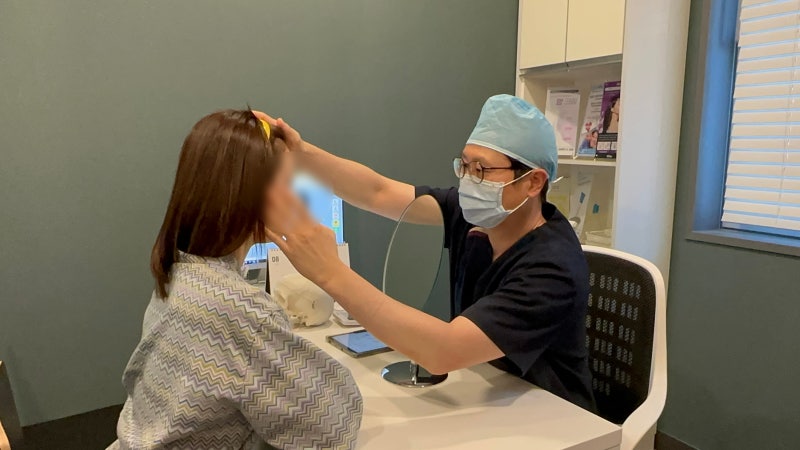
If you look in the mirror and your temples and cheeks appear sunken, and your face feels uneven, you likely have what is commonly referred to as a ‘peanut-shaped face’.
It’s easy to assume this is simply due to weight loss, but in reality, it’s often a combination of volume loss and sagging.

If you opt for a lift that only pulls in this state, the sunken areas may become even more pronounced.
Therefore, a peanut-shaped face requires a different approach than a typical lift.
Table of Contents | ||
1. Structural Reasons for a Peanut-Shaped Face 2. Why Simple Lifting Isn't Enough 3. Important Criteria in Thread Lift Design 4. Summary of Improvement Directions Tailored to Face Shape |
1. Structural Reasons for a Peanut-Shaped Face
A peanut-shaped face is characterized by certain areas appearing sunken while others are relatively prominent.
Typically, the temple area and mid-face volume decrease,
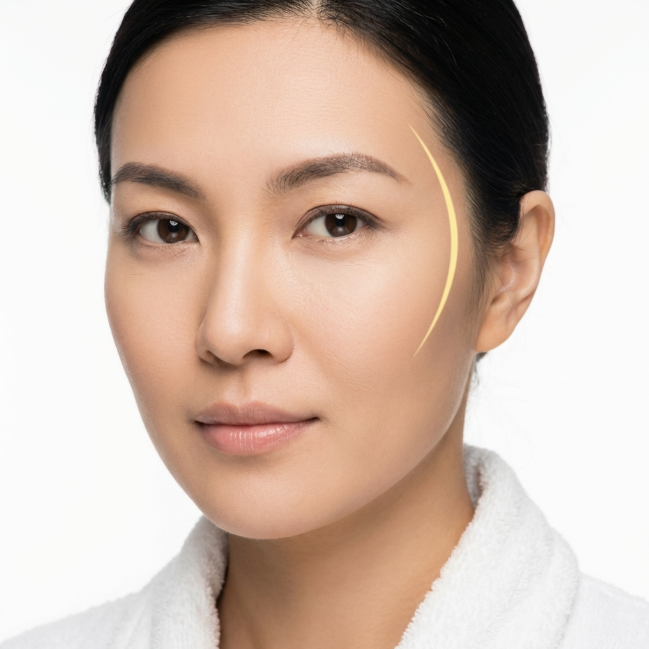
Conversely, the lower tissues sag, creating a greater contrast.
As we age, the mid-face soft tissues shift downwards and accumulate towards the lower jaw, making the face shape uneven and emphasizing contours.
In other words, it’s not simply a lack of fat, but a result of simultaneous volume loss and positional changes.
In other words, it’s not simply a lack of fat, but a result of simultaneous volume loss and positional changes.
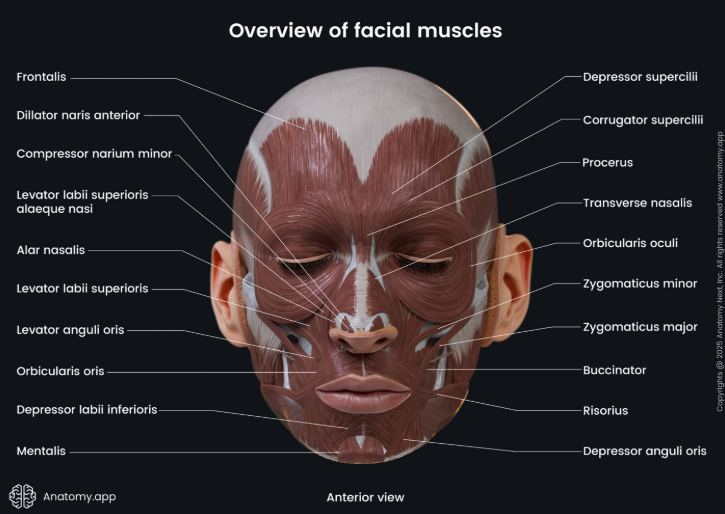
When individual skeletal structure and fat distribution differences are added to this, the shape differences often appear even greater at the same age.
2. Why Simple Lifting Isn't Enough
If a strong lift is performed in this state, problems can arise.
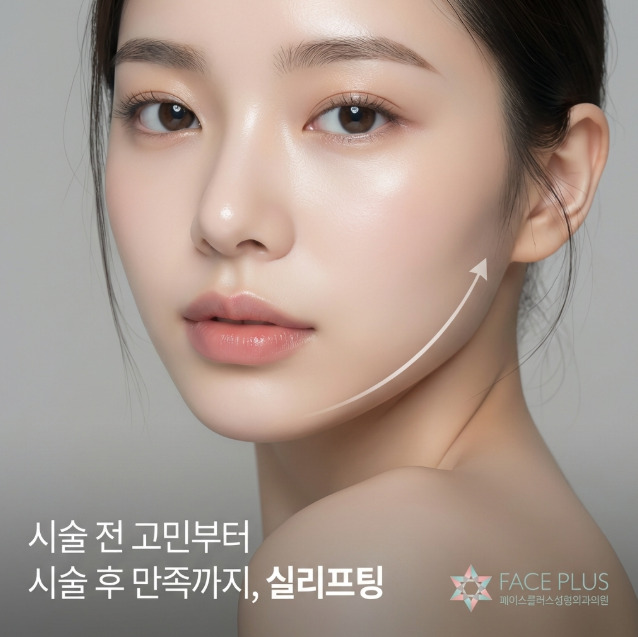
While it’s correct to lift sagging tissues upwards, the already sunken areas are not filled, which can sometimes make the hollowness even more pronounced.
Therefore, for a peanut-shaped face, ‘where to preserve and where to move’ is more important than ‘how much to pull’.
Especially if the central cheek volume is insufficient, performing only a lift can make the face appear longer or result in a loss of three-dimensionality.
3. Important Criteria in Thread Lift Design
The outcome of a thread lift varies greatly depending on the placement, direction, and fixation points of the threads.
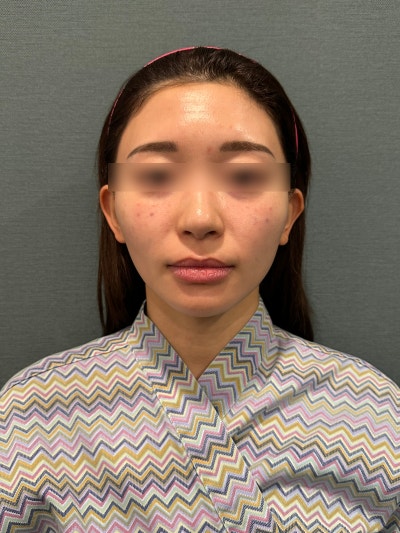
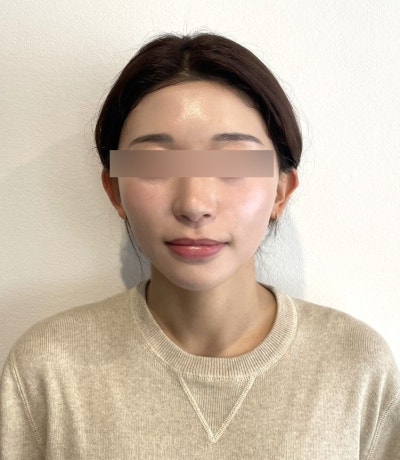
It’s not simply about pulling the skin; designing based on structures like the SMAS layer yields natural results.
For a peanut-shaped face, two things are particularly important:
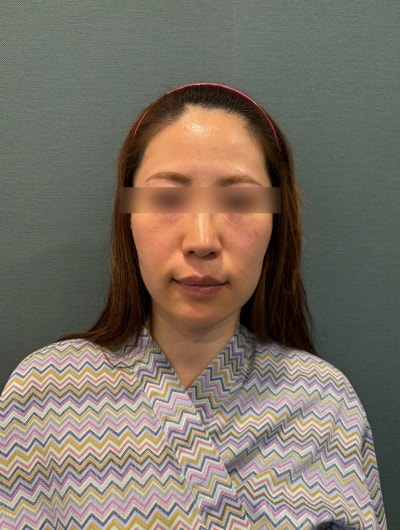
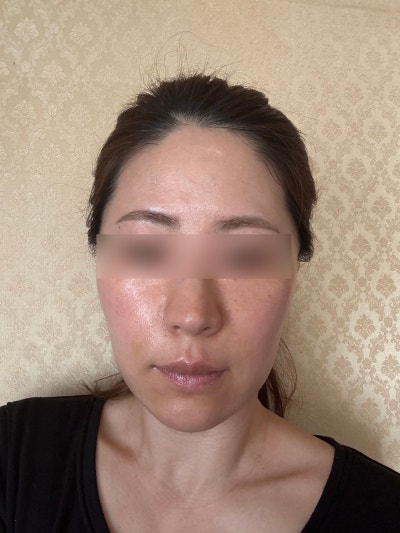
First, the sunken areas must be maintained without further hollowing while lifting.
Second, the lifting vector must be directed to enhance the three-dimensionality of the central cheek.
In other words, it’s not just a simple upward lift, but a design that complements the face shape.
4. Summary of Improvement Directions Tailored to Face Shape
For a peanut-shaped face, it’s important to approach it by dividing the structure rather than trying to solve it with a single procedure.
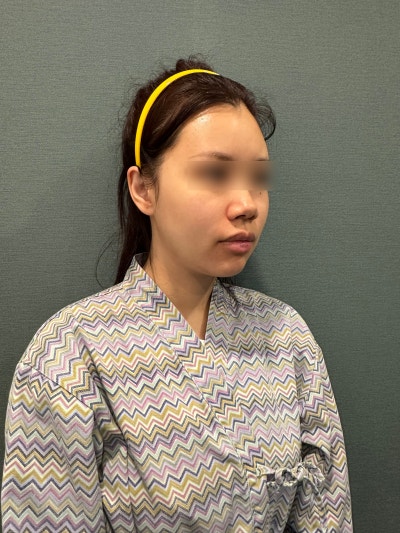
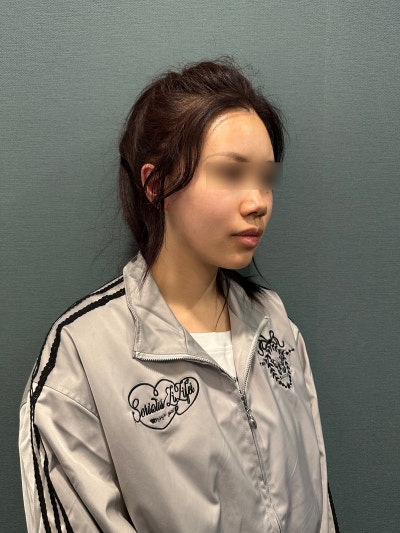
A combination of volume augmentation for sunken areas and upward repositioning of sagging tissues is needed for a natural refinement.
In many cases, combining a thread lift with volume augmentation procedures yields more stable results.
Ultimately, what’s important is not pulling forcefully, but a design that balances the face.
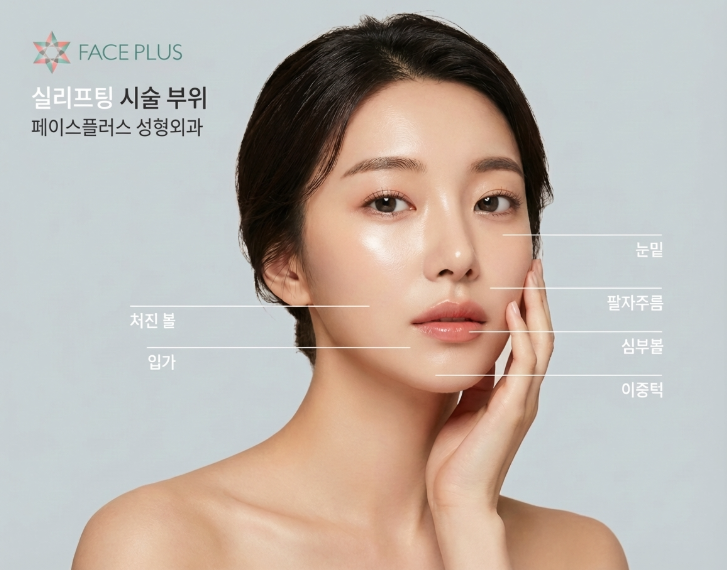
Even with the same thread lift, the completeness of the result varies greatly depending on whether the face shape is considered.
-Operating Hours-
Weekdays 9:00 ~ 18:00 Saturdays 9:00 ~ 16:00 Public Holidays / Sundays Regular closure |
-Contact Us-
Faceplus Plastic Surgery Clinic | ||
Consultation Phone: 02-541-8500 Inquiry: KakaoTalk Inquiry |
-Directions-
Peanut-shaped face thread lift
Frequently Asked Questions
Why does a peanut-shaped face occur?
A peanut-shaped face is characterized by the temple area and mid-face volume decreasing, while the lower tissues sag. It is a result of the mid-face soft tissues shifting downwards and accumulating towards the lower jaw, along with volume loss, as one ages.
Can a simple lift alone address a peanut-shaped face?
No, a strong, simple lift alone can cause problems. Since already sunken areas are not filled, it can actually emphasize the hollowness, or lead to the face appearing longer and losing its three-dimensionality.
What is important when performing a thread lift for a peanut-shaped face?
Two things are important for a peanut-shaped face thread lift. First, the sunken areas must be maintained without further hollowing while lifting. Second, the lifting vector must be directed to enhance the three-dimensionality of the central cheek.
Can a peanut-shaped face be improved with just one procedure?
No, it’s important to approach it by dividing the structure rather than trying to solve it with a single procedure. A combination of volume augmentation for sunken areas and upward repositioning of sagging tissues is needed for a natural refinement. In some cases, combining a thread lift with volume augmentation procedures can yield more stable results.