2026-09-03
Nasolabial Fold Botox vs. Filler: Comparing Differences in Effects, Duration, and Pain
This article compares nasolabial fold Botox and filler treatments, detailing their differences in effects, duration, and pain. It helps individuals choose the right treatment based on the cause of their wrinkles.
※ This article is intended to provide medical information.
It is not subject to review under Article 56, Paragraph 2 and Article 57 of the Medical Service Act,
and is not an advertisement unrelated to review content.
Hello,
I am Dr. Park Jung-geun,
Director of Faceplus Plastic Surgery Clinic.

When nasolabial folds start to bother you,
many people wonder which procedure
—Botox or filler—is right for them.
Both are relatively well-known procedures,
but there are differences in their intended purpose
and approach.

Specifically, depending on whether the cause of nasolabial folds is
facial expressions or volume loss,
the recommended approach may differ.
So today,
I will summarize the differences between nasolabial fold Botox and filler,
focusing on effects, duration, and pain.
Table of Contents | ||
1. Differences between Nasolabial Fold Botox and Filler 2. When each treatment is recommended 3. Reasons for differences in duration 4. Summary of information regarding pain and swelling |
1. Differences between Nasolabial Fold Botox and Filler
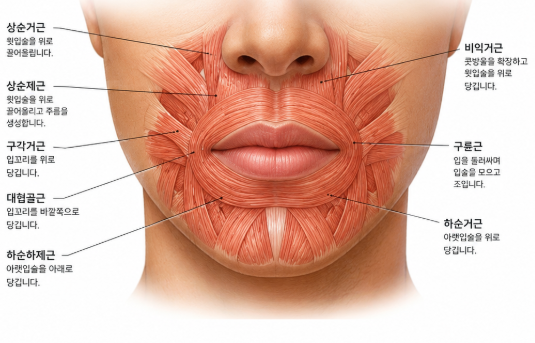
Botox is a procedure
that aims to control muscle movement.
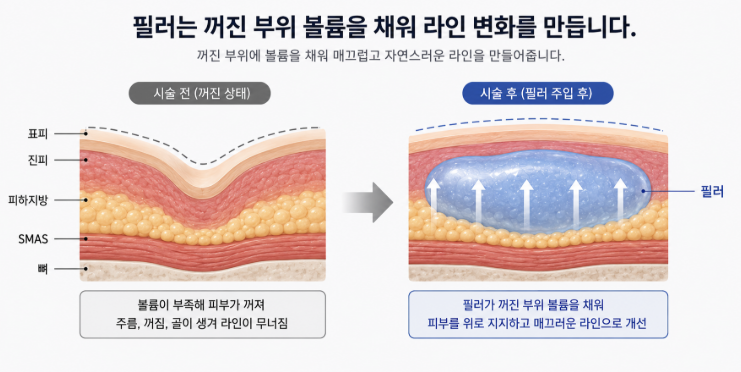
On the other hand, fillers are often described as filling in sunken areas
to create changes in facial lines.
Therefore, if the cause of nasolabial folds is related to
hollow cheeks or volume loss,
fillers are often discussed.
If facial expression habits or
the influence of muscles around the mouth are also considered,
Botox may be mentioned as well.
However, the application may vary depending on an individual's face shape,
wrinkle depth, and skin elasticity.
2. When each treatment is recommended
Nasolabial folds often arise not from a single cause,
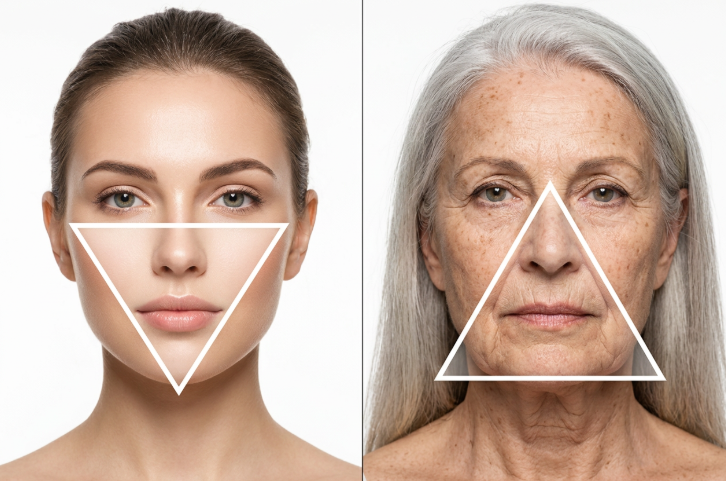
but from a combination of sagging cheeks, fat loss, and facial expression habits.
During consultation, we often check the current degree of hollowness
and changes in movement when smiling.
Especially in cases of deep indentations,
volume restoration may be discussed.
If there is strong movement around the mouth,
muscle usage habits are also considered.
3. Reasons for differences in duration
Botox and fillers also differ in their duration.
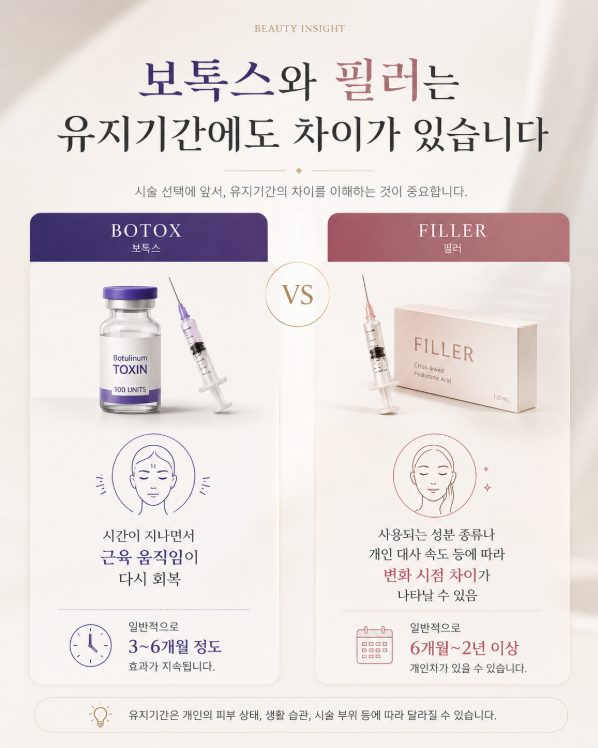
Botox's effect diminishes over time as
muscle movement gradually recovers.
Fillers also show variations in the timing of changes
depending on the type of ingredients used and
individual metabolic rates.
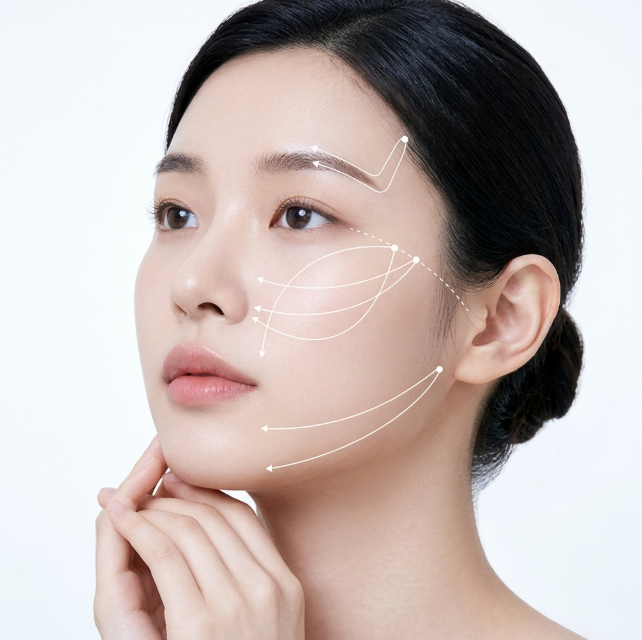
Furthermore, lifestyle habits and
the degree of movement in the treated area
can also affect the perceived duration.
Therefore, even for the same procedure,
the felt duration may vary from person to person.
4. Summary of information regarding pain and swelling
Both Botox and fillers are often administered as
injections,

so discomfort such as a stinging sensation or
pressure during the procedure
may be experienced.
Especially with fillers, some people report initial
swelling or a feeling of pressure
during the volume-filling process.
Botox can also temporarily cause redness or
a heavy sensation at the injection site.
However, recovery patterns and
the perceived duration can vary individually,
and differences may also arise depending on the current skin condition.
If you are considering nasolabial fold treatment,
rather than just looking at popular procedures,
it can be helpful to consult with a professional,
considering the current cause of your wrinkles and
your facial volume status.
-Operating Hours-
Weekdays 9:00 ~ 18:00 Saturdays 9:00 ~ 16:00 Public Holidays / Sundays Regular closure |
-Contact Us-
Faceplus Plastic Surgery Clinic | ||
Consultation Phone: 02-541-8500 Inquiries: KakaoTalk Inquiry |
-Directions-
Nasolabial Fold Botox, Filler Differences
Frequently Asked Questions
What are the main differences between nasolabial fold Botox and filler?
Nasolabial fold Botox primarily targets wrinkles caused by facial expressions by controlling muscle movement. In contrast, fillers are procedures that fill in sunken areas to create changes in facial lines, mainly recommended when the cause is hollow cheeks or volume loss.
Can the treatment differ depending on the cause of nasolabial folds?
Yes, it can. If the nasolabial folds are largely due to facial expression habits or the influence of muscles around the mouth, Botox may be considered. If hollow cheeks or volume loss are the primary cause, fillers are often discussed.
How long do nasolabial fold Botox and filler treatments last?
Botox's effect diminishes over time as muscle movement recovers. Fillers' duration can vary depending on the type of ingredients used, individual metabolic rates, and lifestyle habits. The perceived duration may differ for each individual.
What level of pain or swelling can be expected during nasolabial fold treatments?
Both Botox and fillers are injection procedures, so a stinging sensation or pressure may be felt. Fillers may initially cause swelling or a feeling of pressure, while Botox may temporarily cause redness or a heavy sensation at the injection site, but these vary individually.
What should be considered before undergoing nasolabial fold treatment?
If you are considering nasolabial fold treatment, it is helpful to consult with a specialist, considering not just popular procedures but also the current cause of your wrinkles and your facial volume status. Choosing a treatment appropriate for your individual condition is important.
Why do nasolabial folds appear?
Nasolabial folds often appear not from a single reason, but from a combination of factors such as sagging cheeks, fat loss, and the influence of facial expression habits. Complex factors like the ‘Triangle of Youth’ play a role.