2026-09-03
Mint Thread Lift (12 Threads): The Design Criteria That Make a Difference in Results
Many believe the type of thread is key for Mint Thread Lifts, but the actual design—which layer to target, direction, and fixation—is crucial for natural, lasting results.
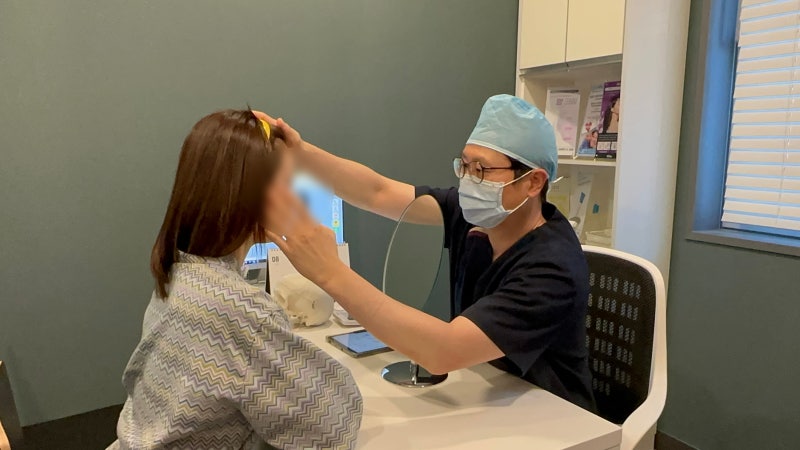
※ This article is intended to provide medical information.
It is not subject to deliberation under Article 56, Paragraph 2 and Article 57 of the Medical Act, and we inform you that it is not an advertising post unrelated to the content of deliberation.
Hello,
I am Dr. Jung-Geun Park,
Director of Faceplus Plastic Surgery Clinic.

Most people considering a Mint Thread Lift often think that ‘the type of thread is important’.
However, in actual practice, we frequently see cases where using the same Mint thread still results in clear differences in outcomes.
This is not simply a product issue, but arises from differences in the procedure's design.

Facial sagging is not merely a skin problem, but a change that occurs as fat, the fascial layer, and retaining ligaments all move together.
Therefore, the completeness of the result varies depending on which layer is targeted, in which direction, and where it is fixed.
While a Mint Thread Lift may seem like a simple procedure, the key is a design based on anatomical understanding.
Table of Contents | ||
1. Layer Selection: More Important Than Thread Type 2. Fixation Points and Vector Design 3. Customized Approach Based on Facial Structure 4. Key Factors Determining Naturalness |
1. Layer Selection: More Important Than Thread Type
The first thing to decide in a Mint Thread Lift is not the type of thread, but the layer into which it will be inserted.
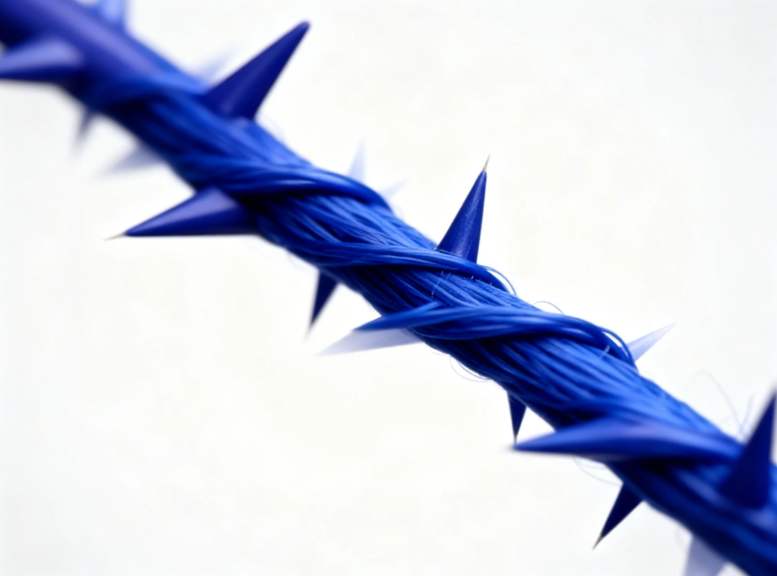
The lifting effect is not simply created by pulling the skin, but depends on which layer the tissue is moved along.
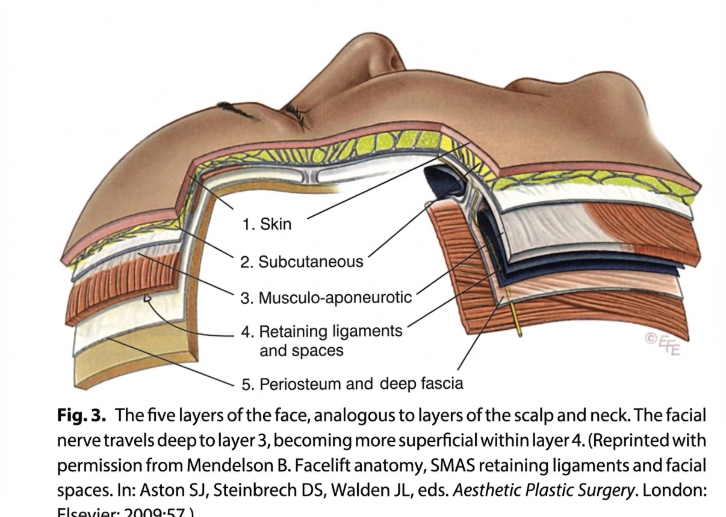
In particular, if the design follows the SMAS layer or the glide plane, tissue resistance is reduced, and a more natural tissue movement can be expected.
If the pulling is simply done close to the skin layer, it may appear lifted initially, but
the longevity may decrease, and unnaturalness may appear with facial expressions.
2. Fixation Points and Vector Design
If lifting is understood simply as pulling upwards, the results may be limited.
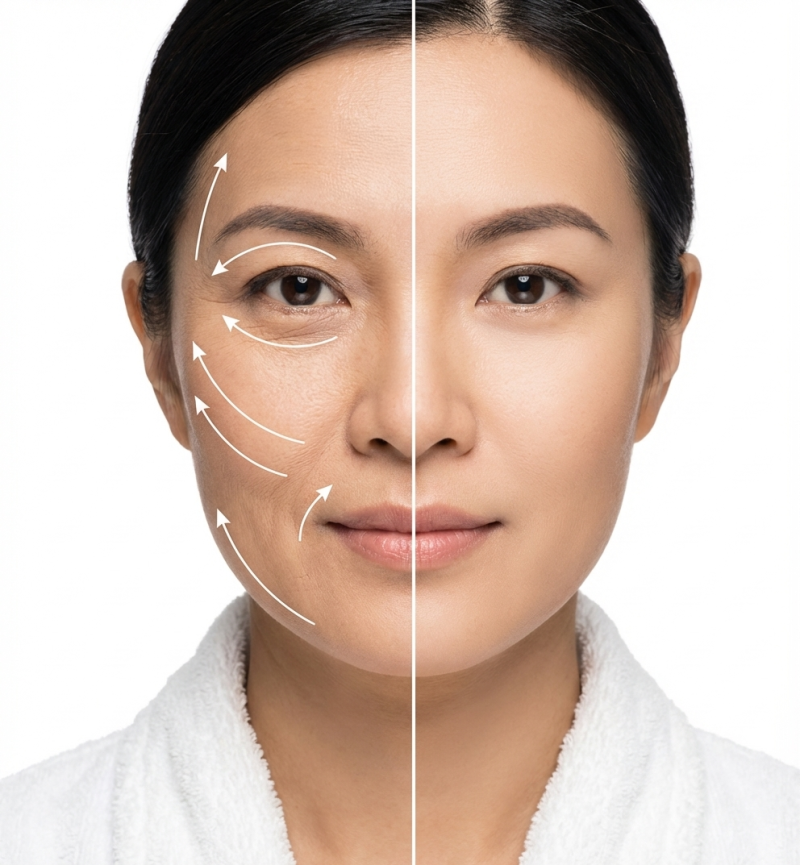
In reality, where to fix as a reference point and in which direction to transmit force is much more important.
By setting the less mobile Fixed SMAS area as the reference point,
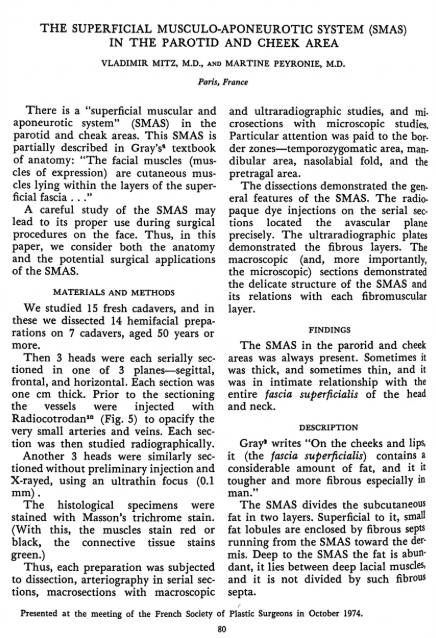
a structure that lifts the sagging Mobile SMAS area must be formed for stable lifting.
Therefore, a design that distributes forces in multiple directions based on the overall facial structure is necessary.
3. Customized Approach Based on Facial Structure
Facial sagging manifests differently for each individual.
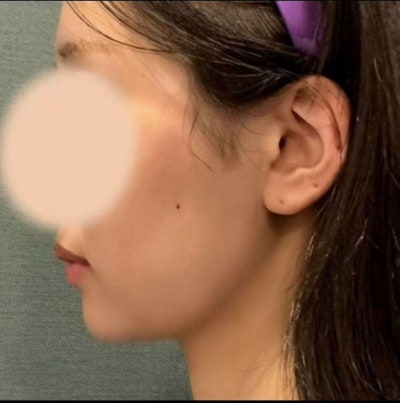
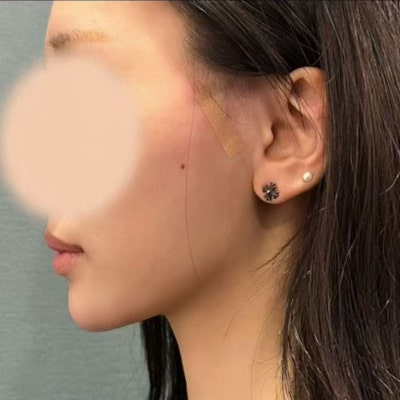
In some cases, volume loss in the midface appears first,
while in others, sagging of the lower face may be the primary concern.
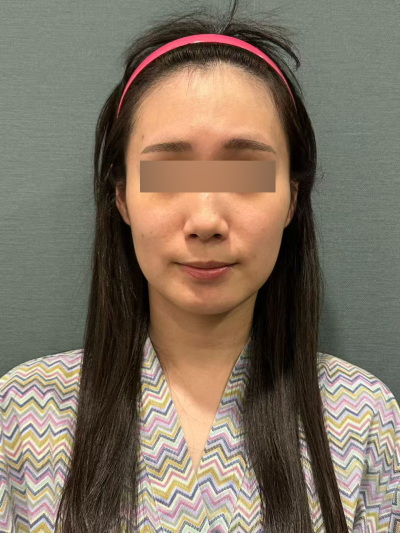
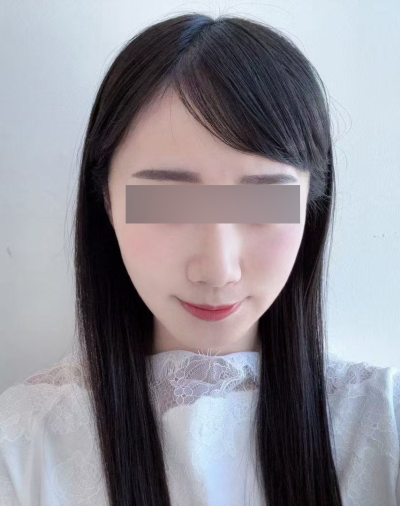
Also, the lifting response varies depending on the strength of the retaining ligaments and fat distribution.
Therefore, if the procedure is performed with the same number, same position, and same direction, significant differences in results are inevitable.
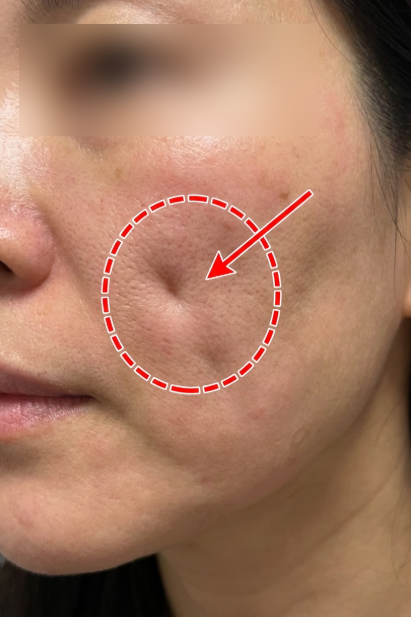
Furthermore, excessive thread insertion can put a strain on tissues
and may cause an uneven appearance or dimpling, so precise design within the necessary scope is important.
4. Key Factors Determining Naturalness
The most important goal of a Mint Thread Lift is not just simple pulling, but repositioning the tissue in a more appropriate direction.
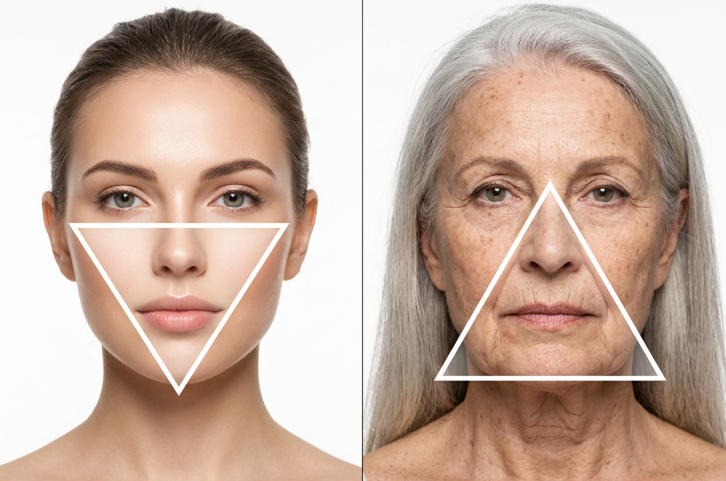
Facial aging progresses as midface tissue moves downwards and the lower face widens over time,
so a design that moves these upwards will refine the overall impression.
If pulled excessively in this process, expressions become unnatural,

conversely, if insufficient, the effect will be limited.
Therefore, a balanced design considering lifting strength, fixation position, direction, and range is necessary.
In particular, considering not only the immediate results after the procedure but also the process of natural settling over time will increase actual satisfaction.
-Operating Hours-
Weekdays 9:00 ~ 18:00 Saturdays 9:00 ~ 16:00 Public Holidays / Sundays Regular closure |
-Contact Us-
Faceplus Plastic Surgery Clinic | ||
Consultation Phone: 02-541-8500 Inquiry: KakaoTalk Inquiry |
-Directions-
Mint Thread Lift (12 threads)
Frequently Asked Questions
What is more important than the type of thread in a Mint Thread Lift?
Yes, in a Mint Thread Lift, the procedure's design is more important than the thread type. Facial sagging involves not only the skin but also the fat, fascial layer, and retaining ligaments, so how the threads are fixed and in which direction, based on which layer, determines the completeness of the result.
Which layer is effective for thread insertion during a Mint Thread Lift?
If the design follows the SMAS layer or the glide plane, tissue resistance is reduced, and a more natural tissue movement can be expected. Simply pulling close to the skin layer can lead to reduced longevity and unnatural expressions.
What are the key factors for achieving natural results after a Mint Thread Lift?
Yes, for natural results, repositioning the tissue in the appropriate direction is crucial. A balanced design considering lifting strength, fixation position, direction, and range is necessary. Satisfaction increases when considering not only the immediate results but also the process of natural settling over time.
What side effects can excessive thread insertion cause?
Yes, excessive thread insertion can put a strain on tissues, causing an uneven appearance or dimpling. Therefore, precise design within the necessary scope is important.
Why are fixation points and vector design important in a Mint Thread Lift?
Yes, lifting is not just about pulling upwards. Fixing the threads to the less mobile Fixed SMAS area as a reference point and lifting the sagging Mobile SMAS area creates a structure that enables stable lifting. A design that distributes forces in multiple directions based on the overall facial structure is important.