2026-09-03
Is This a Facelift Side Effect? Swelling, Cheek Indentation, Scars, Asymmetry, and Numbness: Normal Range and Recovery Period
Understand the normal recovery process after a facelift, including swelling, cheek indentation, scars, asymmetry, and numbness, to distinguish between expected post-operative changes and potential side effects.

※ This article is for the purpose of providing medical information.
It is not subject to deliberation under Article 56, Paragraph 2 and Article 57 of the Medical Service Act,
and is not an advertisement unrelated to the content of deliberation.
Hello,
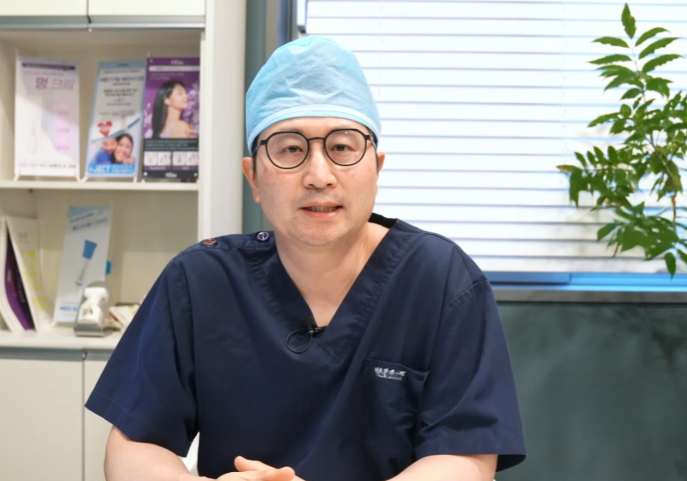
I am Dr. Park Jung-geun,
Director of Faceplus Plastic Surgery Clinic.
Is this a facelift side effect?
After a facelift, the first thought that comes to mind when looking in the mirror is often similar.
The swelling seems to last longer than expected, one cheek might look sunken, or the left and right sides might appear subtly different.

Concerns also arise about whether scars are noticeable or if a dull sensation is normal.
When such changes appear, the word ‘side effect’ naturally comes to mind first, but in reality,
it’s important to distinguish these from common reactions experienced during the recovery process.
A facelift is not just a skin-tightening surgery; it also involves deeper layers,
so various signs can appear during the recovery phase.
The important thing is to know and determine ‘which stage the current phenomenon belongs to’.
Swelling and Pain: The Timeline of Normal Reactions
The first change felt after surgery is swelling.
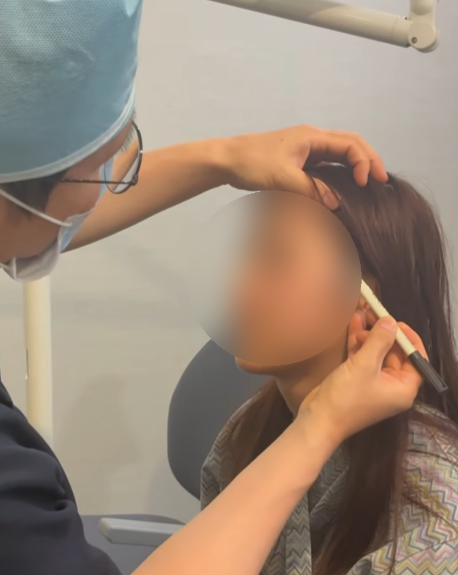
This is a natural reaction after tissue stimulation,
and can be relatively prominent during the initial 1-2 weeks.
During this period, the face might feel heavy, or a stiff pain might accompany facial expressions.
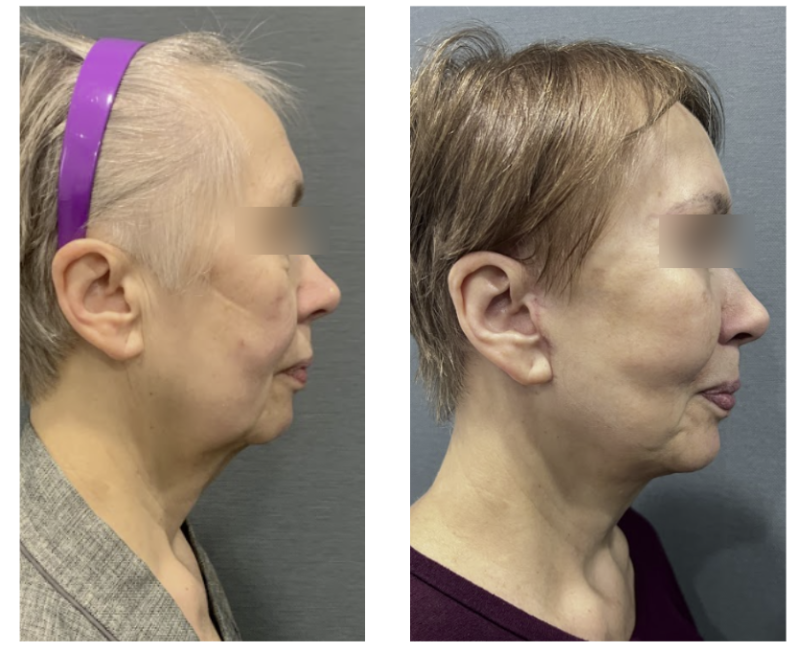
Typically, after 3-4 weeks, visible swelling largely subsides,
and residual swelling resolves over 2-3 months.
Pain is also considered within the normal range if it gradually alleviates over time.
Conversely, if pain worsens over time or is accompanied by heat, a check-up is necessary.
Recovery time varies greatly among individuals, so it’s more realistic to base it on this progression rather than simply stating a few days.
Cheek Indentation and Asymmetry: How Long Should You Wait?
The phenomenon that appears as cheek indentation after a facelift is often an optical illusion caused by uneven swelling distribution,
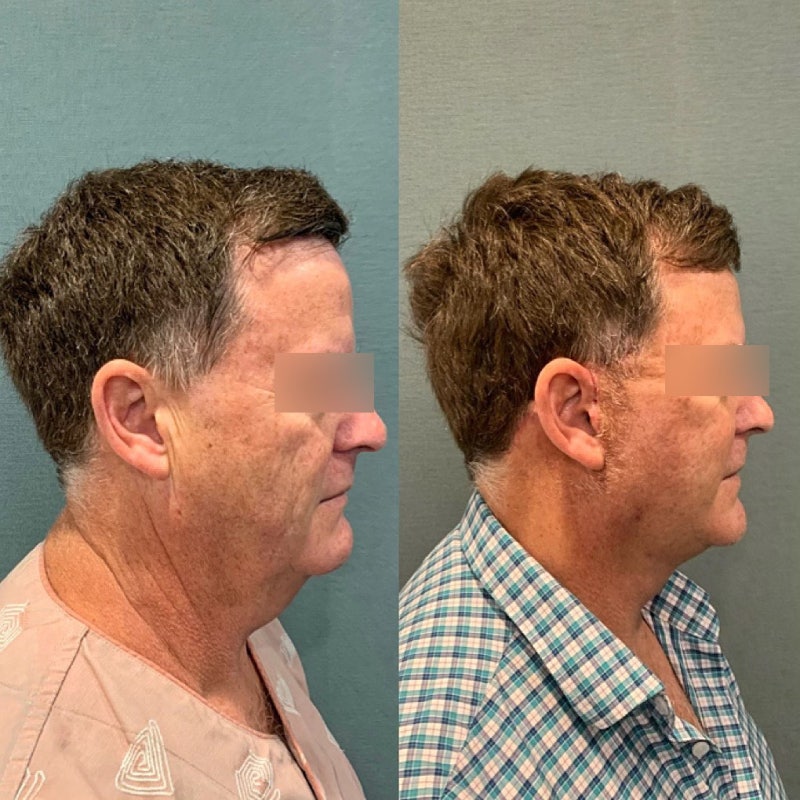
rather than actual sunken tissue.
If one side subsides first while the other still has swelling, it can feel like asymmetry.
This is also a common change during the recovery process, and balance often gradually restores within 1-3 months.
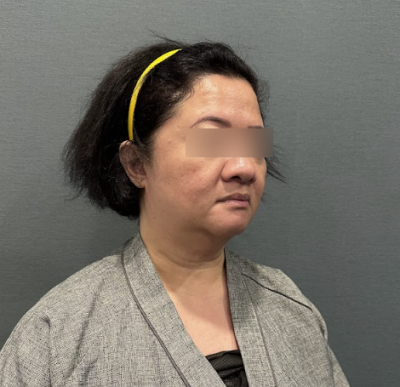
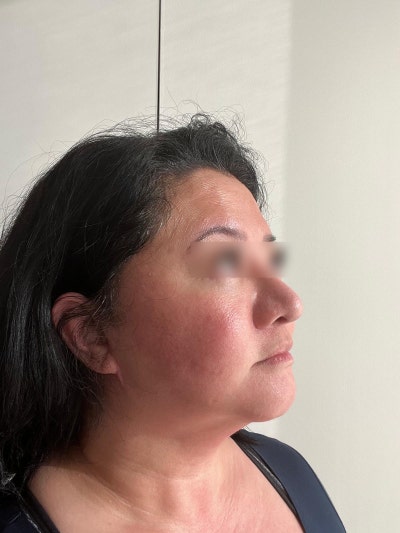
However, if sufficient time has passed and the cheek indentation remains fixed,
or the difference between the left and right sides increases, further examination is needed.
In the early stages, it’s important to consider the overall recovery trend rather than immediately concluding it’s a side effect simply because ‘it doesn’t look good right now’.
Scars and Numbness: Criteria for the Normal Range
Scars can remain after any surgery, but most gradually fade over time.
Initially, they might be red or feel firm, but it’s common for them to soften over several months.
Numbness can also be a temporary reaction that occurs during the process of working on deeper layers.
The area around the ears or parts of the cheeks might feel dull, but sensation often gradually returns.
This process can take anywhere from a few weeks to several months.
The important criterion is whether the area of numbness decreases over time and sensation gradually recovers.

Conversely, if there is no change at all or if it causes significant daily discomfort, a check-up is necessary.
Most changes that appear after a facelift are part of the recovery process,
so understanding how to distinguish between normal ranges and signals that require a check-up is most important for a worry-free recovery.
-Operating Hours-
Weekdays 9:00 ~ 18:00 Saturdays 9:00 ~ 16:00 Public Holidays / Sundays Regular Day Off |
-Contact Us-
Faceplus Plastic Surgery Clinic | ||
Consultation Phone: 02-541-8500 Inquiries: KakaoTalk Inquiry |
-Directions-
Frequently Asked Questions
How long does swelling last after a facelift?
Swelling after a facelift can be relatively prominent during the initial 1-2 weeks. Typically, after 3-4 weeks, visible swelling largely subsides, and residual swelling resolves over 2-3 months.
Are cheek indentation or asymmetry common after a facelift?
Yes, phenomena that appear as cheek indentation or asymmetry after a facelift are common during the recovery process. This is often an optical illusion caused by uneven swelling distribution, and balance often gradually restores within 1-3 months.
How are scars managed after facelift surgery?
Scars can remain after any facelift surgery, but most gradually fade over time. Initially, they might be red or feel firm, but it’s common for them to soften over several months.
Is numbness normal after a facelift?
Yes, numbness can be a temporary and normal reaction that occurs during the process of working on deeper layers. The area around the ears or parts of the cheeks might feel dull, but sensation often gradually returns over a period of a few weeks to several months.
What should I do if pain worsens after a facelift?
It is normal for pain to alleviate over time after a facelift. If pain worsens over time or is accompanied by heat, a medical check-up is necessary.
When should I visit the hospital for changes after a facelift?
Among the changes that appear after a facelift, if cheek indentation remains fixed or the difference between the left and right sides increases over time, if scars do not improve and worsen, or if numbness shows no change at all or causes significant daily discomfort, a medical check-up is necessary.