2026-09-03
Is There a Difference with a Gangnam Plastic Surgeon Specialist? How to Verify a Specialist
This article explains the difference a board-certified plastic surgeon makes, especially for procedures like facelifts and thread lifts. It details the rigorous training specialists undergo and how to verify their credentials through the Korean Society of Plastic and Reconstructive Surgeons.
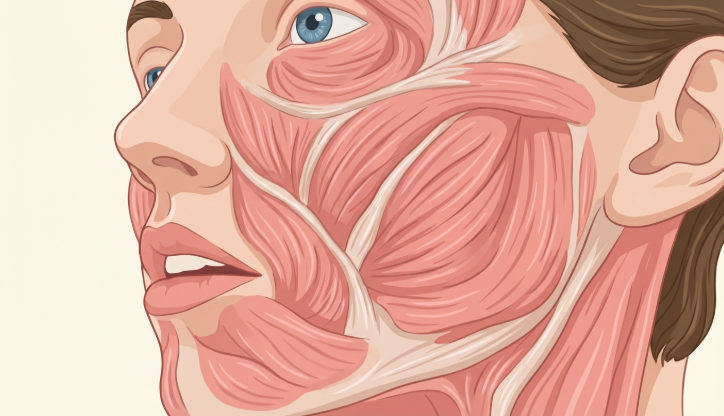
※ This article was written for the purpose of providing medical information.
It is not subject to review under Article 56, Paragraph 2 and Article 57 of the Medical Act,
and we inform you that it is not an advertisement unrelated to the content of the review.
Hello,
I am Park Jung-geun,
Director of Faceplus Plastic Surgery Clinic.
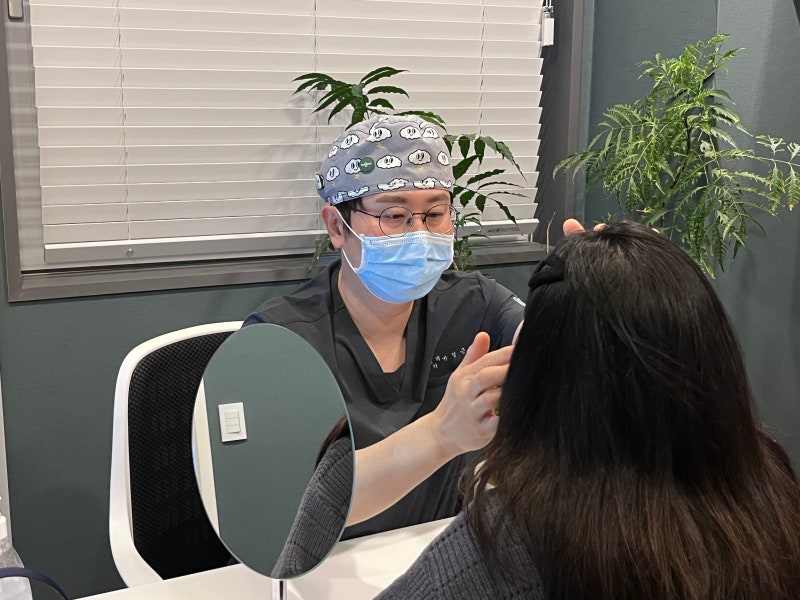
The reason why ‘specialist’ is the first thing people look for when choosing a plastic surgery clinic
When consulting with people considering lifting procedures
like facelifts or thread lifts, I often hear a common
question:
Is there a difference between a clinic with a plastic surgeon specialist and one without?
This is a common query.

Recently, with various procedure information easily
searchable online,
many people check for specialist status first when looking
for a clinic.
Especially for treatments that require an understanding of facial structure,
such as lifting or anti-aging procedures, people are often curious about the medical team's
training and experience.

Therefore, not a few people search for information using the keyword
‘Gangnam plastic surgeon specialist’.
What's important here is to understand exactly what the qualification
‘specialist’ means.
What process does a plastic surgeon specialist go through?
A plastic surgeon specialist is not a qualification that can be obtained
immediately after graduating from medical school.
After obtaining a medical license, one undergoes an internship, and then
receives specialized training for a certain period through plastic surgery
residency.
During this process, experience in facial anatomy, tissue structure, and various
surgical methods is accumulated.

After passing the specialist examination, one is granted the qualification
of a plastic surgeon specialist.
This training process forms an important foundation for treatments
that involve facial tissues, such as facelifts and thread lifts.
Because nerves and blood vessels are complexly distributed in the face,
it is important to plan procedures based on an anatomical understanding.
Understanding facial structure is crucial for lifting procedures
Lifting procedures are not simply performed by pulling the skin.
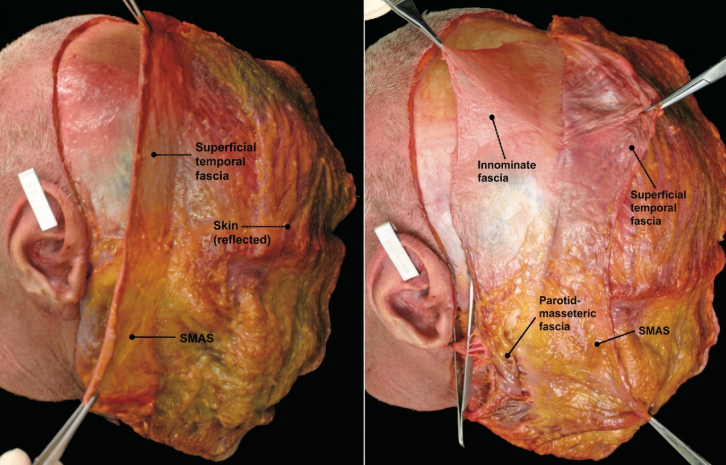
In reality, they must be approached by considering the tissue layers below the skin,
retaining ligaments, and fascial structures together.
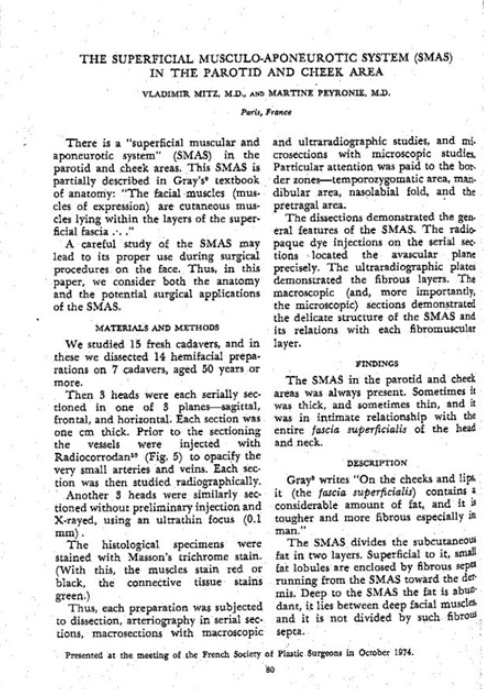
For example, facelift surgery is performed by addressing not only the skin
but also the SMAS layer.
Thread lifts also yield different results depending on the depth and direction
in which the threads are inserted.
The degree of facial sagging, fat distribution, and skin thickness vary
from person to person,
making it difficult to apply the same method to everyone.
Therefore, during the consultation process, it is important to analyze the current facial condition
and plan a suitable lifting method.
This analysis serves as an important criterion for determining the direction of the lifting procedure.
How to verify a Gangnam plastic surgeon specialist
Whether a plastic surgeon is a specialist can be confirmed relatively
simply.
A common method is to use the specialist inquiry system provided by
the Korean Society of Plastic and Reconstructive Surgeons.

On the Korean Society of Plastic and Reconstructive Surgeons website, you can verify
registered plastic surgeon specialists through the ‘Find a Specialist’
menu.
By searching for a medical professional's name or clinic here,
you can confirm their official specialist status.
While some clinics display specialist certificates internally,
directly verifying through the official society website is known to be a more accurate method.
When looking for a clinic, it's helpful to not only check for specialist status
but also to consider what areas of treatment they specialize in,
and whether the explanation of your facial condition during the consultation
is sufficient.
-Operating Hours-
Weekdays 9:00 ~ 18:00 Saturdays 9:00 ~ 16:00 Public Holidays / Sundays Regular closure |
-Contact Us-
Faceplus Plastic Surgery Clinic | ||
Consultation Phone: 02-541-8500 Inquiries: KakaoTalk Inquiry |
-Directions-
Gangnam Plastic Surgeon Specialist
Frequently Asked Questions
What is the difference between a plastic surgeon specialist and a general physician?
Yes, there is a difference. A plastic surgeon specialist refers to a doctor who has obtained a medical license, completed an internship and plastic surgery residency training, and passed the specialist examination. During this process, they gain specialized education and experience in facial anatomy, tissue structure, and various surgical methods.
What process must a plastic surgeon specialist go through?
A plastic surgeon specialist graduates from medical school, obtains a medical license, completes an internship, and then undergoes plastic surgery residency training. After that, they must pass the specialist examination to finally obtain the qualification of a plastic surgeon specialist.
Why is a specialist's anatomical understanding important for lifting procedures?
Yes, it is very important. The face has a complex distribution of nerves and blood vessels, making safe and effective procedures difficult without anatomical understanding. A specialist plans procedures considering the tissue layers below the skin, retaining ligaments, and the SMAS layer.
How can I verify if a plastic surgeon is a specialist?
Yes, it can be verified relatively simply. You can directly confirm whether a medical professional is a certified plastic surgeon specialist by searching their name or clinic name through the ‘Find a Specialist’ menu on the Korean Society of Plastic and Reconstructive Surgeons website.
How is facelift surgery performed?
Facelift surgery is not just about pulling the skin. It is performed by addressing not only the skin but also the SMAS (superficial musculo-aponeurotic system) layer beneath the skin, which can lead to more effective lifting results.
Do lifting methods vary depending on an individual's facial condition?
Yes, they do. The degree of facial sagging, fat distribution, and skin thickness vary from person to person, so it is difficult to apply the same method to everyone. It is important to analyze the current facial condition through consultation and plan a customized lifting method.