2026-09-03
If you're worried about scars from forehead reduction surgery, check your hairline and recovery first.
Considering forehead reduction surgery? This article covers everything from scar location and hairline changes to the recovery process and aftercare tips to ensure a natural and satisfying outcome.
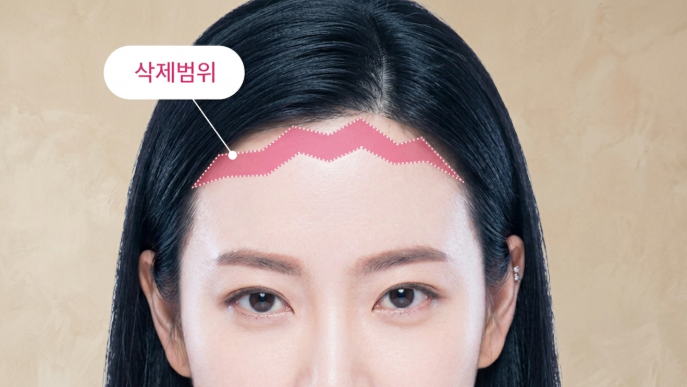
※ This article was written for the purpose of providing medical information.
It is not subject to review under Article 56, Paragraph 2 and Article 57 of the Medical Act,
and we inform you that it is not an advertisement unrelated to the content of the review.
Hello,
I am Dr. Park Jung-geun,
Director of Faceplus Plastic Surgery Clinic.

Among those considering forehead reduction surgery,
many are more concerned about scars than hairline changes.
Especially if you style your hair with your bangs up
or frequently expose your forehead,

the visibility of scars can be a crucial factor in your decision.
Today, based on forehead reduction surgery,
I will explain scars, hairline changes, and the recovery process
from a practical perspective.
Table of Contents | ||
1. Where do forehead reduction surgery scars remain? 2. Hairline changes and criteria for naturalness 3. Recovery process and changes by period 4. Management tips to reduce scars |
1. Where do forehead reduction surgery scars remain?
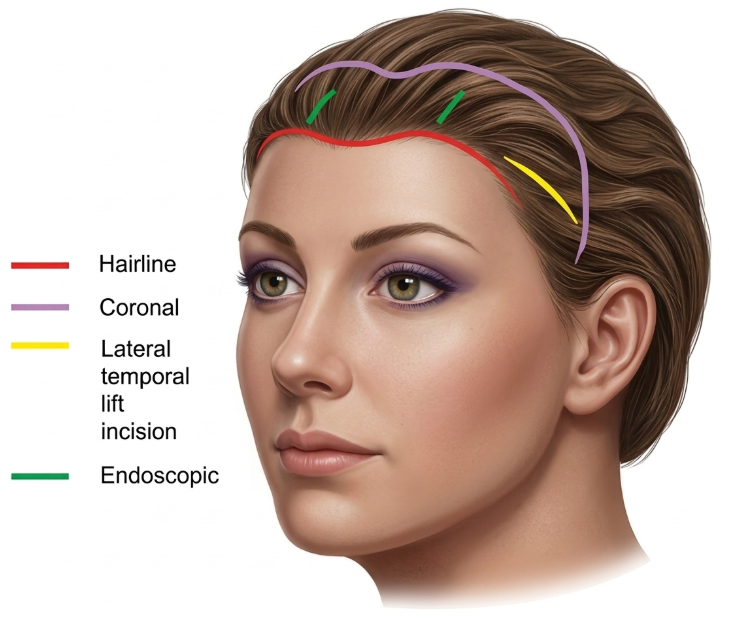
Forehead reduction surgery involves an incision
along the hairline.
Therefore, the scar
is located at the border between the forehead and the hair.
Initially, the incision line may be clearly visible,
but it often fades over time.
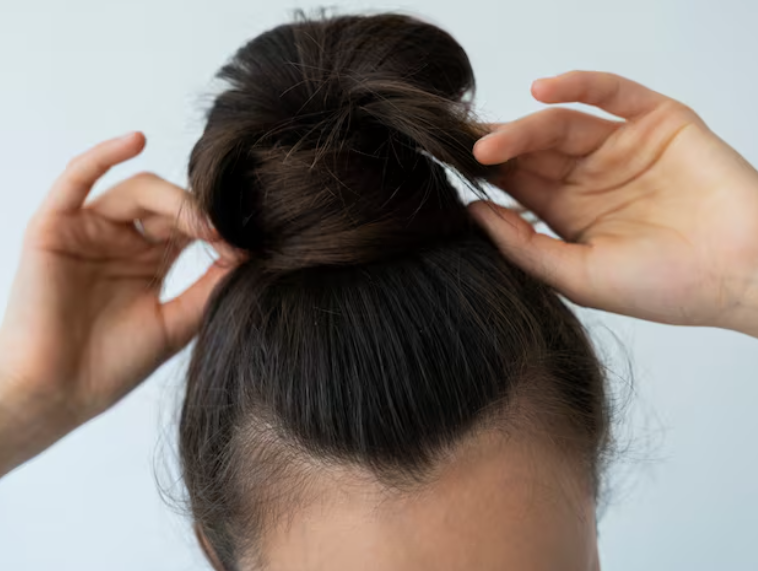
Also, as hair grows,
it helps to partially cover the scar,
so the degree of visibility in daily life
varies from person to person.
However, scar reactions may differ
depending on skin type and constitution.
2. Hairline changes and criteria for naturalness
Forehead reduction surgery is not simply about reducing length
but also adjusting the hairline shape.
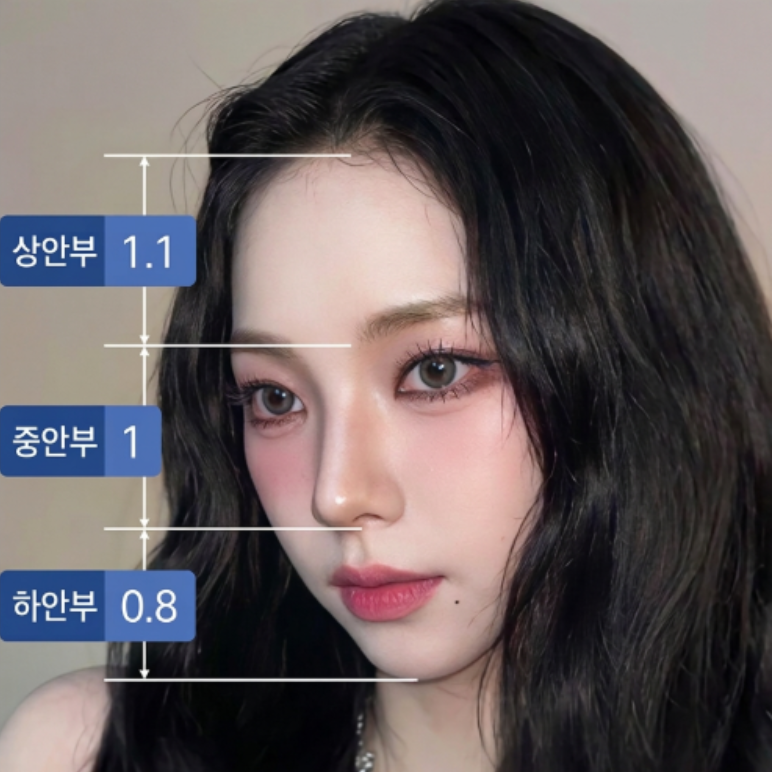
At this time, important criteria include not only forehead length
but also considering left-right balance, curved shape, and facial proportions.
If the hairline is lowered excessively,
it can result in an unnatural appearance.

Therefore, it is important to set a line that naturally
connects with the individual's face shape.
3. Recovery process and changes by period
Immediately after surgery,
swelling and tightness may be felt.
Stitches are often removed around 1 week,
and management of the incision site is necessary until this period.
After about 2-3 weeks,
visible swelling subsides to some extent,
and most daily activities become possible.
However, stabilization of the incision site and
final scar changes
progress slowly over several months.
4. Management tips to reduce scars
To minimize scars,
initial management is important.
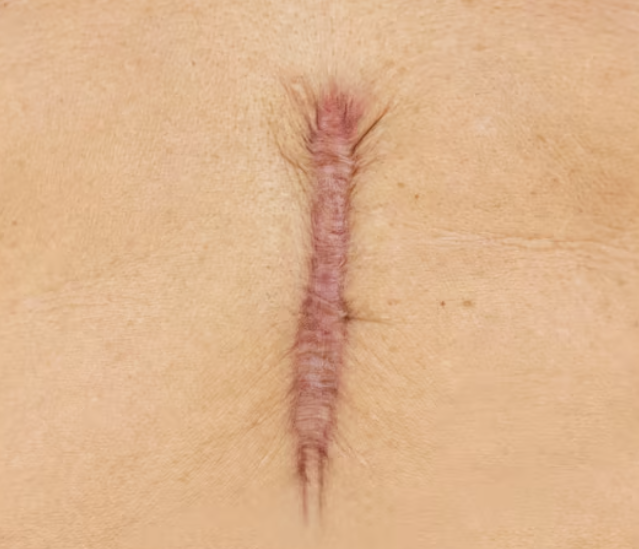
It is essential to avoid excessive stimulation to the incision site
and maintain cleanliness.
Also, UV exposure can
affect scar color changes,
so it is advisable to consider blocking it when going out.
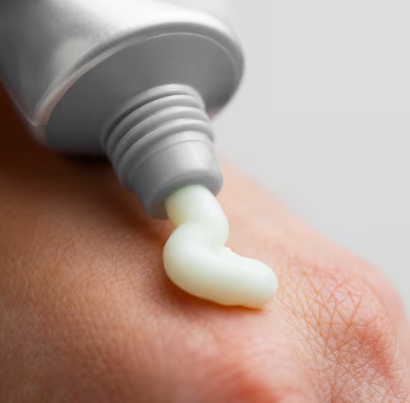
If necessary, scar ointment or
supplementary care may be combined.
Most importantly, it is crucial to continuously monitor the condition
throughout the recovery process.

Forehead reduction surgery is not simply a procedure to reduce forehead length
but a process that requires considering hairline and scar management together.
Rather than just looking at the results,
understanding and approaching the recovery process and management
is an important criterion for increasing satisfaction.
Thank you for reading.
-Operating Hours-
Weekdays 9:00 ~ 18:00 Saturdays 9:00 ~ 16:00 Public Holidays / Sundays Regular closure |
-Contact Us-
Faceplus Plastic Surgery Clinic | ||
Consultation Phone: 02-541-8500 Inquiries: KakaoTalk Inquiry |
-Directions-
Forehead reduction surgery scar
Frequently Asked Questions
Where do scars remain after forehead reduction surgery?
After forehead reduction surgery, scars remain along the hairline, at the border between the forehead and the hair. Initially, they may be clearly visible, but they gradually fade over time, and growing hair helps to partially cover them.
How noticeable are scars after forehead reduction surgery?
The degree to which scars are noticeable in daily life after forehead reduction surgery varies from person to person. While they may be distinct initially, they fade over time, and growing hair can help conceal them. Scar reactions may also differ depending on skin type and constitution.
How does the hairline change after forehead reduction surgery?
Forehead reduction surgery is not just about reducing forehead length; it also involves adjusting the hairline shape. It's crucial to consider not only forehead length but also left-right balance, curved shape, and facial proportions to create a natural-looking line that suits the individual's face shape.
How long is the recovery period after forehead reduction surgery?
Immediately after surgery, swelling and tightness may be felt. Stitches are usually removed around 1 week, and after about 2-3 weeks, visible swelling largely subsides, allowing most daily activities to resume. Final scar changes progress slowly over several months.
How should scars be managed after forehead reduction surgery?
Initial management is important to minimize scars. It's essential to avoid excessive stimulation to the incision site and maintain cleanliness. UV exposure can affect scar color changes, so it's advisable to block it when going out. If necessary, scar ointment or supplementary care may be combined.