2026-09-03
If you're considering Gangnam Station lifting, first check the difference between 40s thread lifts and facelifts
For those in their 40s considering lifting, understanding the nuances between thread lifts and facelifts is crucial. This article explains the conditions suitable for each procedure, emphasizing that the goal is a refined, natural look rather than dramatic change.

※ This article is intended to provide medical information.
It is not subject to deliberation under Article 56, Paragraph 2 and Article 57 of the Medical Service Act, and we inform you that it is not an advertisement unrelated to the deliberation content.
Hello,
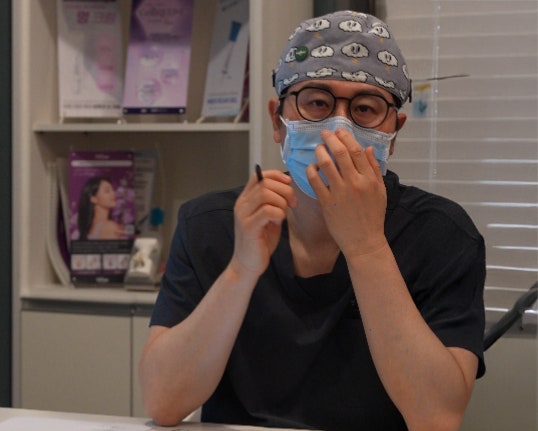
I am Dr. Park Jung-geun,
Director of Faceplus Plastic Surgery Clinic.
When I talk to people in their 40s who are considering lifting, I notice that their concerns have changed from before.
It's not just a feeling of slightly reduced elasticity, but rather an increasing number of expressions like ‘my face line is blurred and my impression looks heavy’.
This is because it's a period where changes in the position of the cheek fat and weakening of skin support occur together, rather than being explained by a single skin problem.
Therefore, for this age group, rather than a simple approach of ‘pulling will solve it’,
it becomes important to first identify what changes are central to the current face.
If this aspect is not sufficiently considered, the result may feel awkward even if naturalness was expected.
Facial conditions where thread lifting is considered
Thread lifting in the 40s is often chosen when relatively localized sagging or contour blurring has begun.
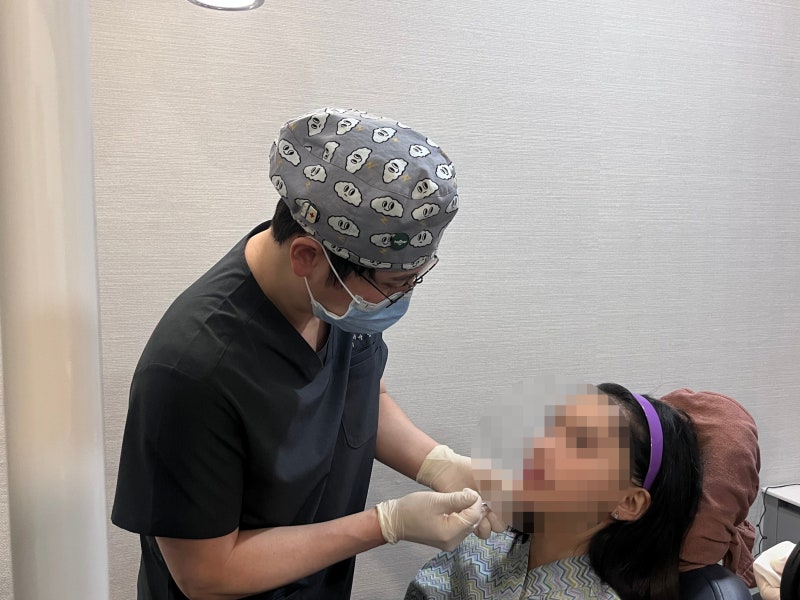
Rather than a state where the skin's elasticity has completely collapsed,
it applies to situations where the weight of the cheek fat or around the mouth has shifted downwards, making the impression look saggy.
In such cases, if applied only to the necessary areas and designed so that the force is not concentrated in one direction, a moderate change can be expected.
Swelling and bruising also tend to pass relatively stably when approached according to the facial structure.
Conversely, if strong pulling is applied compared to the facial condition, surface changes like dimples might be bothersome, or
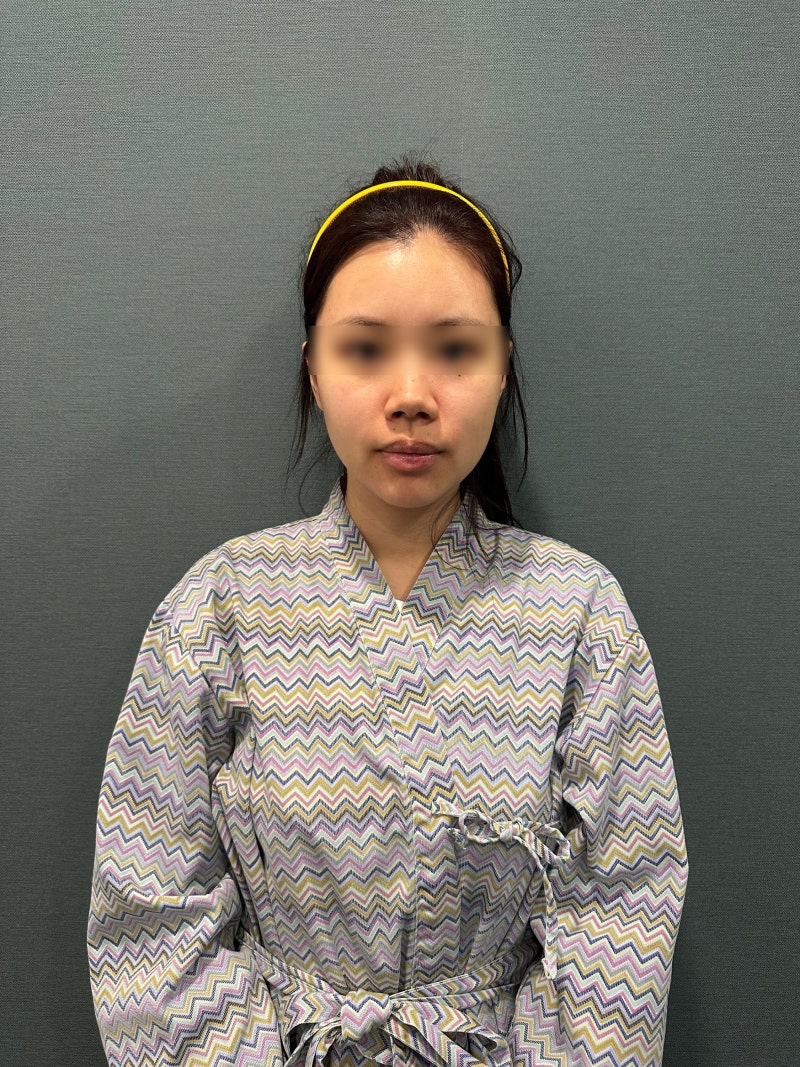
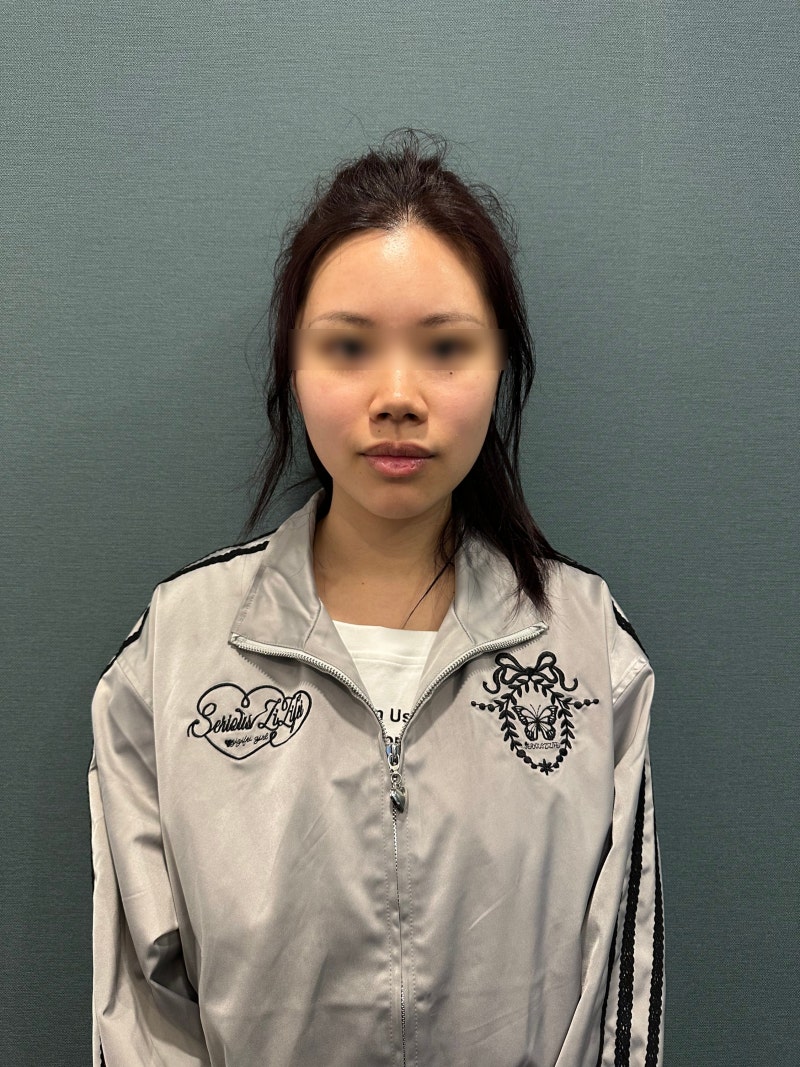
you might feel that your impression has suddenly changed.
For this procedure, where and how it is organized, rather than the amount or strength, determines the result.
Characteristics of cases requiring a facelift
A facelift is an approach considered when sagging of the skin and tissues has become more pronounced.
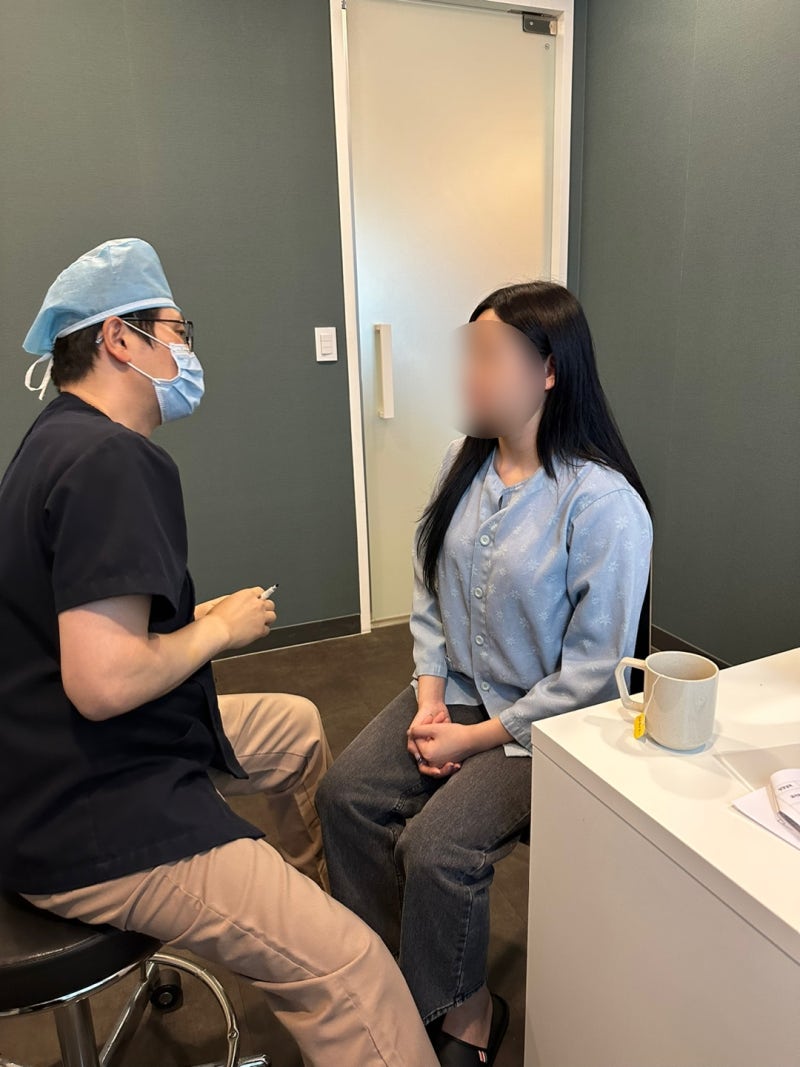
As one approaches the late 40s, skin laxity increases, and in many cases, the impression cannot be refined with simple procedures alone.
At this point, rather than expecting only surface changes, an approach that addresses the underlying structures causing the sagging becomes necessary.
However, a facelift is not a universally applicable solution for all individuals in their 40s.
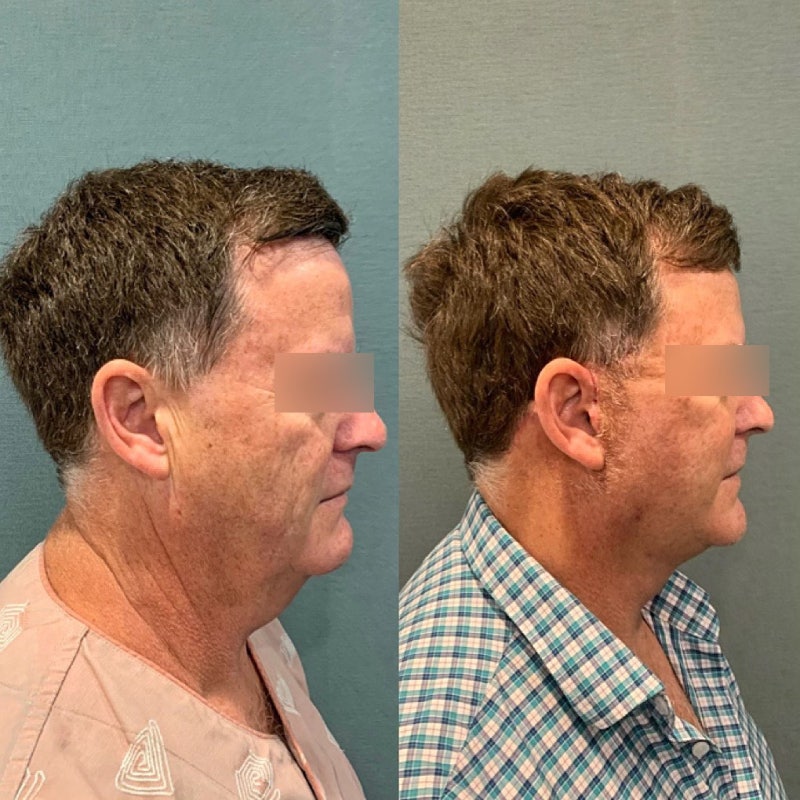
It can feel excessive depending on the extent and degree of sagging, and the burden of the recovery process also varies greatly among individuals.
Therefore, this method should be judged not by the criterion of ‘greater change’,
but primarily by whether it is appropriate for the current facial condition.
Reasons why you should first understand the difference between the two methods
The reason for first examining the difference between thread lifting and facelifts when considering a procedure is that

the direction in which the impression changes is different, rather than just the magnitude of the result.
The goal at this age is often to create a refined impression without being excessive, rather than a dramatic change.
Concerns about swelling, bruising, and side effects also vary depending on the approach taken.
In designs that sufficiently consider the facial condition, the recovery process tends to proceed relatively stably.

Rather than simply comparing the two methods, understanding which approach is more natural for your current face will help reduce confusion during the selection process.
Thank you for reading until the end.
-Operating Hours-
Weekdays 9:00 ~ 18:00 Saturdays 9:00 ~ 16:00 Public Holidays / Sundays Regular closure |
-Contact Us-
Faceplus Plastic Surgery Clinic | ||
Consultation Phone: 02-541-8500 Inquiries: KakaoTalk Inquiry |
-Directions-
Frequently Asked Questions
What is the most important consideration when undergoing a lifting procedure in your 40s?
When undergoing a lifting procedure in your 40s, it's crucial to consider complex factors beyond simple skin elasticity loss, such as changes in facial contours and sagging cheeks. Accurately identifying the central changes in your face is essential to achieve natural and unawkward results.
When is a thread lift suitable?
A thread lift is suitable for the initial stages of relatively localized sagging or contour blurring. It can be applied only to the necessary areas when skin elasticity is not completely compromised and the weight of the cheeks or around the mouth has shifted downwards, causing the impression to look saggy, thereby expecting natural changes.
What are the characteristics of a facelift, and who needs it?
A facelift is considered when skin and tissue sagging has become more pronounced. For those in their late 40s, when simple procedures are often insufficient to refine the impression, an approach that addresses the underlying structures causing the sagging is necessary. The decision should be based on whether it is appropriate for the current facial condition.
What is the biggest difference between a thread lift and a facelift?
The biggest difference between a thread lift and a facelift is not the magnitude of the result, but the direction in which the impression changes. A thread lift is suitable for localized sagging, while a facelift is appropriate for extensive sagging. Understanding the direction and extent of changes each procedure brings to the face is important.
What is the recovery process like after a lifting procedure in your 40s?
After a lifting procedure in your 40s, swelling and bruising tend to subside relatively stably when approached according to the facial structure. In designs that sufficiently consider the facial condition, the recovery process also proceeds stably, and the perceived recovery burden can vary depending on the procedure method.
What is the most important criterion when choosing a lifting procedure in your 40s?
The most important criterion when choosing a lifting procedure in your 40s is not ‘greater change’, but understanding which approach is more natural and appropriate for your current facial condition. It is important to find the method that suits you rather than simply comparing the two methods.