2026-09-03
Gangnam Thread Lift Recommendation: Why Choosing the Right Threads for Your Face is Crucial
Discover why selecting the appropriate thread type and design is essential for effective thread lifting, considering individual facial characteristics and desired outcomes.
※ This article is intended to provide medical information.
It is not subject to review under Articles 56(2) and 57 of the Medical Act,
and is not an advertisement unrelated to review content.
Gangnam Thread Lift Recommendation: Why Choosing the Right Threads for Your Face is Crucial
Hello,
This is Park Jung-geun,
Director of Face Plus Plastic Surgery Clinic.

One of the first changes we notice as we age
is a decrease in skin elasticity.
Especially when cheek sagging or a blurred jawline
begins to appear,
it can make the face look more tired or
older than one's actual age.

For these reasons,
many people consider thread lifting.
However, just because a thread is famous,
or because many threads are used,
does not mean that everyone
will achieve the same results.
Thread lifting requires different types of threads and
designs depending on skin thickness, degree of sagging,
amount of facial fat,
and desired direction of change.
Table of Contents | ||
1. How does thread lifting work? 2. Why different faces require different threads 3. Design and lifting direction are more important than the threads themselves 4. Things to check before a thread lift |
1. How does thread lifting work?
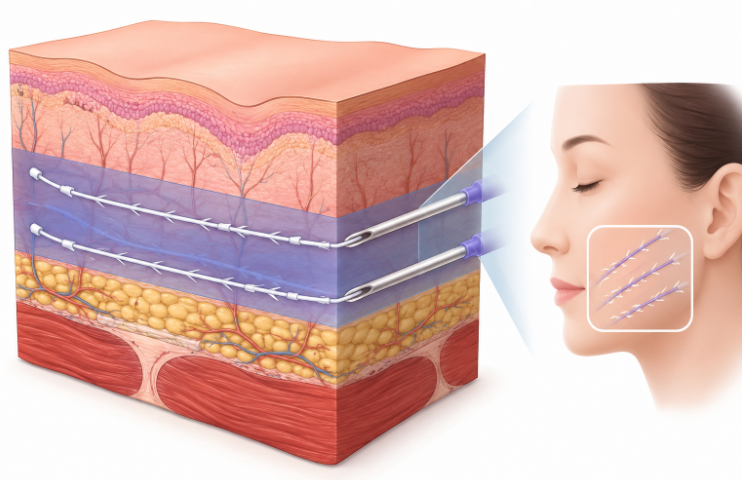
Thread lifting is a procedure that involves inserting medical dissolvable threads
into the appropriate layer beneath the skin to support sagging tissues.
Using the barbs or structures on the threads,
the tissues are gently pulled in the desired direction
to achieve a lifting effect.
Additionally, the inserted threads gradually
absorb into the body over time.
While there are reports that this process can aid in collagen production,

the degree of effect and duration may vary
from person to person.
Therefore, for thread lifting,
it is more important to plan according to the facial structure
rather than simply pulling forcefully.
2. Why different faces require different threads
Thread lifting is not a procedure that is performed
the same way for everyone.
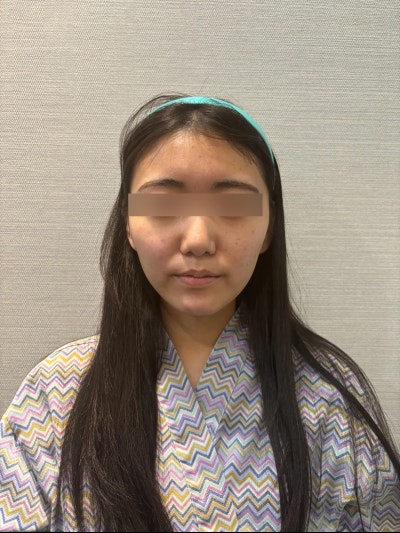
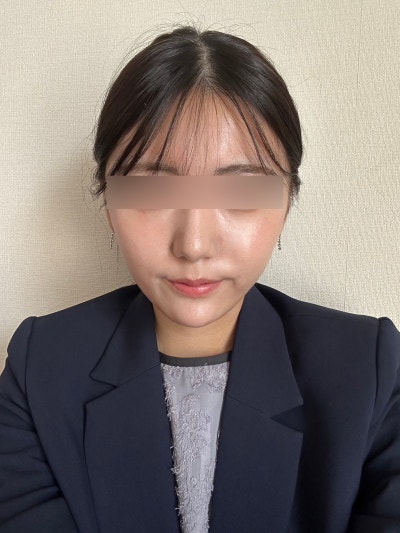
People with thin skin versus thick skin,
or those with a lot of cheek fat versus little, may require
different levels of support.
For example,
if the jawline is a concern,
the lifting direction is often planned
around the lower contour.
If nasolabial folds or cheek sagging are concerns,
a design considering the mid-face
may be necessary.
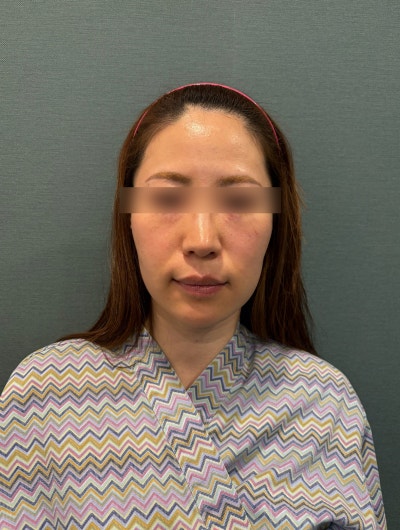
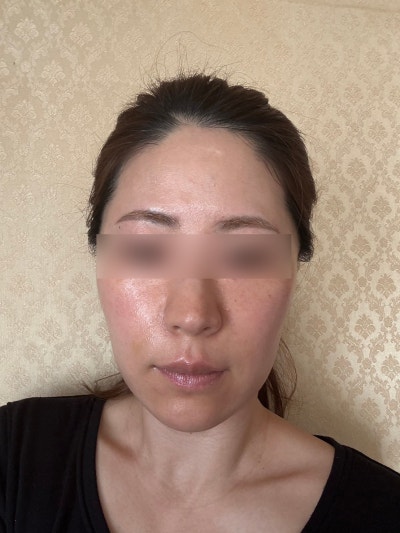
Furthermore, depending on whether the face is long,
round,
or if the cheekbones are prominent,
the type of thread and
insertion location may vary.
Ultimately, what's important is the process of creating a plan
that suits the current facial condition,
rather than simply which thread is used.
3. Design and lifting direction are more important than the threads themselves
The results of a thread lift are not determined
solely by the number of threads.
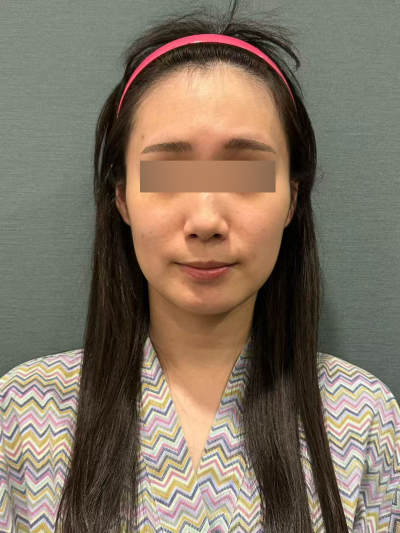
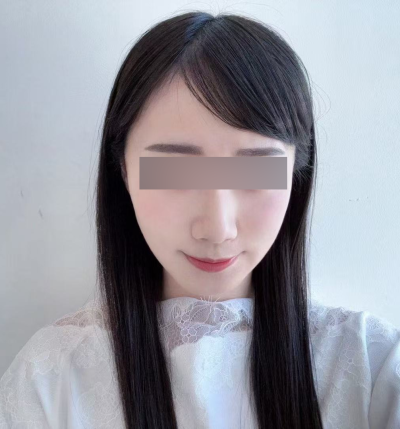
Even with the same threads, the results can vary depending on which layer they are inserted into and in which direction the tissues are moved.
Pulling too forcefully can make expressions feel unnatural,
while pulling too weakly may result in
insufficient desired changes.
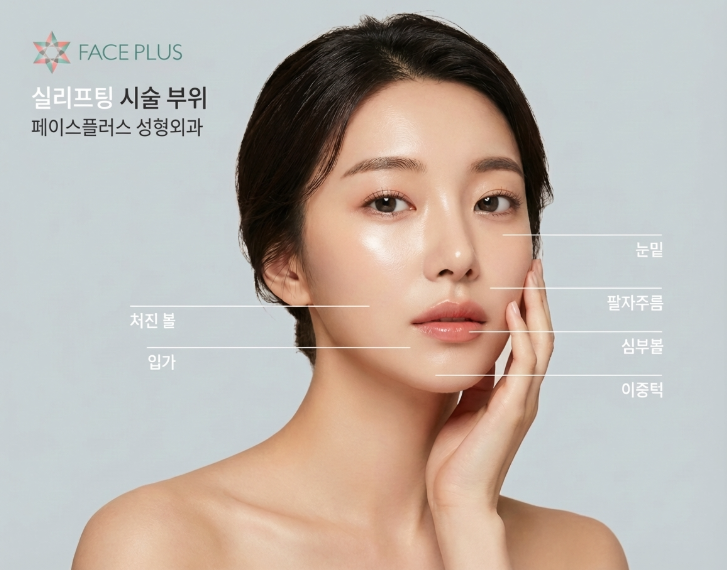
Therefore, a design that considers the overall balance of the face
is crucial.
Examining the overall harmony of the jawline, cheeks, mouth area, cheekbones, and neckline
can help create a natural impression.
Rather than just comparing the number of threads,
it is also an important process to receive a thorough explanation
of why a particular design was chosen.
4. Things to check before a thread lift
When considering a thread lift,
it is better to check the current skin condition and the cause of sagging
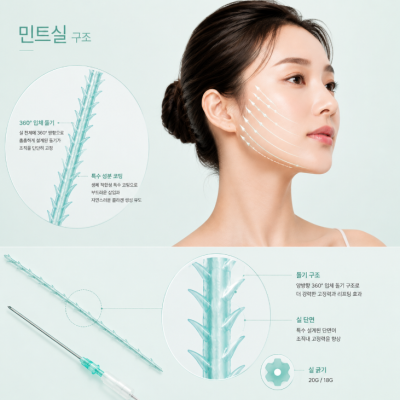
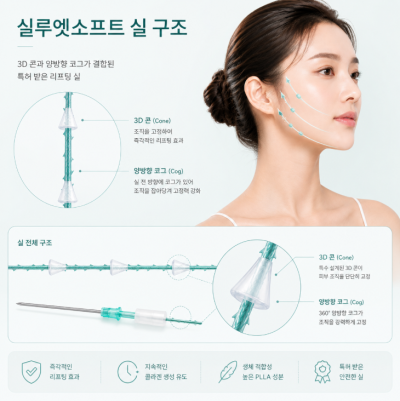
together, rather than just comparing costs or thread types.
In some cases, laser lifting or other methods
may be more suitable than a thread lift.
Also, the duration of effect can vary depending on age, skin elasticity, lifestyle,
characteristics of the threads used, and the treatment plan.

After the procedure,
it may be recommended to avoid
opening the mouth wide forcefully,
strong massages,
or excessive pressure
for a certain period.
Sufficient rest and
adhering to the provided precautions
can also aid in the recovery process.
Thread lifting is not
simply a procedure of inserting many threads;
it is crucial to choose the appropriate method
considering the individual's facial structure and
skin condition.

When a plan tailored to your face is implemented,
it can help achieve more natural changes and
balanced results.
-Operating Hours-
Weekdays 9:00 ~ 18:00 Saturdays 9:00 ~ 16:00 Public Holidays / Sundays Regular Closure |
-Contact Us-
Face Plus Plastic Surgery Clinic | ||
Consultation Phone: 02-541-8500 Inquiries: KakaoTalk Inquiry |
-Directions-
Gangnam Thread Lift Recommendation
Frequently Asked Questions
How does thread lifting work?
Thread lifting involves inserting medical dissolvable threads beneath the skin to support sagging tissues. The barbs or structures on the threads are used to pull tissues in the desired direction for a lifting effect, and the inserted threads are gradually absorbed by the body.
Is the type of thread important for a thread lift?
Yes, it is important. The appropriate type of thread and design can vary depending on skin thickness, degree of sagging, amount of facial fat, and the desired direction of change. It's crucial to choose threads that are suitable for the individual rather than simply using famous ones.
How long do thread lift effects last?
The duration of effects can vary depending on various factors such as age, skin elasticity, lifestyle, characteristics of the threads used, and the treatment plan. Therefore, it is advisable to have a thorough consultation before the procedure to understand the individual's expected duration of effect.
Are there any precautions to take after a thread lift?
Yes, there are. After the procedure, it is recommended to avoid forcefully opening the mouth wide, strong massages, or excessive pressure for a certain period. Sufficient rest and adhering to the provided precautions can aid in recovery.
Does a higher number of threads in a thread lift lead to better results?
No. The results of a thread lift are not determined solely by the number of threads. Even with the same threads, the insertion layer, direction of movement, and a design that considers the overall balance of the face are more important for creating a natural impression.