2026-09-03
Gangnam Station Thread Lift Specialist: Peanut-Shaped Face – Should You Decide Based Solely on Before & After Photos? Swelling & Bruising Precautions
Considering a thread lift for a peanut-shaped face? While before & after photos are tempting, they don't tell the whole story. Understand individual facial structures, choose a board-certified specialist, and know what to expect regarding post-procedure swelling and bruising for realistic results.
※ This article is intended to provide medical information.
It is not subject to deliberation under Article 56, Paragraph 2 and Article 57 of the Medical Service Act,
and we inform you that it is not an advertising post unrelated to the deliberation content.
Hello,
I am Dr. Park Jeong-geun,
Director of Faceplus Plastic Surgery Clinic,
a thread lift specialist at Gangnam Station.
Many people concerned about a ‘peanut-shaped’ face
first look for before and after photos.
It’s natural for expectations to grow when you see noticeably changed facial contours.
However, it’s worth thinking twice about whether it’s okay to apply the same approach based solely on photos.
Photos are merely the result at a specific point in time; they cannot capture all of a person’s facial muscle usage habits, skin layer thickness, or fat distribution.
In particular, the reason a face appears ‘peanut-shaped’ is often not simply due to sagging,
but rather the result of an imbalance between the volume around the cheekbones and the lower face.
If you base your decision solely on photos without understanding this structure,
the actual result on your face might differ from your expectations.
Why the approach differs even for the same ‘peanut-shaped’ face
Even if faces appear similar on the surface,
the strength of facial muscles and skin thickness vary for each individual.
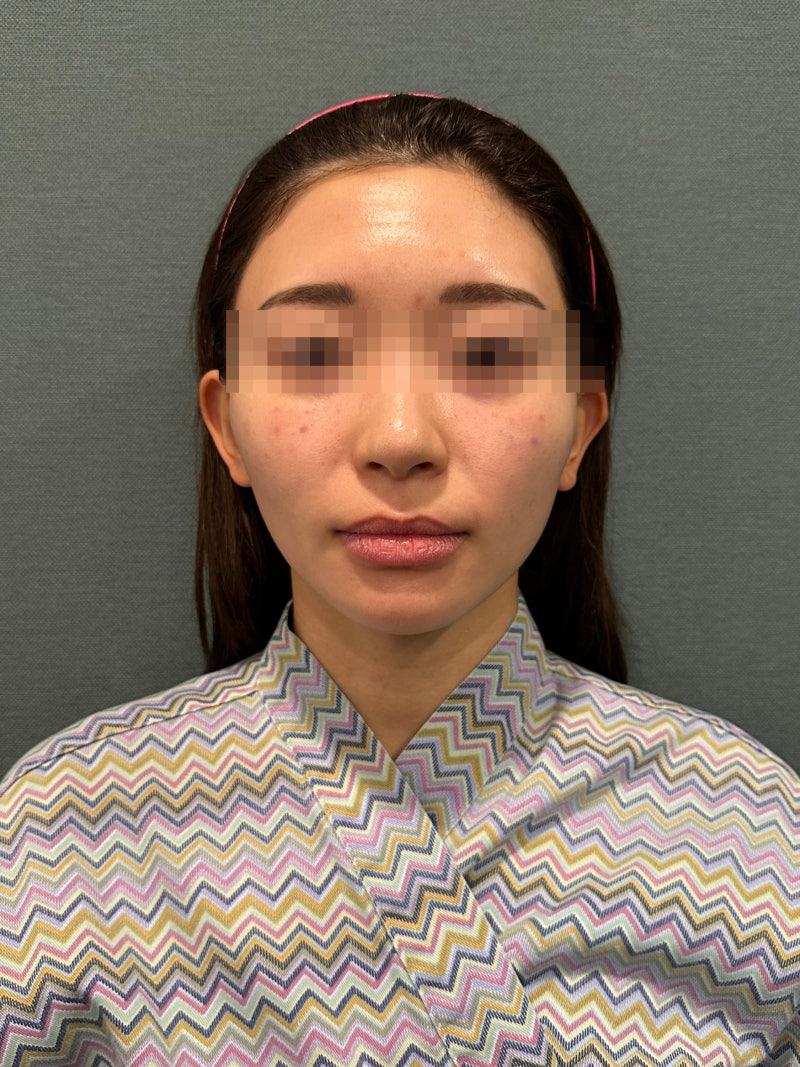
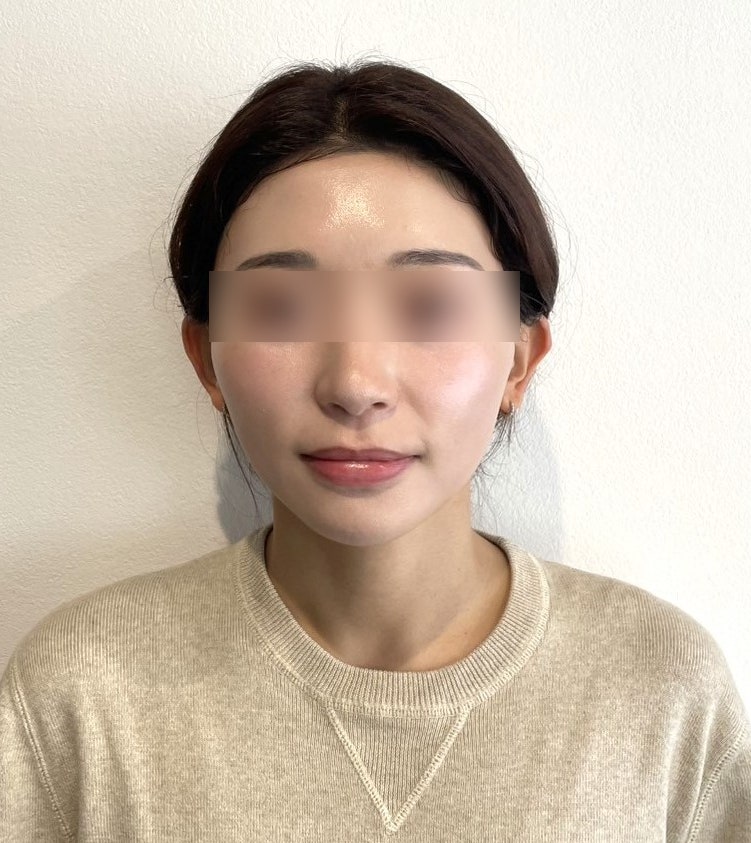
For some, the lower face appears emphasized due to developed masseter muscles,
while for others, a relative hollowing is accentuated due to reduced mid-face volume.
Furthermore, thin skin and thick skin react differently to pulling.
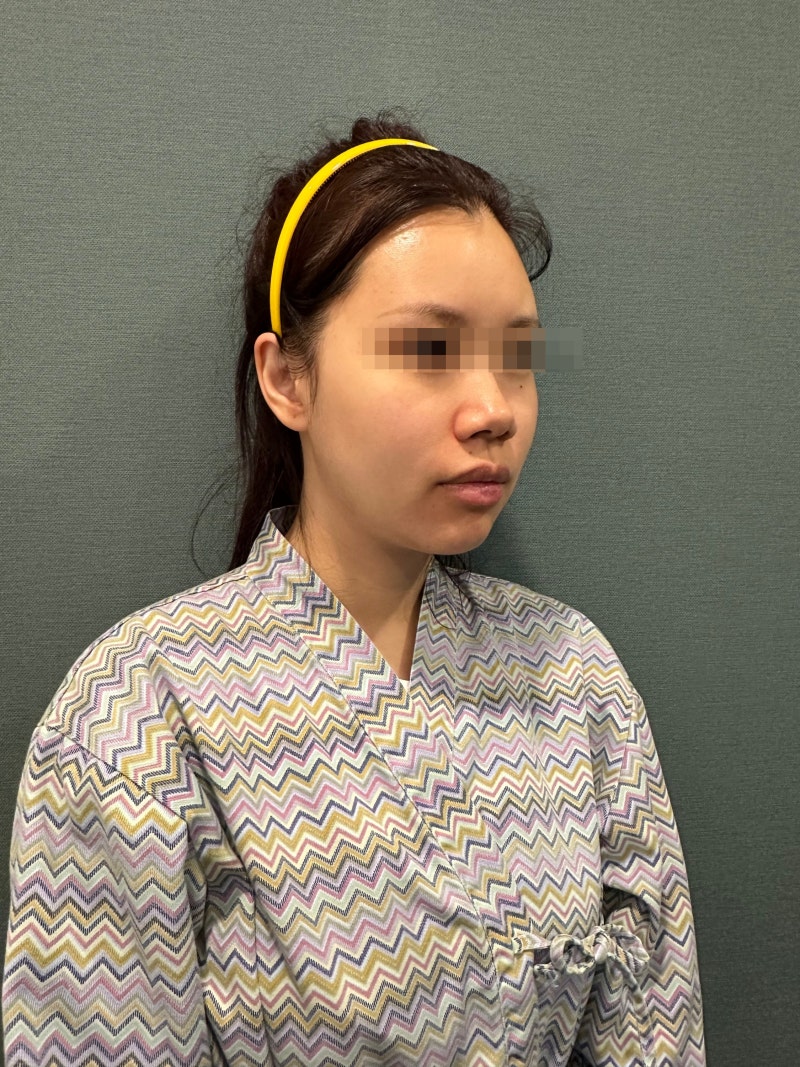
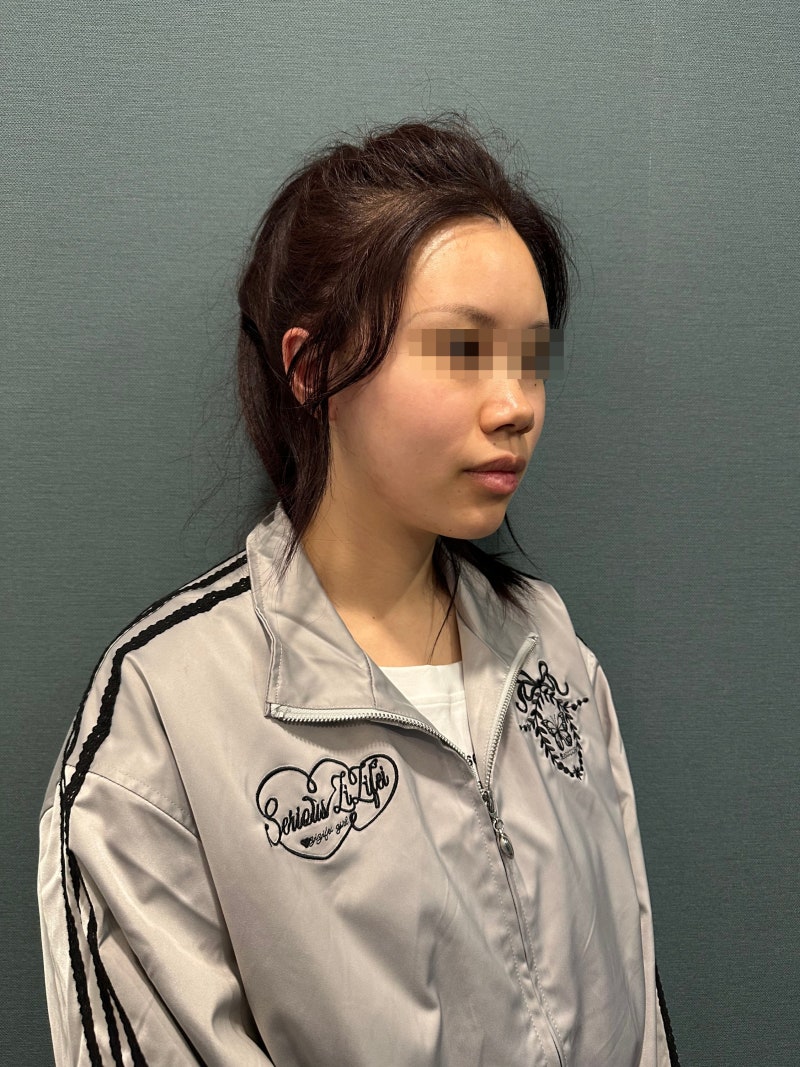
Therefore, approaching all ‘peanut-shaped’ faces in the same way has its limitations.
The direction, intensity, and fixation points of the threads must be adjusted to suit the individual’s facial structure to achieve natural changes.
Skipping this process could lead to one side being overly lifted and the other side showing little change.
Criteria for distinguishing a specialized clinic
As important as before and after photos is who actually performs the procedure.
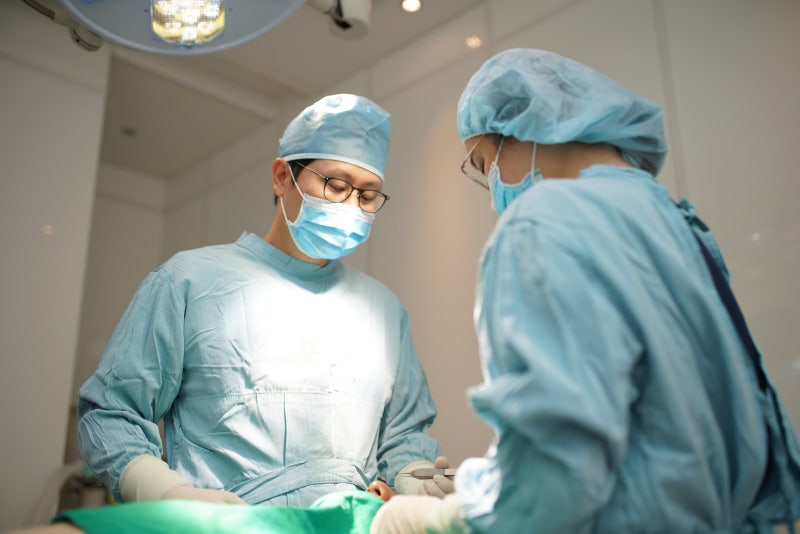
You can verify whether a doctor is a board-certified plastic surgeon
by directly searching for the medical staff’s name on the Korean Society of Plastic and Reconstructive Surgeons website.
Also, if the clinic’s name is ‘○○ Plastic Surgery’ and the medical specialty is clearly stated as plastic surgery, it is highly likely to be a specialist clinic.
Conversely, if the clinic name is ‘○○ Clinic’ but plastic surgery is only included in the list of medical specialties,
it’s worth double-checking whether the doctor is a board-certified specialist.
Checking these objective criteria is a more realistic way to distinguish a specialized clinic than relying on advertising slogans.
Post-procedure swelling and bruising: What’s normal?
The most common concerns after the procedure are
swelling and bruising.
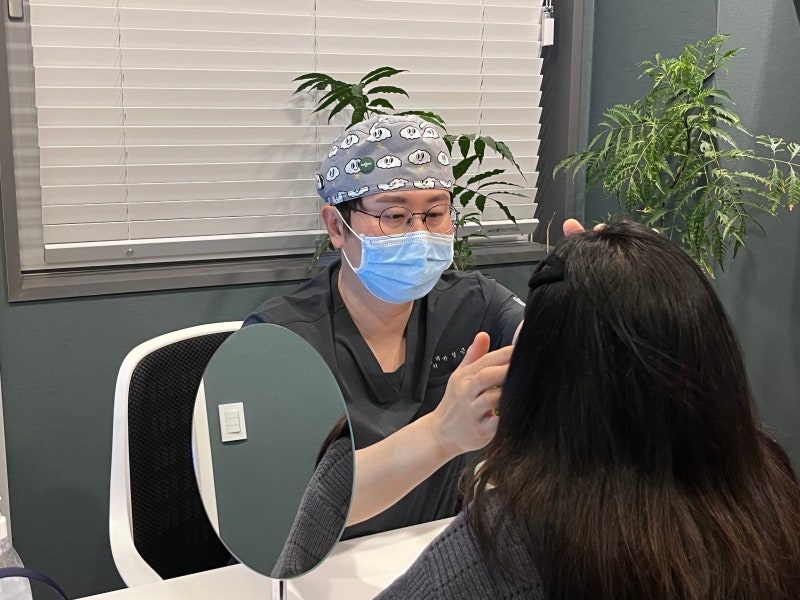
Generally, for the first 1-2 weeks, some swelling may remain on the face or bruising may be partially visible.
This can be seen as a natural recovery process due to facial muscle movement and changes in blood flow.
However, the perceived extent varies depending on management during this period and individual skin reactions.
Bruising may be more noticeable in individuals with thin skin layers,
and those who use their facial muscles frequently may feel a pulling sensation for a longer time.
Therefore, it’s important to understand the recovery process in advance and plan your return to daily activities.
Before and after photos are just one aspect of the result; considering the entire process in between
allows for a more realistic judgment.
-Operating Hours-
Weekdays 9:00 ~ 18:00 Saturdays 9:00 ~ 16:00 Public Holidays / Sundays Regular closure |
-Contact Us-
Gangnam Station Thread Lift Specialist Faceplus Plastic Surgery Clinic | ||
Consultation Phone: 02-541-8500 Inquiries: KakaoTalk Inquiry |
-Directions-
Frequently Asked Questions
Should I decide on a thread lift based solely on before and after photos?
No, there are limitations to deciding based only on photos. Photos are just the result at a specific point in time and do not capture all of an individual's facial muscle usage habits, skin layer thickness, or fat distribution, so the actual results may differ.
Is the thread lift procedure the same for all 'peanut-shaped' faces?
No. Even if they appear similar on the surface, the strength of facial muscles and skin thickness vary for each face, so approaching them in the same way has limitations. The application direction, intensity, and fixation points must be adjusted to suit the facial structure to achieve natural changes.
How can I distinguish a specialized thread lift clinic?
It is important to verify whether the doctor is a board-certified plastic surgeon. Searching for the medical staff's name on the Korean Society of Plastic and Reconstructive Surgeons website or checking if the clinic's name is clearly stated as '○○ Plastic Surgery' is a realistic way to distinguish a specialized clinic.
How long do swelling and bruising last after a thread lift?
Generally, for the first 1-2 weeks after the procedure, some swelling may remain on the face or bruising may be partially visible. This can be seen as a natural recovery process due to facial muscle movement and changes in blood flow.
Does bruising get worse if the skin is thin?
Yes, bruising may be more noticeable in individuals with thin skin layers. Also, those who use their facial muscles frequently may feel a pulling sensation for a longer time, so it's important to understand the recovery process in advance.