2026-09-03
Gangnam Plastic Surgery Recommendation: Points to Check When Worried About Dimpling as a Side Effect of Thread Lift
Concerned about dimpling after a thread lift? This article from Faceplus Plastic Surgery explains why it happens and what to look for in a clinic to ensure natural, lasting results.
※ This article is intended to provide medical information.
It is not subject to review under Article 56, Paragraph 2 and Article 57 of the Medical Act,
and we inform you that it is not an advertisement unrelated to the content of the review.
Hello,
I am Dr. Jung-Geun Park,
Director of Faceplus Plastic Surgery Clinic.
‘I'm worried my cheeks will look lumpy when I smile. That's why I'm being extra careful in finding a recommended plastic surgery clinic in Gangnam.’
This is one of the most frequent comments
I hear in the consultation room when people are considering a thread lift.
As it is a choice that changes the face,
concerns about potential side effects often
outweigh the desire to simply improve sagging.
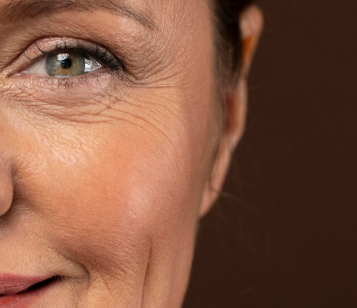
In particular, phenomena like dimpling, where the cheeks appear lumpy
when smiling or talking,
can feel more pronounced in daily life than in photos,
increasing anxiety.
Therefore, before discussing the procedure,
I believe it is necessary to thoroughly address
why these concerns arise.
The result is determined by the process, not by ‘luck’.
Dimpling can occur when threads are placed too close to the skin, or when fixation is done without sufficient consideration for tissue movement.
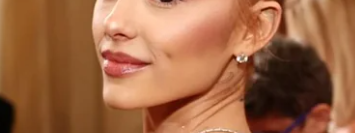
It's less about the thread lift itself being the problem,
and more about a phenomenon that occurs when approached
without understanding facial structure and movement.
The face does not exist in a static state;
it constantly moves when smiling and talking.
Therefore, the depth and direction of thread insertion, and the fixation points, must be meticulously designed.
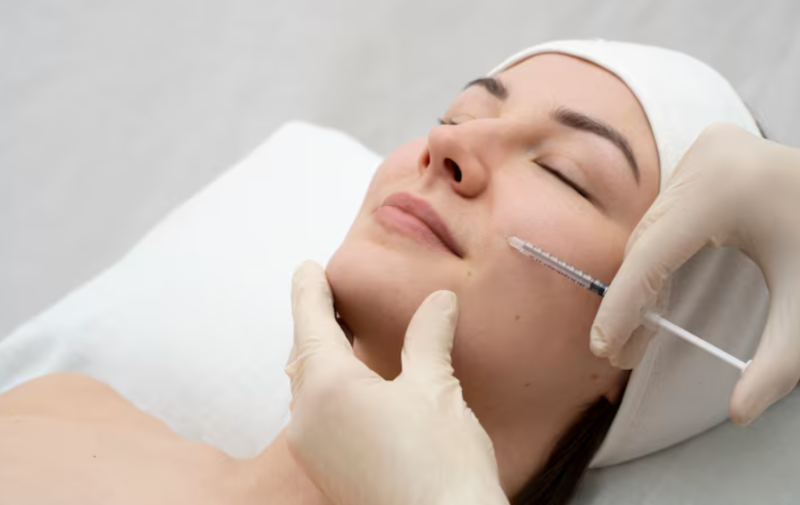
Simply lifting a lot or pulling strongly
might show significant initial changes,
but the possibility of leading to unnatural facial expressions
over time cannot be ruled out.
The key points to check are ‘who is responsible and how’.
Therefore, the key points to check are
‘what criteria are used for the procedure’ rather than
‘how quickly it is performed’.
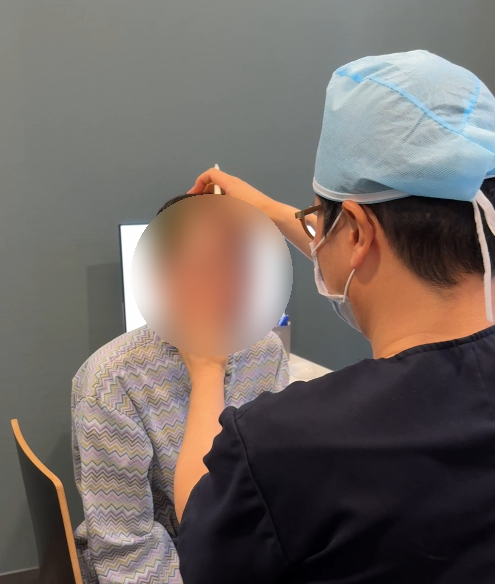
It is important whether the face is viewed with the same perspective
from consultation to procedure and through the recovery process,
and whether the environment allows for careful attention
to the patient's anxieties and even minor changes during that process.
An approach that aims to minimize thread usage while not disrupting tissue flow,
and a preference for results that blend naturally with the face rather than creating excessive changes,
are directly linked to the stability of the outcome.
I believe this is not merely a matter of technique,
but stems from the responsibility and standards of the person performing the procedure.
Results are created by the attitude of care, more than by ‘manual skill’.
While a thread lift can be done in a short time, its results remain on the face for a long time.
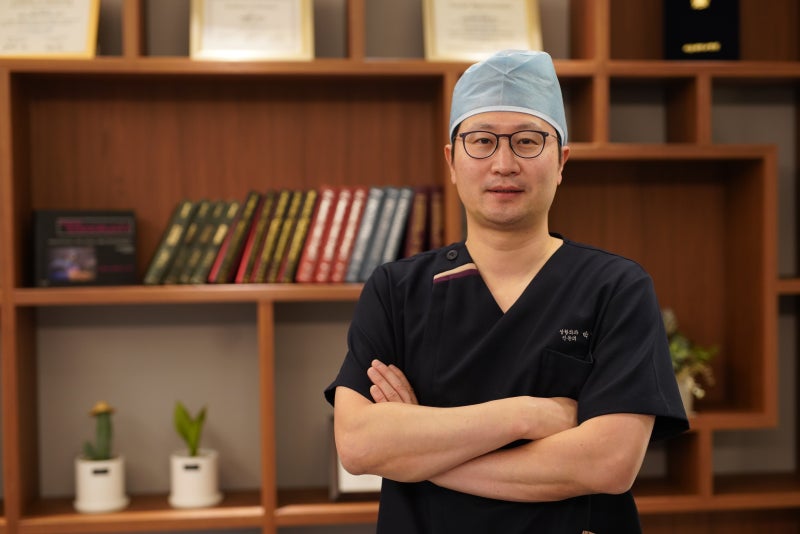
Therefore, I believe that how the pre- and post-procedure processes are managed
is more important than the procedure itself.
This is because it's not a one-time choice, but a process where the changes need to settle,
and that process must be monitored together.
Worrying about dimpling doesn't just mean wanting to avoid side effects;
it also means having clear standards for the results.
I believe that respecting those standards and taking full responsibility for the patient's results
until the very end is paramount.
If you judge by such standards, you will be closer to a choice that brings understanding rather than anxiety.
-Operating Hours-
Weekdays 9:00 ~ 18:00 Saturdays 9:00 ~ 16:00 Public Holidays / Sundays Regular Day Off |
-Contact Us-
Faceplus Plastic Surgery Clinic | ||
Consultation Phone: 02-541-8500 Inquiries: KakaoTalk Inquiry |
-Directions-
Frequently Asked Questions
What is thread lift dimpling?
Dimpling is a phenomenon where the cheeks appear lumpy when smiling or talking after a thread lift. This can occur when threads are placed too close to the skin or when fixation is done without sufficient consideration for facial movements.
Is thread lift dimpling a problem with the procedure itself?
No, dimpling is less a problem with the thread lift procedure itself and more a phenomenon that occurs when approached without understanding facial structure and movement. Meticulous design of the thread's depth, direction, and fixation points is crucial.
What should be considered when choosing a thread lift clinic to prevent dimpling?
It is important to check the responsibility and treatment standards of the medical staff performing the procedure. An attitude that monitors the patient's anxieties and minor changes from consultation to procedure and recovery, and prioritizes natural results over excessive changes, is important.
Does pulling strongly or lifting a lot during a thread lift yield good results?
No, simply lifting a lot or pulling strongly might show significant initial changes, but there is a possibility that it could lead to unnatural facial expressions over time. A delicate approach that does not disrupt tissue flow is important.
Why is the practitioner's attitude important for thread lift results?
Thread lift results remain on the face for a long time, so how the pre- and post-procedure processes are managed is crucial. Respecting the patient's standards and taking full responsibility for the changes as they settle creates stable results.