2026-09-03
Gangnam Full Face Filler: How Does It Differ from Partial Fillers? Price, Pros & Cons, and Effects Explained by the Director
Dr. Park Jeong-geun explains the differences between full face and partial fillers, discussing their benefits, limitations, and how to choose the right treatment for a balanced, natural look.

※ This article is intended to provide medical information.
It is not subject to deliberation under Article 56, Paragraph 2 and Article 57 of the Medical Act,
and is not an advertisement unrelated to the content of deliberation.
Hello,
I am Park Jeong-geun, Director of Face Plus Plastic Surgery Clinic,
specializing in Gangnam full face fillers.
The most common question I hear from those considering Gangnam full face fillers is,
‘How is it different from doing it partially?’
For those accustomed to filling only one area of the face,
the concept of treating the entire face at once can feel somewhat unfamiliar.
While a partial approach aims to compensate for specific areas of hollowing or to refine lines,

the full face approach is closer to considering the overall volume distribution and balance of the entire face.
As we age, the face doesn't change in just one spot; the top, bottom, inner, and outer parts change simultaneously.
Because of this, there are many cases where compensating only one area can actually make the contrast appear greater.

If a choice is made without understanding this context,
a discrepancy can arise between the expected naturalness and the actual impression.
Advantages and Limitations of the Partial Approach
The advantage of the partial approach is that it is relatively simple to access.

In cases where the areas needing change are clear, such as the undereyes, front cheeks, or chin,
many people experience quick results.
The cost burden can also be considered incrementally, making it an easier starting point.
However, if the overall facial volume has shifted,
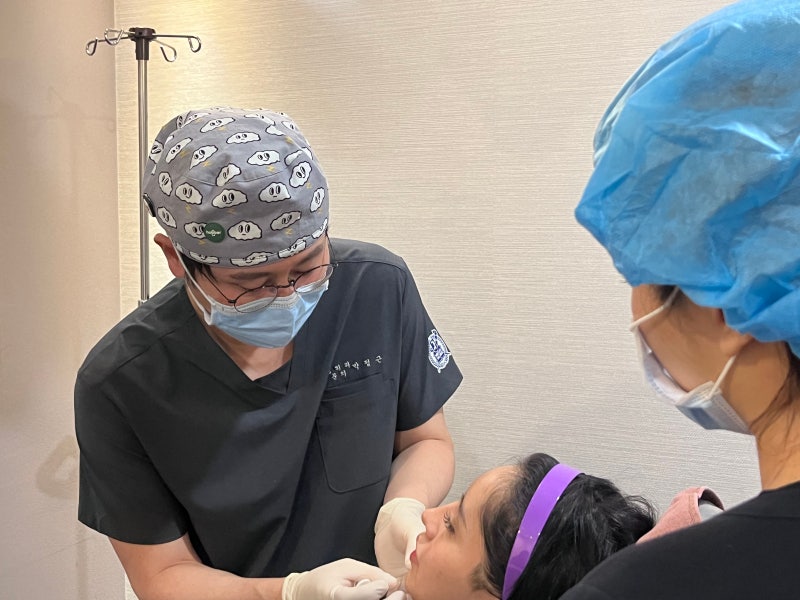
repeatedly using this approach can make the face appear fragmented or cause certain areas to stand out more.
In such cases, rather than swelling or bruising itself, an awkward feeling can arise due to an imbalance in the overall facial harmony.
As the scope of application is limited, limitations may become apparent if the context of facial changes is not considered holistically.
Full Face Filler: An Approach That Considers Overall Facial Balance
The full face approach views the face as a single structure.
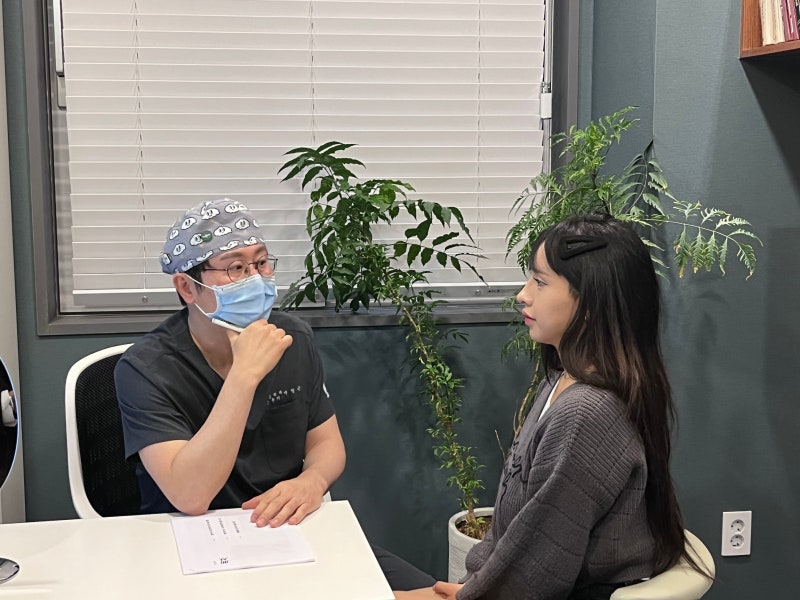
It's not just about filling hollow areas, but rather about adjusting the relationship between existing and shifted volumes to create a smooth, continuous impression.
With this approach, an excessive amount is not concentrated in one spot, which reduces the possibility of the results feeling unnatural or overdone.
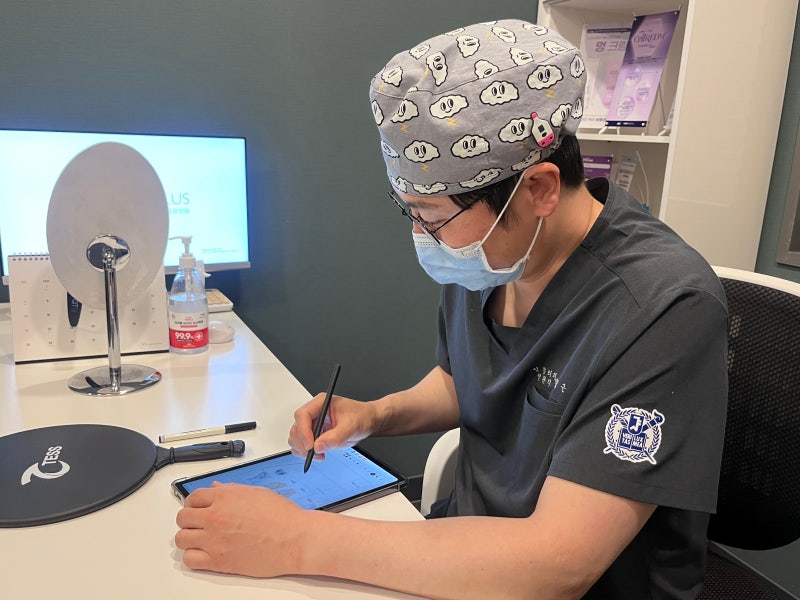
Swelling and bruising also tend to subside relatively stably when the filler is distributed appropriately according to the facial condition.
While the word ‘full’ might suggest an exaggerated change,
the actual goal is to reduce contrast rather than emphasize a single area.
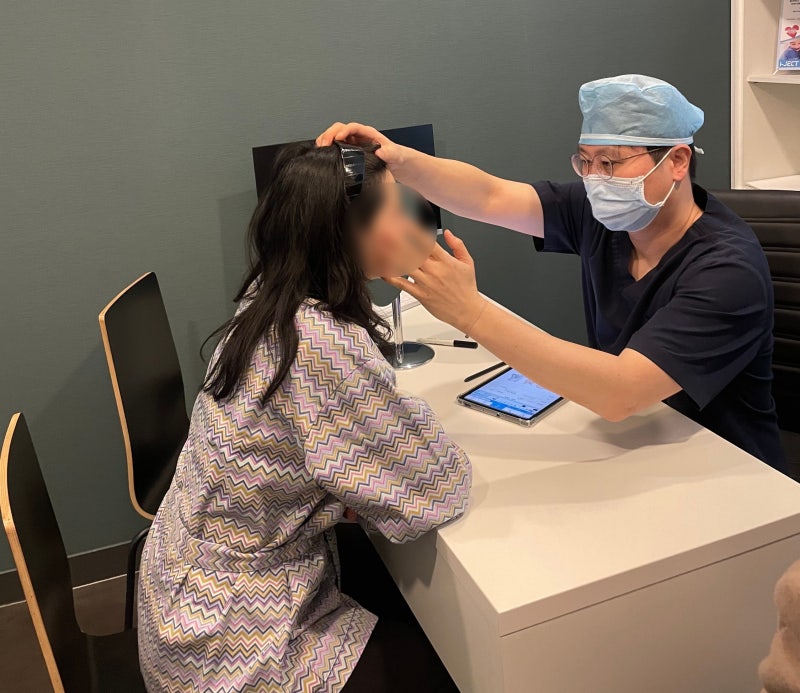
Therefore, the change is often perceived not as dramatic, but as ‘the face looking more refined’.
Why You Should Consider Price, Pros & Cons, and Effects Together
Considering the price, pros, and cons together makes the differences between the two methods even clearer.

While the partial approach is good for gradual treatment,
the total cost can increase with more sessions, and the consistency of the results may diminish.
The full face approach, being a one-time treatment, might feel like a greater initial burden,
but it has the advantage of harmonizing the entire face under one standard.
Side effects, too, are mostly due to inappropriate application for the facial condition, rather than issues with the material itself.
The important thing is not to conclude which method is better,
but to distinguish whether the necessary change for your current face is ‘supplementation’ or ‘adjustment’.

When a choice is made with this understanding, the results can be stable without being excessive.
Thank you for reading to the end.
-Operating Hours-
Weekdays 9:00 ~ 18:00 Saturdays 9:00 ~ 16:00 Holidays / Sundays Regular closure |
-Contact Us-
Gangnam Full Face Filler Face Plus Plastic Surgery Clinic | ||
Consultation Phone: 02-541-8500 Inquiries: KakaoTalk Inquiry |
-Directions-
Frequently Asked Questions
How do full face fillers differ from partial fillers?
Full face fillers consider the overall volume distribution and balance of the entire face to gently adjust the impression. In contrast, partial fillers focus on compensating for hollowing or refining lines in specific areas like the undereyes, front cheeks, or chin.
What are the advantages and limitations of partial fillers?
The advantages of partial fillers are that the approach is relatively simple, and results can be felt quickly if the areas needing change are clear. However, if the overall facial volume shift is not considered, the face may appear fragmented or certain areas might stand out too much.
What effects can be expected from full face fillers?
Full face fillers treat the face as a single structure, balancing the overall harmony to create a smooth, continuous impression. Since excessive amounts are not concentrated in one area, it reduces the likelihood of an overdone result, and you can expect a natural change where the face appears more refined.
What about swelling and bruising during full face filler procedures?
When full face filler is applied in a distributed manner according to the facial condition, swelling and bruising tend to subside relatively stably. The design avoids concentrating excessive amounts in one spot, which minimizes discomfort.
What is the most important consideration when choosing a filler procedure?
The most important thing is to distinguish whether the necessary change for your current face is simply to ‘supplement’ a specific area or to ‘adjust’ the overall facial balance. Understanding this difference and making an informed choice will lead to stable, non-excessive results.