2026-09-03
Gangnam Facelift: Is a Mini-Lift Enough? Naturalness, Cost, and Selection Criteria Explained
This article by Dr. Park Jeong-geun of Faceplus Plastic Surgery Clinic discusses the differences between a full facelift and a mini-lift, focusing on natural results, cost considerations, and how to choose the right procedure for facial sagging.

※ This article is intended to provide medical information.
It is not subject to review under Article 56, Paragraph 2 and Article 57 of the Medical Act,
and is not an advertisement unrelated to the content of the review.
Hello,
I am Dr. Park Jeong-geun,
Director of Faceplus Plastic Surgery Clinic.
I often meet people who find themselves more conflicted after researching Gangnam facelifts.
They feel that a major surgery might not be necessary yet,
but it's also hard to ignore the sagging feeling every time they look in the mirror.
‘My nasolabial folds bother me the most. What should I do for this?’
Whenever I hear this question, I think about what explanation is truly needed for this person,

and which choice will leave them with fewer regrets.
‘The difference between the two methods is not in their names, but in their approach.’
The difference between a facelift and a mini-lift
is not simply the size of the surgical area,
but where the facial sagging is perceived as the problem.
In some cases, skin-centric sagging is the primary concern,
while in others, changes in the underlying structures beneath the skin also appear.
Category | Mini-Lift | Facelift |
Primary Target | Localized areas where sagging has begun | Overall facial sagging and balance |
Scope of Approach | Skin and subcutaneous tissue-centric | Includes underlying supportive structures |
Surgical Goal | Localized tightening and fixation of lax tissue | Redesigning the direction of sagging and overall facial balance |
Nature of Change | Partial improvement in appearance | Stabilization of overall contour and appearance |
Suitable Cases | When sagging in a specific area is dominant | When structural changes are also felt |
Recovery time is not solely determined by the surgical method.

The perceived recovery speed varies greatly depending on how meticulously bleeding is managed
and how carefully the post-operative progress is monitored.
That's why I spend as much time explaining the recovery process and management plan as I do the results.
I believe that surgery is not just a one-day event,
but a process that requires responsible oversight and care throughout the recovery.
‘Concerns about naturalness are completely understandable.’
Concerns about naturalness are also unavoidable.
‘Will it look like I've had something done?
Will it look awkward when I smile?’
When I receive these questions, I try to explain the process first, rather than just showing result photos.
Naturalness is not created by chance,
but is determined by the individual's skin condition, the direction of sagging,
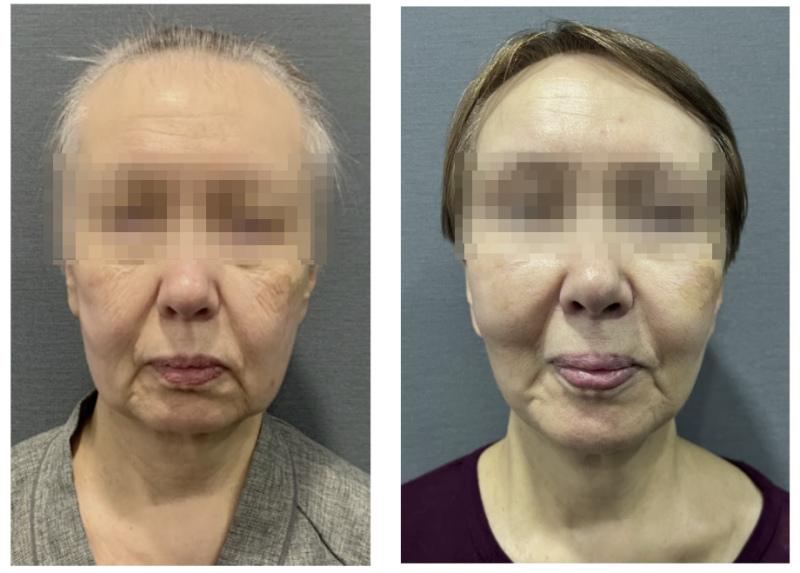
and how carefully the overall facial balance has been considered.
If there is still some elasticity and sagging is limited,
some people feel that a less invasive option is sufficient.
Conversely, if multiple layers of wrinkles and sagging appear together,
there is definitely a possibility that the same choice could lead to regret.
‘A discussion about cost, choice, and responsibility.’
Questions about cost are also an unavoidable part.
‘Why is there such a difference in price?’
This question, I feel, contains more than just a simple price comparison;
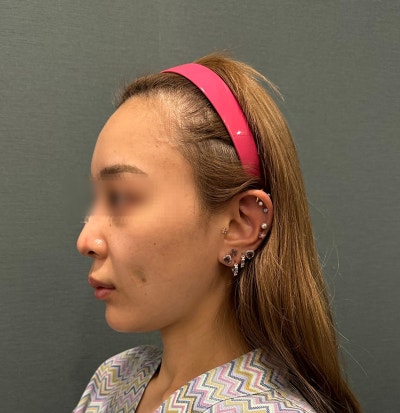

it reflects a concern about whether the results and recovery will truly be the same
if the same choice is made.
Therefore, rather than just looking at the price,
I try to explain what processes and care are included in that cost.
This is because surgery is not a choice where only the result remains,
but an area where the medical team must take full responsibility for the entire process.

That's why I don't easily conclude
which method is better.
From the medical team's perspective, I first consider which approach would be least burdensome for the current condition,
and which choice would be right when considering recovery and maintenance.

I believe it is the doctor's role to explain it sufficiently so that patients can understand,
and to help them make a decision based on that understanding.
I hope this article helps you compare and judge more calmly,
rather than rushing into a decision.
Thank you for reading until the end.
-Operating Hours-
Weekdays 9:00 ~ 18:00 Saturdays 9:00 ~ 16:00 Public Holidays / Sundays Regular closure |
-Contact Us-
Faceplus Plastic Surgery Clinic | ||
Consultation Phone: 02-541-8500 Inquiries: KakaoTalk Inquiry |
-Directions-
Frequently Asked Questions
What are the main differences between a facelift and a mini-lift?
The difference between a facelift and a mini-lift is not simply the scope of the surgery, but rather the cause of facial sagging and the approach taken. A mini-lift is suitable for localized sagging primarily involving the skin and subcutaneous tissue, while a facelift is appropriate for overall facial sagging that includes the underlying supportive structures.
When is a mini-lift suitable?
A mini-lift is suitable for cases where sagging has started locally or when sagging in a specific area is the primary concern. It aims for partial improvement in appearance by locally tightening and fixing lax tissue, focusing on the skin and subcutaneous tissue.
How long does the recovery period take after a facelift?
The recovery period varies greatly not only depending on the surgical method but also on the meticulousness of bleeding management and the careful monitoring of post-operative progress. The medical team spends as much time explaining the recovery process and management plan as they do the results.
How can natural results be achieved after surgery?
Natural results are not created by chance. They are determined by the individual's skin condition, the direction of sagging, and how carefully the overall facial balance has been considered. The medical team proposes the optimal method based on these factors.
Why is there a significant difference in the cost of a facelift or mini-lift?
The difference in cost signifies more than just a simple price comparison. It reflects the surgical process and post-operative care included in that cost, which can affect the results and recovery. The medical team explains not only the price but also the included processes and care.
How can I know which lifting method is more suitable for me?
The medical team does not easily conclude which method is better. They first consider which approach would be least burdensome for the current condition, and which choice would be right when considering recovery and maintenance. They then explain it sufficiently to the patient to help them make their own decision.