2026-09-03
Gangnam Facelift Clinic: The Difference in Lifting for a Defined Jawline
Discover how a well-performed facelift in Gangnam can redefine your jawline. This article explains the causes of a sagging jawline, the importance of lifting direction, the role of the SMAS layer, and key criteria for choosing a clinic.
※ This article is intended to provide medical information.
It is not subject to review under Article 56, Paragraph 2 and Article 57 of the Medical Act, and we confirm that it is not an advertisement unrelated to review content.
Hello,
I am Dr. Jung-Keun Park,
Director of Faceplus Plastic Surgery Clinic.

One of the first areas to change with age is the jawline.
The once sharp facial contours become blurred,
and as the cheek fat descends, the boundary between the jaw and neck
can gradually become indistinct.
At this point, many people simply
think of just pulling the skin,
but in reality, which tissues are moved and in what direction can significantly impact the outcome.
That's why people looking for a good Gangnam facelift clinic
often consider the facial structure and the principles of lifting together, rather than just the incision location.
Today, we will explore the difference in lifting techniques that naturally restore the jawline.
Table of Contents | ||
1. Reasons for a sagging jawline 2. Differences in lifting direction 3. The role of the SMAS layer 4. Criteria to check |
1. Reasons for a sagging jawline
The jawline is not formed by skin alone.
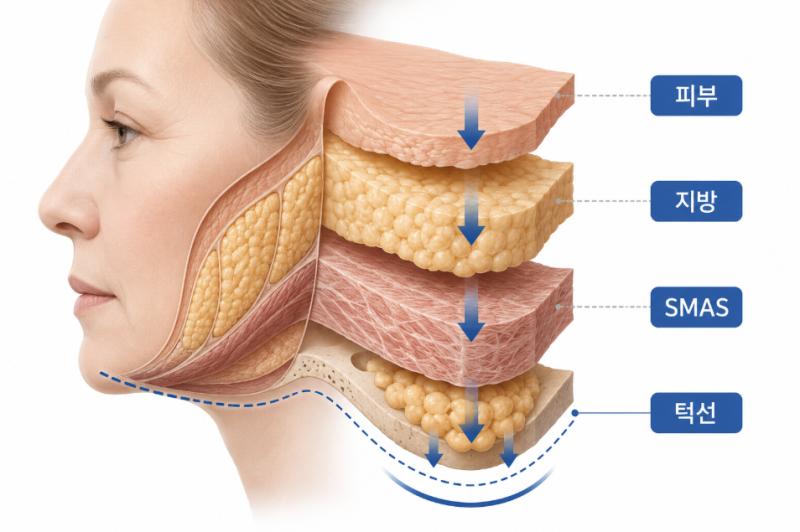
Below the skin, there are fat and SMAS layers,
and these tissues move downwards together under the influence of gravity and aging.
As a result, the jawline blurs,
and the area below the cheeks sags, making the face appear wider or creating a double chin.
Therefore, simply tightening the skin does not create a sharp
jawline.
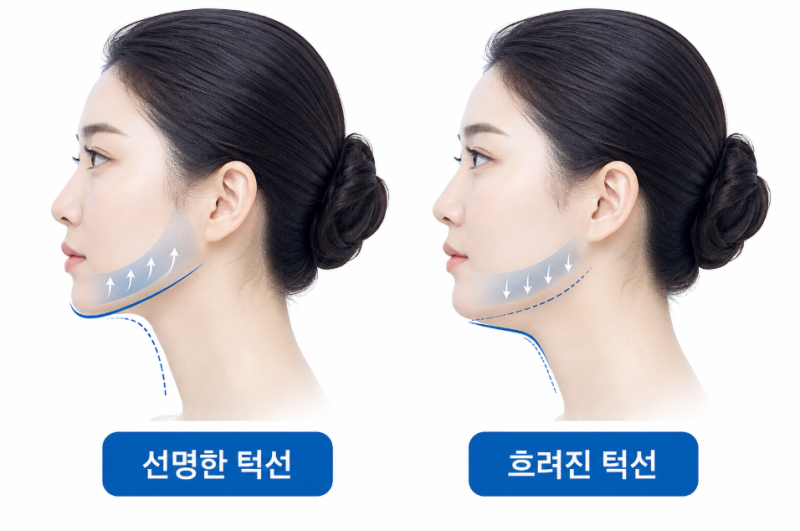
This is why recent information about good Gangnam facelift clinics often explains these facial structures together.
2. Differences in lifting direction
Even with the same facelift, the direction of pulling can significantly
affect the outcome.
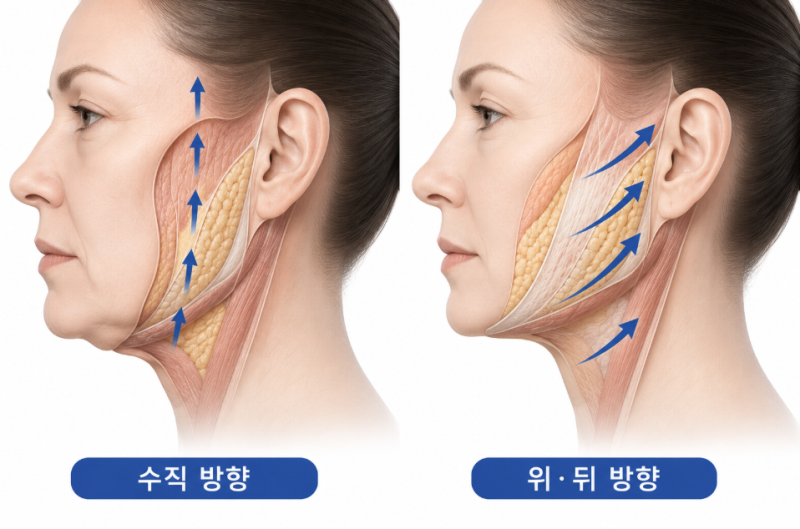
If the skin is pulled strongly only in a vertical direction,
it may appear temporarily taut,
but expressions can look unnatural, or tension may
concentrate around the ears.
On the other hand, a method that considers the direction of sagging facial tissues
and moves them upwards and backwards together can help create a more
natural contour.
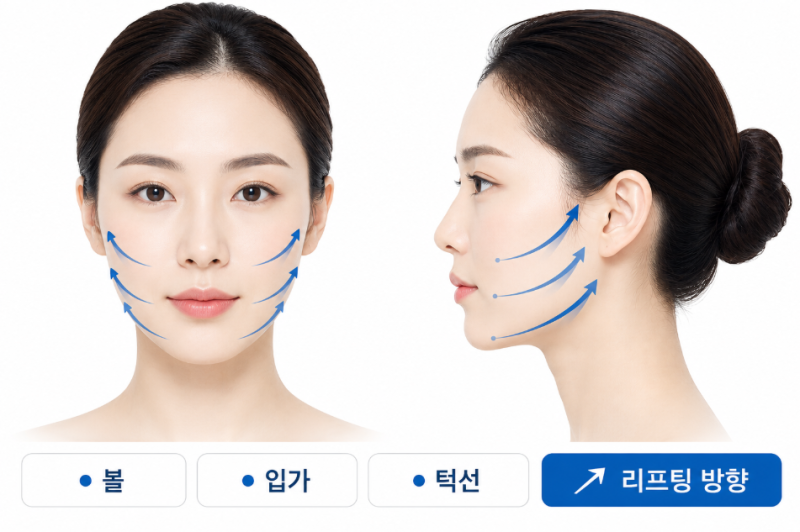
Especially for the jawline and cheek lines, it's not just about pulling upwards;
setting the direction based on anatomical facial structure
is emphasized as crucial.
Therefore, when comparing good Gangnam facelift clinics, people often check if there is sufficient explanation about the lifting direction and design.
3. The role of the SMAS layer
The SMAS layer is a structure frequently mentioned when discussing facelifts.
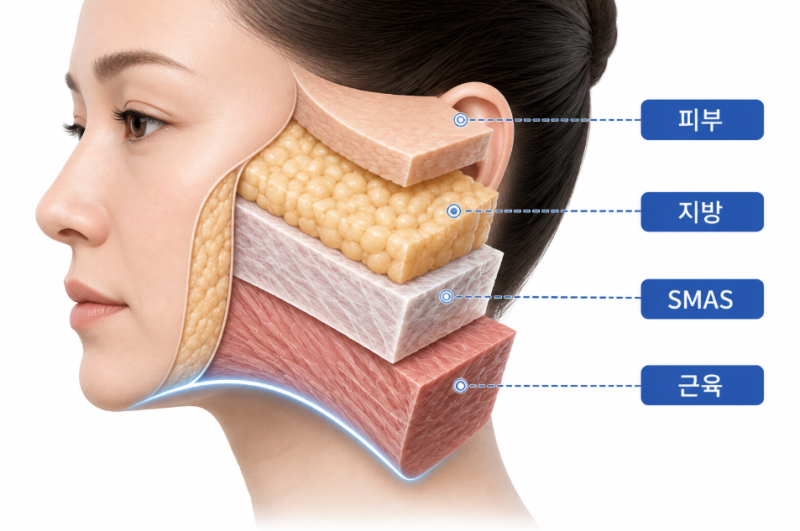
SMAS is a fibrous tissue located deeper than the skin,
connected to the mimetic muscles, and plays a role in supporting facial contours.
As aging progresses, not only the skin but also this structure sags, which can lead to differences compared to methods that only pull the skin.
Of course, the same method is not applied to everyone; the approach may vary depending on skin thickness, fat volume, and the degree of sagging.
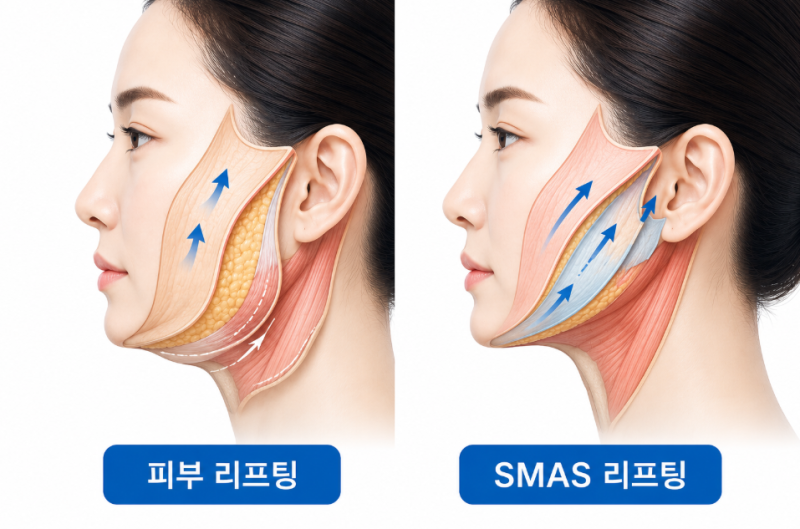
However, the reason the SMAS layer is discussed together when explaining jawline improvement
is because it is connected to the overall balance of the face.
Thus, when looking for a good Gangnam facelift clinic, understanding which layers are considered, rather than simply ‘how much is pulled,’ can also be helpful.
4. Criteria to check
Since the jawline is connected to the overall facial proportions,
it is important to consider the overall balance rather than excessively changing just one part.
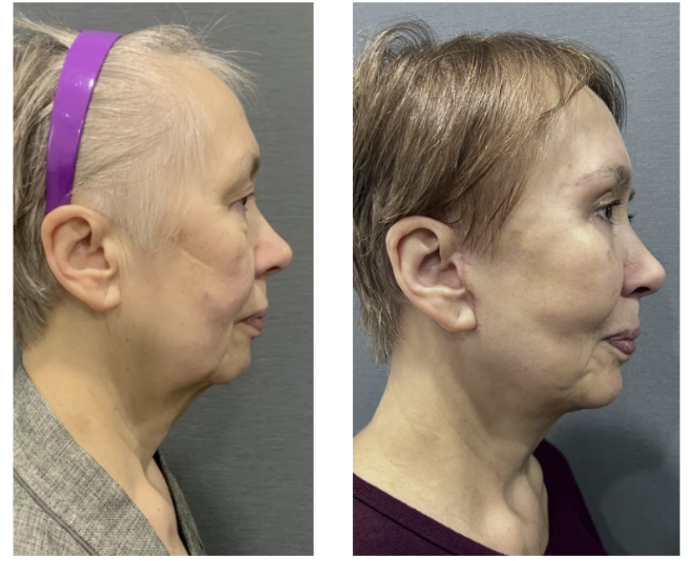
This is because various factors such as face shape, cheek sagging, chin length, the boundary between the neck and jaw,
and skin elasticity all have an impact.
Furthermore, since the cause of aging differs for each person,
the same lifting method does not always produce the same results.
Therefore, a comprehensive analysis of facial structure and
understanding the lifting direction and the principles of tissue movement together
are considered important processes.
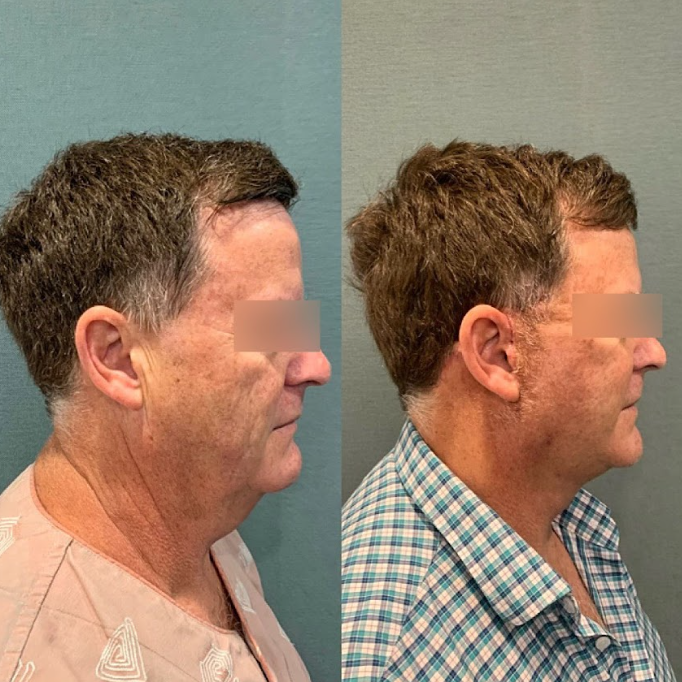
The reason for the recent increase in interest in good Gangnam facelift clinics
is also because more people want to understand the principles of facial structure and jawline changes, rather than simply whether an incision is made.
Ultimately, a natural jawline
can help create a more harmonious impression
when the characteristics of sagging tissues and their direction of movement are sufficiently considered, rather than just strongly pulling the skin.
-Operating Hours-
Weekdays 9:00 ~ 18:00 Saturdays 9:00 ~ 16:00 Public Holidays / Sundays Regular closure |
-Contact Us-
Faceplus Plastic Surgery Clinic | ||
Consultation Phone: 02-541-8500 Inquiries: KakaoTalk Inquiry |
-Directions-
Frequently Asked Questions
What are the main reasons for a sagging jawline?
The main reasons for a sagging jawline are that the fat layer and SMAS layer beneath the skin move downwards together due to gravity and aging. This can lead to a blurred jawline and sagging cheeks, making the face appear wider or like a double chin.
Why is the lifting direction important during a facelift?
Yes, the lifting direction during a facelift can significantly affect the outcome. If the skin is pulled strongly only in a vertical direction, expressions can look unnatural. A method that considers the direction of sagging facial tissues and moves them upwards and backwards together helps create a more natural contour.
What role does the SMAS layer play in a facelift?
The SMAS layer is a fibrous tissue located deeper than the skin, connected to the mimetic muscles, and plays a role in supporting facial contours. As aging progresses, not only the skin but also this structure sags, so considering the SMAS layer together is important for jawline improvement.
What criteria should be checked for natural jawline improvement?
For natural jawline improvement, it is important to consider the overall facial balance rather than excessively changing just one part. Also, since the cause of aging differs for each individual, a comprehensive analysis of facial structure and understanding the lifting direction and the principles of tissue movement are necessary processes.