2025-09-03
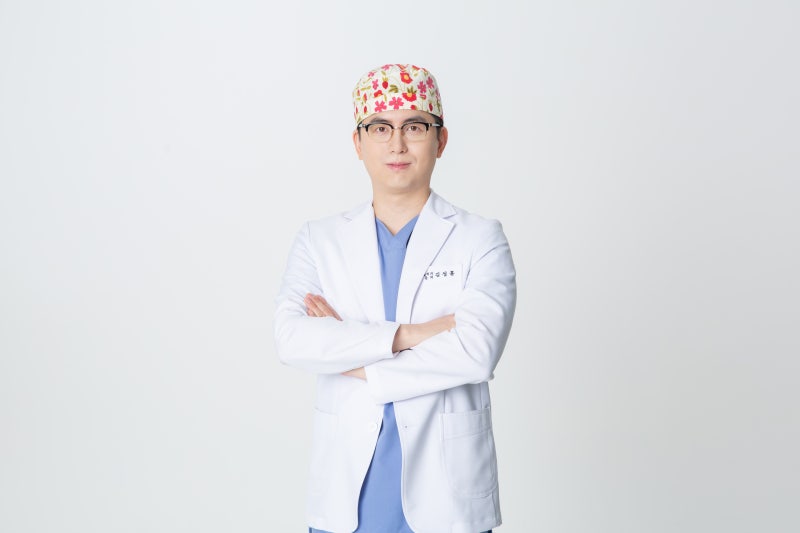
Facial Designer Dr. Kim Sung-hoon, back to blogging! After 7 years...
Dr. Kim Sung-hoon, a facial designer, returns to blogging after 7 years to share insights on plastic surgery, focusing on natural recovery and patient understanding.

‘Seven years later, a record from Facial Designer Dr. Kim Sung-hoon’s office, outside the consultation room’
Seven years have passed. During this time, perceptions of plastic surgery and the way patients ask questions have changed significantly.
While information abounds, what is truly necessary for one’s face and what criteria should be used to decide on surgery have become even more unclear.
When I meet patients in the consultation room, I often hear comments like these:
‘I don’t know if my cheekbones are sunken or if my jowls are sagging.’
‘I had nose surgery, but as my face changed, it feels like it doesn’t suit me anymore.’
‘My mouth corners are downturned, so I always look angry.’
Whenever that happens, I want to explain the cause of those changes one by one.
Whether it’s due to volume loss, sagging ligaments, or a change in the flow according to the direction of gravity on the face.
However, it’s difficult to explain all of that within the consultation time.
That’s why I’m reawakening this blog, which has been dormant for a long time.
From the perspective of a facial designer
I don’t try to create a face.
Instead, I read the flow, interpret the structure, and restore balance.
That’s why I introduce myself as a ‘facial designer’.
The purpose of surgery is not to create change,
but to achieve the most natural recovery with minimal intervention.
Especially for surgeries that deal with the facial structure, such as facelifts, forehead lifts, and sub-brow lifts,
both function and aesthetics must be considered, and without an anatomical understanding, the results will not last long.
I always make judgments based on the following four criteria:
- How much tissue has sagged
- What patterns the facial movements and expressions show
- Can the incision site be made without leaving a scar
- Is the discomfort the patient feels structurally explainable

I see the patient before the surgery
I prioritize ‘whether the discomfort has decreased’ more than the surgical outcome.
More than hearing ‘you’ve become prettier,’ hearing ‘now my expressions are natural without having to strain my forehead’ brings much greater satisfaction.
I do not perform excessive surgeries, unnecessary surgeries, or surgeries solely for the sake of results.
I believe that helping patients understand their own faces and make choices is the true work of a plastic surgeon.
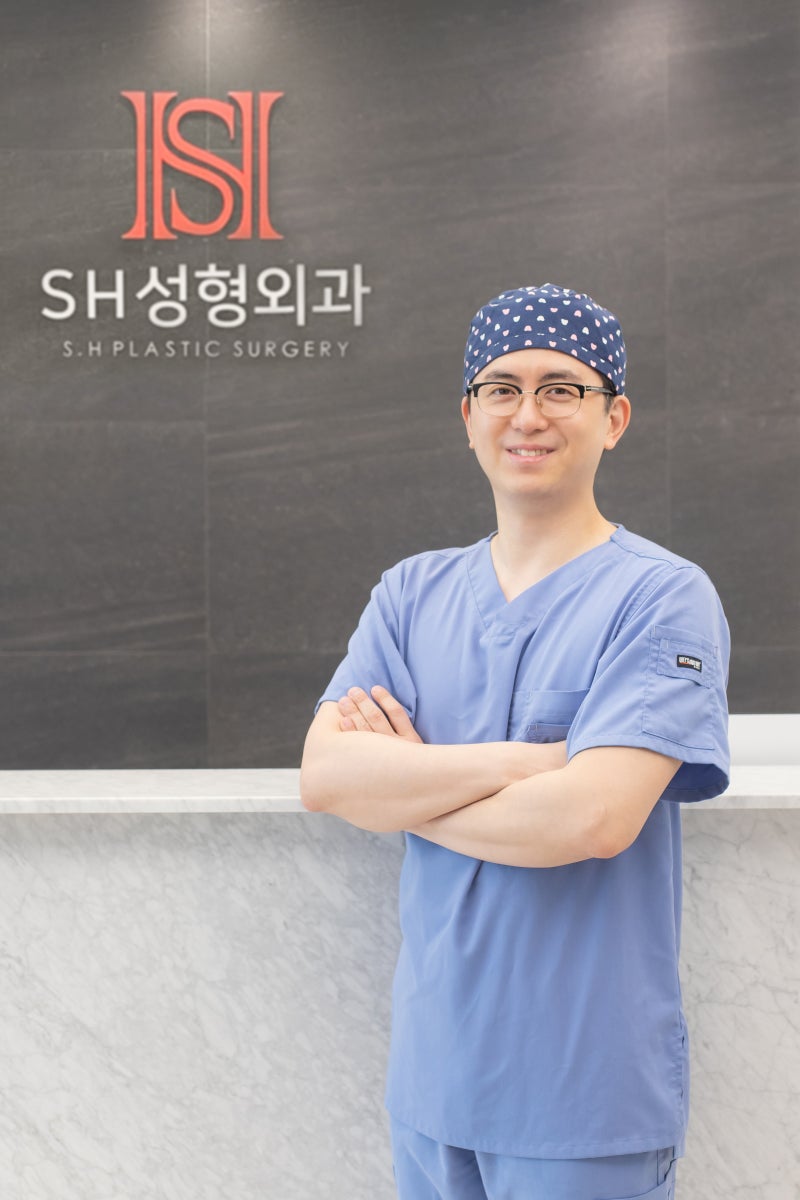
Stories to be covered in this blog going forward
- Why lifting should only be done when absolutely necessary
- Facelift: The direction of the incision is more important than the incision itself
- How to structurally explain facial sagging
- Introduction to new lifting equipment being introduced to Korea for the first time
- Technical considerations discussed at seminars and academic conferences
- Thoughts and daily life as a doctor outside the operating room
I will organize the stories I couldn’t fully share in the consultation room,
and explanations that alleviate patient anxiety,
one by one in this space.
I will write in ‘the patient’s language’ rather than ‘the doctor’s language’.
Thank you for reading this long post.
– Sincerely, Facial Designer Kim Sung-hoon