2026-09-03
Facelift: Will I regret getting it too early?
This article discusses whether getting a facelift at a younger age is advisable, emphasizing that the decision should be based on individual facial aging rather than age alone. It covers what a facelift entails, who might consider it, and addresses concerns about early intervention.
※ This article is intended to provide medical information.
It is not subject to deliberation under Article 56, Paragraph 2 and Article 57 of the Medical Service Act,
and we inform you that it is not an advertisement unrelated to the deliberation content.
Hello,
I am Dr. Park Jung-geun,
Director of Faceplus Plastic Surgery Clinic.
‘Isn't a facelift a surgery for people in their 50s and 60s?’
‘Wouldn't it be too early to get one in my 30s or 40s?’
Those considering a facelift often ponder these questions.
However, facial aging does not progress at the same rate for everyone, according to an age chart.
This is because even among people in their 40s, skin elasticity, fat distribution,
facial bone structure, and degree of sagging all differ.
Therefore, a facelift is not a surgery decided simply because one has aged,
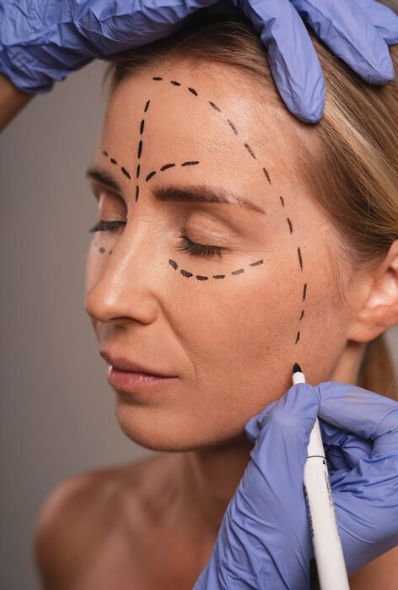
but rather, one must first examine where the current facial sagging originated.
Table of Contents | ||
1. What is a facelift? 2. Who seeks a facelift? 3. At what age should one consider it? 4. Will I regret getting it too early? |
1. What is a facelift?
A facelift does not simply mean cutting off loose skin and pulling it taut.
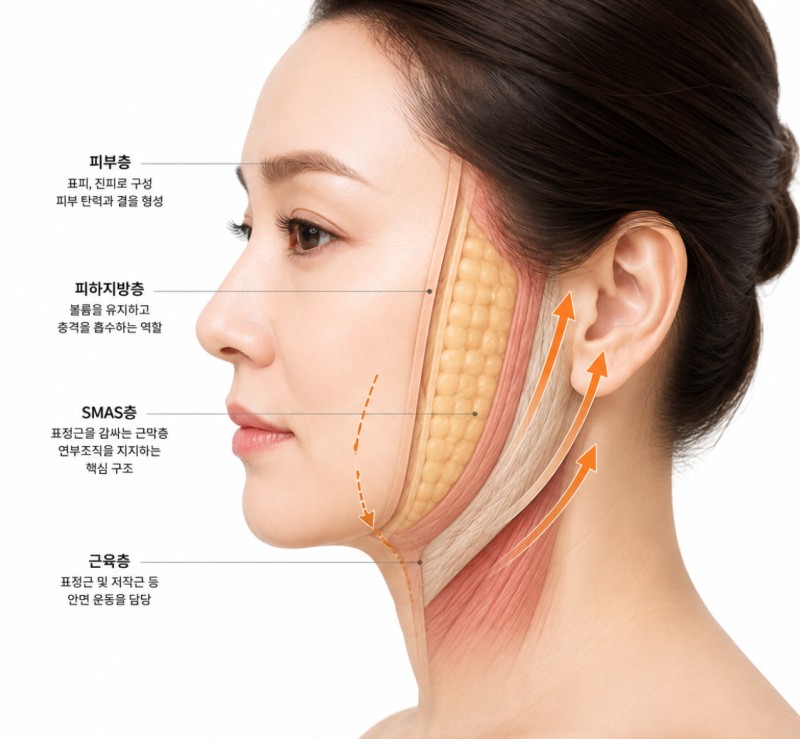
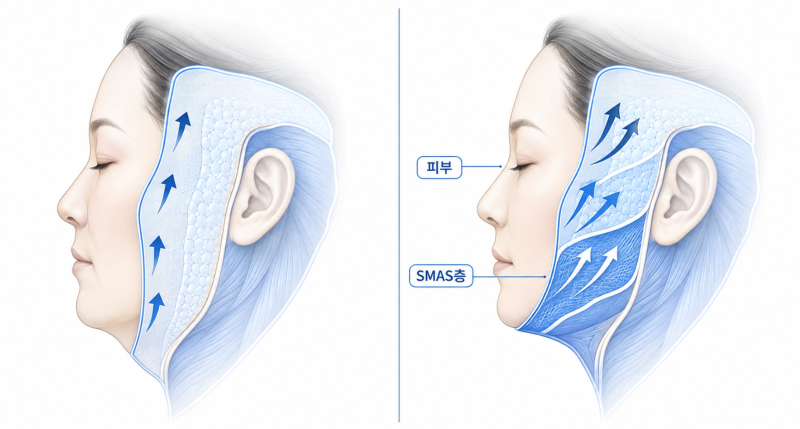
It involves identifying facial tissues that have shifted downwards due to aging, and considering the SMAS layer beneath the skin, to reposition and fix the sagging tissues.
It can be considered primarily when concerns arise about sagging in the mid-to-lower face, such as cheek sagging, deepened nasolabial folds, marionette lines around the mouth, and a collapsed jawline.
The important thing is not to pull the skin tightly, but to understand the individual's facial structure and direction of sagging,
and then plan which layers to correct and how.
2. Who seeks a facelift?
Most people who search for facelifts are not simply looking to eliminate a single wrinkle,
but rather feel that their facial contour itself has changed.
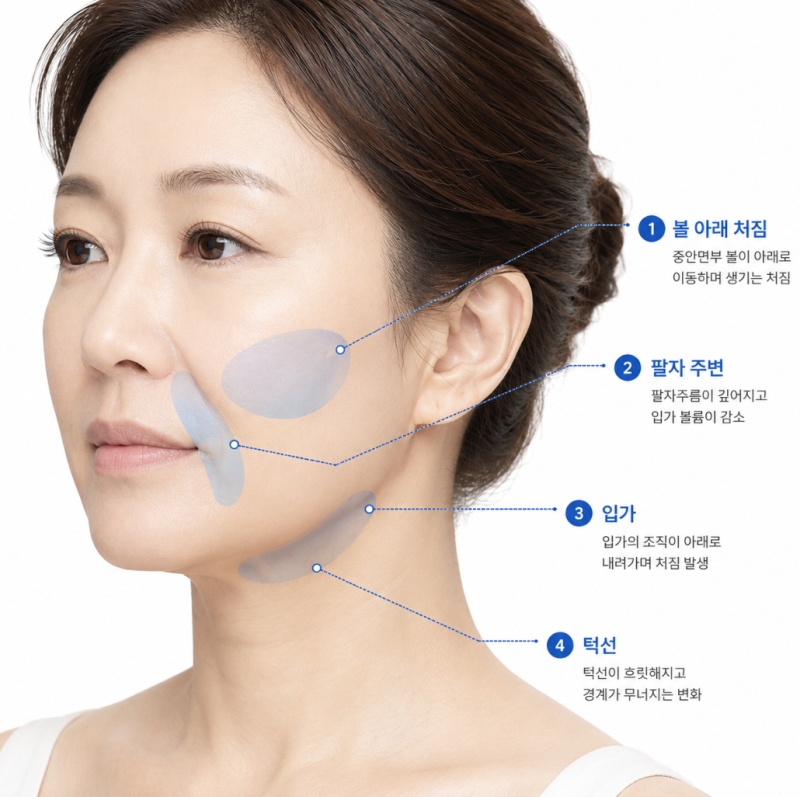
Typical cases include cheeks appearing lower than before, a blurred jawline, and tissues accumulating around the mouth, making the face feel heavy.
Even those who have repeatedly undergone laser or lifting procedures but found limited satisfaction due to already sagging tissues may explore surgical options.
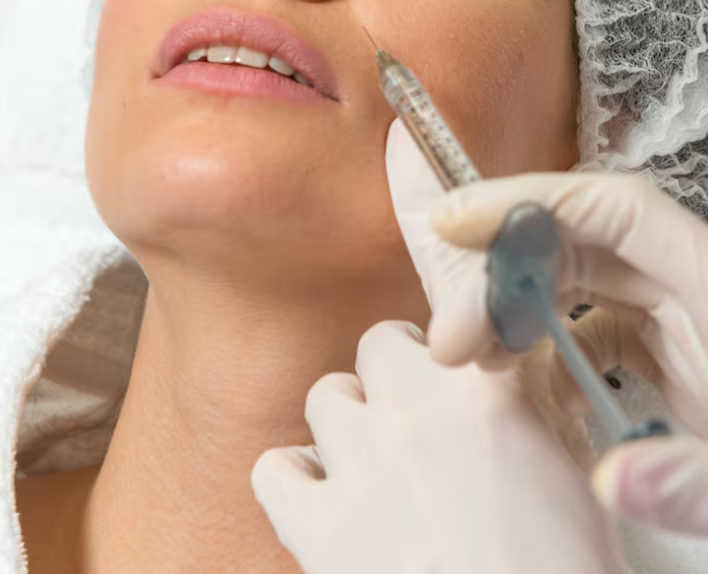
Conversely, if fine wrinkles or reduced skin elasticity are the main concerns and actual tissue sagging is not significant, a facelift may not be necessary from the outset.
It is important to first check if other methods such as lifting lasers, radiofrequency, or thread lifts are more suitable.
3. At what age can one consider it?
While facelifts are commonly thought to be for people over 50, there is no absolute standard for ‘at what age one should get it’.
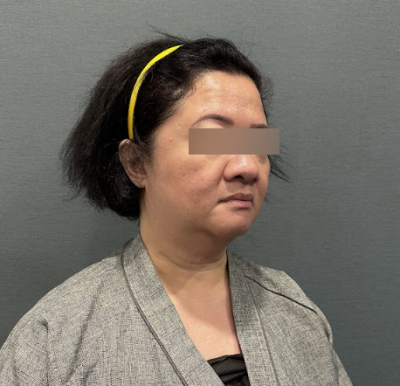
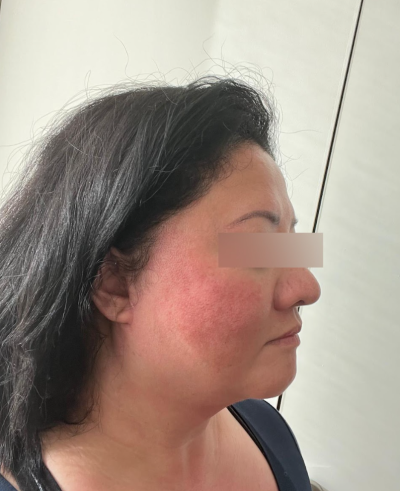
Even in their 30s or 40s, if there has been a rapid change in weight or if skin and soft tissue sagging appears relatively quickly, surgical correction may be discussed.
Conversely, even in their 50s or 60s, if sagging is not severe and improvement can be expected with non-surgical methods,
there is no need to automatically opt for surgery.
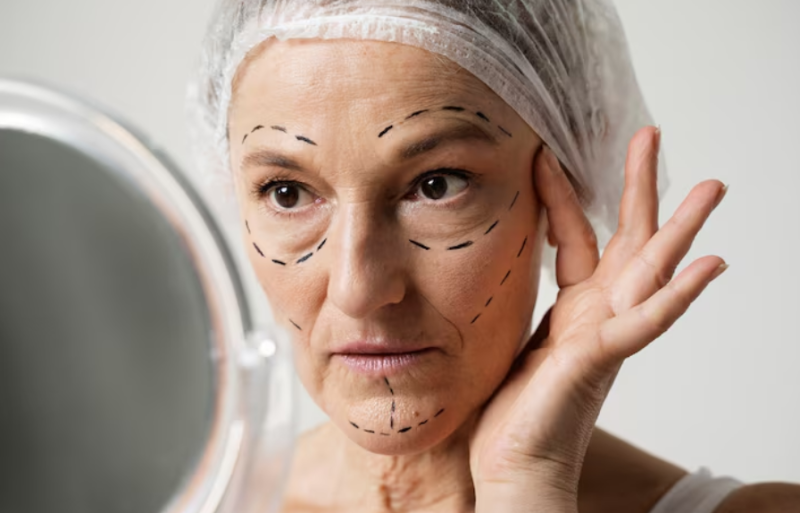
In other words, what is more important than age is the current state of the face, including skin elasticity, fat position, the condition of the SMAS layer, and the degree of jawline and cheek sagging.
4. Will I regret getting it too early?
Receiving a facelift at a young age does not necessarily mean that problems will arise later or that one will regret it.

However, it is important to be cautious about choosing surgical correction more than necessary when sagging is not significant.
This is because a facelift is a surgery that requires incision, dissection,
and a recovery process, and the possibilities of scars, sensory changes, hematoma, and nerve damage must be thoroughly explained and considered.
Furthermore, undergoing surgery does not stop the subsequent aging process. Over time, natural aging continues in the skin and soft tissues.
Therefore, the important question is not,
‘How old am I?’
It is paramount to determine, ‘Is the current degree of sagging in my face at a stage that requires surgical correction?’
One cannot unconditionally consider it too early just because one is young, nor can one definitively say it must be done just because one is old.
After thoroughly diagnosing the current state of the skin and soft tissues of the face,
the cause and extent of sagging, and the desired degree of improvement,
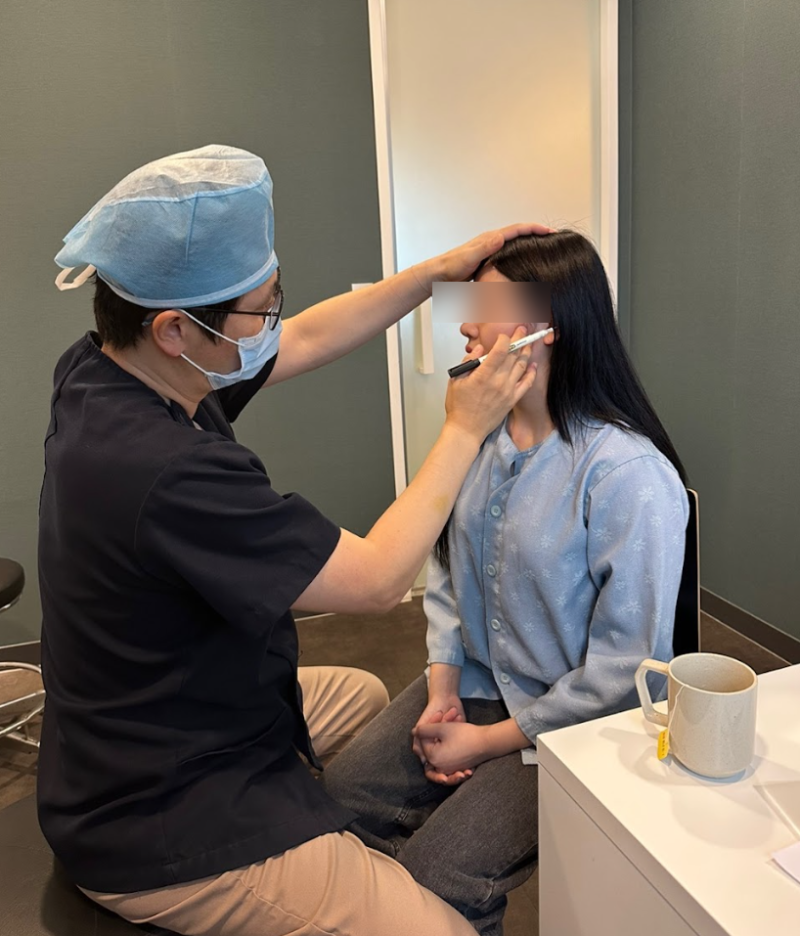
it is important to choose the method that is suitable for you.
-Operating Hours-
Weekdays 9:00 ~ 18:00 Saturdays 9:00 ~ 16:00 Public Holidays / Sundays Regular closure |
-Contact Us-
Faceplus Plastic Surgery Clinic | ||
Consultation Phone: 02-541-8500 Inquiries: KakaoTalk Inquiry |
-Directions-
Frequently Asked Questions
At what age can one get a facelift?
There is no absolute standard for ‘at what age one should get’ a facelift. More important than age are the current facial conditions such as skin elasticity, fat position, SMAS layer status, and the degree of jawline and cheek sagging. Even in their 30s or 40s, if there has been a rapid change in weight or quick sagging, consultation can be considered.
In what cases is a facelift considered?
A facelift can be considered primarily when concerns arise about sagging in the mid-to-lower face, such as cheek sagging, deepened nasolabial folds, marionette lines around the mouth, and a collapsed jawline. Even those who have experienced limited satisfaction with laser or lifting procedures may seek surgical methods.
Will I regret getting a facelift too early?
No. Receiving a facelift at a young age does not necessarily mean that problems will arise later or that one will regret it. However, it is important to be cautious about choosing surgical correction more than necessary when sagging is not significant.
What kind of surgery is a facelift?
A facelift is not simply a surgery that cuts off loose skin and pulls it taut. It involves identifying facial tissues that have shifted downwards due to aging, and considering the SMAS layer beneath the skin, to reposition and fix the sagging tissues.
Does aging continue after a facelift?
Yes, undergoing surgery does not stop the subsequent aging process. Over time, natural aging continues in the skin and soft tissues. Therefore, consistent management may be necessary even after surgery.
Are there other procedures available instead of a facelift?
Yes, there are. If fine wrinkles or reduced skin elasticity are the main concerns and actual tissue sagging is not significant, it is important to first check if other methods such as lifting lasers, radiofrequency, or thread lifts are more suitable.